I Tested the Dumbbell High Pull Athlean-X Swears By
I remember the morning my right shoulder finally staged a full-scale revolt. I was mid-set on a heavy barbell upright row—a move I’d done for years—when a sharp, grinding 'click' echoed through my collarbone. It wasn't a tear, but it was a clear warning. I spent the next week icing my rotator cuff and realizing my old-school shoulder routine was basically a slow-motion car crash for my joints. That is when I decided to finally try the dumbbell high pull athlean-x has been preaching about for years.
Quick Takeaways
- Eliminates the shoulder impingement common in barbell upright rows.
- Focuses on external rotation, which builds the 'shelf' on your rear delts.
- Harder to ego-lift, meaning you’ll use lighter weights for better results.
- Perfect for garage gyms with limited space and equipment.
Why I Finally Ditched the Upright Row
For a long time, I ignored the warnings. I wanted big shoulders, and the upright row is a classic mass builder. But the biomechanics are a nightmare. When you pull a straight bar up to your chin, your shoulders are trapped in internal rotation. It’s like grinding two gears together that weren't meant to touch.
My shoulder clicking became chronic. I couldn't even reach for a gallon of milk in the fridge without a twinge. I needed a way to hit the lateral and rear delts without the impingement. The db high pull athlean-x style promised to fix this by allowing the hands to move independently, changing the path of the weight entirely.
The Mechanics: Why the Athlean-X Pull Actually Makes Sense
Jeff Cavaliere’s argument isn't just theory; it’s anatomy. The standard upright row forces your humerus into the acromion process. By switching to dumbbells and changing the pull angle, you introduce external rotation. Instead of pulling the weight up toward your chin, you’re pulling it up and back.
Think of it like a face pull and an upright row had a baby. By keeping the dumbbells separated, your elbows can drive back and out. This clears the 'space' in the shoulder joint. During my first session, the difference was immediate. No grinding, no sharp pains—just a deep, burning contraction in the muscle belly where it belongs.
My 30-Day Testing Protocol in the Garage Gym
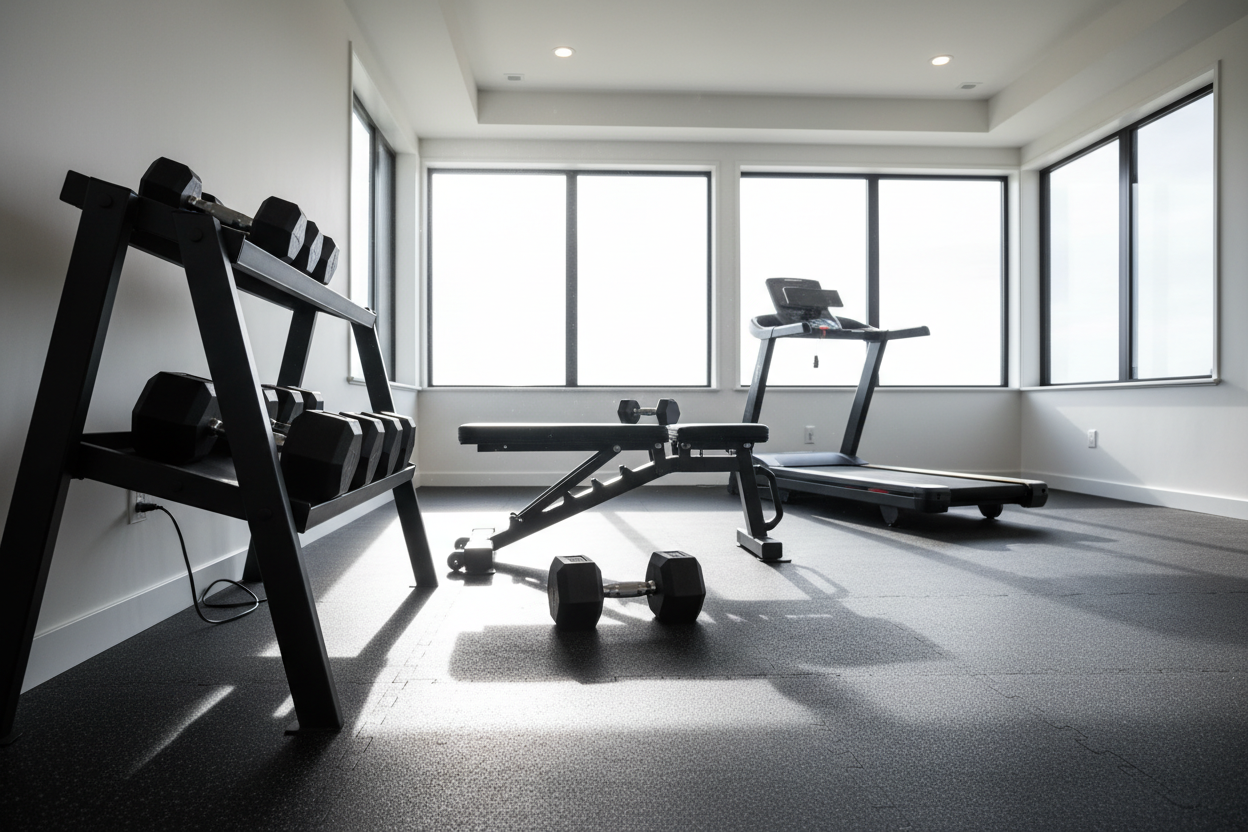
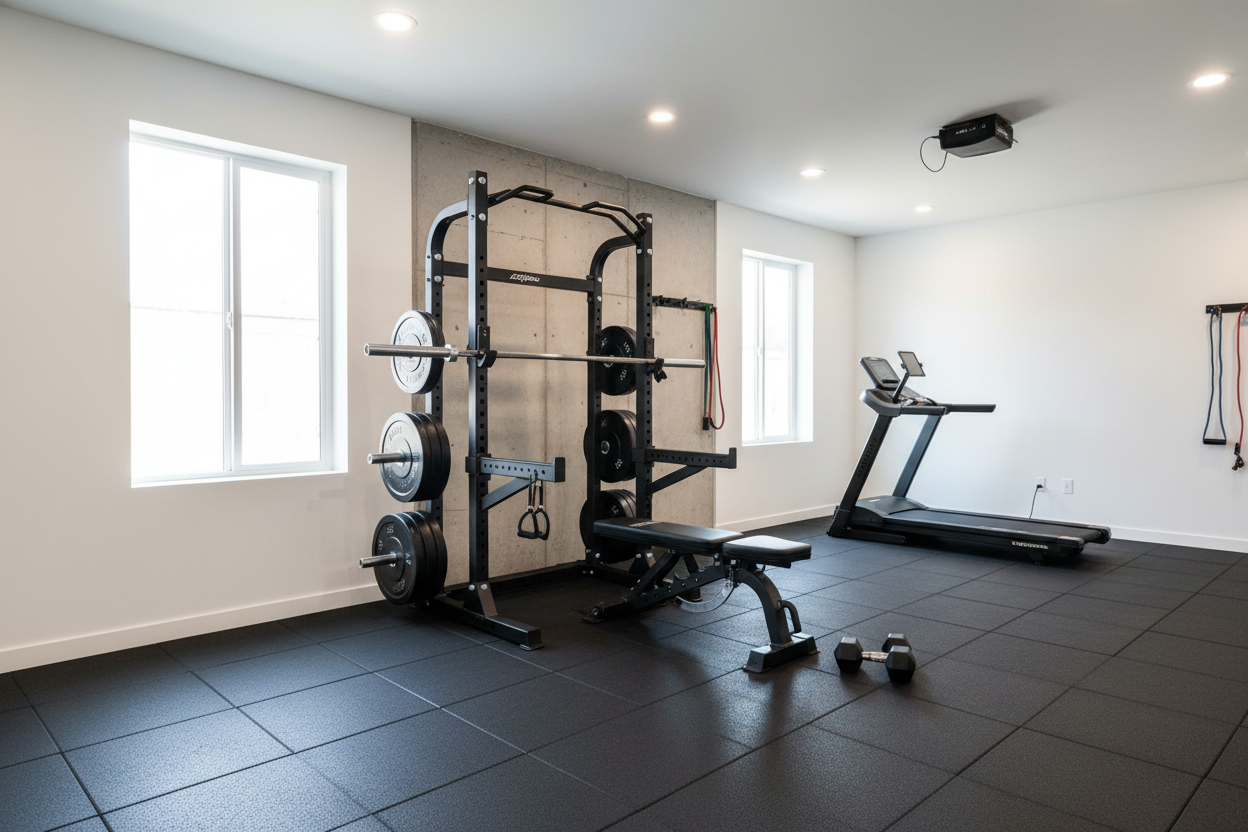
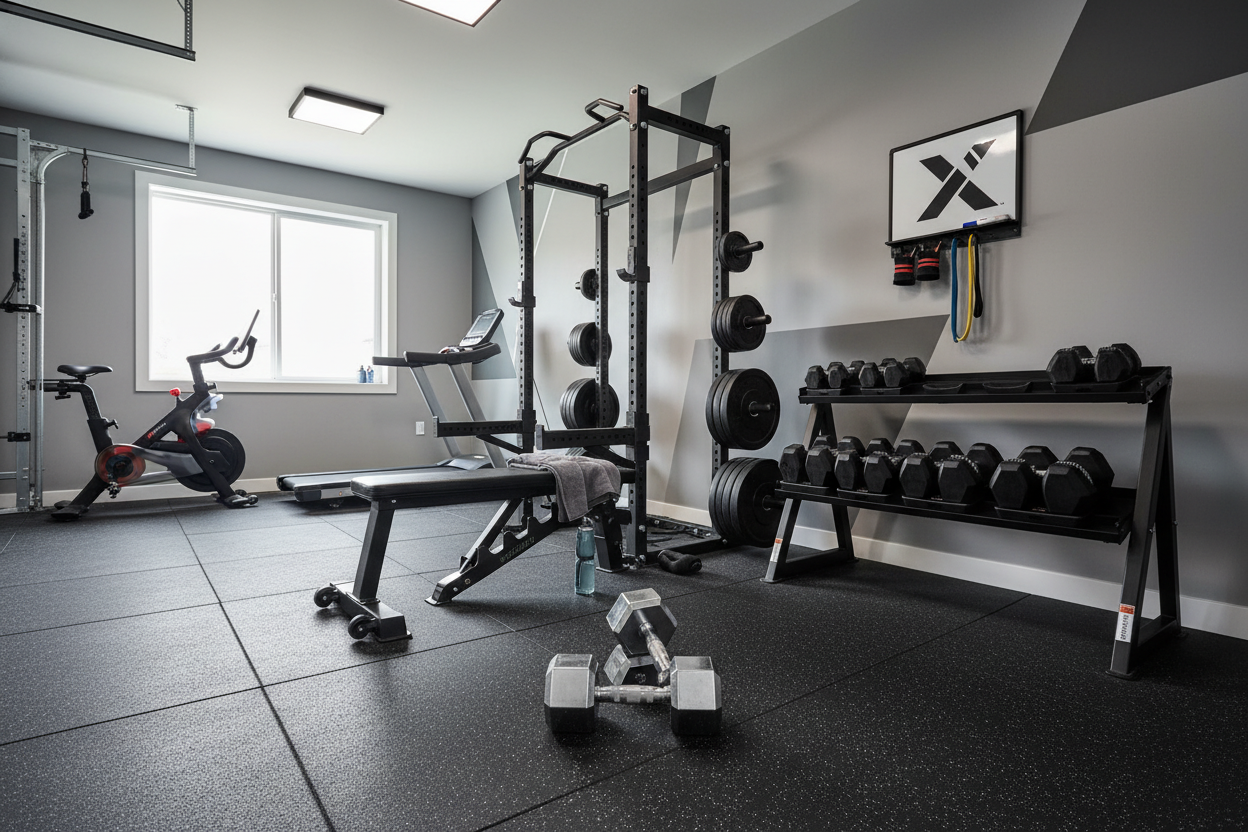
I integrated this into a minimalist block. Since I train in a 10x10 space with a set of adjustable dumbbells and a folding bench, I don't have room for fancy lateral raise machines. I programmed the high pull twice a week: once as a primary builder and once as a high-rep finisher.
I stuck to 3 sets of 12-15 reps. I found that if I went too heavy—trying to manhandle 60lb bells—my form broke down into a weird shrug. The sweet spot for me was a pair of 35s. If you are stuck with limited gear, this move is a staple for a one dumbbell full body workout because it hits the traps and all three delt heads simultaneously.
The Verdict: Did It Actually Cap My Delts?
After 30 days, the results were visible, but not in the way I expected. I didn't suddenly look like a pro bodybuilder, but my shoulders looked 'thicker' from the side and back. The rear delt development was the most noticeable change. My posture actually improved because I wasn't constantly compensating for a cranky front delt.
The downside? You can't load this like a barbell. If you’re the type of person who needs to see 225 lbs on the bar to feel like you’re working, you’ll hate this. It’s a move for people who care more about muscle tension and joint longevity than hitting a specific number on a spreadsheet. My joints haven't felt this quiet in three years.
How to Do It Without Looking Like a Jerk
Form is everything here. If you just yank the weights up, you’re doing a shitty shrug. First, stand with your feet shoulder-width apart and the dumbbells in front of your thighs. As you pull, focus on leading with your elbows, but keep your wrists higher than your elbows at the top of the movement.
The 'secret sauce' is the pull-back. At the top, the dumbbells should be near your ears, not your chin. Your chest should be out, and you should feel a hard squeeze between your shoulder blades. Avoid using your legs to bounce the weight up. If you have to use momentum, the dumbbells are too heavy. Put them back on the rack and grab the next size down.
Building a Joint-Friendly Posterior Chain Day
I’ve started pairing the high pull with other movements that don't beat up my spine or shoulders. On my 'pull' days, I go from high pulls straight into a cable pull through with dumbbell variation. It keeps the tension high without the massive axial loading of a heavy deadlift.
Adding this move to your rotation isn't just about 'corrective exercise.' It's about being able to train hard when you're 40, 50, and 60. I’d rather lift 35s with perfect form and zero pain than ego-lift a barbell and spend my weekends in physical therapy. Give the high pull a month—your rotator cuffs will thank you.
FAQ
Is this better than lateral raises?
It’s different. Lateral raises isolate the mid-delt better, but the high pull allows for more total weight and hits the rear delts and traps harder. I do both.
Can I do this with a kettlebell?
You can, but a single kettlebell forces you back into that narrow grip that can cause impingement. Two kettlebells work fine, but dumbbells are the gold standard for the right hand path.
Will this make my traps too big?
Your traps will definitely work, but because of the external rotation, the delts take the brunt of the load. Unless you have elite-level genetics, you aren't going to wake up with 'Tom Hardy in Warrior' traps by accident.