I Tested Light Weight Exercises for a Month (And Got Humbled)
I spent the last decade convinced that if a piece of iron didn't require two hands and a grunt to move, it was basically a paperweight. Then I tweaked my lower back trying to PR a deadlift with questionable form, and my physical therapist handed me a pair of 5-pound pink dumbbells. I almost laughed. After a month of strictly performing light weight exercises, the joke was on me.
Quick Takeaways
- High-rep, low-weight training exposes massive gaps in your stabilization and form.
- You can achieve significant muscle hypertrophy without crushing your joints under 300 lbs.
- Tempo and 'time under tension' are more important than the number on the side of the dumbbell.
- Minimal equipment doesn't mean minimal results if you understand mechanical tension.
The Day the 10-Pound Dumbbells Won
I remember the first session of my light weight workout experiment vividly. I was doing lateral raises with 10-pounders. Usually, I'd swing the 35s or 40s with a bit of a hip kick, feeling like a beast. But doing these lightweight dumbbell exercises with a strict three-second pause at the top? By rep 15, my shoulders felt like they were being marinated in hot sauce. By rep 25, I was shaking.
It was a massive ego check. I realized that my 'heavy' lifting was about 40% momentum and 60% actual muscle engagement. When you commit to an exercise with small weights, there is nowhere to hide. You can't use your lower back to swing a 10-lb weight because there's no momentum to catch. You have to actually use the muscle you're trying to target. It turns out, I hadn't really 'felt' my medial delts in years.
This transition wasn't just about rehab; it was a discovery of how much I’d been neglecting the mind-muscle connection. A small weight exercises routine forces you to focus on the contraction rather than just moving the load from Point A to Point B. My joints stopped aching, my 'pump' was more intense than it had been since my college days, and I was actually sweating harder during a small weights workout than I did during my heavy squat sessions.
Why Heavy Weights Let You Cheat
Gravity is a funny thing. When you lift heavy, your body naturally finds the path of least resistance. You'll lean back on a curl, you'll bounce at the bottom of a bench press, and you'll 'kipping' your way through rows. Using workouts with small weights removes that safety net. Because the load is manageable, your brain stops trying to survive the set and starts trying to optimize the movement.
I found that light weights workout sessions forced me to maintain a rigid core and perfect spinal alignment. When the weight is light, you can actually feel the muscle fibers stretching and contracting. This is especially true for light weight workout routines that focus on high-volume isolation. I stopped worrying about my 'total' and started worrying about my 'tension.' If you're currently training in a cramped environment, this small space training guide explains how to get the most out of limited gear when you can't fit a full power rack.
For many, especially in light weight exercises for women and men looking for longevity, the reduction in systemic fatigue is a massive win. I could do a lightweight gym workout and still have the energy to play with my kids or go for a run. Heavy lifting often leaves you feeling like a zombie for the rest of the day. By switching to lightweight strength training, I was getting the metabolic stress I needed without the neurological burnout.
3 Ways to Make Small Weights Feel Unbearably Heavy
If you think a low weight exercise is too easy, you're probably doing it wrong. To make a low weight workout effective, you have to manipulate the mechanics. The first trick I used was the '1.5 rep' method. For a squat or a press, you go all the way down, halfway up, back down, and then all the way up. This doubles the time under tension at the hardest part of the lift. Suddenly, small dumbbell exercises feel like you're moving boulders.
The second tactic is strict tempo control. I stopped counting reps and started counting seconds. A 4-0-4-0 tempo (four seconds down, four seconds up) makes workouts with small dumbbells feel like an eternity. It burns through glycogen and forces blood into the muscle like nothing else. It’s a staple in light weight training for women who want to tone without the bulk, but it’s just as brutal for a 220-lb powerlifter.
Finally, I started using pre-exhaustion. I’d do 30 reps of small weight lifting isolation movements, like a chest fly, immediately followed by a compound movement like pushups. By the time I got to the 'easy' bodyweight movement, my chest was already toasted. This makes light weight dumbbell exercises an incredible tool for breaking through plateaus because you're attacking the muscle from a completely different metabolic angle.
The 'Ego Check' Lightweight Routine
This is the routine I followed three days a week. It looks easy on paper. It is a nightmare in practice. We focus on unilateral movements because they double the work your core has to do and expose imbalances between your left and right sides. I found that a workout with weight doesn't need matching dumbbells to be effective; in fact, using an uneven load (like a 10-lb in one hand and a 15-lb in the other) actually improved my stability.
- Tempo Goblet Squats: 3 sets of 20 reps. 3 seconds down, 2-second pause at the bottom. Keep that chest up.
- Single-Arm Overhead Press: 3 sets of 15 per side. Focus on keeping your ribs tucked. If you only have one bell, this workout with weight doesn't need matching dumbbells approach is perfect for building functional strength.
- Bulgarian Split Squats: 3 sets of 20 per leg. No weight or just 5-10 lbs. The burn is real.
- Lu Raises: 3 sets of 15. This is a full-range lateral raise that goes all the way overhead. It will redefine how you think about shoulder health.
- Renegade Rows: 3 sets of 12 per side. Slow and controlled. No hip rocking allowed.
The key here is the rest period. Keep it under 45 seconds. By the third set, those 10-pounders will feel like they've gained 50 pounds. This is the essence of a high-quality light weight workout. You aren't just moving weight; you're managing fatigue and perfecting your craft.
The One Piece of Gear That Amplifies Light Lifting
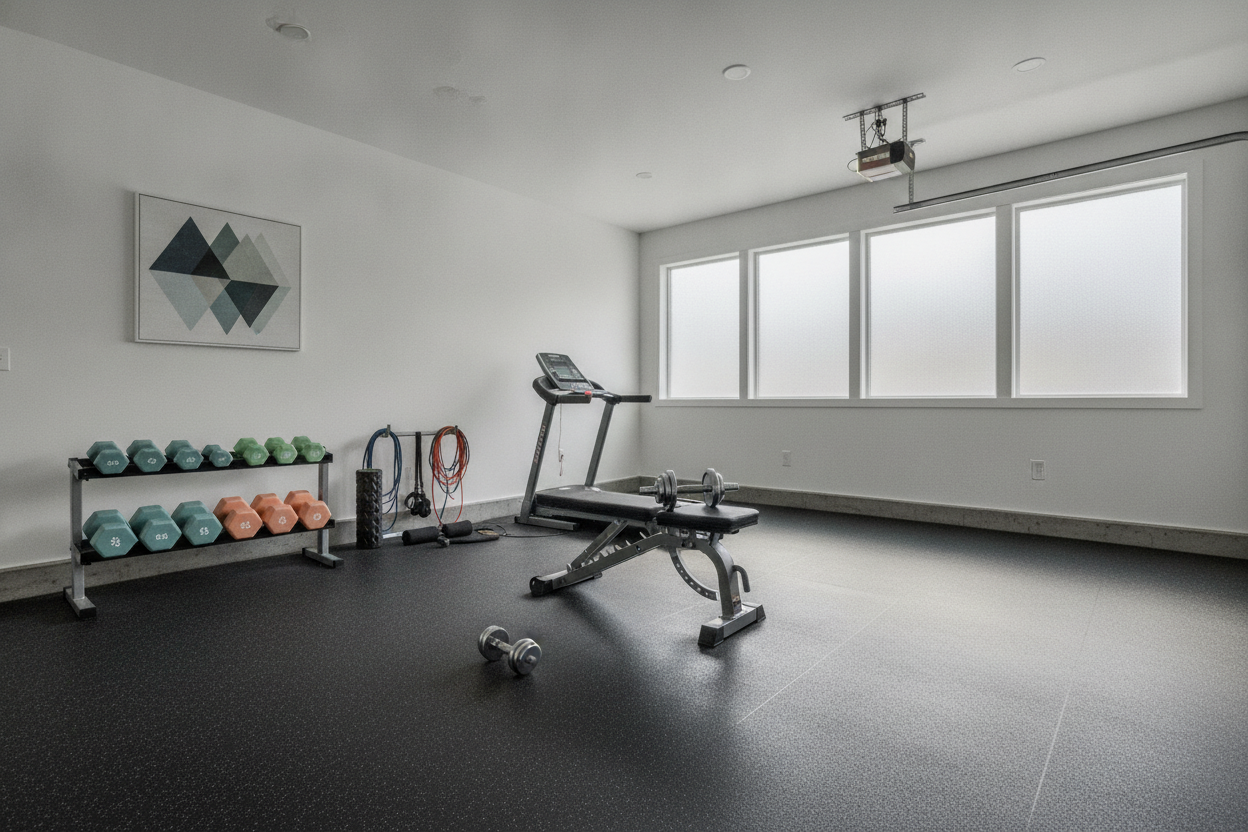
When you're limited to small weights, you have to get creative with leverage. The best way to do that is by changing your body's relationship with gravity. An adjustable weight bench is the single most important tool for this. By shifting from a flat position to a 30-degree or 45-degree incline, you change which part of the muscle is under the most tension.
I used my bench to perform incline curls and chest-supported rows. Because you're leaning against the padding, you can't use your legs or lower back to help the lift. This makes light weight exercises far more isolating. If you're doing a lightweight gym workout at home, being able to hit decline pushups or incline flies allows you to hit every angle of the muscle without needing a rack full of 100-lb dumbbells. It’s about working smarter, not just heavier.
FAQ
Can you actually build muscle with light weights?
Yes. Research shows that as long as you take your sets close to failure, hypertrophy (muscle growth) is similar whether you use 30% or 80% of your 1-rep max. The key is the effort, not just the load.
How many reps should I do for light weight exercises?
Usually, the 'sweet spot' for lighter loads is between 15 and 30 reps. If you can do more than 30 with perfect form, the weight is probably too light, or you need to slow down your tempo.
Are small weights better for your joints?
Generally, yes. They put significantly less shear force on your tendons and ligaments. This makes them ideal for 'active recovery' days or for anyone dealing with chronic joint issues like tendonitis.