I Tell Every Muscle and Fitness Beginner to Start on the Floor
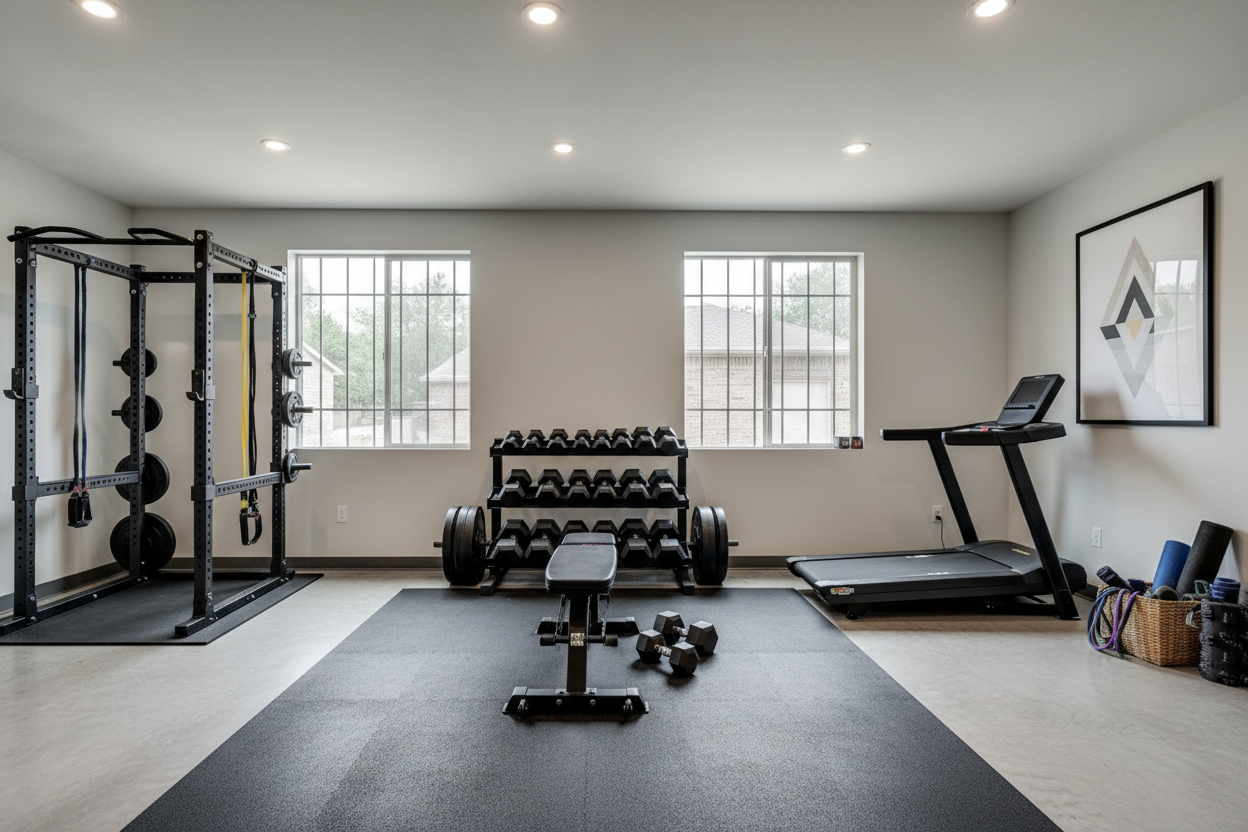
I remember staring at a $2,000 power rack in a glossy catalog, convinced it was the only thing standing between me and a decent physique. My bank account was empty, and my spare bedroom was barely 10x10. I almost pulled the trigger on a credit card I couldn't afford because I thought that's what a 'real' lifter did. I was wrong.
The truth is, if you are a muscle and fitness beginner, the most sophisticated piece of equipment you own is already under your feet. Before you worry about 11-gauge steel uprights or laser-cut numbering, you need to learn how to move your own body against gravity. Most people start with too much gear and too little stability, which is a fast track to a shoulder impingement that sidelines you for six months.
Quick Takeaways
- The floor provides a 'hard stop' for your joints, preventing the over-extension that causes most beginner injuries.
- You can build a pro-level foundation with just a pair of dumbbells and a high-quality mat.
- Mastering the floor press is the safest way to learn scapular retraction before moving to a bench.
- Core stability isn't built on a machine; it's built by resisting movement on the ground.
Why You Don't Need a Power Rack on Day One
Jumping straight into a heavy barbell squat or a deep bench press without any spatial awareness is like trying to drive a semi-truck before you've mastered a bicycle. I've seen countless guys buy a rack, load up two plates, and immediately start 'ego lifting' with a range of motion that looks like a seizure. Their joints pay the price long before their muscles see any growth.
When you're starting out, your nervous system is still figuring out how to coordinate muscle fibers. A rack allows you to move weight in ways your body isn't ready to stabilize yet. By staying on the ground, you force your body to create its own tension. If you can't control a 35-pound dumbbell on the floor, you have no business putting a 135-pound barbell over your throat in a rack.
The Ground-Up Strategy: Why the Floor is Your Best Spotter
The floor is the most honest coach you'll ever have. It doesn't let you cheat. When you do a floor press, the ground physically stops your elbows from dropping too low. This protects your shoulder capsule while still hammering your triceps and chest. It's the ultimate safety net for a muscle and fitness beginner workout.
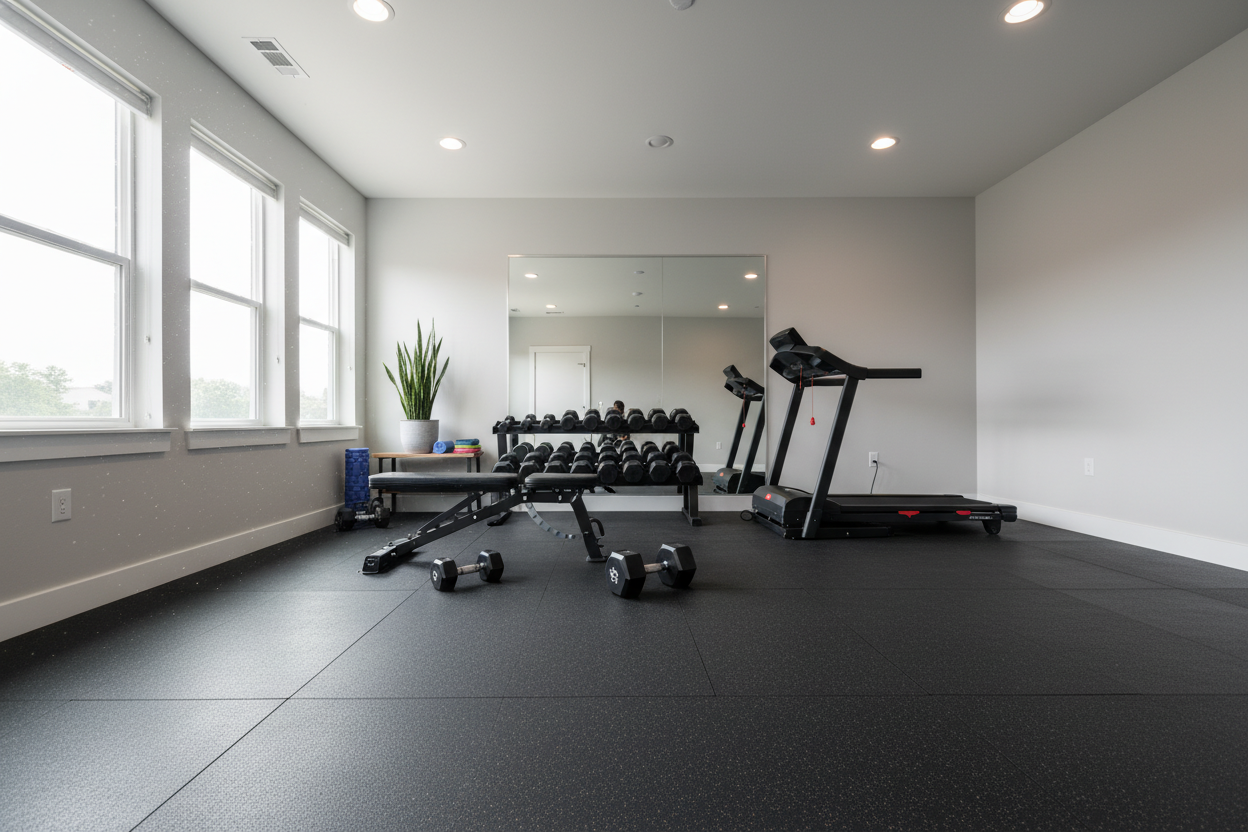
To do this right, you need a surface that isn't going to slide or chew up your elbows. I always recommend a 6x8ft exercise mat gym flooring. It’s thick enough to handle a dropped 50-pound hex dumbbell and wide enough that you aren't rolling off onto the carpet mid-set. This mat becomes your 'island'—a dedicated space where you master the dead bug for core stability and the floor-based row to fix that 'computer hunch' posture.
At-Home Free Weights vs. The Commercial Gym Trap
Commercial gyms love machines because they are easy to clean and hard to break. They guide you through a fixed path, which is fine for isolation, but it's a trap for muscle and fitness for beginners. If the machine is doing all the stabilizing, your small 'helper' muscles stay weak. The moment you try to lift a heavy box in the real world, something snaps because you only have 'machine strength.'
I'm not saying machines are useless—you can get a killer Planet Fitness machine workout if you're traveling or short on time. But for your home base? Stick to free weights. Dumbbells require you to balance the load in three dimensions. That 'wobble' you feel during your first week? That's your brain and muscles learning to work together. You don't get that on a Smith machine.
Graduating from the Floor: Your First Real Purchases
How do you know when you've 'earned' the right to move off the mat? My rule is simple: when you can perform 12 perfectly controlled reps of a floor press with half your body weight in dumbbells, you're ready for more. At that point, your core is stable enough that you won't collapse the moment you sit on a bench.
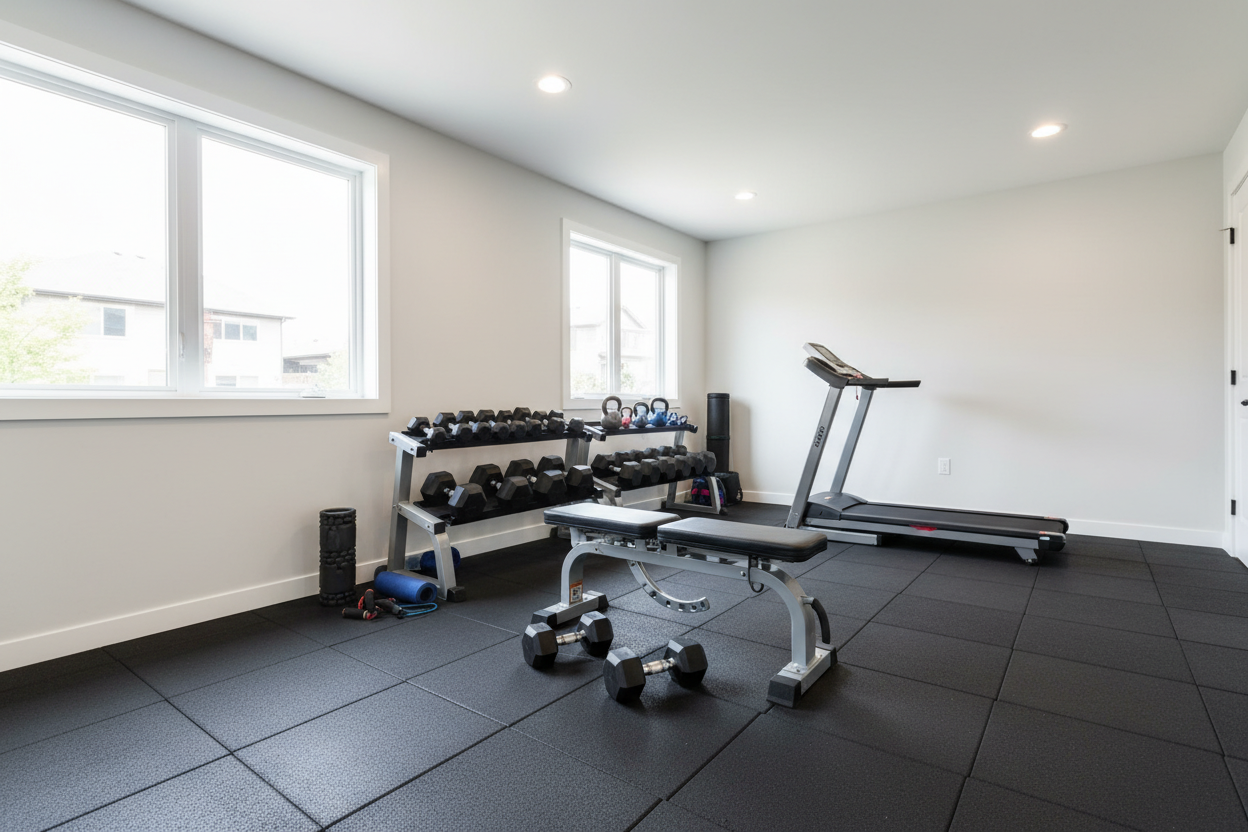
Your next move should be a reliable weight set and bench. Look for a bench with at least a 600-lb capacity—even if you don't lift that much yet, the stability of a heavy-duty bench prevents that annoying side-to-side rocking when you're trying to focus on muscle and fitness workouts for beginners. Avoid the cheap, thin-padded benches from big-box stores; they feel like sitting on a 2x4 and offer zero support for your spine.
Protecting Your Shoulders as You Add Weight
The biggest mistake I see in any muscle fitness beginner workout is 'flaring.' This is when your elbows go wide, 90 degrees to your body, during a press. It feels powerful for about three weeks until your rotators start screaming. On the floor, your elbows are naturally tucked closer to your ribs because the ground limits your movement. It’s a built-in technique corrector.
When you eventually move to a bench or start overhead pressing, you have to consciously maintain that 'tuck.' If you're struggling with pain, you might be doing your muscle fitness shoulder workout with poor form. Keep your shoulder blades pinned back and down—imagine you're trying to put them in your back pockets. The floor taught you this; don't forget it just because you're sitting on a fancy bench.
My Personal Experience
When I started, I bought a cheap, 'all-in-one' weight bench that had a leg extension attachment. It was a disaster. The bench was so narrow I felt like I was balancing on a tightrope, and the leg attachment hit my shins in the wrong spot. I spent more time trying not to tip over than I did actually lifting. I eventually dragged the padding off, threw it on the floor, and just did floor presses for three months. My chest grew more in those three months than the previous year because I finally felt stable enough to actually push heavy weight. Don't buy the 'bells and whistles' until you've mastered the basics on the ground.
FAQ
Is the floor press as good as the bench press for chest growth?
It’s about 80% as effective for the chest but 100% safer for your shoulders. It actually hits your triceps harder because of the forced stop at the bottom. For a beginner, the safety trade-off is worth it.
What's the best mat for a home gym on a budget?
Don't buy those cheap foam puzzle tiles. They pull apart the moment you try to do a mountain climber. Get a solid rubber mat or a heavy-duty 7mm+ PVC mat. It stays put and won't compress under heavy dumbbells.
Can I build leg muscle without a squat rack?
Absolutely. Goblet squats, lunges, and Bulgarian split squats (using a chair or your couch) will set your quads on fire long before you ever need a barbell on your back.