I Swapped My Power Rack for The Unit Strength Training Setup
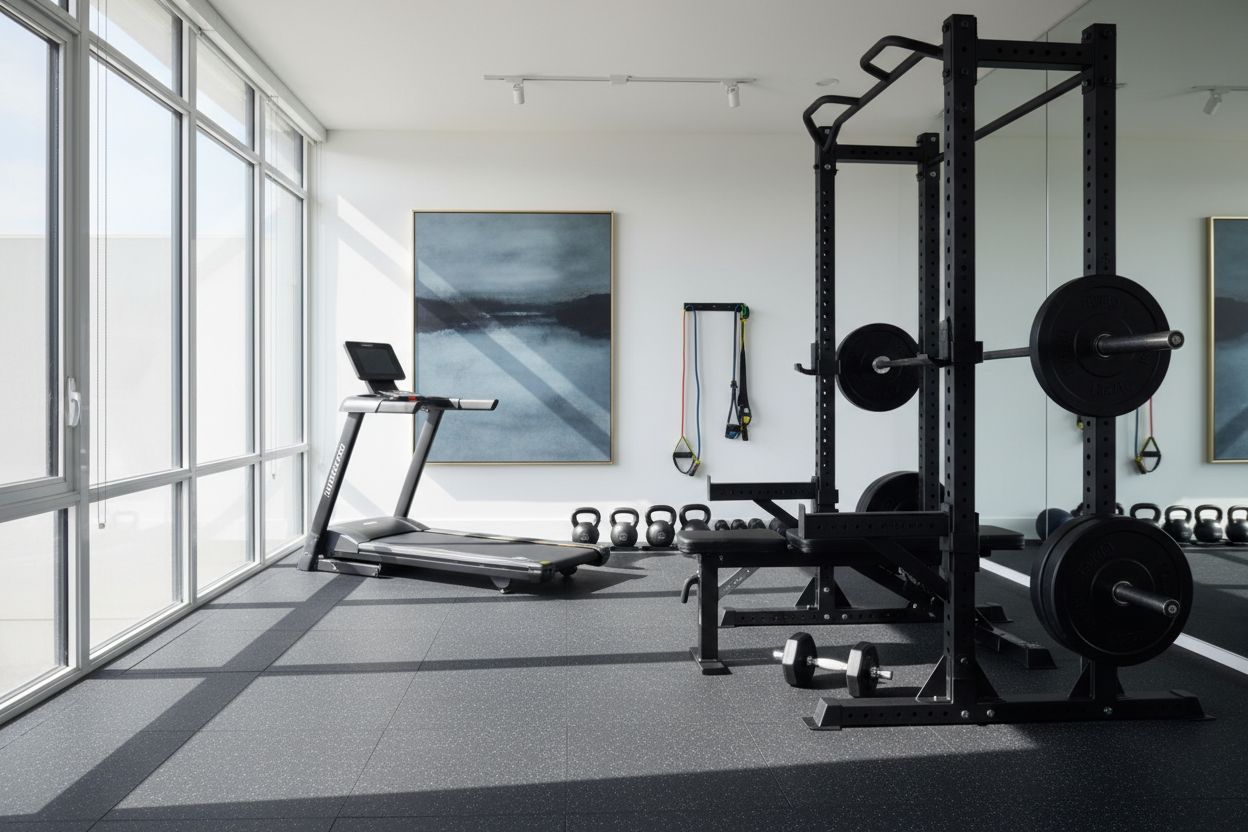
My garage was a Tetris game gone wrong. I had the power rack, the bench, the plate tree, and about six inches of walking room left. Every time I wanted to do a set of rows, I had to move three other things just to clear a path. I finally hit a breaking point and decided to see if the unit strength training setup could actually replace my beloved iron and give me my floor back.
Quick Takeaways
- Space Saver: Replaces about four separate machines in one 4x6 footprint.
- Transitions: Zero downtime between compound lifts and cable isolations.
- Stability: Solid for most, but heavy powerlifters will notice some frame flex.
- Value: Cheaper than buying a rack, functional trainer, and smith machine separately.
Why I Betrayed My Barbell for a Machine
The 'purist' in me felt like a traitor. I’ve spent a decade preaching that all you need is a rack and a barbell. But the reality of home training is that variety keeps you coming back, and my rack was limited. I was tired of rigging up sketchy DIY pulley systems to get some lat work in.
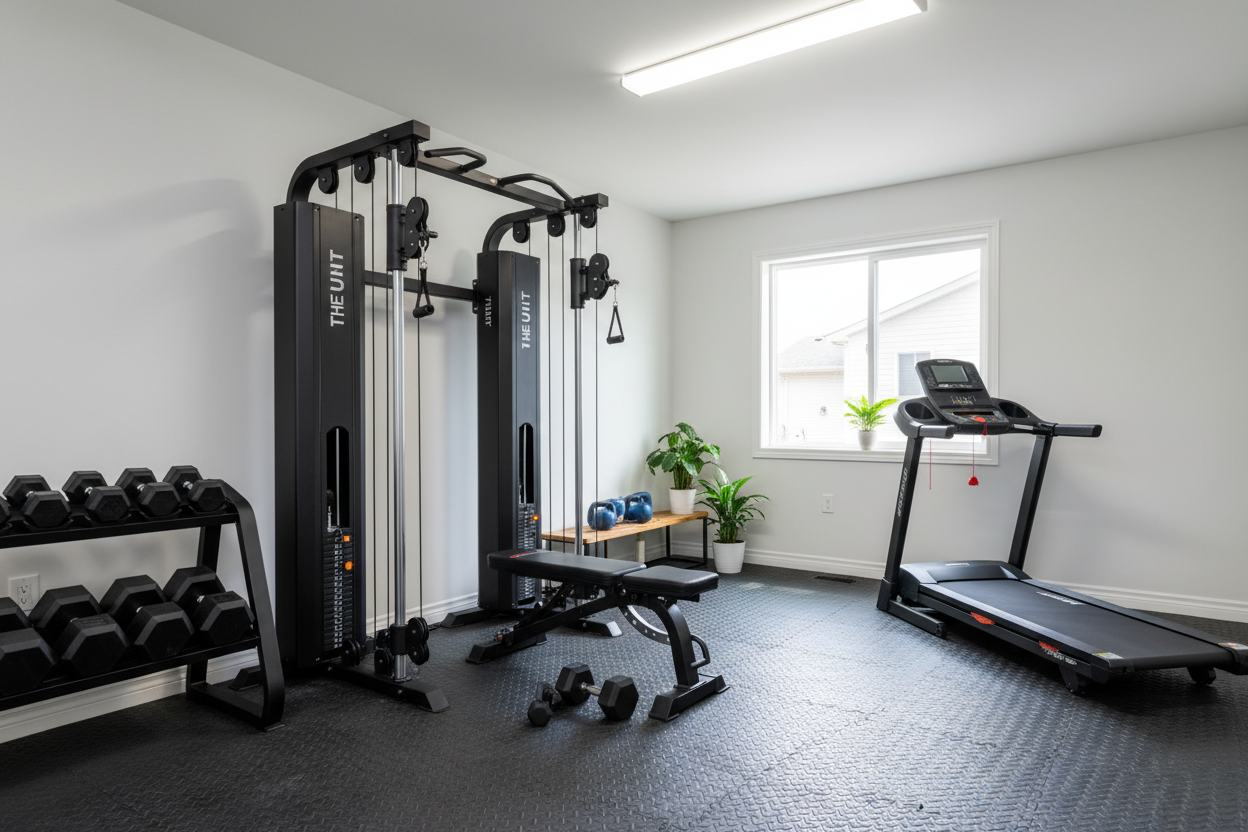
The allure of 'the unit gym' concept is simple: it’s an all-in-one ecosystem. It promises the safety of a Smith machine, the versatility of a functional trainer, and the heavy-duty nature of a power rack. I wanted to see if I could actually maintain my strength levels without the traditional setup, or if I’d just end up with a very expensive clothes rack.
The Good: Where an All-In-One System Actually Shines
The first thing I noticed was the flow. In a standard gym, you’re walking across the floor to find a cable station. Here, I finish my Smith squats and immediately pivot to cable flyes. The friction-free transitions are a massive win for anyone running supersets or high-volume hypertrophy blocks.
Modern engineering has finally caught up to the demands of home lifters. We aren't looking for the clunky 90s machines anymore. As discussed in this Machines Gym Guide The Definitive Strength Training Blueprint For 2024, the evolution of pulley ratios and linear bearings means these units actually feel smooth under load. The built-in spotter arms on the Smith bar also gave me the confidence to push to failure on bench press without worrying about my wife finding me pinned under a bar later that evening.
The Bad: What Happens When You Load It Heavy
It’s not all sunshine and PRs. If you’re used to a 3x3 11-gauge steel rack bolted into the dirt, you’re going to notice some movement. When I was doing weighted pull-ups at a total weight of 250 lbs, the top of the frame had a slight but noticeable sway. It didn't feel unsafe, but it didn't feel like a tank either.
Then there is the floor. These units are heavy, and when you add 400 lbs of plates to the storage pegs, the pressure on your concrete is intense. I had to lay down a 6X8Ft Exercise Mat Yoga Mat Gym Flooring For Home Workout to prevent the unit from shifting during heavy seated rows and to protect my floor from the inevitable dropped plate. Also, the cable stacks often max out at 200 lbs per side. For single-arm work, that's plenty. For heavy lat pulldowns, you might find yourself pinning extra plates to the stack within six months.
Space vs. Cost: Is the Trade-Off Worth It?
Let's talk math. A high-end power rack, a separate functional trainer, and a Smith machine would easily run you $4,000 and take up half a two-car garage. One of these units costs roughly half that. However, The Truth About 'Compact' Gym Equipment for Strength Training is that the 'footprint' is a bit of a lie. While the base is 4x6, you need at least two feet of clearance on all sides to load plates and use the cable arms.
If you are tight on space, it's still the better play. You’re trading a bit of absolute frame rigidity for a massive increase in exercise selection. For most people, that trade-off is a no-brainer. But if your goal is a world-record squat, you're better off with a dedicated squat stand and a lot of open floor.
Final Verdict: Keep the Rack or Buy the Machine?
After 30 days, I’m not going back to my old rack. For my current goals—staying lean, building muscle, and not spending two hours in the garage—the unit is superior. It’s a bodybuilding machine that happens to let you do some powerlifting, rather than a powerlifting rack that tries to do cables.
If you’re a busy professional who needs to get a full-body blast in 45 minutes, buy the unit. If you’re a garage gym enthusiast who loves the feel of raw iron and wants to customize every inch of your space, stick to modular Strength Equipment. It’s about choosing the right tool for your specific style of training.
FAQ
Can I use my own barbell with this?
Most units come with J-cups on the front uprights, so yes, you can still do traditional free-weight work. Just check the upright size (usually 2x2 or 3x3) to ensure your existing attachments fit.
Is the assembly as bad as they say?
Yes. Set aside six hours, grab a socket wrench set, and recruit a friend. The instructions are usually just exploded diagrams that require a PhD in patience to decipher.
Does the cable ratio matter?
Most use a 2:1 ratio, meaning 100 lbs on the stack feels like 50 lbs in your hand. This is great for functional movements and travel distance, but can feel light for heavy rows.