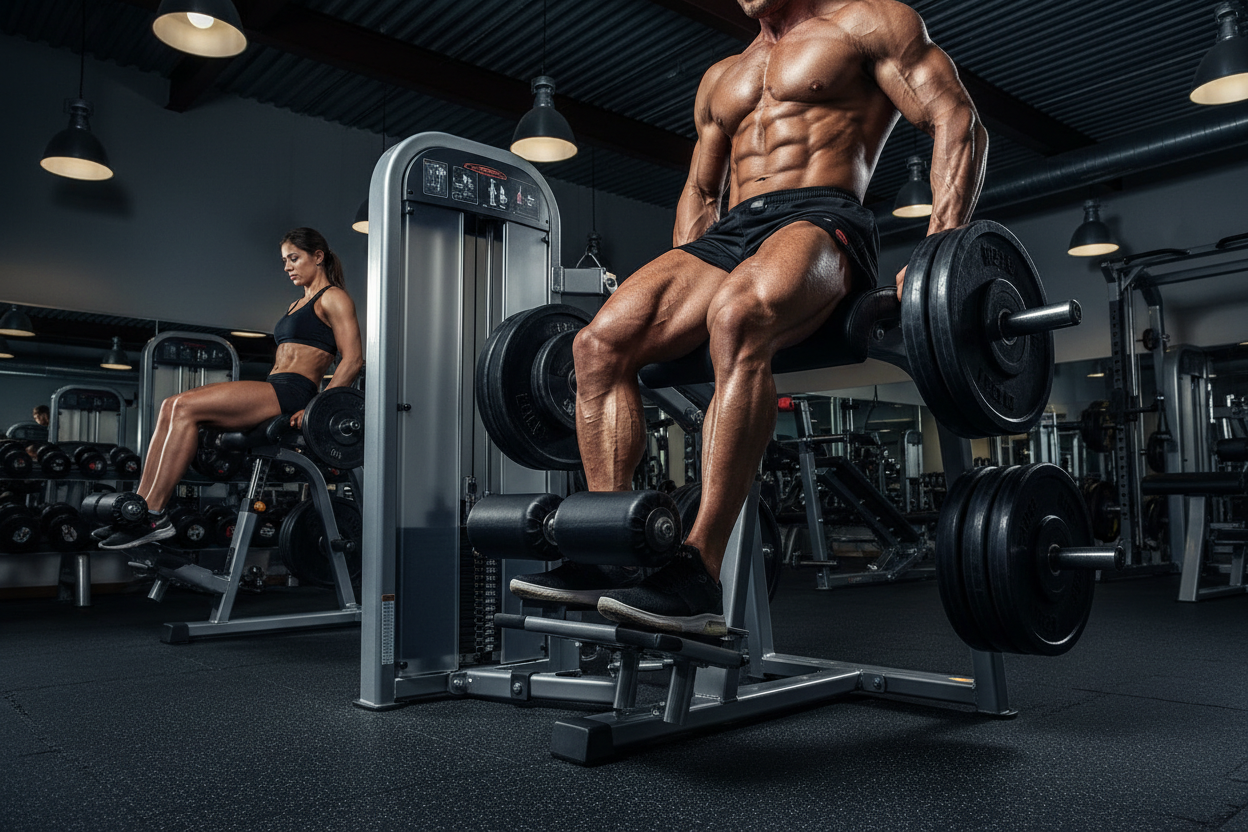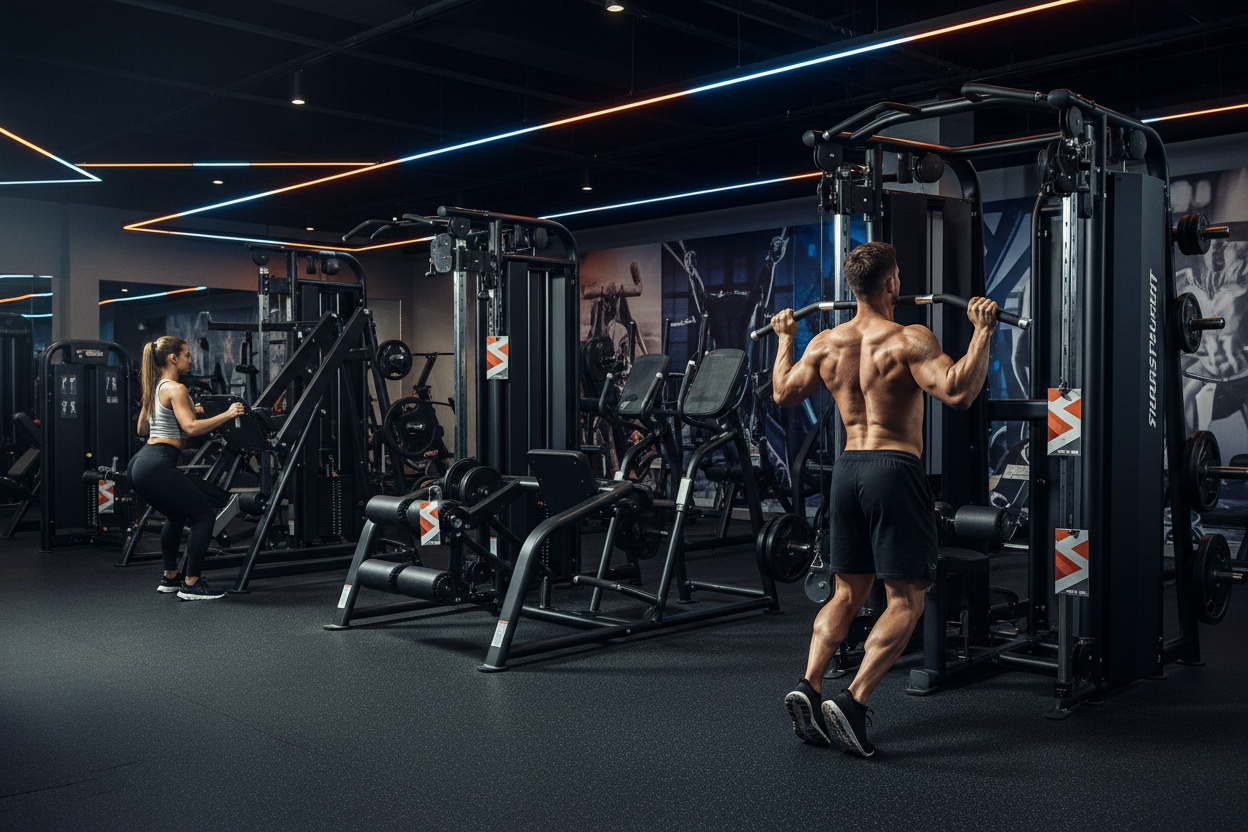
Machines Gym Guide: The Definitive Strength Training Blueprint for 2024
Walking into a large commercial facility for the first time can feel like stepping into the cockpit of a spaceship. You are surrounded by rows of pulleys, levers, and stacks of iron, all promising to transform your physique. For many, navigating the **machines gym** layout is the most intimidating part of starting a fitness journey.
But here is the reality: those machines aren't just for beginners or people recovering from injuries. When used correctly, they are potent tools for hypertrophy (muscle growth) that allow you to take muscles to failure safely, without the risk of a barbell crushing your windpipe.
Key Takeaways
- Isolation is Key: Machines provide stability, allowing you to focus entirely on the target muscle without worrying about balance.
- Safety First: Assisted weight machines and fixed paths of motion significantly reduce the risk of injury during heavy lifts.
- Progressive Overload: The pin-loaded stacks make it incredibly easy to track and increase weight incrementally.
- Efficiency: Circuit training with machines reduces setup time compared to loading and unloading barbell plates.
Why You Should Prioritize Machines in the Gym
There is a lingering stigma in the fitness community that "real" lifters only use free weights. This is nonsense. The best bodybuilders in the world rely heavily on gym weight machines to carve out specific details in their physique.
The science is simple: mechanical tension is the primary driver of muscle growth. Weight lifting with machines removes the stability requirement. If you are doing a barbell squat, your core and stabilizers might fatigue before your quads do. On a leg press or hack squat, you can push your quads to absolute failure because the machine handles the stabilization for you.
Understanding the Different Types of Equipment
Not all exercise equipment in a gym serves the same purpose. Generally, you will encounter two main categories:
1. Pin-Loaded (Selectorized) Machines: These are the most common strength machines at gym chains. You simply move a pin to select your weight. They are excellent for quick dropsets and circuit training.
2. Plate-Loaded Machines: These require you to load round weight plates onto the machine (like a Hammer Strength chest press). These often mimic the strength curve of free weights better than cables and are staples in serious weight room machines setups.
The Essential "Big 5" Workout Machines in Gym
If you are overwhelmed by the options, focus on these most popular gym machines to build a foundational physique.
1. The Lat Pulldown
This is the king of back width. It mimics the pull-up but allows you to adjust the load. Focus on driving your elbows down into your back pockets rather than just pulling with your biceps.
2. The Leg Press
This allows you to move massive amounts of weight safely. It targets the quads, hamstrings, and glutes. Warning: Never lock your knees out at the top of the movement; keep a slight bend to protect your joints.
3. The Chest Press Machine
Unlike the bench press, the gym training machine for chest prevents the bar from drifting forward or backward. It isolates the pectorals efficiently. Keep your shoulder blades pinned against the back pad throughout the press.
4. The Cable Stack
Perhaps the most versatile exercise machine in gym history. From tricep pushdowns to face pulls, cables provide constant tension throughout the entire range of motion, something dumbbells cannot do due to gravity.
5. Assisted Pull-Up/Dip Machine
Assisted weight machines are fantastic for building the strength required for bodyweight movements. By counterbalancing your weight, they allow you to perform the movement pattern with perfect form until you are strong enough to go unassisted.
Common Mistakes with Exercise Machines at the Gym
Even though machines are safer than free weights, you can still hurt yourself or waste your time if you aren't careful.
Ignoring Adjustment Points: Every gym workout machine has adjustable seats, backrests, or shin pads. If the pivot point of the machine doesn't align with your joint (e.g., your knee on a leg extension), you place massive shear force on the tendons. Take the ten seconds to adjust the seat.
Letting the Stack Slam: When weight lifting machines at the gym, the lowering phase (eccentric) is just as important as the lifting phase. If you hear the weights "clank" loudly between every rep, you are moving too fast and using momentum rather than muscle.
Home Gym vs. Commercial Facility
We often get asked about the fitness machine for sale market. Should you buy or join? A high-quality workout machine price can range from $500 to over $3,000 for a single commercial-grade unit.
Unless you have a massive budget and space, joining a facility is usually more cost-effective. A commercial gym offers variety—strength training gym machines, cardio units, and cables—that is hard to replicate in a garage.
My Training Log: Real Talk
I want to share a specific experience regarding the "safety" of machines. For years, I avoided the Hack Squat because I thought it was for people who couldn't handle barbell squats. Then I injured my lower back.
I switched exclusively to the Hack Squat for six months. The first thing I noticed wasn't the ease of use, but the friction. There is a very specific, gritty vibration you feel through the back pad on a well-used machine when the rollers need grease. It’s not smooth like a new gym.
But the biggest realization was the "point of no return." When you are at the bottom of a Hack Squat, deep in the hole, and your quads are screaming, there is a mental safety net knowing the safety stops are right there. I found I could push my legs to a level of shaking failure that I never dared to reach with a barbell on my back. That specific feeling—walking away from the machine with legs that feel like jelly but a lower back that feels perfectly fine—changed my entire perspective on machine training.
Conclusion
Gym exercises machines are not "cheating." They are precision instruments designed to maximize muscle stimulation while minimizing systemic fatigue. Whether you are using weight exercise machines gym setups for rehabilitation or trying to add an inch to your arms, the key is intensity and proper fit. Adjust the seat, control the tempo, and respect the weight.
Frequently Asked Questions
1. Can you build significant muscle using only machines?
Absolutely. Your muscles do not know if you are holding a dumbbell or pushing a handle. They only detect tension. As long as you apply progressive overload (increasing weight or reps over time) on gym strength machines, you will grow.
2. What is the best machine for beginners?
The Chest Press and Leg Press are ideal entry points. They mimic natural pushing movements and have simple adjustment mechanisms, making them the most user-friendly workout machines in gym environments.
3. How do I know if the seat height is correct?
On most working out machines, the machine's pivot point (usually a bolt or hinge) should align perfectly with the joint you are working. For example, on a leg extension, the machine's hinge should be right next to your knee.