I Survived a Month of Weight-Free Exercises (And Didn't Shrink)
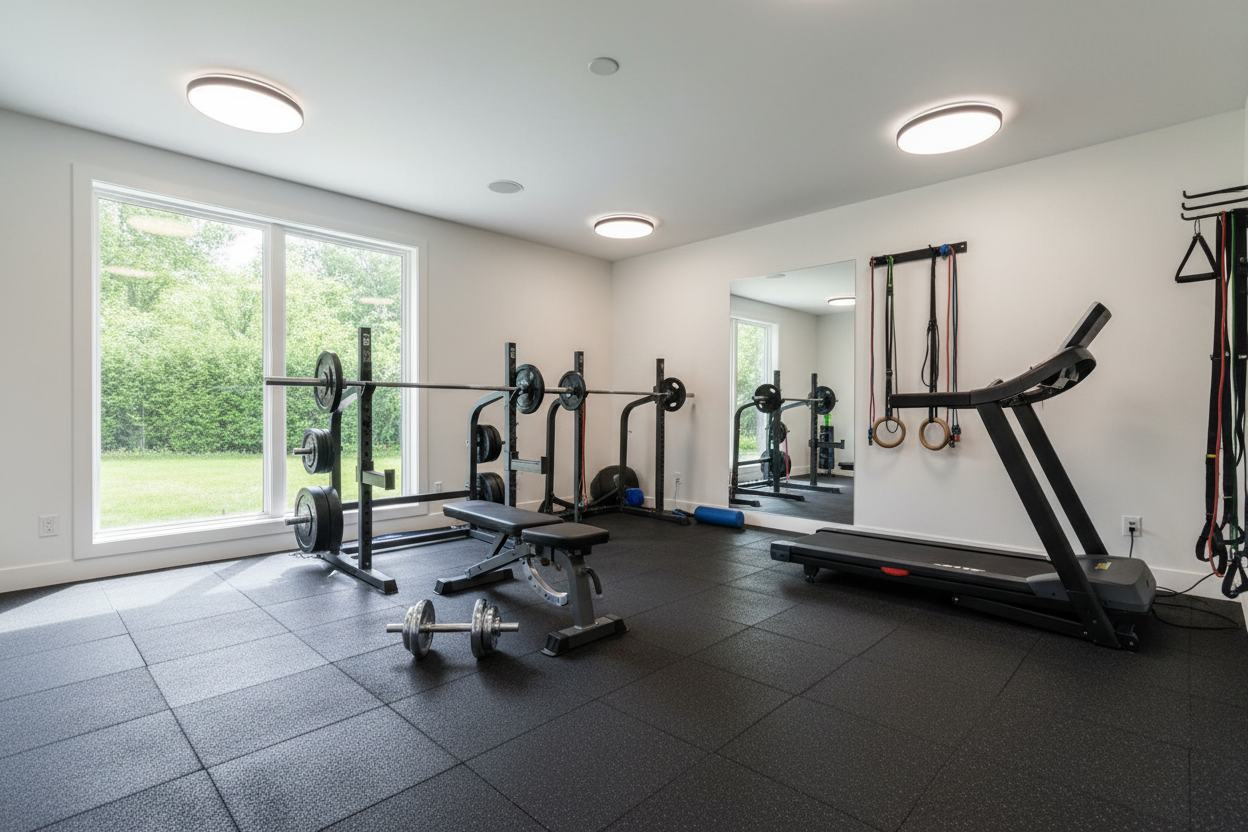
I woke up three weeks ago, reached for my coffee, and my elbows felt like they were filled with crushed glass. Years of chasing PRs on the bench and squat had finally caught up. Instead of pushing through another session of Vitamin I (Ibuprofen), I did something I haven't done in a decade: I locked the garage gym door and committed to a month of weight-free exercises.
Most guys think dropping the iron means losing your gains. I was terrified I’d shrivel up by week two. But after thirty days of high-tension calisthenics, I realized that most of us are just using the barbell as a crutch for lazy movement patterns. If you can’t control your own body weight, you have no business trying to move 300 lbs of steel.
- Tension over Reps: If you aren't shaking, you aren't working.
- Joint Relief: My connective tissue finally stopped throbbing after week one.
- The Cardio Trap: Avoid high-rep 'burn' workouts if you want to keep muscle.
- Mechanical Advantage: Changing your body angle is the same as adding a 45-lb plate.
Why I Locked Up My Power Rack for 30 Days
It was physically painful to walk past my Gxmmat X6 Power Rack Weight Bench Package every morning. That rack is the centerpiece of my life, but my joints were cooked. I needed to know if I could maintain my 215-lb frame without the constant compression of a heavy bar on my back or the shearing force of a heavy deadlift.
The goal wasn't to get 'shredded' for a beach trip. I wanted to see if I could stimulate enough mechanical tension to keep my muscle fibers firing. It turns out, when you remove the ego of the weight stack, you're forced to actually control your own anatomy. No more bouncing off the chest or using momentum to cheat through a rep just to see the numbers go up.
Stop Turning Bodyweight Workouts Into Bad Cardio
Most 'best weight free exercises' lists you find online are complete garbage. They tell you to do 50 burpees or 100 jumping jacks. That’s not a strength workout; that’s just making yourself tired and sweaty. If your heart rate is the only thing redlining, you aren't building or even maintaining muscle mass. You're just doing mediocre cardio.
To keep size, you need tension. That means choosing movements so difficult you can only manage 5 to 12 reps. If you can do 50 of something, it’s cardio. I stopped chasing the 'burn' and started chasing the 'struggle.' I traded the 100-rep air squat marathons for movements that actually made my muscles feel like they were going to tear off the bone from sheer effort.
The Best Weight-Free Exercises for Pure Tension
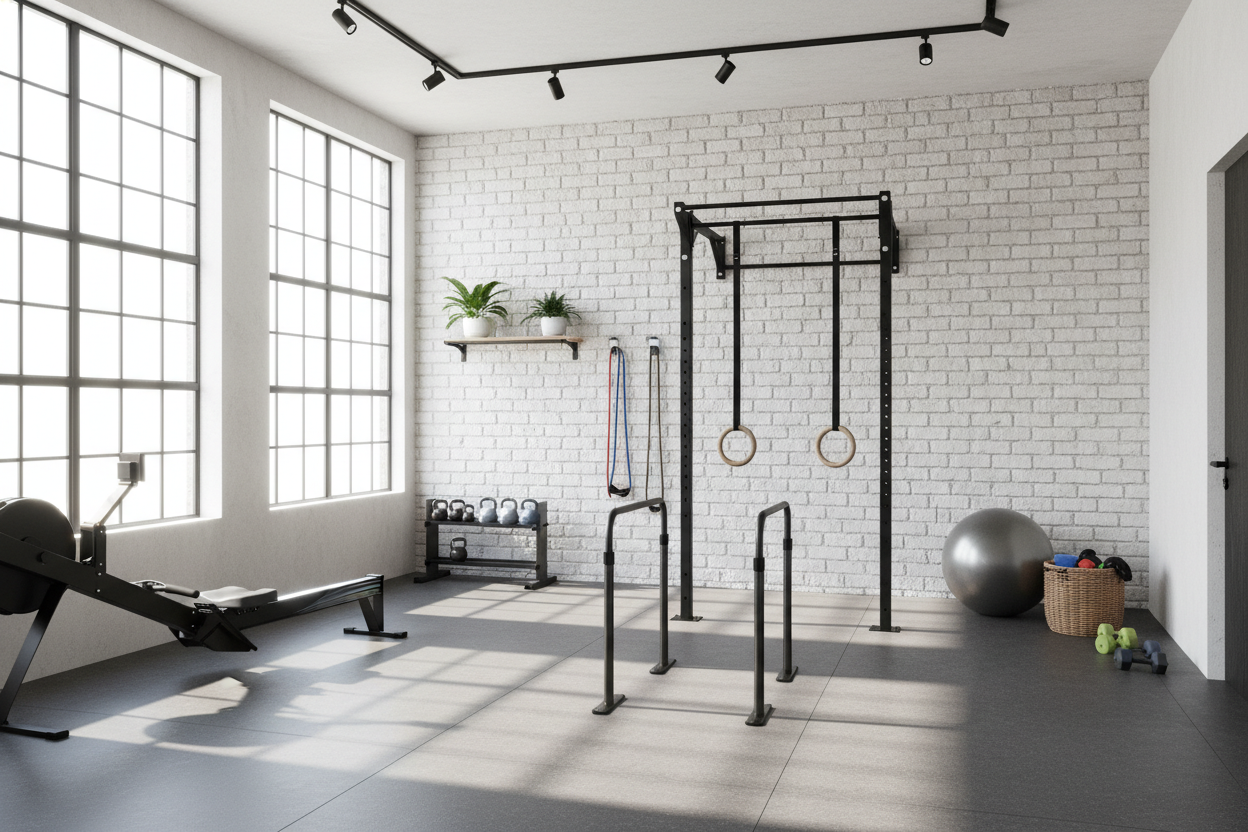
To make a weight free workout effective, you have to manipulate leverage. I relied heavily on deficit pushups and handstand holds against the wall. By increasing the range of motion and shifting my center of gravity, I was hitting fibers that my standard bench press usually skips over because I’m too busy focusing on moving the bar.
I found that using my Gxmmat Adjustable Weight Bench was essential for this. I wasn't using it for presses; I was using it for decline pushups and elevated pike presses. Setting the bench to a steep incline allowed me to shift my body weight onto my delts, mimicking a heavy overhead press without the spinal loading that usually makes my lower back act up.
Leg Day Without Iron is a Different Kind of Hell
I used to think the only way to build monster legs with the best free weight quad exercises was to load up five plates and pray. I was wrong. Pistol squats and Bulgarian split squats—done with a five-second eccentric—are a special kind of torture that heavy squats just can't replicate.
Without the barbell, I focused on deep, deep stretches at the bottom of every rep. My quads were under more constant tension than they ever were during a set of back squats where I’d occasionally 'rest' at the top. My balance improved, my hip mobility opened up, and my knees actually started feeling stable for the first time since I turned thirty. It turns out my stabilizers were weak as water.
How to Program a Weight Free Workout for Hypertrophy
Forget the clock. When you're training without iron, your tempo is your intensity. I moved to a 4-0-2-1 tempo: four seconds down, no pause at the bottom, two seconds up, and a hard one-second squeeze at the top. This turns a standard pushup into a grueling chest-destroyer that will leave you shaking on the floor.
I kept the volume high—about 15 to 20 sets per muscle group per week—but I took every single set to absolute failure. Since there’s no risk of getting pinned under a bar, you can safely push until your arms literally give out. That’s the secret sauce for hypertrophy when the heavy plates are off the table. If you're not failing, you're just playing around.
The Verdict: Returning to the Iron
After 30 days, I stepped back into the garage and loaded the bar. I expected to be weak. Instead, I felt explosive. My core stability was through the roof because I’d spent a month stabilizing my own body mass in space without a belt or a rack to lean on. I didn't lose a single pound of body weight, and my measurements stayed identical.
When I transitioned back, I cut my workout down to the best weight lifting exercises to ensure I didn't immediately reinjure my joints with junk volume. The experiment proved that weight-free training isn't just for beginners or people on vacation. It’s a legitimate tool for the battered garage gym veteran who needs to heal without losing his hard-earned mass.
FAQ
Can you really build muscle without weights?
Yes, but you have to stop doing 'easy' reps. You must choose variations that limit you to low rep ranges and focus on slow, controlled tempos to maximize mechanical tension on the muscle fibers.
Will I lose strength if I stop lifting heavy for a month?
You might lose a bit of the 'skill' of handling a heavy barbell, but your actual muscular force production stays high if you're doing difficult bodyweight movements like handstand pushups and pistols.
What is the hardest bodyweight exercise?
For most, it's the one-arm chin-up or the planche. For me, it was the slow-tempo pistol squat. It exposes every weakness in your ankles, hips, and core immediately and leaves nowhere to hide.