I Stopped Winging It: How to Exercise to Gain Weight at Home
I remember standing in my garage three years ago, staring at a pair of rusty 25-pound dumbbells and wondering why my ribs were still poking through my shirt. I was eating until I felt sick, but my 'workouts' were just a chaotic mess of push-ups and curls until I got tired. I was burning calories, not building muscle. Learning how to exercise to gain weight isn't about working harder; it's about working with a plan that forces your body to adapt.
Quick Takeaways
- Stop chasing a 'pump' and start chasing personal records in your logbook.
- Prioritize compound movements like squats, deadlifts, and presses over isolation work.
- Limit your training sessions to 45–60 minutes to avoid excessive caloric burn.
- Progressive overload is the only way to signal growth to a 'hardgainer' frame.
The Trap of 'Winging It' in the Garage Gym
The biggest mistake I see guys make in their home gyms is training by feel. They walk into the garage, look at their rack, and decide what to do based on what isn't sore. This 'winging it' approach is the fastest way to stay skinny. When you have a high metabolism, every movement you do has a caloric cost. If you're doing random high-rep circuits, you're essentially doing a form of heavy cardio. That’s great for a heart rate, but it’s a disaster for packing on mass.
Your body is stubborn. It doesn't want to carry extra muscle because muscle is metabolically expensive. To force it to grow, you need a specific, repeated stimulus. When you just do random movements to exhaustion, you're creating fatigue without creating the necessary tension for hypertrophy. You end up tired, sweaty, and exactly the same weight you were last month. I spent six months doing 'burnouts' and 'supersets' only to realize I hadn't added a single pound to my bench press or my frame.
What Workouts Help Gain Weight? (Hint: It's Not Curls)
If you want to move the scale, you have to move heavy objects. The best weight gain exercise is never going to be a lateral raise or a cable fly. You need movements that recruit the most muscle fibers and allow for the heaviest loading. We’re talking about the 'Big Four': Squats, Deadlifts, Overhead Presses, and Rows. These movements trigger a systemic hormonal response that tells your entire body to get bigger.
When I finally switched to a low-volume, high-intensity strength program, my weight finally started to budge. Instead of doing ten different exercises for my chest, I focused on getting my bench press from 135 to 225. I learned How I Use Heavy Exercise to Weight Gain Without Getting Soft by keeping my rest periods long enough to recover for the next heavy set. This kept the focus on mechanical tension rather than metabolic stress. You want your muscles to grow because they have to, not because they’re 'pumped' with blood for an hour.
Your Blueprint: Building a Weight Gain Exercise Chart
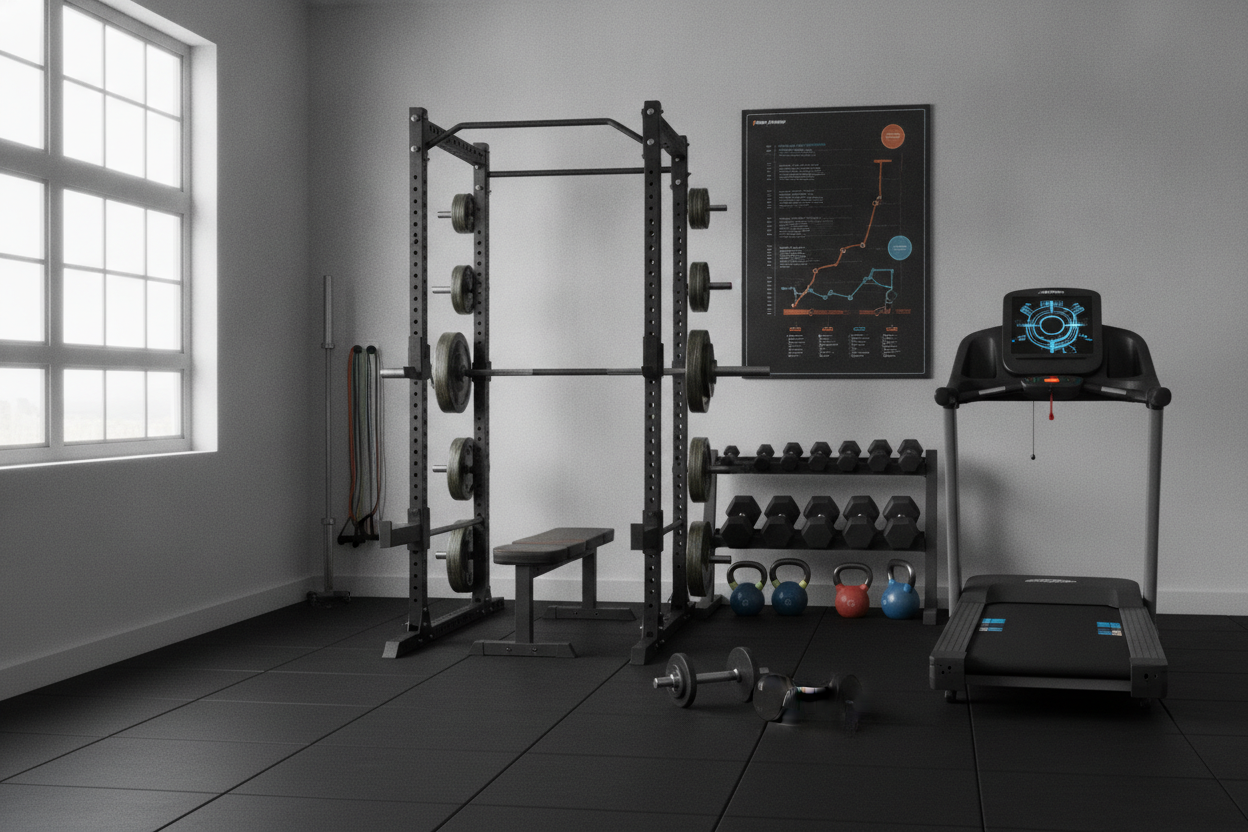
If you aren't writing down your lifts, you're just playing with weights. A rigid weight gain exercise chart is your most important piece of equipment. You need to know exactly what you lifted last Tuesday so you can try to beat it by 2.5 or 5 pounds this Tuesday. This is progressive overload. Without it, your body has no reason to build new muscle tissue.
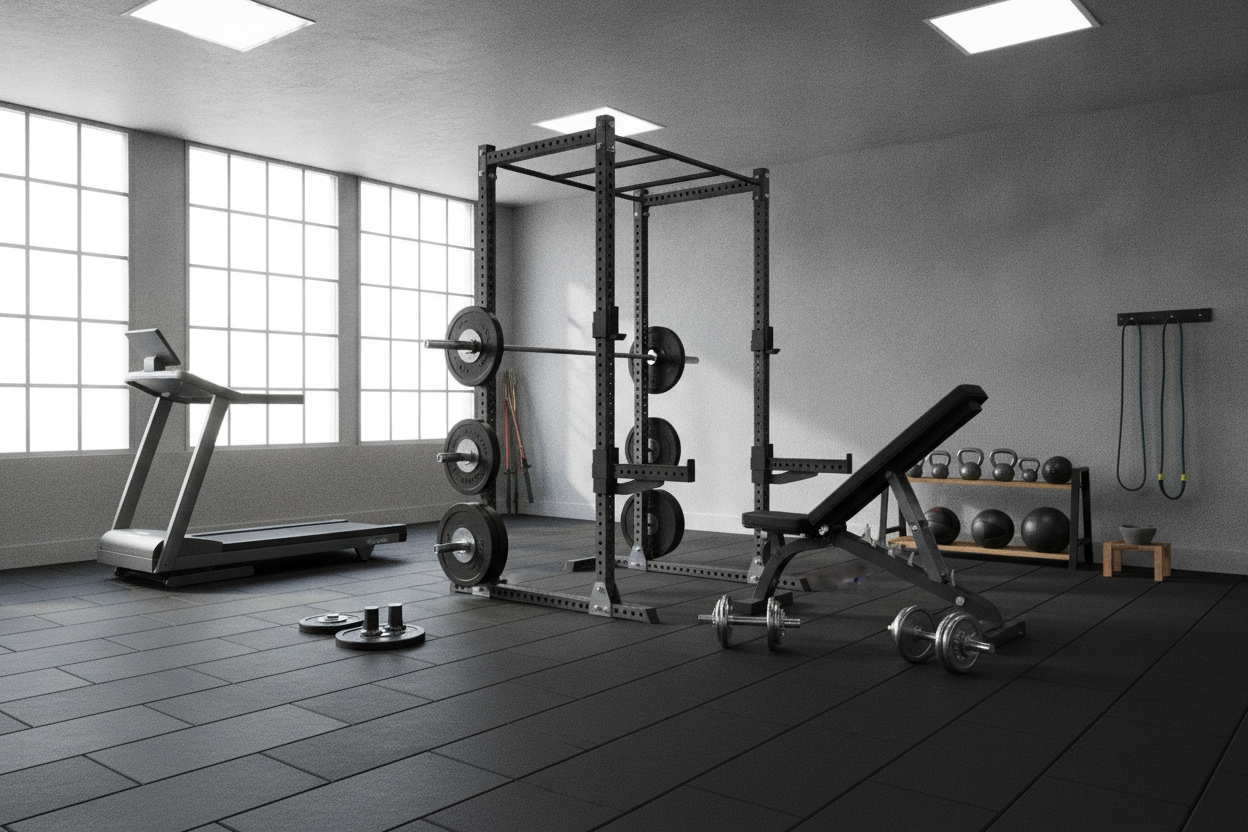
I recommend a simple A/B split performed three days a week. Workout A could be Squats, Bench Press, and Rows. Workout B could be Deadlifts, Overhead Press, and Pull-ups. For a home setup, the Gxmmat X6 Power Rack Weight Bench Package is a solid foundation because it allows you to perform these big movements safely without a spotter. You need that safety to push close to failure. Your exercise chart for weight gain should track the weight, the reps, and the sets. If you hit 3 sets of 5 reps at 155 lbs, you must go to 160 lbs next time. No exceptions.
Finding the Best Weight Gain Exercise for Your Frame
Not everyone is built to back squat with a straight bar. If you have long femurs, a traditional back squat might just beat up your lower back without hitting your quads. The best weight gain exercise is the one you can perform with perfect form while adding weight consistently. For some, that’s a Front Squat; for others, it’s a Bulgarian Split Squat.
The same applies to your upper body. If flat benching hurts your shoulders, don't do it. Use a Gxmmat Adjustable Weight Bench to find an incline angle that allows you to press heavy without joint pain. The goal is to load the muscle, not the joint. I found that a slight 15-degree incline felt much more natural for my long arms than a flat bench, and my chest finally started filling out once I made the switch. Listen to your biomechanics; don't force a movement just because a 'pro' does it.
Why Fewer Gym Exercises to Gain Weight Actually Works
It sounds counter-intuitive, but doing fewer gym exercises to gain weight is usually the secret for hardgainers. When you do 12 different exercises in a session, you're spreading your recovery thin. You might have the energy to do the first three movements with high intensity, but by exercise seven, you're just going through the motions. This junk volume adds to your caloric deficit without adding to your growth signal.
I’ve seen better results from guys doing three heavy exercises than guys doing three-hour 'marathon' sessions. If you focus all your energy on a heavy row and a heavy press, you can push those movements to the limit. I often point people toward high-quality Weight Lifting Machines if they struggle with the stability of free weights, as it allows them to truly reach failure on the target muscle without their core giving out first. Strip away the fluff and master the basics.
What If the Upper Body Grows, But the Lower Body Stalls?
Most hardgainers suffer from 'chicken leg' syndrome because leg training is hard and uncomfortable. If your how to gain weight workout is all benching and curls, you're missing out on the biggest muscle groups in your body. Your glutes and quads have the highest potential for mass. If your legs are stalling, it’s usually because you’re not pushing the intensity high enough or you're overtraining them with too much volume.
You have to balance your weight gain exercise chart so your legs get heavy stimulus early in the week when you’re fresh. If you’ve tried everything and your legs still won't grow, you might need a different perspective. I've read some interesting takes on How To Gain Weight In Legs Without Exercise The Honest Guide which highlights how daily activity and caloric density play a role, but for pure size, nothing beats a heavy set of five on the squat rack. Don't skip leg day just because it's the hardest day of the week.
Personal Experience: My Biggest Mistake
The biggest mistake I ever made was thinking I could out-train a bad logbook. I spent a full year 'training hard' but never actually getting stronger. I would go into my garage, put 135 on the bar, and do it for 10 reps every single week. I thought the sweat meant I was growing. It wasn't until I bought a $5 notebook and forced myself to add weight every single session that I actually gained 15 pounds of lean mass. If you don't track it, you won't grow it. It's that simple.
FAQ
What is the absolute best weight gain exercise?
The Barbell Back Squat. It uses the most muscle mass, allows for the most weight to be moved, and creates the strongest growth signal in the body. If you can't squat, the Deadlift is a close second.
How many days a week should I work out to gain weight?
Three to four days is plenty. Hardgainers need more recovery time than they think. If you train six days a week, you're likely burning too many calories and not giving your muscles time to repair and grow.
Can I gain weight using only dumbbells?
Yes, but it's harder to progress. You'll eventually run out of heavy enough dumbbells. A barbell and a rack are much better for long-term weight gain because you can micro-load with small plates.
Should I do cardio if I'm trying to gain weight?
Keep it minimal. A 20-minute walk for heart health is fine, but avoid long-distance running or high-intensity intervals that will put you in a deeper caloric deficit while you're trying to bulk.