I Stopped Hauling Junk: Real Fitness Equipment for Trainers
I remember my first year as a traveling coach. I had three different styles of foam rollers and a bag of 'agility' ladders that literally never left my trunk. I was spending twenty minutes of every hour just unloading plastic junk that did nothing for my clients' deadlifts. If you're tired of your car smelling like cheap rubber and your sessions feeling like a logistics nightmare, it is time to audit your fitness equipment for trainers.
Real coaching isn't about having the flashiest kit; it's about having gear that actually survives being tossed into a trunk at 5:00 AM and dragged across a parking lot. I've broken enough plastic-dial dumbbells and snapped enough thin 'mini-bands' to know what actually pays the bills. Here is the gear that actually survives the grind.
- Prioritize multi-use tools like suspension trainers and kettlebells.
- Avoid anything with plastic moving parts if you're training outdoors.
- Invest in high-tension resistance bands for easy portability.
- Keep a physical stopwatch to stay off your phone during sessions.
The Brutal Reality of Training Clients Out of Your Trunk
Most trainers overpack because they're insecure about their programming. They think if they don't have a full cable crossover machine, the client won't see the value. That's a lie. Your value is your eye for movement and your ability to drive intensity with minimal tools. Lugging a mountain of personal training tools into a client's driveway just eats into your billable time.
I’ve learned the hard way that if it takes more than two trips to the car, you're doing it wrong. Mobile personal training equipment needs to be rugged and modular. If it can't handle a rainy park session or a dusty garage floor, it doesn't belong in your personal trainer gear rotation. You want to spend your energy coaching, not untangling a mess of 12-inch bands and plastic hurdles.
The Bare-Bones Personal Trainer Equipment Starter Kit
If I had to start over tomorrow with nothing but a sedan, my personal trainer starter kit would fit in a single heavy-duty duffel. You don't need a fleet of machines. You need items that allow you to push, pull, squat, and hinge with varying resistance. Think about the ROI of every square inch in your trunk. When you're building out a mobile studio guide for your own business, focus on the big movers first.
A solid personal training kit starts with tension and leverage. You need something for the client to pull against and something heavy to pick up. Everything else—the ladders, the cones, the vibrating massage balls—is just noise. Stick to the stuff that allows you to scale a workout for a 70-year-old grandmother or a high school athlete without swapping out your entire inventory.
Suspension Trainers: Your Mobile Anchor Point
A high-quality suspension trainer is the undisputed king of mobile personal training equipment. Whether it's a TRX or a set of heavy-duty gymnastic rings with adjustable straps, this is how you train the posterior chain without a pull-up bar. You can anchor it to a door, a tree limb, or a playground swing set.
I prefer rings for the grip challenge, but a TRX is faster to set up for general clients. Look for one with locking carabiners and thick webbing. If the handles feel like cheap foam, they’ll be shredded within three months of outdoor use. This single tool replaces an entire rack of row machines and core equipment while weighing less than three pounds.
The Heavy Implement Debate: Adjustable Dumbbells vs. Kettlebells
I get the appeal of adjustable dumbbells. Having 5 to 50 lbs in one handle sounds great until you drop one on a concrete driveway and the internal plastic mechanism shatters. For traveling personal trainer equipment, I will take two high-quality kettlebells over a pair of adjustables every single time. A 16kg (35lb) and a 24kg (53lb) bell can cover about 90% of your strength needs.
Kettlebells are indestructible. You can toss them, swing them, and leave them in a hot trunk without worrying about them breaking. If you're buying reliable, cast-iron strength equipment, you're making a ten-year investment. A pair of bells allows for goblet squats, overhead presses, and the most efficient conditioning tool known to man: the swing. They don't rattle, they don't jam, and they don't fail when a client gets sweaty and loses their grip.
Cheap Personal Trainer Must Haves That Deliver Huge ROI
Not every piece of personal trainer supplies needs to cost three figures. Some of my most-used gear consists of versatile strength training accessories that weigh almost nothing. Heavy-duty 41-inch loop bands are essential for adding resistance to push-ups or assisting with split squats. I also swear by furniture sliders for lunges and core work on carpet or hardwood—they're cheap, effective, and take up zero space.
One non-negotiable for me is a dedicated physical stopwatch. Using your phone for timing makes you look like you're checking Instagram while your client is suffering through a plank. A real timer shows you're professional and focused. Toss these small items into a small mesh bag inside your main duffel to keep your traveling personal trainer equipment organized and professional.
Gear to Avoid: What Not to Put in Your Bag
Avoid anything 'as seen on TV.' If it has a lot of hinges, springs, or proprietary attachments, it’s going to fail you. Those flimsy 'booty bands' that come in packs of five usually snap after three sessions. Agility ladders are mostly a waste of time unless you’re specifically training footwork for field sports—otherwise, they’re just a trip hazard that takes five minutes to flatten out.
Also, skip the heavy medicine balls if you have a small car. They’re bulky, they roll around your trunk like a loose cannon, and you can get the same metabolic effect with a kettlebell. If it doesn't have at least five different uses, it doesn't deserve a spot in your mobile personal training kit.
Graduating from the Trunk to a Real Space
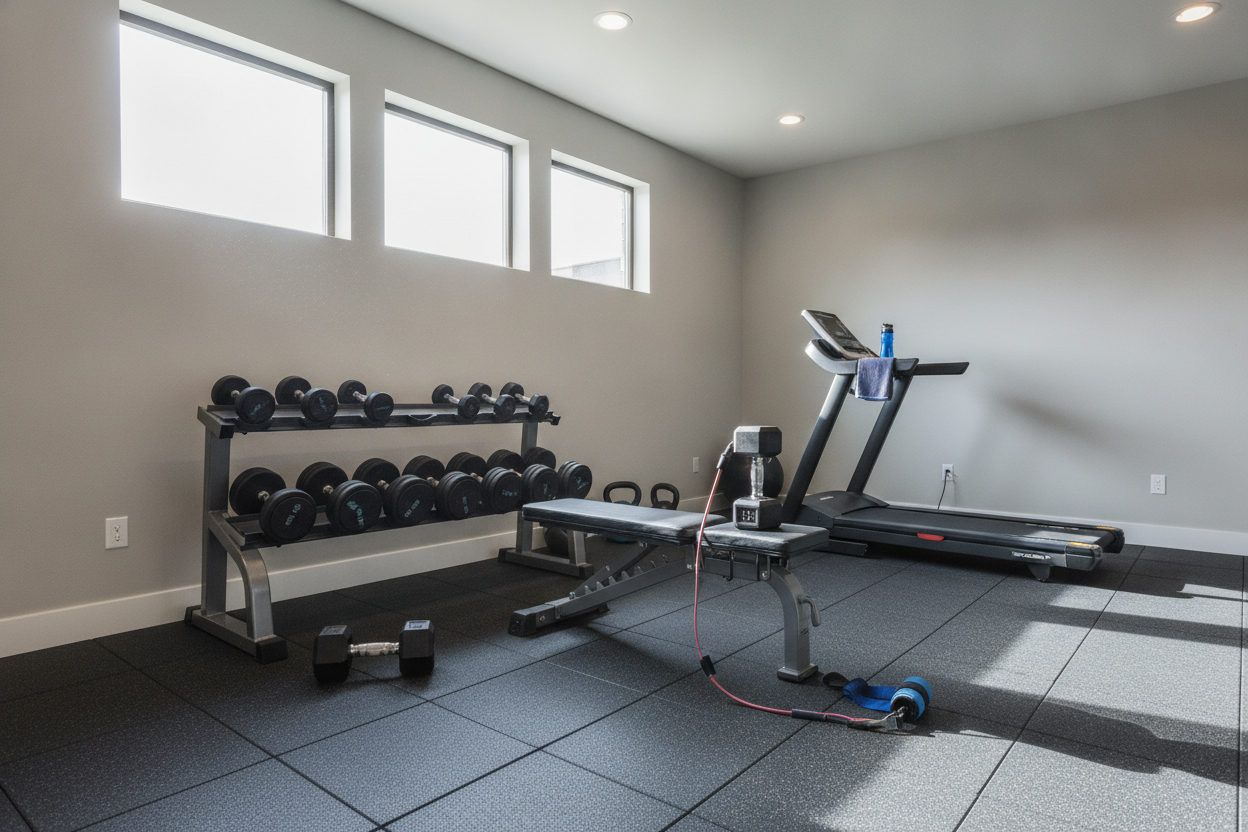
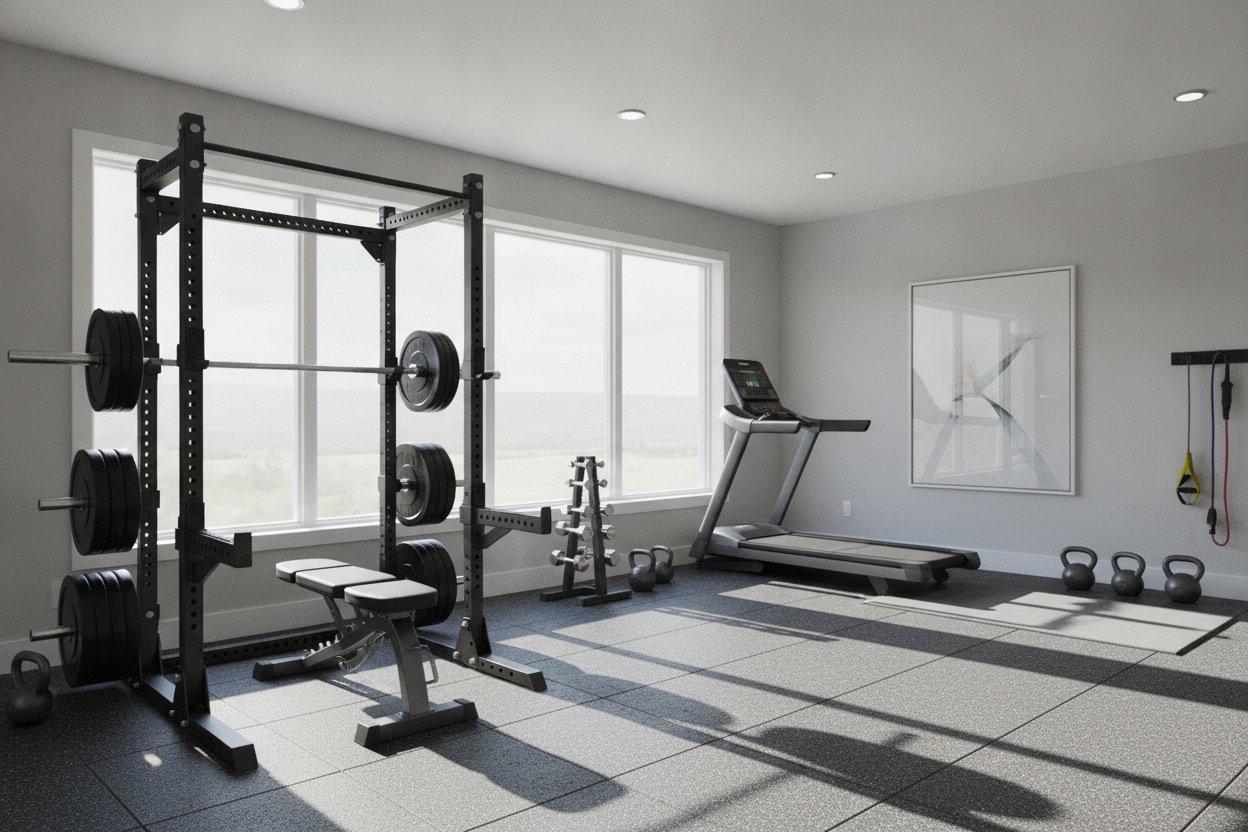
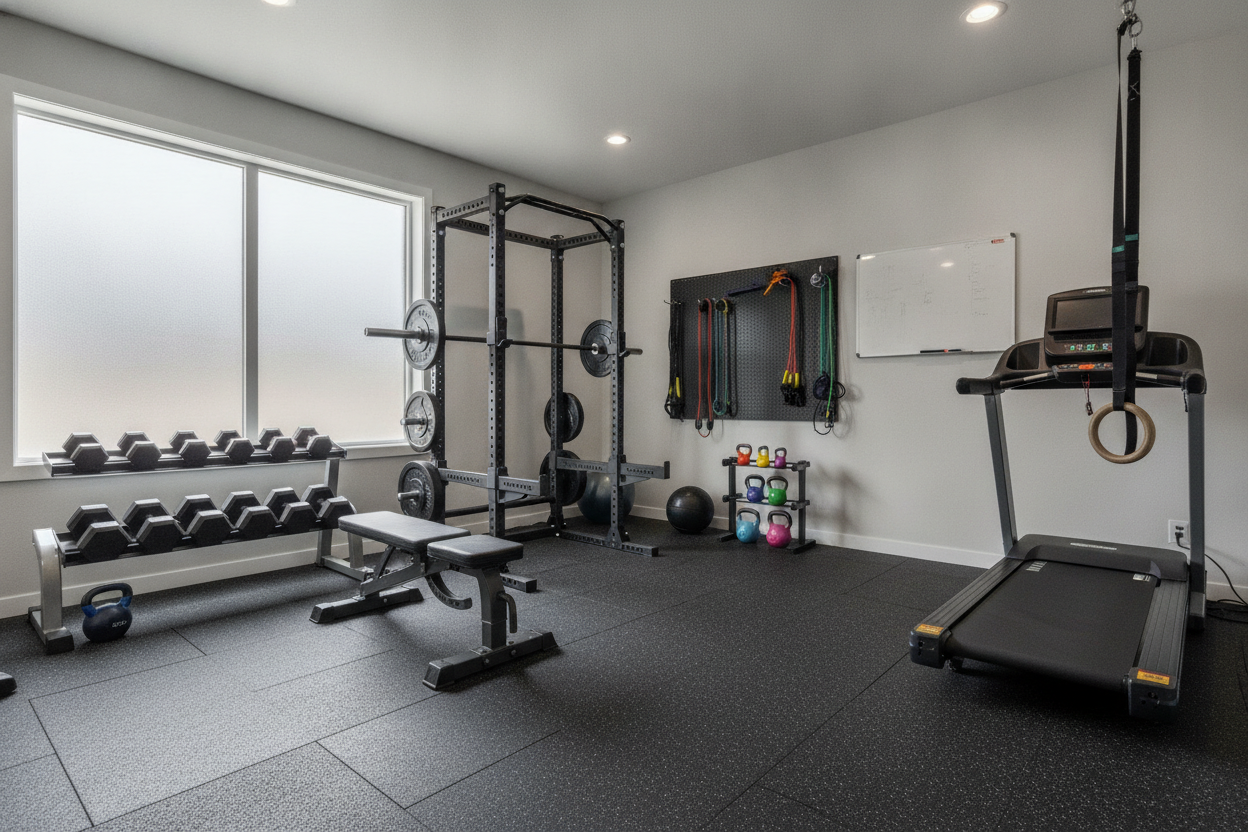
Eventually, you’ll get tired of the commute. You'll want a place where the floor is always level and you don't have to worry about the weather. Moving from a personal trainer starter kit to a dedicated personal trainer home gym setup is the natural progression. It allows you to invest in a real power rack and a barbell—the ultimate tools for strength.
But even when you have a permanent home base, keep that mobile kit ready. Being the trainer who can show up anywhere with a 'gym in a bag' is a massive competitive advantage. It keeps you versatile, keeps your overhead low, and ensures you can always deliver a brutal session, no matter where the client is.
FAQ
What’s the best way to carry all this gear?
Get a massive, oversized duffel with a reinforced bottom. I use a 100-liter expedition bag. It fits two kettlebells, my rings, bands, and a change of clothes. If it doesn't have backpack straps, your shoulders will hate you by the third client of the day.
How many kettlebells do I really need for mobile training?
Two is the sweet spot. A 16kg (35lb) for your general population clients and a 24kg (53lb) for your stronger ones. You can do almost anything with those two weights by adjusting tempo and reps.
Should I buy a portable bench?
Usually, no. They’re a pain to haul and most clients have a sturdy chair or a couch you can use for step-ups or split squats. If you really need an incline, use the environment—park benches and curbs are free.