I Stopped Doing 'Leg Day' When Weight Lifting for Legs at Home
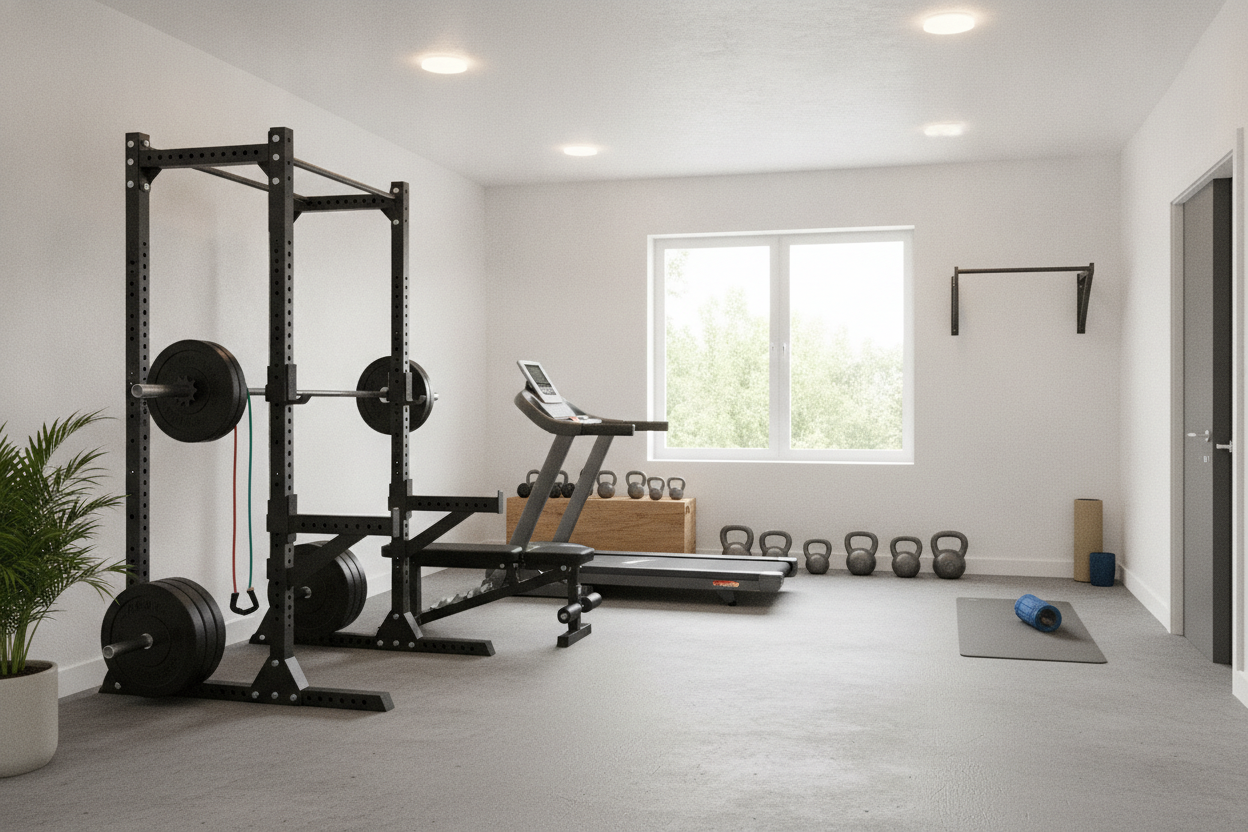
I used to spend ninety minutes every Tuesday crawling between the leg press and the squat rack at my local big-box gym. When I finally moved my training to the garage, I tried to replicate that same brutal session with a pair of 50-pound dumbbells and a bench. It was a total disaster. Weight lifting for legs at home requires a fundamental shift in how you think about intensity, equipment, and recovery.
Quick Takeaways
- Frequency beats volume when you have limited weight.
- Short, 20-minute sessions prevent form breakdown and CNS fatigue.
- Unilateral (single-leg) movements maximize light weights.
- A high-traction floor is non-negotiable for heavy split squats.
The Commercial Gym 'Leg Day' Doesn't Work in Your Living Room
Most home lifters make the mistake of trying to cram a pro-bodybuilder’s volume into a single session. If you are just starting your introduction to weight lifting, do not fall into the trap of the 'once-a-week' leg gauntlet. In a commercial gym, you have machines to support your spine when you're tired. At home, you’re often balancing dumbbells or a barbell while your stabilizers are screaming.
By the 40-minute mark of a home session, your form usually turns into a dangerous mess. Weight training legs at home shouldn't be an endurance contest. When you try to do too much at once with limited gear, you end up doing 'junk volume'—sets that don't build muscle but definitely increase your injury risk. I learned this the hard way after a month of lower back tweaks.
Why Frequency Beats Volume When Your Weights Are Light
If you only have a few sets of plates, you'll eventually hit a ceiling where the weight just isn't heavy enough to trigger growth through low reps. This is where frequency becomes your secret weapon. Spreading your sets across three days allows you to hit the muscle fresh every time. This is the smartest way of scaling past equipment limits without needing to buy a 500-pound plate set.
By performing the best weighted leg exercises three times a week in smaller doses, you keep protein synthesis spiked. Instead of one massive day where you run out of gas, you get three high-quality windows of growth. I found that my squats actually felt heavier and more effective when I wasn't already exhausted from five other exercises. It’s about quality over survival.
My 3-Day Micro-Session Blueprint
My current schedule is built around 25-minute windows. I don't do 'leg day' anymore; I do 'leg moments.' This approach keeps my energy high and my motivation from cratering. I focus on one specific movement pattern per session and move on with my life.
Session 1: Quad-Focused Grinds
Monday is all about the quads. I start with elevated heel goblet squats. I use a small wedge or a 10-lb plate under my heels to shift the load entirely onto the thighs. I follow this with slow eccentric split squats—taking a full four seconds to descend. This time-under-tension makes a 40-lb dumbbell feel like a 100-lb barbell.
Session 2: The Hamstring and Glute Hinge
Wednesday focuses on the posterior chain. I stick to Romanian Deadlifts (RDLs) and weighted good mornings. The goal here is the deep stretch. Since I'm not trying to hit a 1-rep max, I focus on the mind-muscle connection. If you can't feel your hamstrings burning with a moderate weight, your form is likely off.
Session 3: Machine Finishers and Burnouts
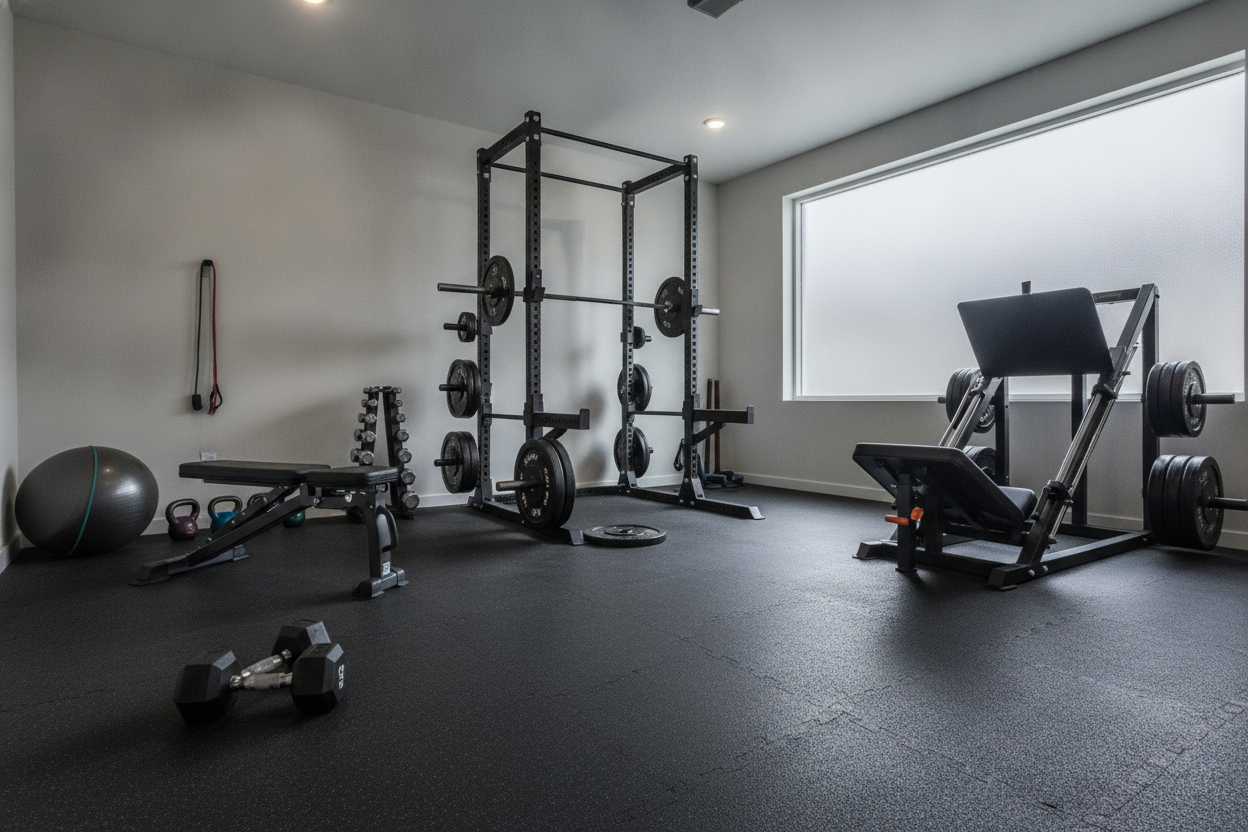
Friday is about isolation. While I love free weights, adding just one or two compact weight lifting machines like a leg extension or curl unit changed everything for me. It allows me to hit absolute failure on my quads and hams without my lower back or grip being the limiting factor. It’s the perfect way to wrap up the week’s volume.
The Friction Problem (And Why You Keep Slipping)
High-frequency training means you are doing a lot of unilateral work, like lunges and split squats. I spent my first winter sliding around on a dusty concrete floor, and my knees paid the price. Every time my back foot slipped, my hip would take a weird jolt. You cannot train legs effectively if you are worried about your feet sliding out from under you.
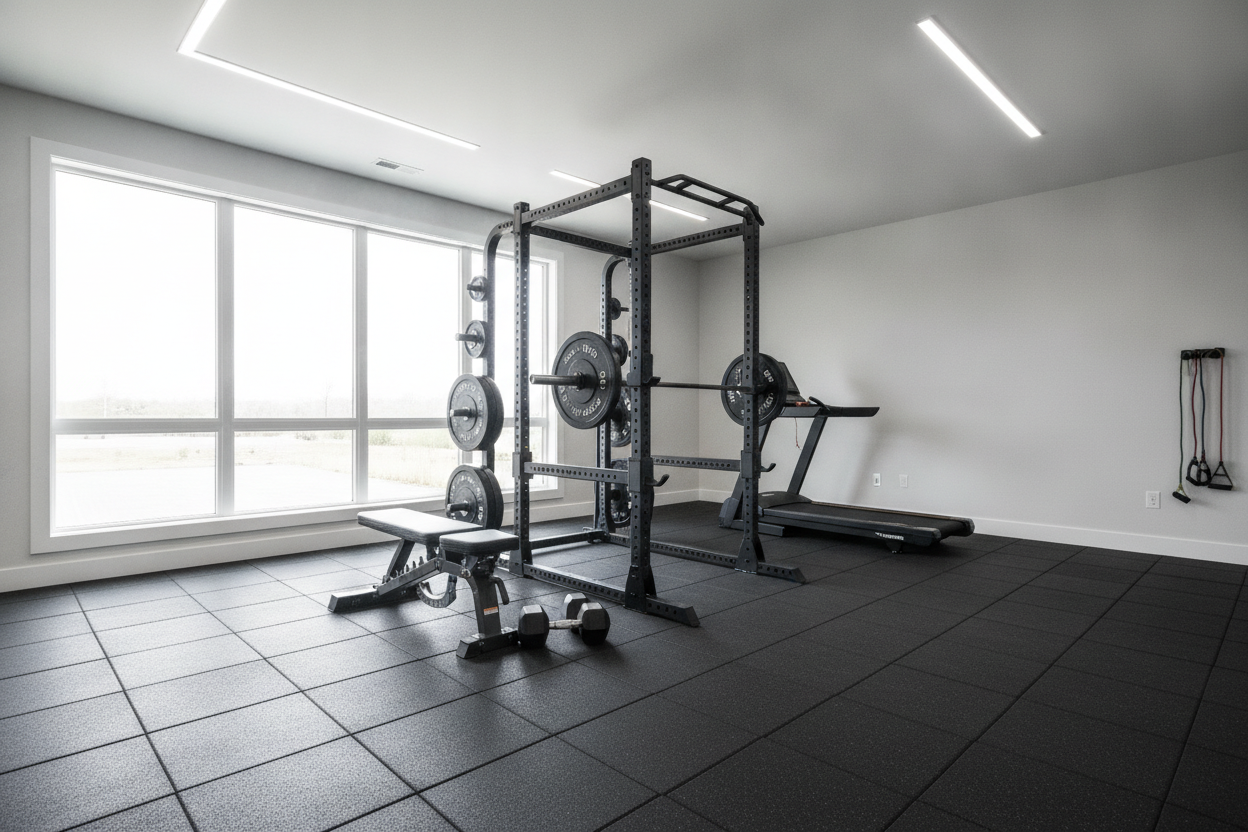
I finally invested in a dedicated 6x8ft exercise mat to create a permanent lifting zone. The grip is night and day compared to bare concrete or cheap interlocking foam tiles. Having a high-traction surface allows you to drive through your mid-foot with confidence. If you're serious about training legs at home, stop lifting on carpet or slick floors immediately.
FAQ
Do I need a squat rack for home leg workouts?
Not necessarily. While a rack is great, you can build massive legs using dumbbells, Bulgarian split squats, and high-rep goblet squats. Focus on unilateral movements to double the effective weight of your dumbbells.
Is 20 minutes really enough to see growth?
Yes, provided you keep the intensity high. If you are training a muscle group 2-3 times a week, 20 minutes of hard, focused sets is more than enough stimulus for hypertrophy without burning out your central nervous system.
How do I know if I'm training hard enough?
If the last two reps of every set feel like your form might break, you're in the right zone. Since you're at home, you don't have a spotter, so use slow tempos and pauses to increase intensity rather than just adding dangerous amounts of weight.