I Stopped Counting Macros and Switched to Real Lifting Food
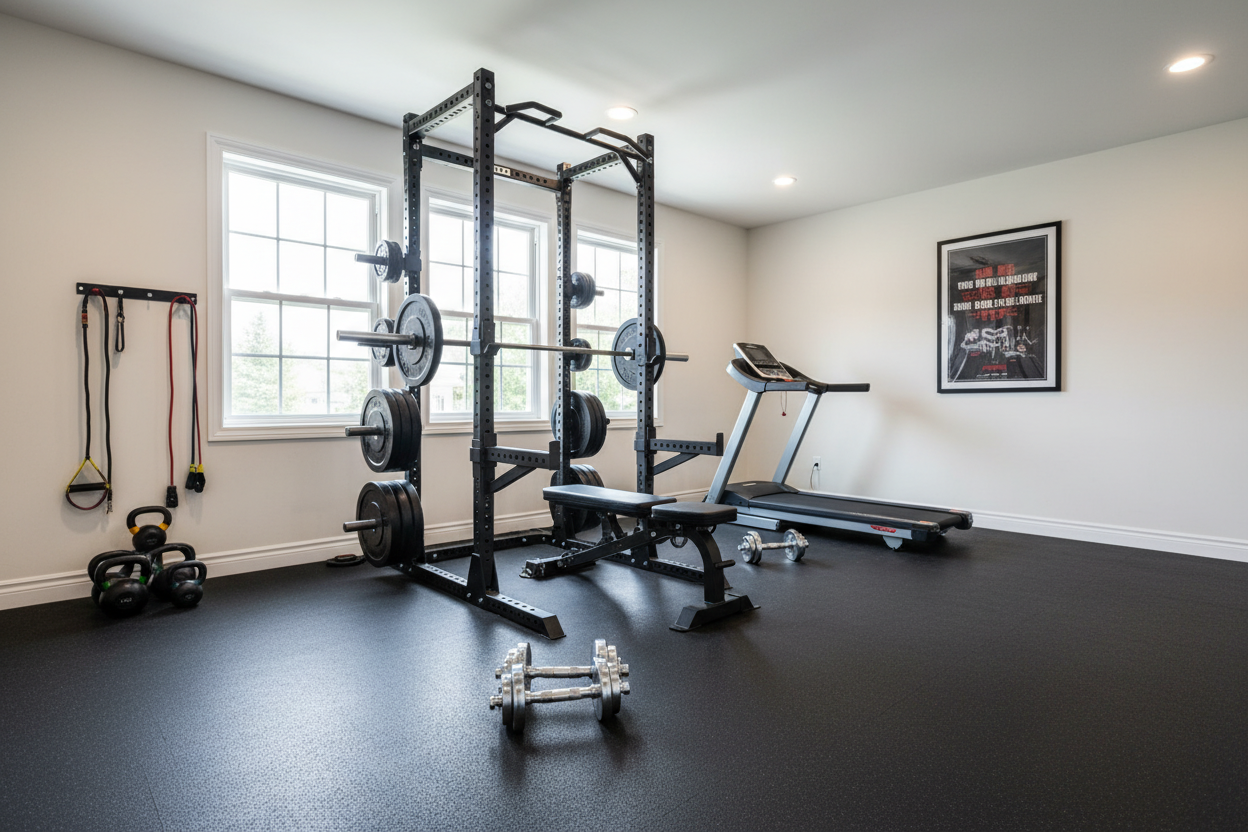
I used to be the guy who wouldn't eat a single almond without scanning the barcode into a spreadsheet. I spent more time obsessing over my macro ratios than I did actually training in my garage. My phone was full of alerts, my kitchen was full of half-empty supplement tubs, and my strength? It was plateauing harder than a budget treadmill on its last legs. I finally got fed up, deleted the tracking apps, and went back to basics: eating real lifting food that actually fuels a heavy session.
- Focus on Density: Prioritize calorie-dense staples over high-volume 'diet' foods.
- Carbs are Fuel: Don't fear white rice or potatoes; they are your primary energy source for heavy sets.
- Consistency Over Precision: Eating enough every day is better than being 'perfect' three days a week.
- Sodium is Key: Don't be afraid to salt your food; it helps with muscle contractions and pumps.
The Problem With the 'Fitness Industry' Diet
The industry wants you to believe that you can't grow without a specific blend of hydrolyzed whey and expensive BCAAs. It is a lie designed to keep you buying plastic tubs. Most guys I see in the home gym community are failing to grow not because they lack the right 'optimization,' but because they aren't eating enough weightlifting foods to eat. They're trying to build a skyscraper with a handful of bricks.
When you're training in a cold garage, moving hundreds of pounds, your body doesn't want a 120-calorie protein shake; it wants a massive bowl of beef and rice. If you're constantly tired and your lifts are stalling, you're likely under-fueled. Stop looking for a magic powder and start looking at your grocery cart. Real food has a thermogenic effect and micronutrient profile that no lab-made shake can replicate.
What Exactly Counts as Real Lifting Food?
Real lifting food is unglamorous. It’s the stuff that comes in bulk bags and family packs. We are talking about 80/20 ground beef, whole eggs, jasmine rice, and oats. These are the foods to eat when weight lifting because they are easily digestible and provide a steady stream of energy. I switched from lean chicken breast to 80/20 beef and saw my recovery time drop almost immediately. The extra fat is crucial for hormonal health when you're pushing your limits.
You also need to realize that food to eat when weight training needs to be sustainable for your wallet. You can't sustain a growth phase on $20-a-pound ribeye. Stick to the staples. If you aren't seeing the scale move, you aren't eating enough of these basics. Of course, all this fuel is useless if you aren't actually pushing the right loads, so make sure you're finding the right weights for strength training before you blame your diet for a lack of progress.
Fueling the Engine: What to Eat When Strength Training
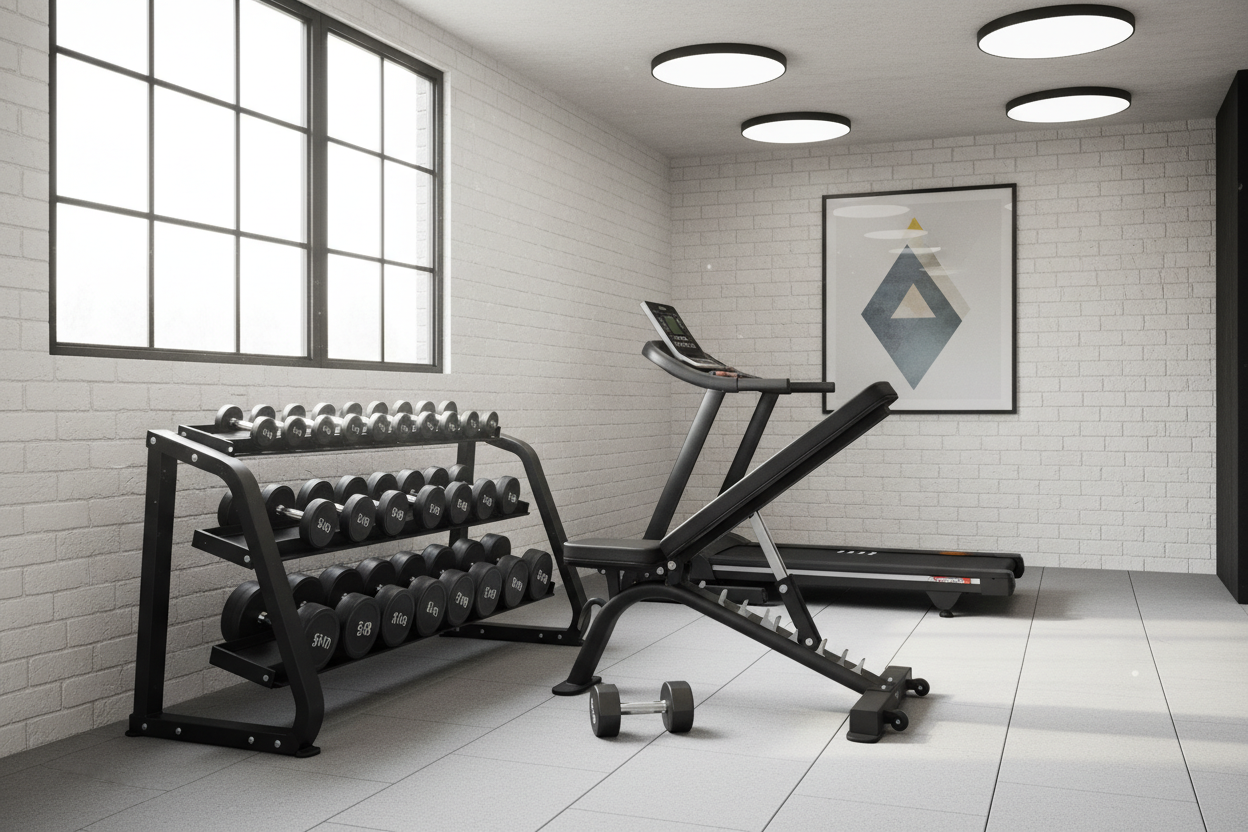
Pre-workout nutrition shouldn't come from a neon-colored bottle. If you want a real pump and sustained energy, eat a bowl of white rice with honey and a generous pinch of sea salt about an hour before you hit the weights. This is exactly what to eat when strength training because it provides fast-acting glucose without sitting heavy in your gut. I’ve found that having a belly full of easily digestible carbs helps stabilize your core when you're grinding out heavy presses on your Gxmmat Adjustable Weight Bench.
What to eat while weight training is mostly about what you ate before you started. If you're sipping on expensive intra-workout carbs but skipped breakfast, you're doing it wrong. Focus on that pre-workout meal. Salt is your best friend here—it maintains blood volume and prevents those mid-session cramps that can ruin a heavy leg day.
The Post-Workout Window is a Myth (But You Still Need to Eat)
You don't need to chug a shake within 30 seconds of your last set or risk 'losing your gains.' The anabolic window is more like a large barn door that stays open for hours. When considering how to eat when weight lifting, focus on your total daily intake. If you hit your protein and calorie goals by the time you go to bed, you're winning.
However, how to eat when weight training effectively means getting a solid meal in within two hours of finishing. I usually go for a large bowl of cereal with whole milk or a massive plate of pasta and meat sauce. It’s easy to eat, high in calories, and refills the glycogen you just burned off on the platform. Don't overthink the timing; just make sure the food gets in.
Building Your Budget Grocery List for Mass
Building a physique shouldn't require a second mortgage. When you're deciding what to eat for strength training, think about 'bang for your buck.' My weekly list is almost always the same: 5 lbs of ground beef, two dozen eggs, a giant bag of rice, a few boxes of pasta, and bananas. It is boring, but it works. It’s the consistency of these nutrients that builds tissue over time.
Whether you're pulling heavy barbells or doing isolation work on weight lifting machines, your body requires a caloric surplus to repair the damage you've done. If you're eating like a bird, you'll stay the size of one. Stop buying the 'pre-cut' or 'organic-infused' versions of things. Buy the raw ingredients, cook them in bulk, and eat until you’re actually full. That is the secret 'supplement' nobody wants to sell you.
My Honest Mistake: The 'Clean' Eating Trap
A few years back, I tried to do a 'clean bulk.' I was eating nothing but tilapia, sweet potatoes, and asparagus. I was miserable, I was gassy, and I didn't gain a single pound of muscle in four months. I was so afraid of 'fat' that I wasn't giving my body the energy it needed to actually recover from heavy squats. The second I added red meat and white rice back into my life, my strength exploded. Don't be afraid of calories; you need them to move heavy iron.
FAQ
Do I really need to eat red meat?
You don't 'need' it, but it's the most efficient lifting food there is. It's packed with creatine, B-vitamins, and zinc. If you're a vegetarian, you'll just have to work twice as hard with beans and supplements to get the same profile.
Is white rice better than brown rice for lifters?
For most of us, yes. White rice is easier on the digestive system. When you're eating 3,000+ calories a day, you don't want the extra fiber from brown rice making you feel bloated and sluggish during your workout.
How many meals should I eat a day?
Total calories matter most, but 3 to 4 large meals are usually easier to manage than 6 small ones. It also keeps you from feeling like you're constantly washing dishes.