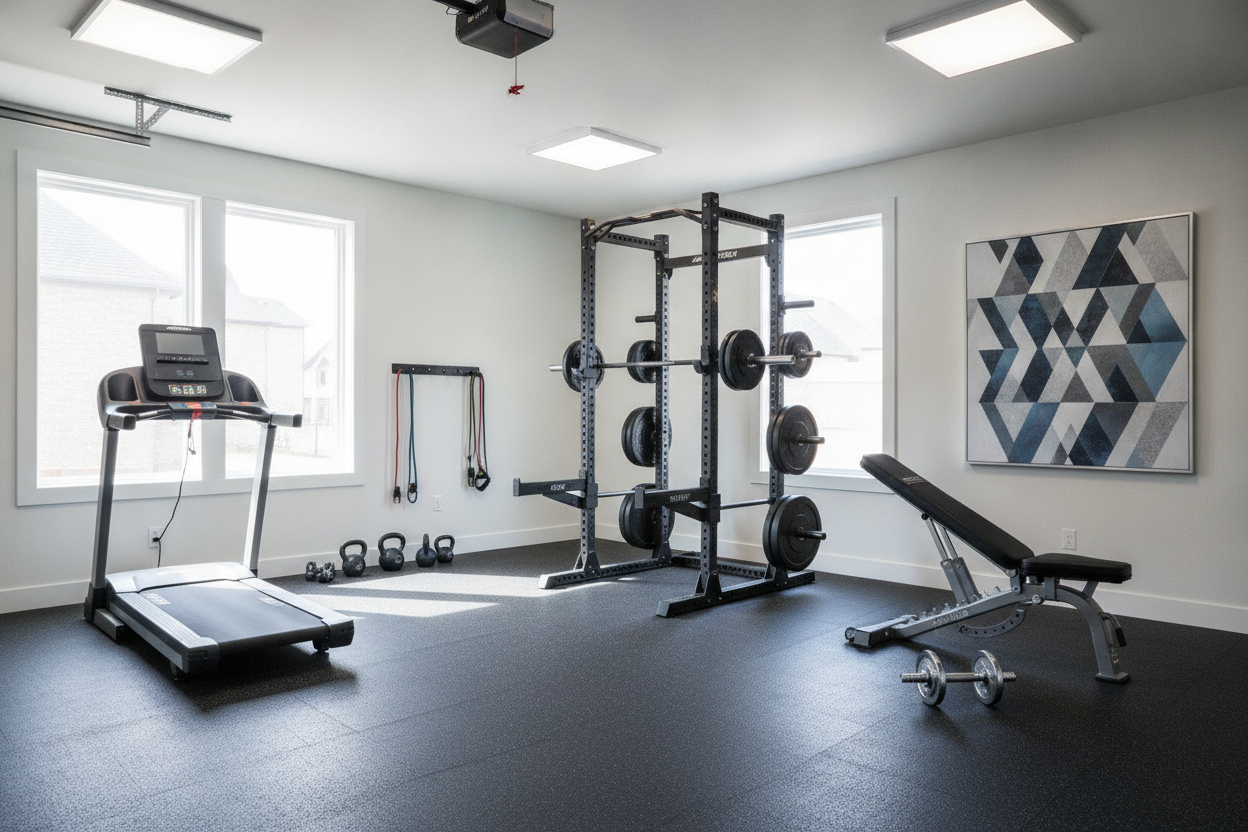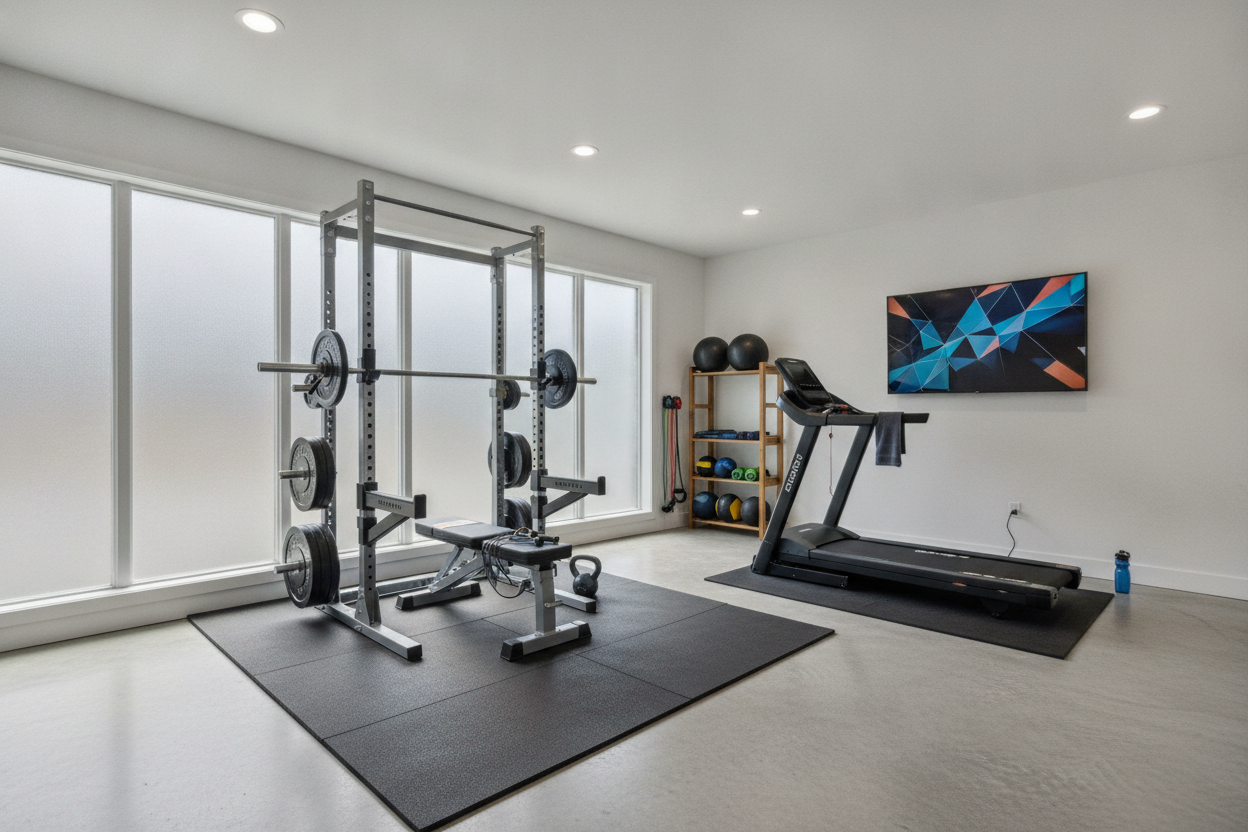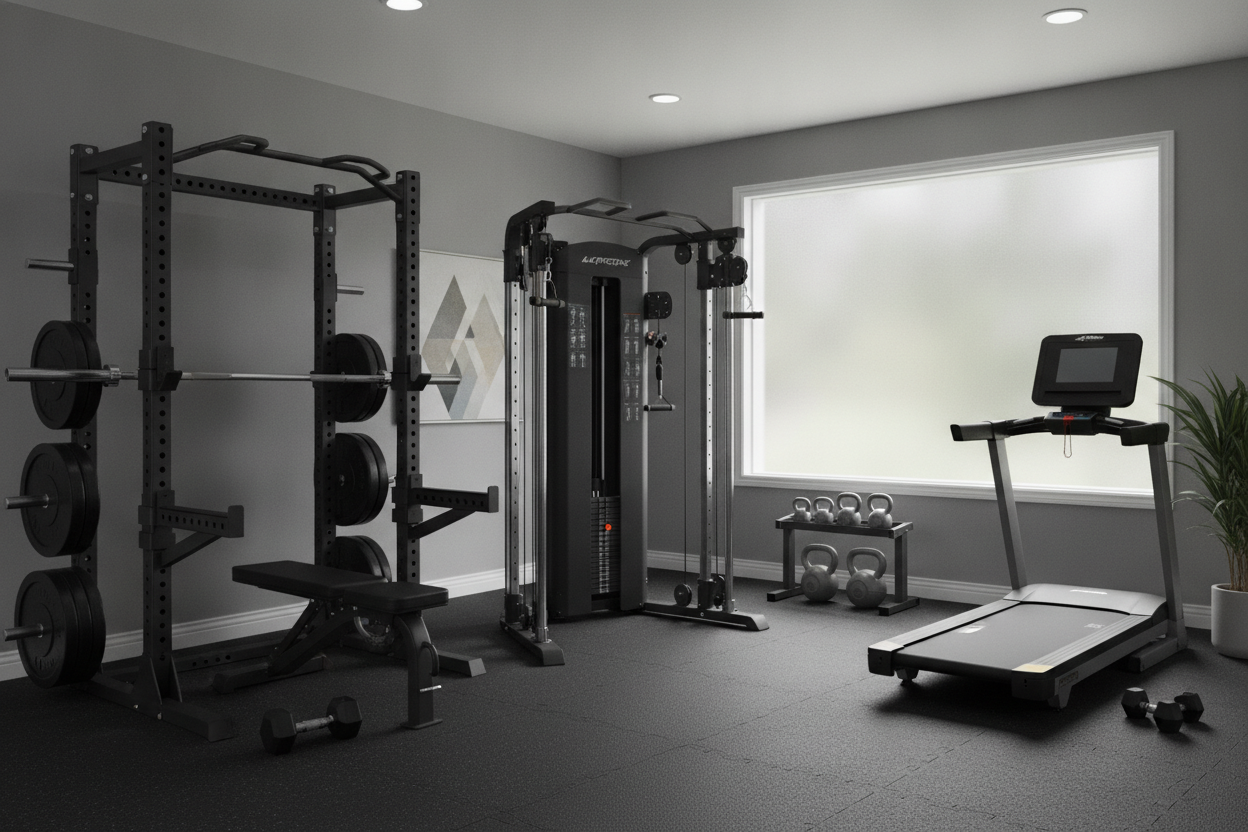
I Spent 5 Years Looking for the Best Exercise Machine for Home
I remember my first attempt at a home gym. It was a $150 fold-up bench and a set of cement-filled weights that leaked gray sand onto my carpet every time I did a chest press. I thought I was being savvy, but I was just buying future trash. Since then, I’ve spent five years cycling through gear, trying to find the best exercise machine for home that doesn't end up as a glorified laundry rack.
The reality is that most residential gear is built for a catalog, not a heavy training session. I’ve owned the infomercial gliders, the shaky budget ellipticals, and the 'all-in-one' units that take four hours to assemble and five minutes to regret. After thousands of dollars and dozens of Facebook Marketplace listings later, I finally figured out what actually builds muscle in a 10x10 spare room.
Quick Takeaways
- Versatility is King: If a machine only does one thing, it doesn't belong in your house.
- Cable Systems Rule: A functional trainer provides the most exercise options per square foot.
- Avoid Budget Cardio: Cheap treadmills are loud, shaky, and have a lifespan of about six months.
- Build Quality Matters: Look for 11-gauge steel and commercial-grade pulleys over plastic parts.
My Basement Graveyard of Single-Use Fitness Gadgets
My basement used to look like a museum of bad decisions. I fell for the 'targeted fat loss' traps and bought machines that only served one purpose, like a dedicated leg extension unit that took up four square feet but only worked my quads. In a home gym, space is your most valuable currency. When you buy a machine that only does one movement, you’re essentially paying rent for an object you’ll use for five minutes a week.
I once bought a cheap elliptical because it was on sale for $299. It sounded like a dying bird every time I went over 6 mph, and the stride length was so short I felt like I was running in a bucket. That’s the trap of the best workout machine home search—people prioritize price over the actual footprint-to-utility ratio. If it’s not comfortable or sturdy, you won't use it. Period.
What Actually Makes a Piece of Equipment Worth the Space?
To survive in my gym, a machine has to pass three tests. First is the footprint-to-versatility ratio. If I'm giving up a 4x4 foot section of my garage, that machine better allow me to hit chest, back, shoulders, and legs. This is why the best workout machine for home is almost always a cable-based system rather than a fixed-path machine.
Second is the resistance curve. Cheap home machines often use bands or low-quality pulleys that feel 'jerky.' You want a smooth, consistent pull from start to finish. Third is raw structural durability. I look for 11-gauge or 14-gauge steel. If I can shake the frame with one hand, it’s not going to handle a heavy set of rows. You need something that feels like it belongs in a commercial club, even if it's sitting next to your water heater.
The Finalists: Which Machines Survive Daily Abuse?
After testing everything from magnetic rowers to full power racks, only a few categories of best fitness machines actually earn their keep. You want gear that can handle 300-lb weight stacks and high-tension cables without snapping a bolt or wobbling during a set. These are the heavy-duty survivors.
Functional Trainers and Cable Cross Systems
If I could only have one piece of equipment, it would be a functional trainer. These dual adjustable pulley systems are the undisputed kings of versatility. Unlike a barbell, cables provide constant tension throughout the entire range of motion, which is essential for hypertrophy. You can do everything from cable crossovers and face pulls to weighted crunches and single-leg RDLs.
Most high-end functional trainers come with a 2:1 pulley ratio, meaning 100 lbs on the stack feels like 50 lbs of actual resistance. This sounds like a downside, but it gives you more cable travel and finer increments for isolation work. It’s the closest you’ll get to having a full commercial gym circuit in a single 5-foot-wide footprint.
Smith Machines and Half-Rack Hybrids
For those who want to lift heavy without a spotter, a Smith machine or a hybrid rack is one of the best workout machines you can buy. I used to be a free-weight purist, but as I’ve gotten older, I appreciate the safety of a fixed path for movements like overhead presses or hack squats. Modern hybrids now include a pull-up bar and integrated plate storage, which saves you from having to buy separate trees.
The downside? They are massive. You need at least 7 feet of ceiling height and enough lateral space to load 45-lb plates on the ends of the bar. If you’re working in a tight spare bedroom, a hybrid rack might be overkill, but for a garage gym, it’s a foundational piece of hardware.
High-End Rowers and Air Bikes (The Cardio Exceptions)
Most cardio gear is a waste of space, but rowers and air bikes are the exceptions because they offer a full-body stimulus. A Concept2 rower or a heavy-duty air bike will outlast any treadmill and provide a much higher metabolic burn in less time. The Best At Home Exercise Machine Probably Isn't a Treadmill because a treadmill is a maintenance nightmare with its motors and belts.
I’ve had an air bike in my garage for three years. It doesn't require electricity, it’s virtually indestructible, and it crushes my soul in ten minutes. If you want conditioning gear that actually lasts, skip the touchscreens and buy something made of heavy-duty steel and fans.
The Final Verdict: What Should You Actually Buy?
If you are a lifter focused on building muscle, buy a functional trainer. It is the single best workout machine home owners can invest in for long-term progress. If you are a powerlifter or someone who wants to move maximum weight, a half-rack with a selectorized cable attachment is your move. Avoid the 'as seen on TV' folding machines; they are built for people who plan on quitting. Buy once, cry once—invest in a machine that weighs more than you do.
How to Build a Routine Around Your New Gear
Once you’ve landed the best exercise machines for home use, the challenge is actually using them. I’ve seen too many $3,000 setups gather dust because the owner didn't have a plan. I recommend pairing your heavy hardware with a structured digital program to keep yourself accountable. Using Best Workout At Home Programs: Setting Up For Virtual Success can help you integrate your new cable or rack system into a logic-based progression rather than just 'winging it' every morning.
FAQ
How much ceiling height do I need for a functional trainer?
Most standard units require at least 80 to 84 inches. Always measure your ceiling before ordering, especially if you have a finished basement with a drop ceiling or low-hanging HVAC ducts.
Is a 2:1 pulley ratio better than 1:1?
A 2:1 ratio is better for functional movements and isolation because it offers a smoother pull and more cable length. A 1:1 ratio is better for heavy lat pulldowns or rows where you want the full weight of the stack.
Are 'smart' home gyms worth the subscription?
Only if you actually like the classes. The hardware is often proprietary, meaning if the company goes out of business, you’re left with a very expensive wall mirror. I prefer 'dumb' iron and steel that works forever without a Wi-Fi connection.