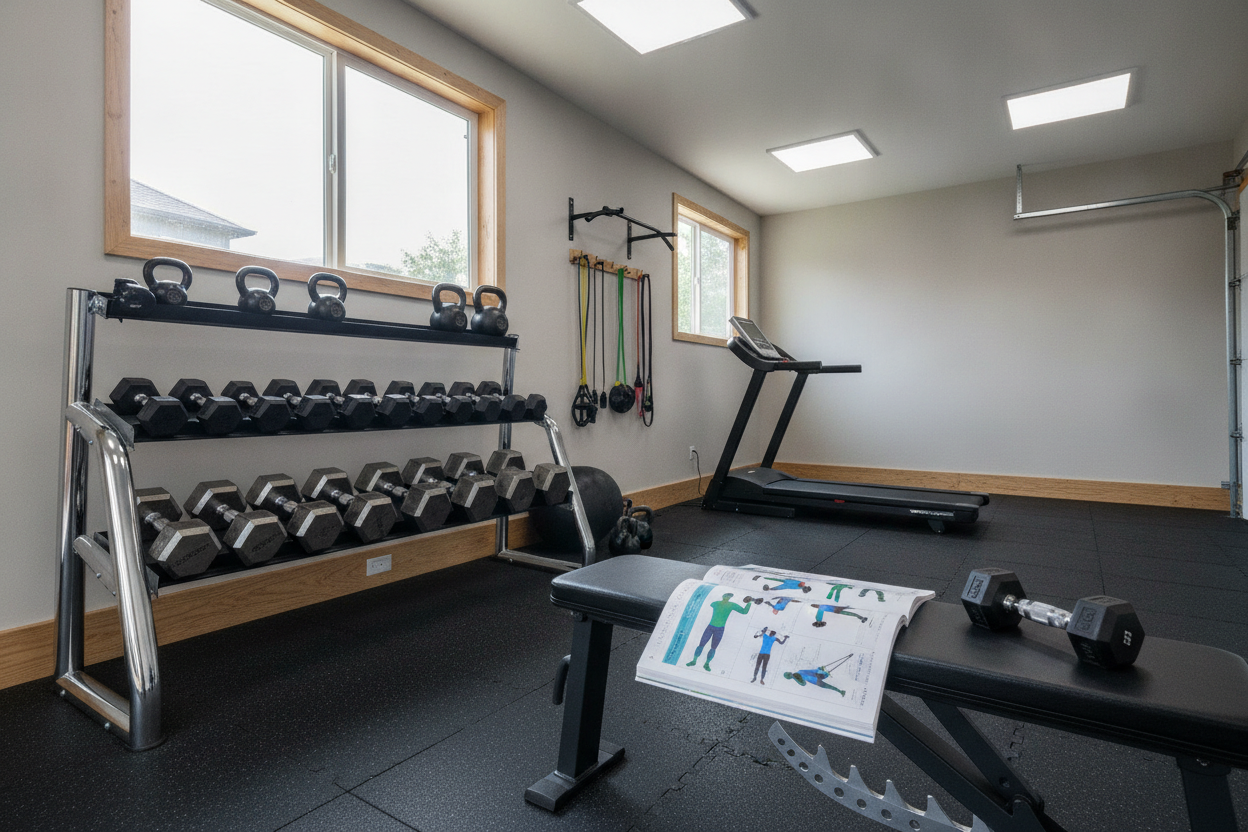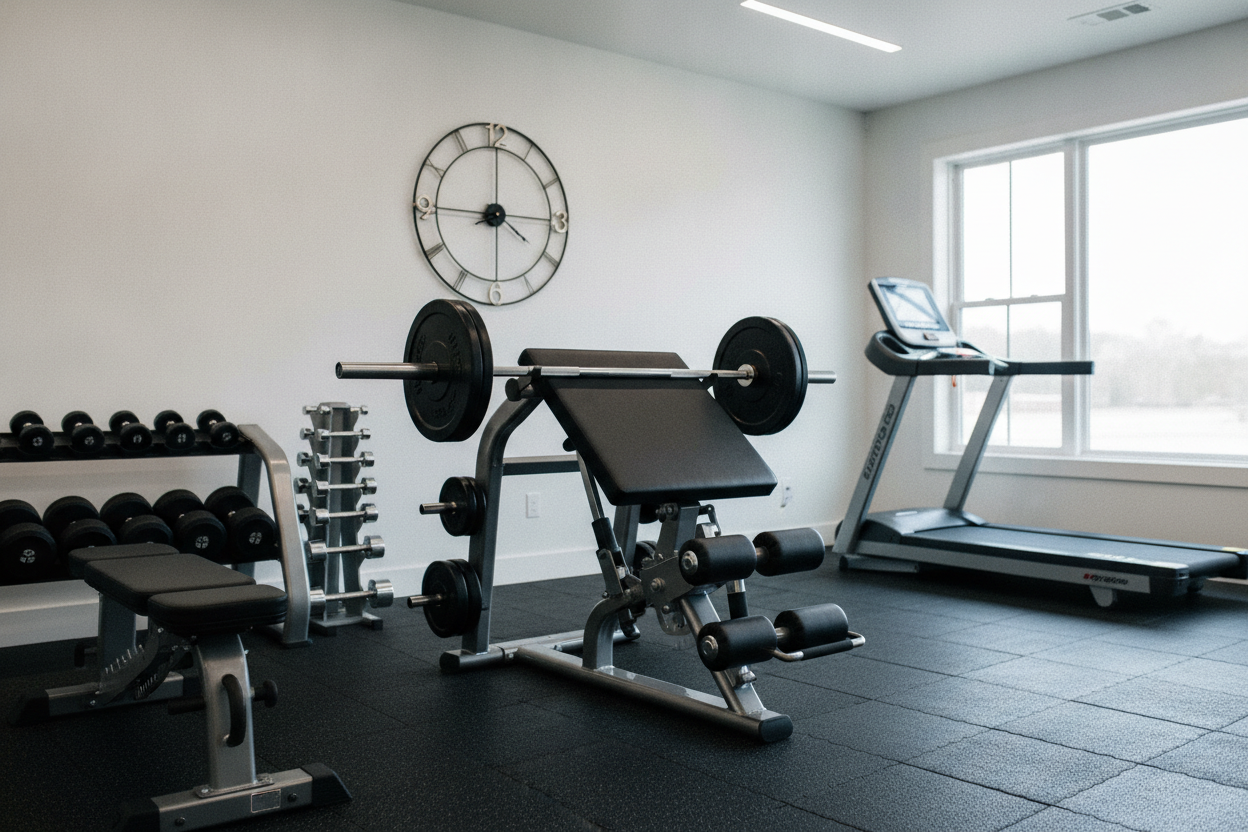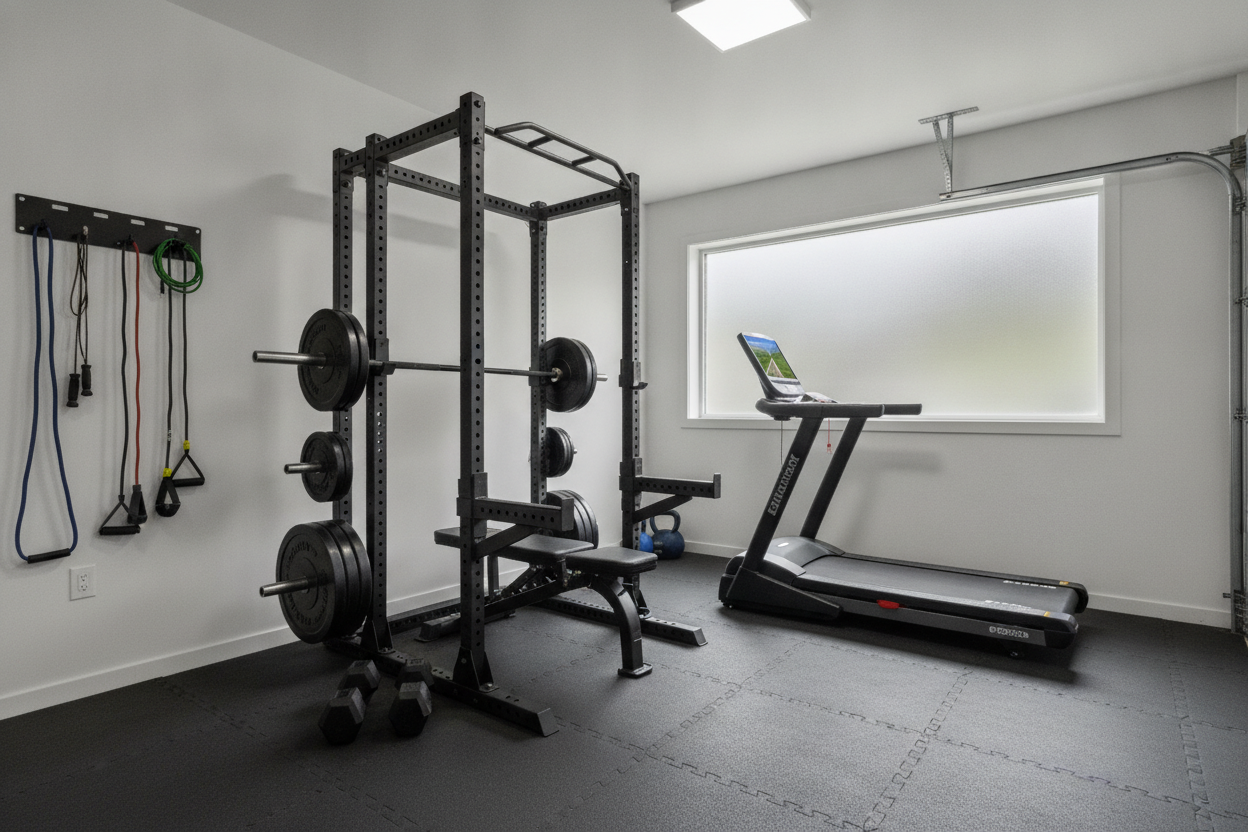
I Snapped a Bench Before Learning Retail Gym Equipment Has Real Limits
I was 21, feeling invincible, and had just hauled home a $50 flat bench from a local big-box store. I loaded 225 pounds for a standard working set, went for my third rep, and heard a sound like a gunshot. The rear support leg didn't just bend; the grade-2 bolt literally sheared off, sending me and the loaded barbell toward the concrete. That was the day I realized retail gym equipment often prioritizes profit margins over your literal safety.
Quick Takeaways
- Static weight ratings are misleading; always look for dynamic capacity.
- Thin-walled steel (14-gauge or higher) is prone to metal fatigue under heavy loads.
- Wobbling is a structural warning sign, not just a minor annoyance.
- Invest in the 'big three'—rack, bar, and bench—and save on the small stuff.
The Day My Cheap Flat Bench Folded Like a Lawn Chair
We have all seen those marketing photos: a shredded model doing dumbbell curls on a bench that looks like it is made of toothpicks. It looks fine in a glossy ad, but those models are usually using 15-pound weights. When I put 225 pounds on that budget bench, plus my own body weight, I was pushing nearly 400 pounds onto a frame held together by hardware-store quality bolts. The failure was instant.
The problem with entry-level gear is the 'appearance' of strength. It is painted with a nice powder coat, but the steel underneath is often thin 14-gauge tubing. For reference, a serious rack uses 11-gauge steel. The difference sounds small, but 11-gauge is nearly twice as thick. If you are planning to move real weight, you cannot trust gear designed for casual cardio enthusiasts.
Static vs. Dynamic Load: Reading the Fine Print
Manufacturers love to brag about a '1,000-lb weight capacity.' This is almost always a static rating. A static load is what the bench can hold if you gently place a weight on it and never move. In the real world, we lift dynamically. If you drop a 300-pound barbell just two inches onto the J-cups, the force generated is significantly higher than 300 pounds.
Retail gear rarely accounts for this shock. When you buy fitness gear, you need to look for equipment that specifies its testing methods. If a rack shakes when you are just racking an empty bar, it is not going to handle a failed squat attempt safely. You want gear that feels like an extension of the floor, not a Jenga tower.
3 Signs You Have Outgrown Your Starter Setup
The first sign is the 'death wobble.' If your uprights sway more than an inch when you are doing pull-ups or re-racking a bar, the structural integrity is compromised. Over time, that swaying wallows out the bolt holes, making the rack even less stable. This is the moment to start looking for home gym equipment deals to replace the skeleton of your gym.
Second, look at your J-cups. Are they bending downward? Standard retail J-cups are often just bent pieces of thin steel without nylon liners. If they are sagging, they will eventually drop the bar. Third, check for flaking chrome on your barbell. This isn't just cosmetic; it means the bar is oxidizing and losing its tensile strength. If you want to buy equipment fitness pros actually use, prioritize a solid 190,000 PSI barbell.
Smart Ways to Buy Fitness Gear Without Going Broke
You don't need a $5,000 setup on day one. Local stores with gym equipment are actually great for things that don't have moving parts or structural requirements. Buy your iron plates, kettlebells, and foam rollers there. These are the items where you can safely hunt for budget-friendly home gym equipment without risking a hospital visit.
However, when you buy fitness products like your primary squat stand or your bench, go to specialty retailers. A $300 bench from a dedicated strength company is 10 times safer than a $100 bench from a department store. The welds will be cleaner, the steel thicker, and the hardware will be Grade 8 or better. Spend your money where the weight hits the steel.
Why Your Foundation Matters More Than the Steel
If you put a high-end rack on uneven, bare concrete, you are asking for trouble. Uneven floors put 'torsional' stress on the frame, meaning one side is carrying more load than the other. This leads to premature metal fatigue and snapped bolts. I have seen $2,000 racks fail because the owner refused to spend $100 on flooring.
A proper gym flooring for home workout setup acts as a shock absorber. It protects the concrete from cracking and, more importantly, it absorbs the vibration from heavy lifts. This reduces the stress on your equipment's joints and bolts. It turns a loud, rattling garage into a professional-feeling training space.
FAQ
Is 14-gauge steel okay for a home gym?
Only if you are sticking to light weights (under 200 lbs total). For anyone serious about strength training, 11-gauge steel is the industry standard for safety and longevity.
Can I fix a wobbly gym bench?
You can tighten the bolts, but if the frame itself is flexing, no amount of wrenching will fix it. Flexing is a sign the steel is too thin for the load you are applying.
What is the most important piece of gear to invest in?
The barbell. It is the piece you touch every single rep. A cheap bar will bend, the knurling will disappear, and the sleeves will stop spinning, which can lead to wrist and elbow injuries.