I Skipped Stretches For Years. This 5-Minute Routine Fixed My Hips.
I spent a decade thinking stretches were for people who didn't want to get strong. My 'cooldown' was usually just walking to my truck and sitting in traffic. That worked fine until I hit 30, and my back started screaming every time I loaded more than two plates on the bar. I realized I wasn't getting weaker; I was just getting stiffer.
- Efficiency is Key: You don't need a 60-minute yoga class to see results.
- Target the Hips: Most lower back pain in lifters starts with tight hip flexors.
- Equipment Matters: Bare concrete is the enemy of a consistent daily stretch routine.
- Post-Lift Only: Save the long static holds for after the heavy work is done.
The 'I Don't Have Time to Cool Down' Trap
We've all been there. You finish your final set of deadlifts, your heart is pounding, and the only thing you want is a protein shake and a shower. Static stretching has developed a bad reputation in some strength circles because it can temporarily reduce power output if done right before a max effort lift. So, we use that as an excuse to skip it entirely.
My physical breaking point came when I couldn't hit depth on my squats without my heels lifting off the floor. My ankles and hips were so locked up from years of 'just lifting' that my mechanics were falling apart. If you ignore flexibility exercises for long enough, your body will eventually force you to care by handing you an injury. It is not about being a 'stretching woman' or a yoga guru; it is about keeping your joints from seizing up like an old engine.
Why Most Flexibility Programs Suck for Lifters
Most flexibility training exercises you find online are designed for people who want to put their legs behind their heads. I don't care about that. I just want to be able to tie my shoes without groaning. Complicated 45-minute flows aren't realistic for someone training in a garage with a busy schedule. We need high-ROI moves that target the areas lifters actually beat up.
A quick warning: more range of motion isn't always better. If you have joints that already feel 'loose' or you've been told you are double-jointed, you might be dealing with hypermobility. In that case, forcing deeper stretches can actually cause more harm. For instance, if you have 'floppy' shoulders, you should be looking at exercises for a hypermobile shoulder to build stability rather than trying to increase flexibility further.
The Only 4 Daily Stretches That Actually Made a Difference
I narrowed my everyday stretch routine down to four moves that I can finish in about five minutes. I start with some dynamic at-home hip mobility exercises like leg swings or the 'World's Greatest Stretch' to get some blood flowing before I sit into the deep holds.
The big hitters for me are the Couch Stretch (for hip flexors), the 90/90 Hip Switch (for internal and external rotation), the Pigeon Stretch (for the glutes), and a simple T-spine rotation. These aren't unique stretching exercises, but they are the most effective in improving flexibility for people who spend their time under a barbell. I hold each for about 60 seconds. It's boring, but it's the only way to actually see a change in tissue length.
Your Concrete Garage Floor is Ruining Your Ground Work
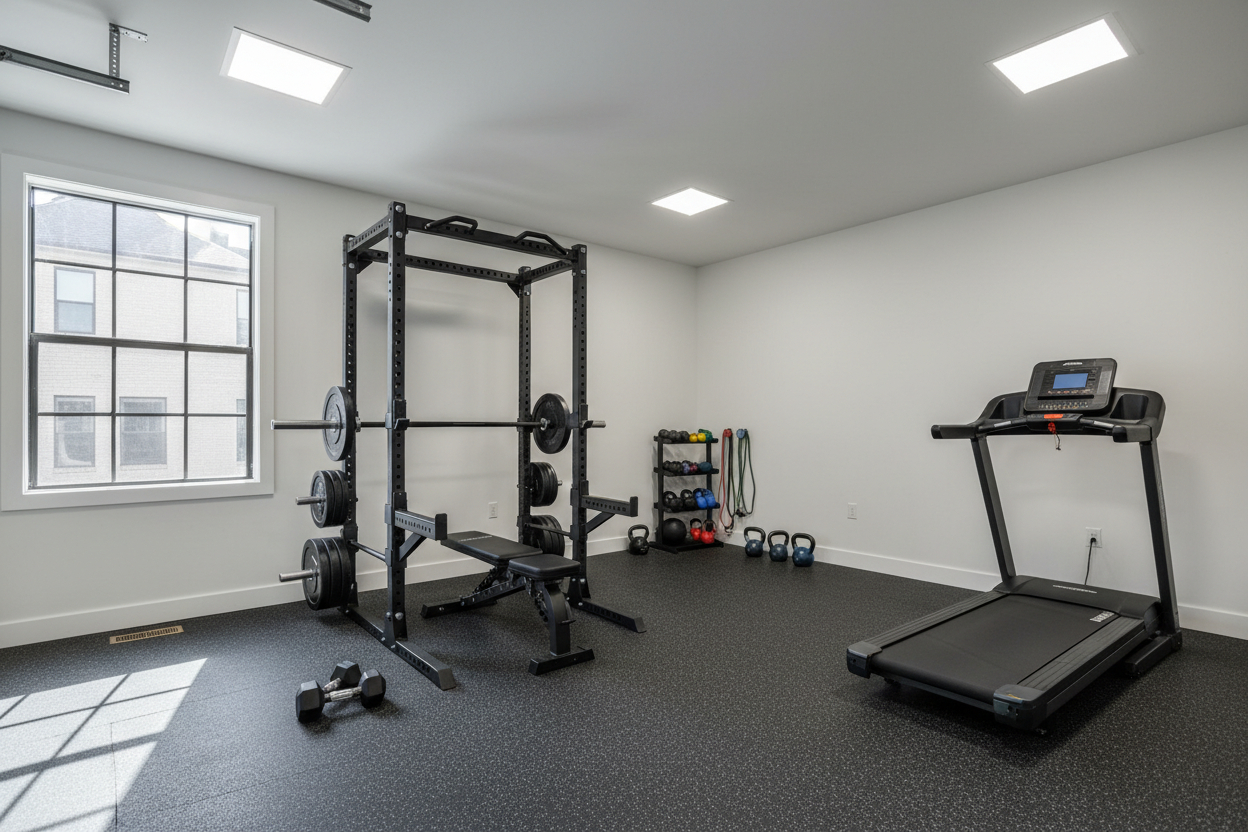
One reason I hated stretching for so long was that my garage floor is literally just a slab of concrete with some thin horse stall mats on top. Trying to do a deep kneeling hip flexor stretch on that surface is painful. Your brain subconsciously fights the stretch because your kneecap feels like it's being crushed. It's hard to relax into a move when you're in pain.
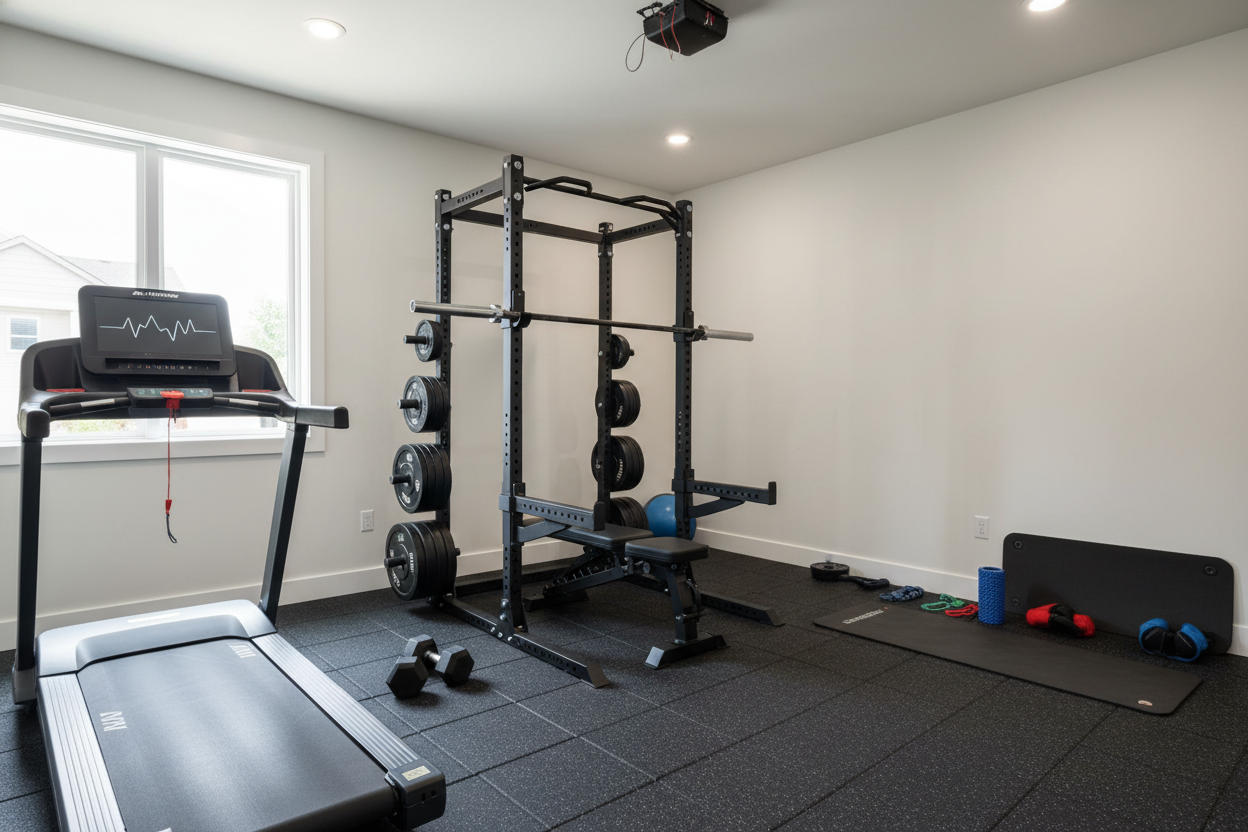
I finally got smart and added a large, high-density exercise mat to my setup. Having that 7mm or 10mm of extra cushion makes a massive difference in whether or not I actually follow through with my daily stretching routine. If the floor is comfortable, you're much more likely to spend those five minutes on the ground instead of rushing back to the house.
How to Build a Stretching Routine You Won't Hate
The best stretching routine is the one you actually do. I'm a big fan of habit-stacking. I do my stretches while I'm waiting for my pre-workout to kick in (dynamic stuff) or right after I finish my last set while I'm unloading the plates. It becomes part of the cleanup process.
Don't overcomplicate it. You don't need a 30-day stretching challenge or a complex flexibility training programme. Just pick three or four moves that target your tightest spots and commit to five minutes. Your 40-year-old self will thank you for the extra mobility.
FAQ
When is the best time to do static stretches?
Always do them after your workout or as a separate session. Doing long, static holds before heavy lifting can actually decrease your power and make your joints feel 'mushy' when you need them to be stable.
Do I need to stretch every day?
You don't have to, but a daily stretching routine for flexibility yields much faster results than doing it once a week. Even five minutes of daily stretch exercises can undo the damage of sitting at a desk all day.
How long should I hold a stretch to improve flexibility?
Research suggests that 30 to 60 seconds is the sweet spot for most people. Anything less won't cause the muscle to actually adapt, and anything more has diminishing returns for the average person.