I Ranked the 5 Most Common Workout Machines (3 Are Trash)
I remember my first commercial gym membership. I spent forty minutes wandering past rows of shiny, upholstered steel, wondering why my progress had stalled despite the fancy equipment. The truth is, most common workout machines are designed for the masses—meaning they are built for durability and low liability, not for your specific biomechanics or maximal muscle growth.
Quick Takeaways
- The Pec Deck is actually superior to dumbbell flies for maintaining chest tension.
- Smith Machines are underrated for bodybuilding-style isolation work.
- Leg presses take up too much room for the average garage gym setup.
- Seated ab machines are often a one-way ticket to lower back irritation.
The Problem With 'Standard' Gym Gear
Commercial gym chains love popular gym machines because they are hard to break and even harder to get sued over. They are built with fixed paths that keep you 'safe,' but those paths often ignore how your joints actually want to move. When you use most common gym equipment, you are fitting your body to the machine, rather than the other way around.
This 'one size fits all' approach usually means the pivot points are slightly off for anyone who isn't exactly five-foot-ten. If you've ever felt a weird tweak in your shoulder or knee while using a typical gym machine, that is the lack of freedom in the movement path fighting your natural anatomy.
The Leg Press: A Space-Hogging Staple
The leg press is easily one of the most common gym machines on the planet. It allows you to move massive weight without a spotter, which is great for the ego. But if you are building a home setup, this thing is a total floor-space hog. A standard commercial unit can easily take up a 4x8 foot footprint and weigh over 500 lbs empty.
For hypertrophy, it’s a solid tool because it removes the stability requirement of a squat, letting you torch your quads. However, for 90% of lifters, a high-quality squat rack and a set of plates provide ten times the utility in the same amount of space. Unless you are chasing pro-level leg mass, this is a lot of money for a single-use beast.
The Pec Deck: Actually Better Than Dumbbells
I’ll say it: the Pec Deck is a biomechanical masterpiece. Most people think free weights are always better, but dumbbell flies lose almost all tension at the top of the movement. Gravity only pulls down, so when the weights are over your chest, your muscles aren't doing much work.
The Pec Deck uses a cam system that provides a consistent tension curve. It keeps the pec under load from the deep stretch all the way to the peak contraction. It is one of the few most common gym equipment pieces that I genuinely wish I had room for in my own garage. It’s effective, easy on the rotator cuffs, and delivers a pump that dumbbells can’t touch.
The Smith Machine: Stop Hating on It
The Smith Machine is one of the most used exercise equipment pieces, and yet it’s the most bullied. Hardcore lifters call it a 'fake barbell.' That’s a mistake. While it’s a terrible tool for learning how to squat properly, it is an elite tool for hypertrophy.
Because the bar is on a fixed track, you don't have to worry about balance. This allows you to place your feet forward for 'sissy squats' that target the quads or use it for brutal incline presses where you can go to absolute failure without dying. It’s not a replacement for a barbell; it’s a specialized tool for isolation. If you use it that way, it’s a win.
The Seated Ab Crunch: An Ergonomic Nightmare
Walk right past this one. The seated ab crunch is one of the most used gym equipment pieces by beginners, and it is frequently built with a pivot point that forces your spine into a weird, crunching arc that your L5-S1 vertebrae will hate.
Most of these machines use a pad that pushes against your upper back, encouraging you to use your hip flexors and momentum rather than your actual rectus abdominis. If you want a six-pack, stick to cable crunches or hanging leg raises. Your lower back will thank you for avoiding this ergonomic disaster.
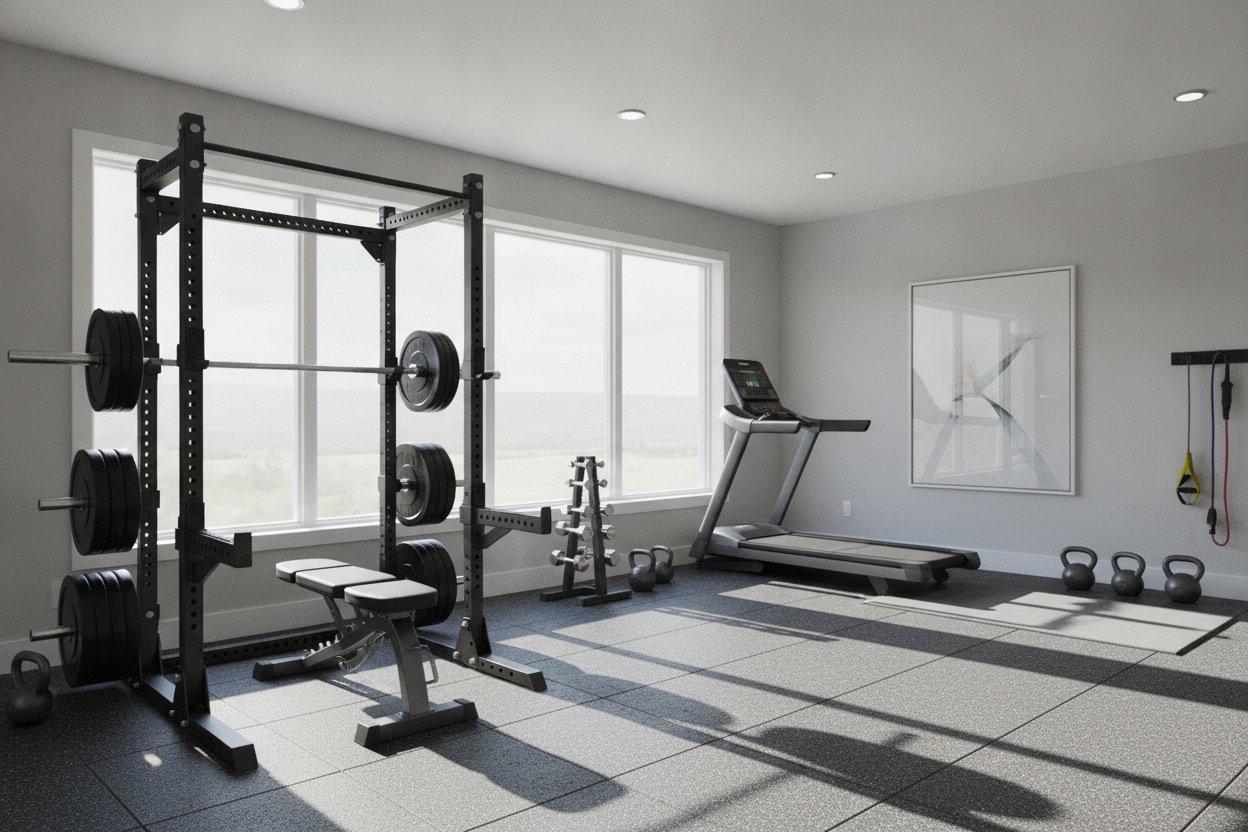
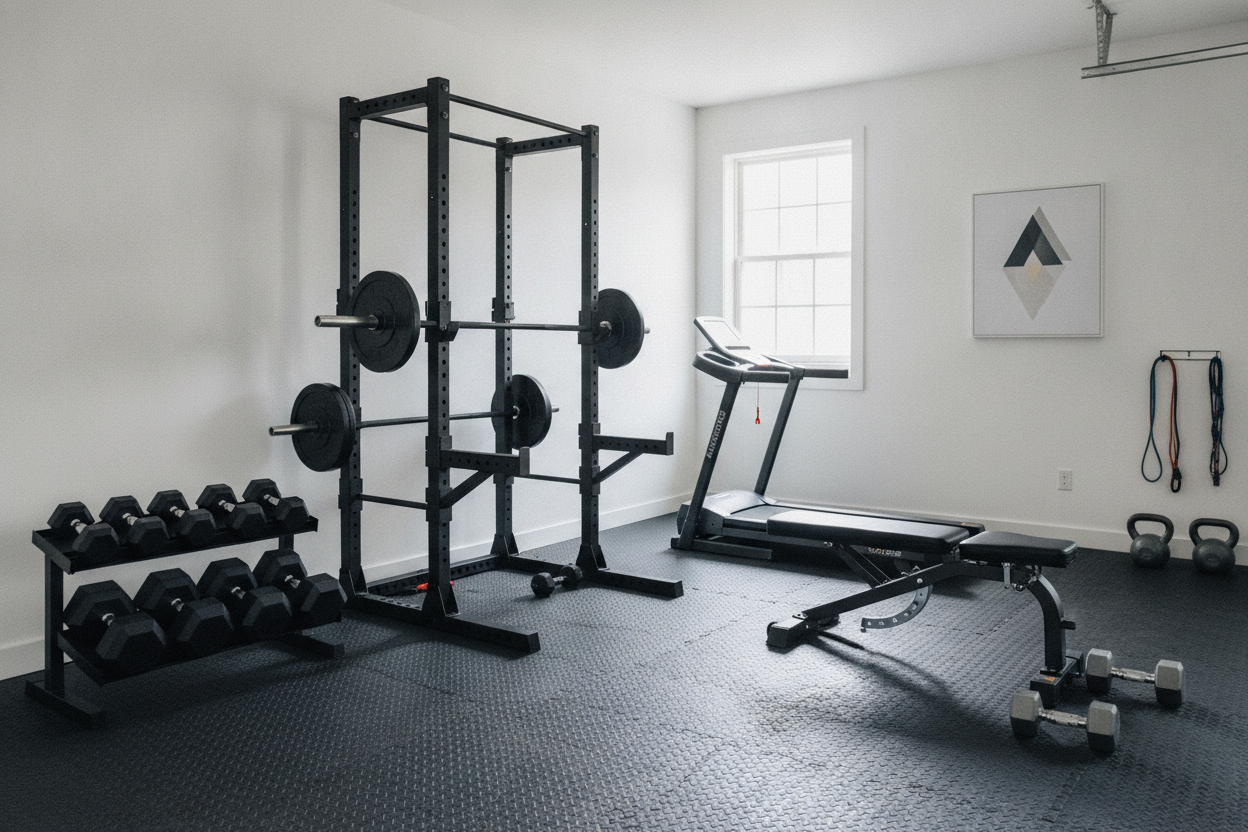
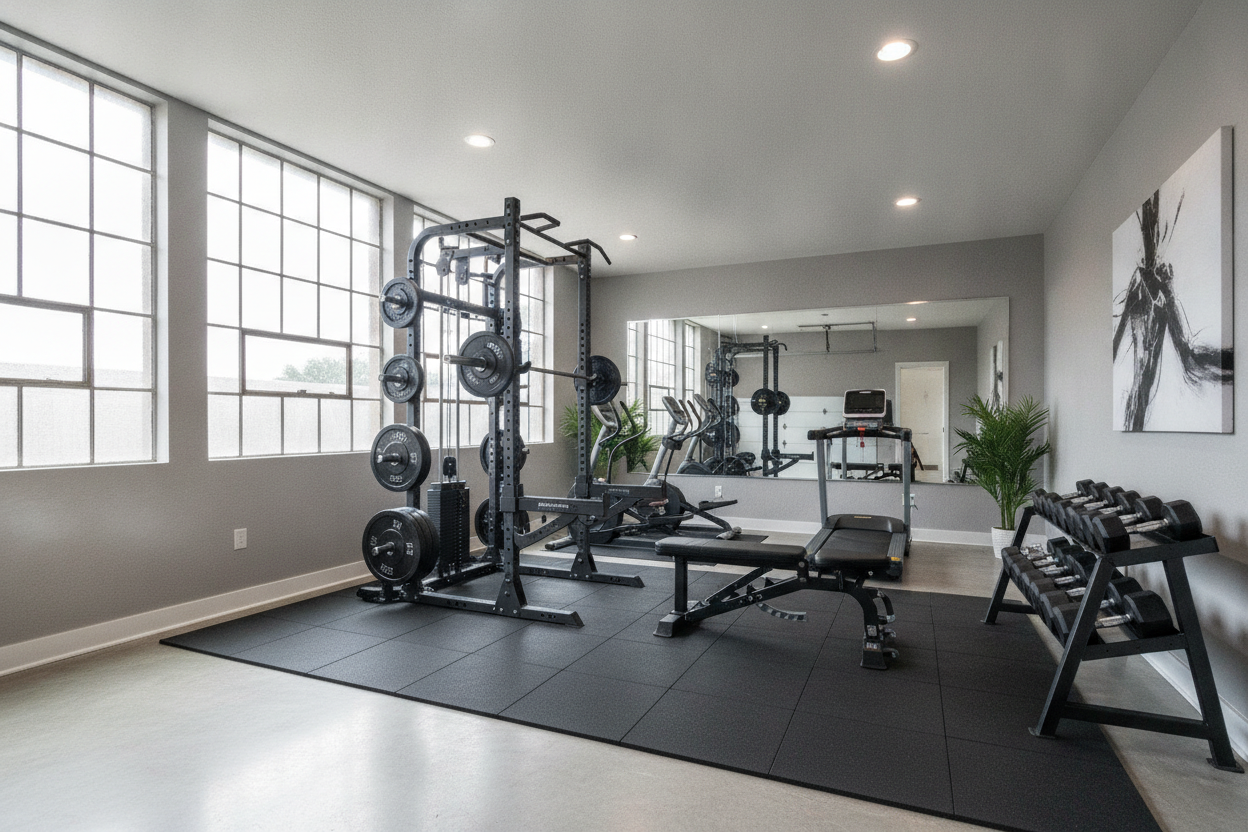
Building a Home Setup Without Buying Single-Use Junk
If you are transitioning from a commercial club to a home gym, don't try to replicate the 'machine for every muscle' layout. You’ll run out of room and money before you even buy a barbell. I’ve seen too many people buy cheap, wobbly multi-stations that promise the world but deliver nothing but frustration. I’ve personally experienced why most combo gym equipment turns into an expensive coat rack—the cables are sticky, the range of motion is short, and it feels like it’s going to tip over if you load more than 100 lbs.
Instead of five mediocre machines, look for one high-quality piece of gear that condenses those movements. For most people, this functional trainer combo setup works because it uses professional-grade pulleys and a smooth weight stack to handle everything from chest flies to lat pulldowns in a fraction of the space. Buy once, cry once.
Personal Experience: My Biggest Equipment Mistake
A few years ago, I found a 'great deal' on a used leg extension/curl combo machine. It was a massive commercial unit. I spent three hours moving it and had to rearrange my entire garage. Within a month, I realized the leg pad was set at an angle that made my knees click every single rep. It didn't matter how I adjusted it; it just wasn't built for my leg length. I ended up selling it for a loss just to get my floor space back. Now, I stick to adjustable benches and cable work.
FAQ
Is a Smith Machine as good as a barbell?
No. A barbell requires you to stabilize the weight, which recruits more muscle fibers. However, the Smith Machine is better for isolating specific muscles during high-rep sets.
Which machine is best for building a big chest?
The Pec Deck or a high-quality cable crossover. They provide constant tension that dumbbells simply cannot match due to the laws of gravity.
Why do gyms have so many ab machines?
Because they are 'approachable' for new members. They look easy to use and don't require much instruction, even if they aren't the most effective way to train your core.