I Quit Reading Articles on Weightlifting for a Year (Here's Why)
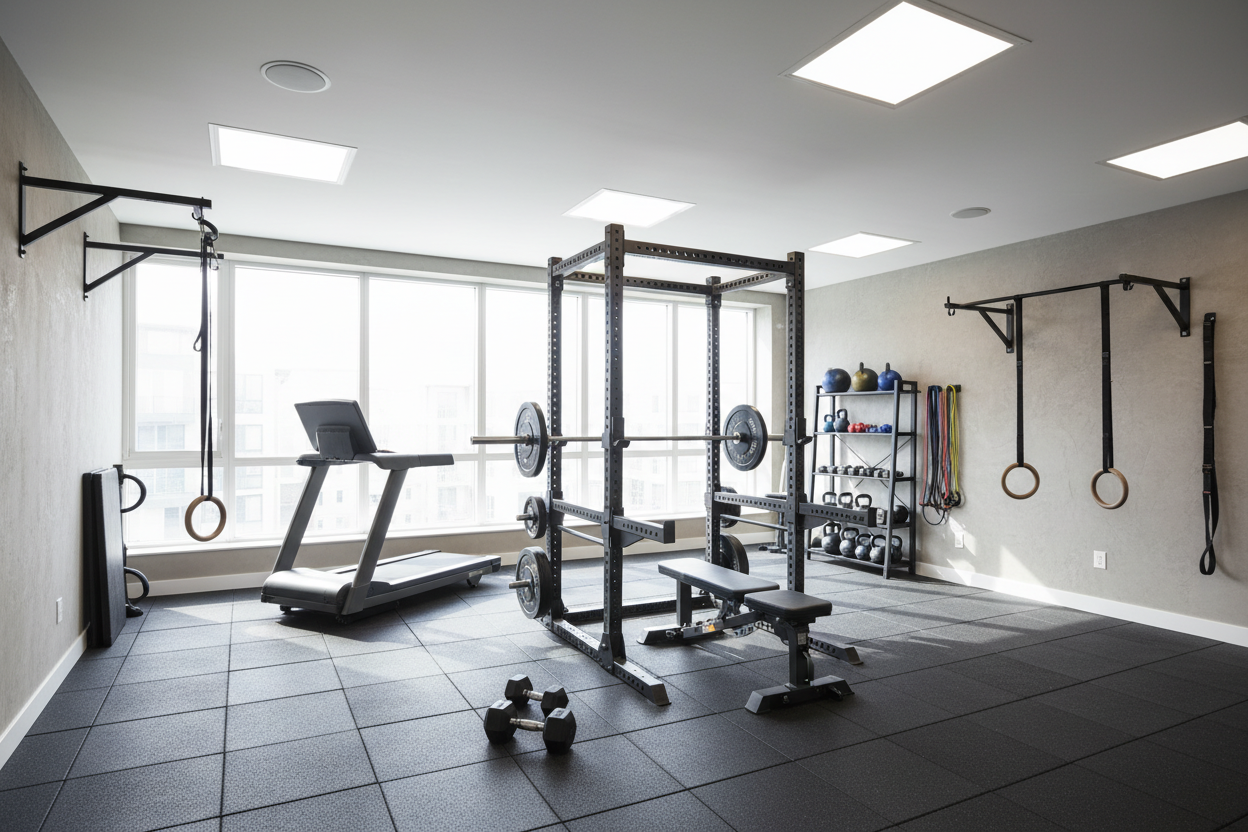
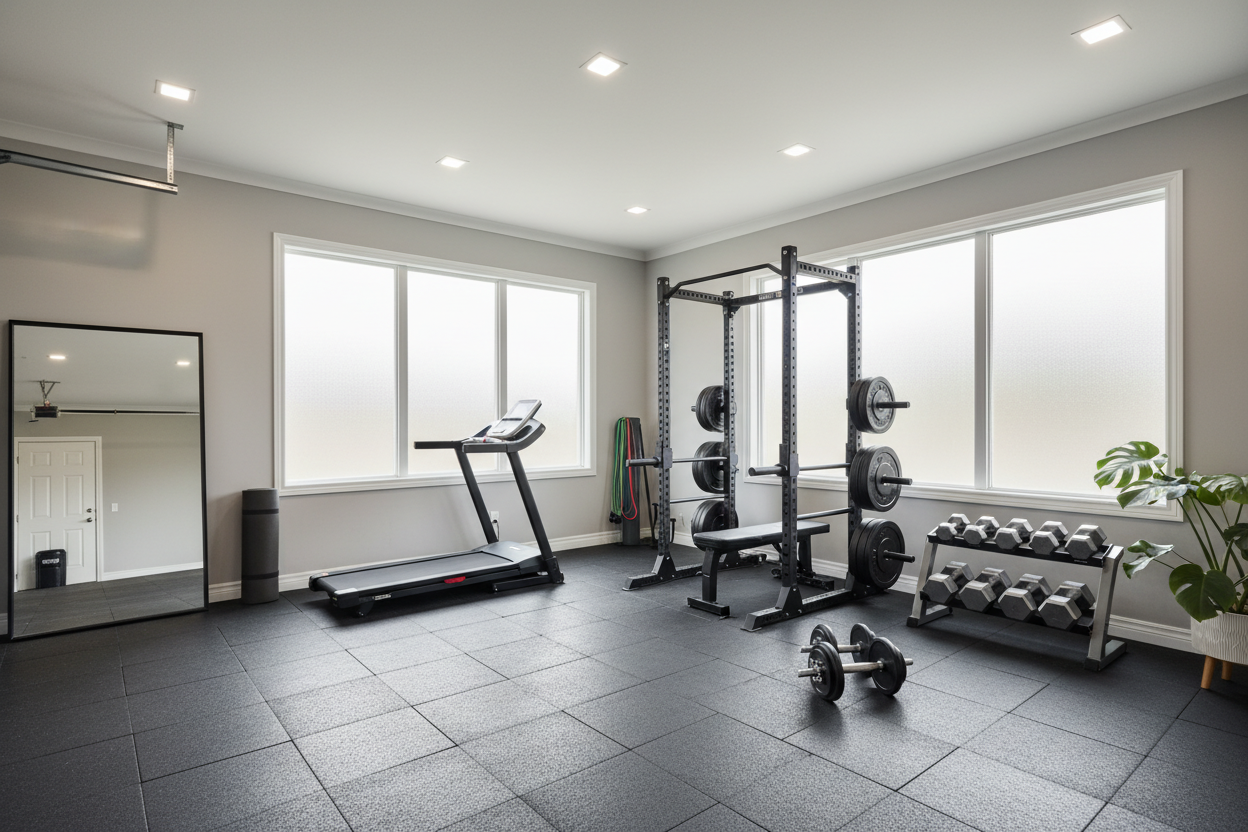
I was sitting in my garage, surrounded by $3,000 worth of 11-gauge steel and precision-machined plates, yet I was staring at my phone. I was deep into my fourth hour of reading articles on weightlifting, trying to decide if a low-bar or high-bar squat was the 'optimal' way to build my quads. My coffee was cold, my pre-workout was wearing off, and I hadn't even touched the knurling yet.
That was the moment I realized I was addicted to the theory of lifting rather than the act itself. I had more bookmarks than PRs. I knew the exact tensile strength of a Rogue Ohio Bar (190,000 PSI, for those wondering), but I couldn't remember the last time I actually added five pounds to my bench press. I decided to go cold turkey.
Quick Takeaways
- Research often acts as a sophisticated form of procrastination.
- Contradictory advice creates 'paralysis by analysis' that kills gains.
- The most effective training principles are usually the least exciting.
- Consistency and progressive overload are the only metrics that truly matter.
The Illusion of Progress Through Research
We’ve all been there. You spend your lunch break reading about the metabolic demands of HIIT versus steady-state cardio. You feel productive. You feel like you've 'worked' on your fitness. But your heart rate never climbed above 70, and your muscles didn't move an inch. This is the dopamine trap of the information age. Your brain gets a hit of satisfaction from acquiring knowledge, and it tricks you into thinking you've actually made physical progress.
For beginners, this is especially dangerous. You might spend six months trying to find the 'perfect' beginner program—SS, SL 5x5, GZCLP—instead of just grabbing a 45-lb bar and doing something. I spent years thinking that if I just found the right weightlifting articles, I would unlock some secret code to hypertrophy. The truth? The guy who doesn't know what a 'mesocycle' is but never misses a leg day will always out-lift the guy with a PhD in YouTube comments.
Reading about lifting is passive. Lifting is active. When you replace the active with the passive, your progress stalls. My home gym started looking like a showroom because I was too busy researching the next piece of gear—like whether I needed a 4-post or 6-post power rack—to actually sweat on the equipment I already owned. I had to learn that no amount of reading could replace the calluses on my palms.
Why Most Fitness Content Just Contradicts Itself
The fitness industry is a machine designed to sell you 'new.' But the iron hasn't changed in a hundred years. To keep you clicking, influencers and writers have to invent problems that don't exist. One week, squats are the king of exercises; the next week, some 'expert' claims they're destroying your spine and you should only do Bulgarian split squats. It's exhausting.
Most of this content is clickbait. It’s designed to make you feel like you’re missing out on a 'secret' or that your current routine is 'killing your gains.' When I stopped reading, the noise stopped. I realized that the most effective advice is rarely flashy or highly clickable. In fact, most of the real progress happens when you stick to the boring articles on weight training that talk about sleep, protein, and showing up.
If you're constantly switching your routine because a new article told you to, you're never giving your body time to adapt. You’re essentially a perpetual beginner. I used to swap my accessory movements every three weeks because I read a 'new' study on muscle fiber recruitment. My strength was flatlining because I never got good at any single movement. Once I shut out the 'experts,' I stayed on one program for 12 months. My deadlift went up 50 pounds.
The 3 Basic Rules I Kept When I Stopped Reading
When I deleted my fitness apps and stopped refreshing my favorite forums, I was left with a very short list of rules. I realized that 95% of my results came from 5% of the information I had collected over the years. I stripped everything back to the essentials.
First, consistency. I committed to four days a week, no matter what. Second, compound movements. If it didn't involve a barbell or a heavy dumbbell, it wasn't a priority. Third, eating enough. I stopped worrying about 'optimal' macro ratios and just made sure I hit my protein goal and stayed in a slight surplus. That was it. No fancy periodization, no 'bio-hacking,' just work.
Progressive Overload Trumps a 'Perfect' Program
I spent way too much time worrying if I should do 3 sets of 8 or 4 sets of 6. Here’s a secret: it doesn't matter as much as you think. What matters is that next month, you do more than you did this month. Whether that's adding 2.5-lb micro-plates to the bar or squeezing out one more rep with the same weight, that is the engine of growth.
I started keeping a simple logbook. No app, just a pen and a notebook. I focused on beating my previous self, not some hypothetical 'optimal' version of myself I read about online. This shift in focus from 'perfect' to 'better' was the catalyst for my strongest year ever. If you have a 300-lb weight capacity on your bench and you're only at 185, you don't need a new program; you need to keep adding weight.
Stop Sweating the Micro-Movements
I used to spend 20 minutes of every workout on 'pre-hab' and isolation exercises for my rear delts and lower lats. Why? Because an article told me my 'imbalances' were a ticking time bomb. When I stopped reading, I stopped obsessing. I realized that foundational compound movements are the real blueprint for mass strength. If you can't squat two plates for reps, you don't need to worry about your 'glute medius activation.'
I cut my workout time by 30 minutes by just doing the big stuff. My joints actually felt better because I wasn't overthinking every single degree of elbow flare. I focused on the squat, the press, and the pull. The 'imbalances' I was so worried about seemed to fix themselves as I got stronger overall.
Personal Experience: My Biggest Gear Mistake
I once bought a $200 'specialty' squat bar because a blog post convinced me my shoulder mobility was too poor for a standard straight bar. I used it twice. It was bulky, took up too much room on my rack, and felt awkward. The truth? I didn't need a new bar; I needed to spend five minutes stretching my pecs before I lifted. I was looking for a gear solution to a discipline problem. I eventually sold that bar for half what I paid and used the money for more 45-lb plates. That taught me that no piece of equipment can fix a lack of basic effort.
How to Vet Fitness Advice Going Forward
Now that I've started reading again, I'm much more selective. I have a 'BS-detector' that I apply to every piece of content. First, I look at the author. Do they actually train people? Do they lift heavy themselves? If they look like they’ve never broken a sweat, I’m out. Second, I look for 'new' claims. If someone says they've discovered a 'hack' that overrides basic physiology, they're lying.
I also limit my consumption. I spend maybe 15 minutes a week looking up specific form cues if something feels off. I no longer browse for 'inspiration.' If you want to stay sane, pick two or three trusted sources and ignore the rest. The best weightlifting articles are the ones that remind you to get off your phone and get under the bar.
FAQ
How often should I change my workout routine?
Hardly ever. If you're still making progress—meaning you're adding weight or reps—stay the course. Most people change programs because they're bored, not because the program stopped working. Stick with a solid plan for at least 6 months before even thinking about a switch.
Do I need expensive gear to get strong at home?
No. You need a sturdy rack, a decent barbell, and enough plates to challenge yourself. Everything else—cable machines, specialty bars, fancy flooring—is a luxury. Focus on the basics first. A 52.5-lb max per handle adjustable dumbbell set can take you further than a room full of gimmicks.
How do I know if a fitness influencer is legit?
Look for someone who talks about the hard stuff: consistency, effort, and time. If they're promising 30-day transformations or selling a 'proprietary' supplement blend, they're likely a content mill. Real coaches focus on the fundamentals that have worked for decades.