I Quit Mainstream Women's Health Strength Training (Here's Why)
I remember standing in a big-box store five years ago, holding a pair of neoprene-coated 5lb dumbbells and wondering why my back still ached despite my 'toning' routine. I was following every piece of women's health strength training advice I could find, which mostly involved high-rep circuits that left me sweaty but fundamentally weak. My home gym was a collection of resistance bands and light weights that took up space but didn't provide any real resistance.
I finally hit a wall when I realized I couldn't even deadlift my own luggage without straining a muscle. That was the day I stopped listening to the 'light weights for long muscles' myth and started loading actual plates onto a bar. If you want to change your body composition and your health, you have to stop chasing a sweat and start chasing a PR.
Quick Takeaways
- High-rep, low-weight circuits are cardio in disguise, not true strength training.
- Bone density and metabolic health require mechanical tension—meaning heavy weights.
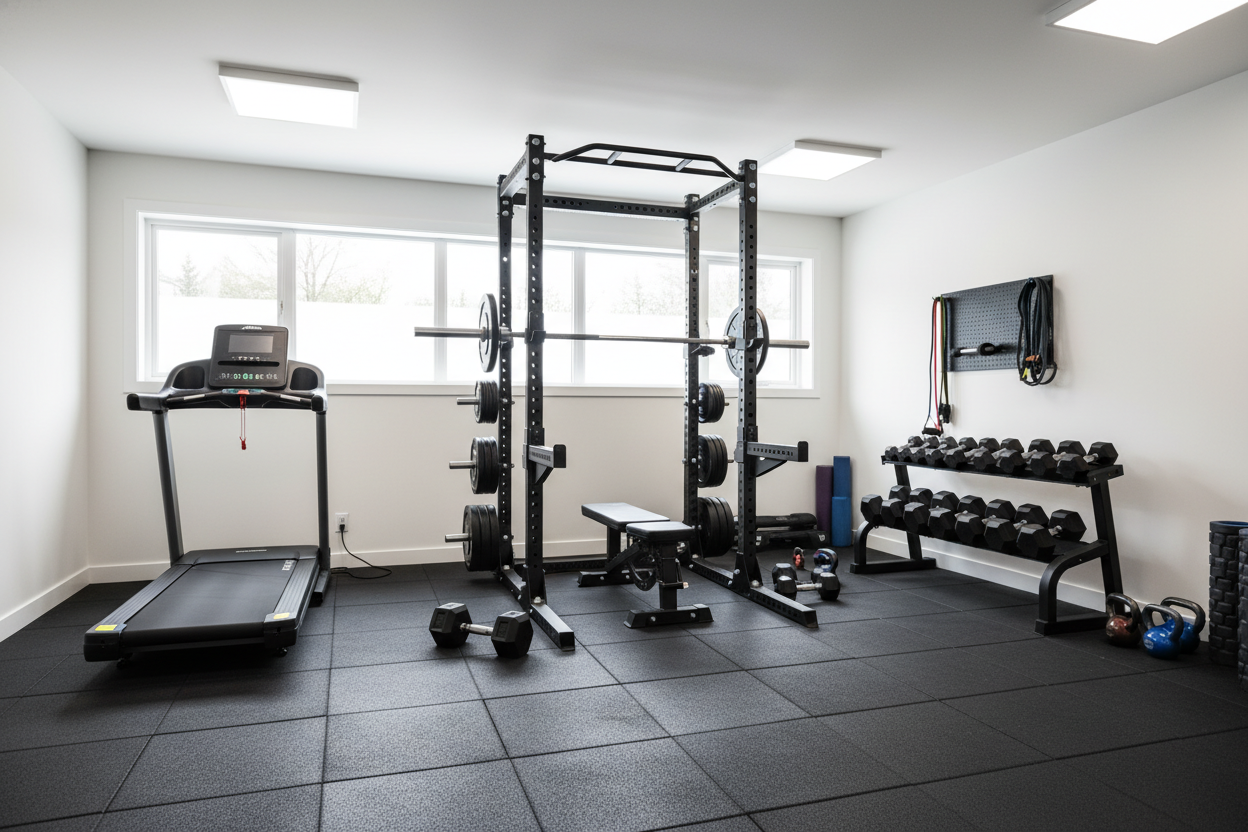
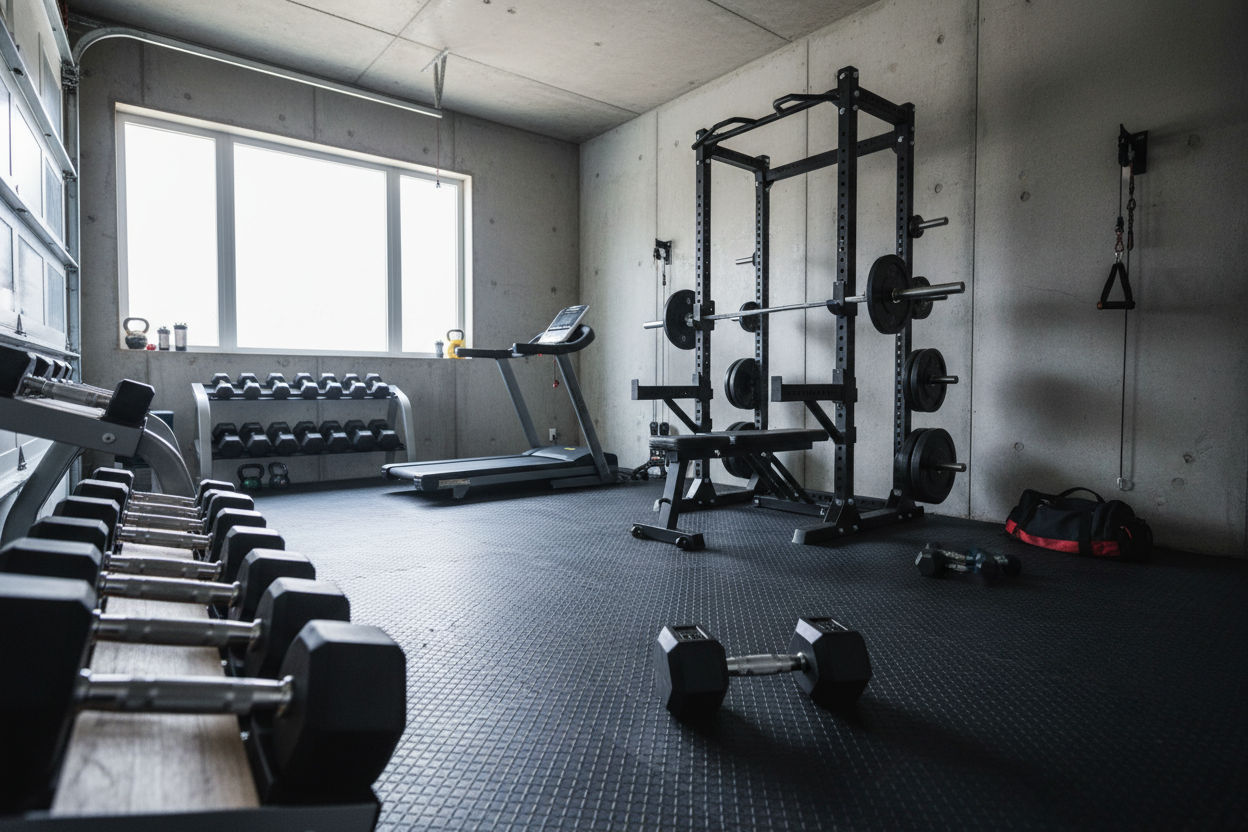
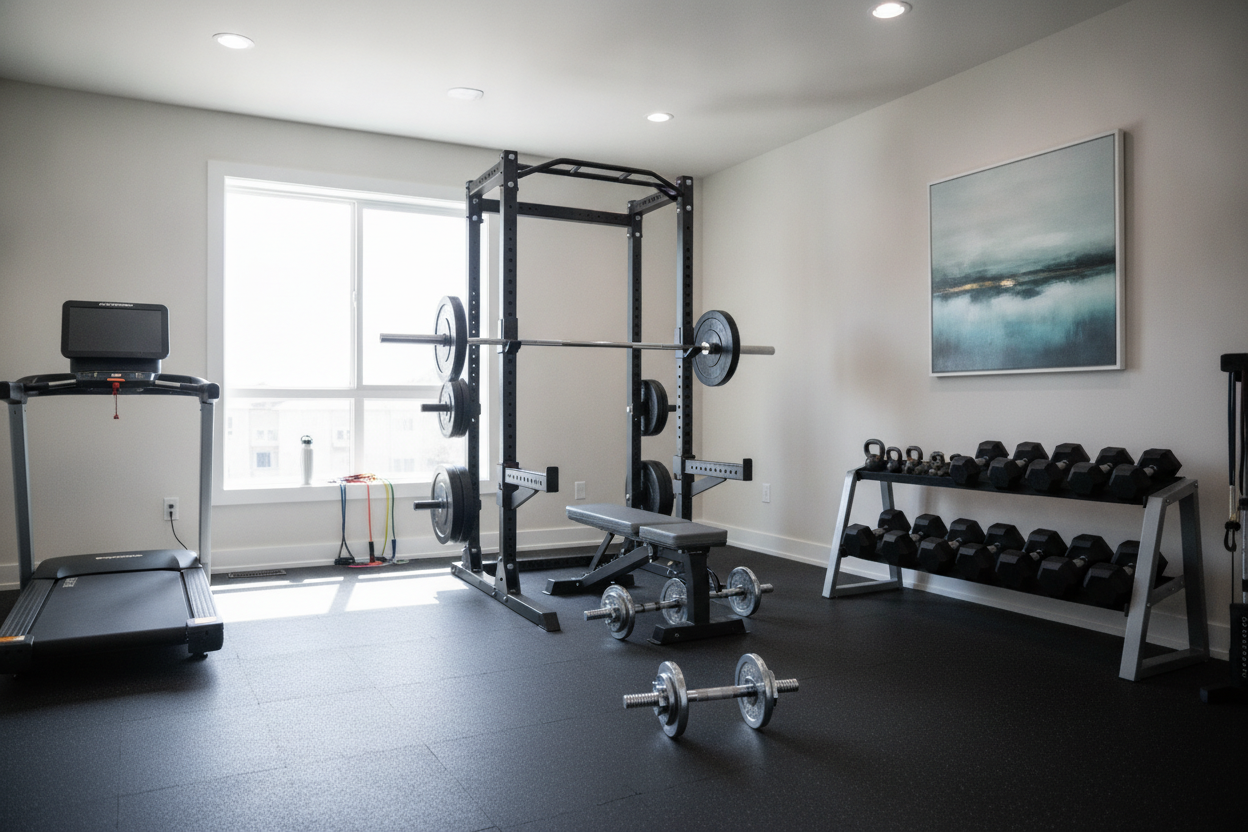
- A barbell, a rack, and a bench are the only three things you really need to start.
- Progressive overload is the only way to see long-term physical adaptation.
The Problem With Magazine-Style Workouts
Most women's health weight training advice is designed to make you feel tired without actually making you strong. It focuses on 'sculpting' and 'toning'—marketing terms that have no basis in exercise science. Muscle either grows (hypertrophy) or shrinks (atrophy); it doesn't change shape because you did 40 reps with a pink dumbbell.
When you stick to these low-intensity circuits, you miss out on the neurological benefits of lifting heavy. Heavy lifting teaches your central nervous system to recruit more muscle fibers. If you aren't occasionally struggling to finish a set of five, you aren't giving your body a reason to get stronger or denser.
The Brutal Truth About Sweat vs. Strength
We've been conditioned to believe that if we aren't gasping for air in a pool of sweat, the workout didn't count. This leads many women into a trap of chronic cardio disguised as lifting. Chasing a high heart rate through endless burpees might burn calories in the moment, but it doesn't build the muscle tissue that keeps your metabolism humming at rest.
The shift from 'how many calories can I burn?' to 'how much can I lift?' is a mental hurdle. You have to decide if you want to be smaller or if you want to be more capable. When you stop the false dichotomy of cardio or strength training and prioritize the latter, your body composition actually starts to shift in ways that 'fat-burning' circuits never achieved.
Swapping Fluff for Function in Your Home Gym
Ditching the mainstream fluff means cleaning out the junk in your garage. You don't need a vibrating platform, a thigh master, or a set of 2lb ankle weights. You need tools that allow for progressive overload—the ability to add small increments of weight over time so your body is forced to adapt.
When choosing the best strength and weight training equipment for your goals, look for items that will last a decade, not a season. I wasted hundreds on 'as-seen-on-TV' gadgets before I realized that a basic power rack and a set of iron plates are the gold standard for a reason. They don't break, and they don't go out of style.
The Core Setup You Actually Need
You need a rack that doesn't wobble when you re-rack a squat. Look for 11-gauge steel and at least a 2x3 frame. Pair that with a 15kg or 20kg Olympic barbell. A high-quality bar has a 25mm to 28.5mm diameter, which is easier for most women to grip during heavy deadlifts or cleans.
Finally, get a bench that won't tip. The Gxmmat Adjustable Weight Bench is a solid example of a piece that provides the stability you need for heavy pressing. I've used benches that felt like they were made of cardboard; believe me, you want something with a high weight capacity when you start moving real iron.
Ditch the Gimmicks, Keep the Essentials
Once you have the big three (rack, bar, bench), you can look at a few strength training accessories that actually matter. You don't need 'waist trimmers.' You might, however, need fractional plates (0.25lb to 1lb) because adding 10lbs to an overhead press every week is impossible for anyone. Lifting straps and a good belt are also worth their weight in gold once your deadlift starts climbing past your body weight.
Redefining What 'Healthy' Actually Feels Like
Getting genuinely strong changed how I feel in my own skin. I stopped looking at the scale and started looking at the numbers in my training log. There is a profound sense of security that comes from knowing you can carry all the groceries in one trip or move a piece of furniture without calling for help. That is what real health looks like.
Beyond the vanity, heavy lifting is the best insurance policy against osteoporosis and sarcopenia. By moving away from the mainstream 'light and fast' mentality, you are building a body that can handle the rigors of aging. It’s time to stop shrinking and start taking up space in the gym.
Personal Experience: My First Real Barbell
I’ll be honest: the first time I walked into a 'real' gym and saw the barbell, I was intimidated. I bought a cheap, 1-inch standard bar for my home gym because it was less scary. That was a mistake. Within three months, I had outgrown its weight capacity and the thin bar hurt my hands. I ended up spending more money to replace it with a proper Olympic bar. Buy once, cry once. Get the real gear from the start.
Frequently Asked Questions
Will lifting heavy make me look bulky?
No. Most women don't have the testosterone levels to build massive amounts of muscle without a very specific, years-long caloric surplus and targeted training. You’ll likely just look 'toned'—which is really just having muscle and low enough body fat to see it.
How many days a week should I train for strength?
Three to four days is the sweet spot for most people. This allows for heavy sessions followed by a full day of recovery, which is when the actual muscle building and bone strengthening happens.
Is it safe to lift heavy at home alone?
Yes, provided you have a power rack with safety pins or spotter arms. Always set your safeties just below the bottom of your lift so that if you fail a rep, the bar drops onto the steel, not onto you.