I Pounded Pavement for Years: Is running good for weight loss and toning?
I remember the 6:00 AM alarm like it was yesterday. I’d lace up my shoes, hit the damp asphalt, and grind out five miles before the sun was fully up. I did this four days a week, convinced that the sweat on my shirt was a direct deposit into the bank of a shredded physique. I was asking myself: is running good for weight loss and toning? The scale said yes, but the mirror had a different, much harsher story to tell.
Quick Takeaways
- Running is great for cardiovascular health but often fails to create a defined, 'toned' look.
- Excessive steady-state cardio can lead to muscle loss, resulting in a 'skinny-fat' appearance.
- Resistance training builds the muscle foundation necessary for a lean shape.
- A combination of heavy lifting and moderate activity is the most efficient path to fat loss.
The 'Skinny-Fat' Reality No One Warns You About
After six months of logging 20-mile weeks, I had lost fifteen pounds. By all traditional metrics, I was winning. But when I took my shirt off, I looked softer than when I started. My legs were smaller, sure, but they had no definition. My midsection was still 'doughy,' just a smaller version of doughy. I had fallen into the trap of thinking that running vs gym for weight loss was a simple math equation of calories out.
The reality is that your body is a survival machine. When you do nothing but long-distance running, your body realizes that carrying extra muscle mass is 'expensive' from an energy standpoint. It starts catabolizing that muscle to make you a more efficient runner. You end up with a lower number on the scale, but a higher body fat percentage relative to your muscle mass. That is the definition of skinny-fat, and it is a frustrating place to be after putting in that much work.
Running vs Gym Workout: What Actually Changes Your Shape?
We need to kill the word 'toning.' It’s a marketing term that implies you can somehow make a muscle 'firmer' without it getting bigger. In the real world, what people call 'toned' is actually just having enough muscle mass to be visible under a low enough body fat percentage. When comparing a running vs gym workout, the gym wins for aesthetics every single time because it provides the stimulus for hypertrophy (muscle growth).
Running is a catabolic activity; it breaks things down. Weightlifting is an anabolic activity; it builds things up. If you want shoulders that pop or a back that looks like a topographical map, you need tension. You need to move heavy things through a full range of motion. Running doesn't provide that tension. It’s a repetitive, low-impact movement that burns calories during the activity but does almost nothing for your physique once you stop sweating. If you're wondering which is better, running or exercise which is better for weight loss, you have to define your goal. If the goal is 'looking better naked,' the gym is the clear winner.
Stop Guessing: Which Is Best for Weight Loss Gym or Running?
When people ask which is best for weight loss gym or running, they usually focus on the 400 calories burned during a 45-minute run. That’s short-term thinking. Resistance training offers something running can't: the afterburn effect, or EPOC (Excess Post-exercise Oxygen Consumption). Your metabolism stays elevated for hours after a heavy squat session as your body works to repair the micro-tears in your muscle fibers.
More importantly, muscle is metabolically expensive. A pound of muscle burns more calories at rest than a pound of fat. By building a foundation of strength, you are essentially increasing the size of your engine. You’ll burn more calories while you’re sleeping, watching TV, or sitting at your desk. People often think their cardio and weight training plan needs to be a 50/50 split, but if you want to see real change, you should spend 80% of your effort on progressive overload in the gym and use running as a tool for heart health, not as your primary fat-loss driver.
How to Actually Build a 'Toned' Physique at Home
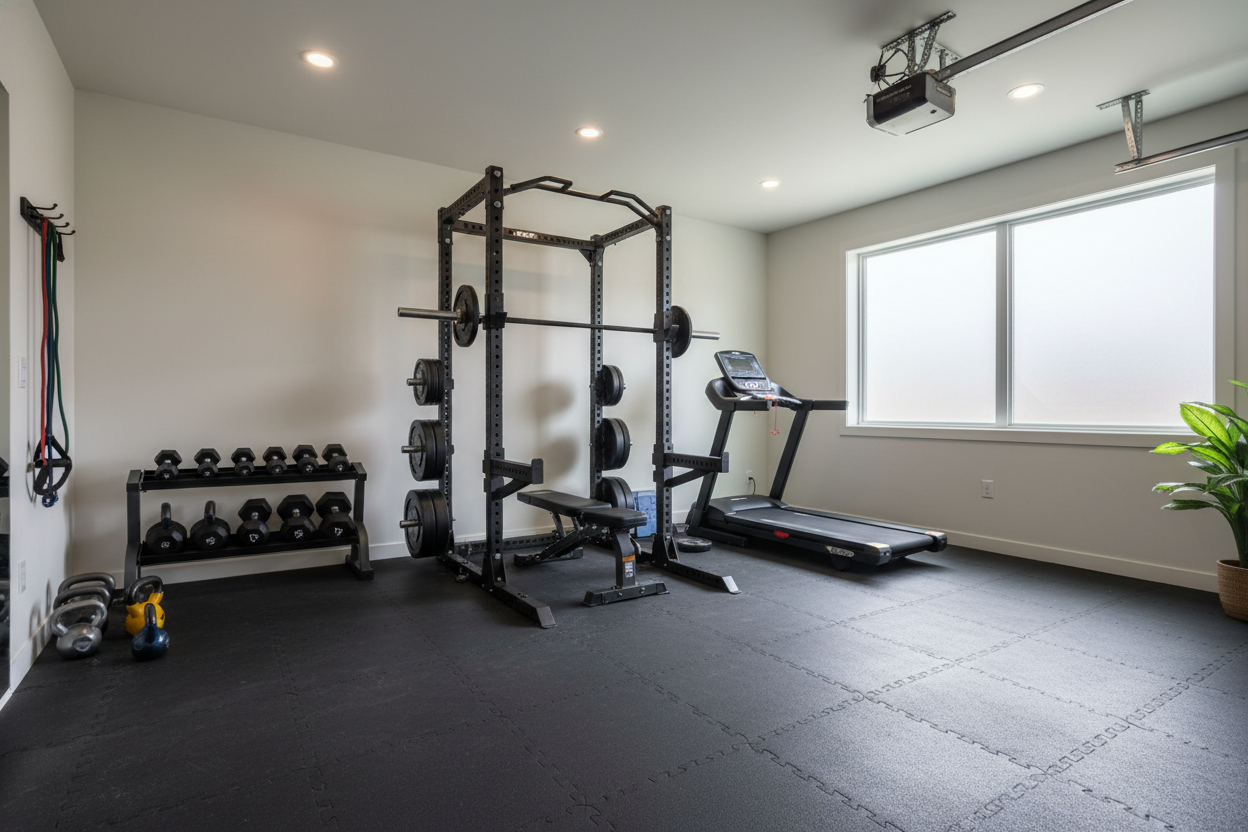
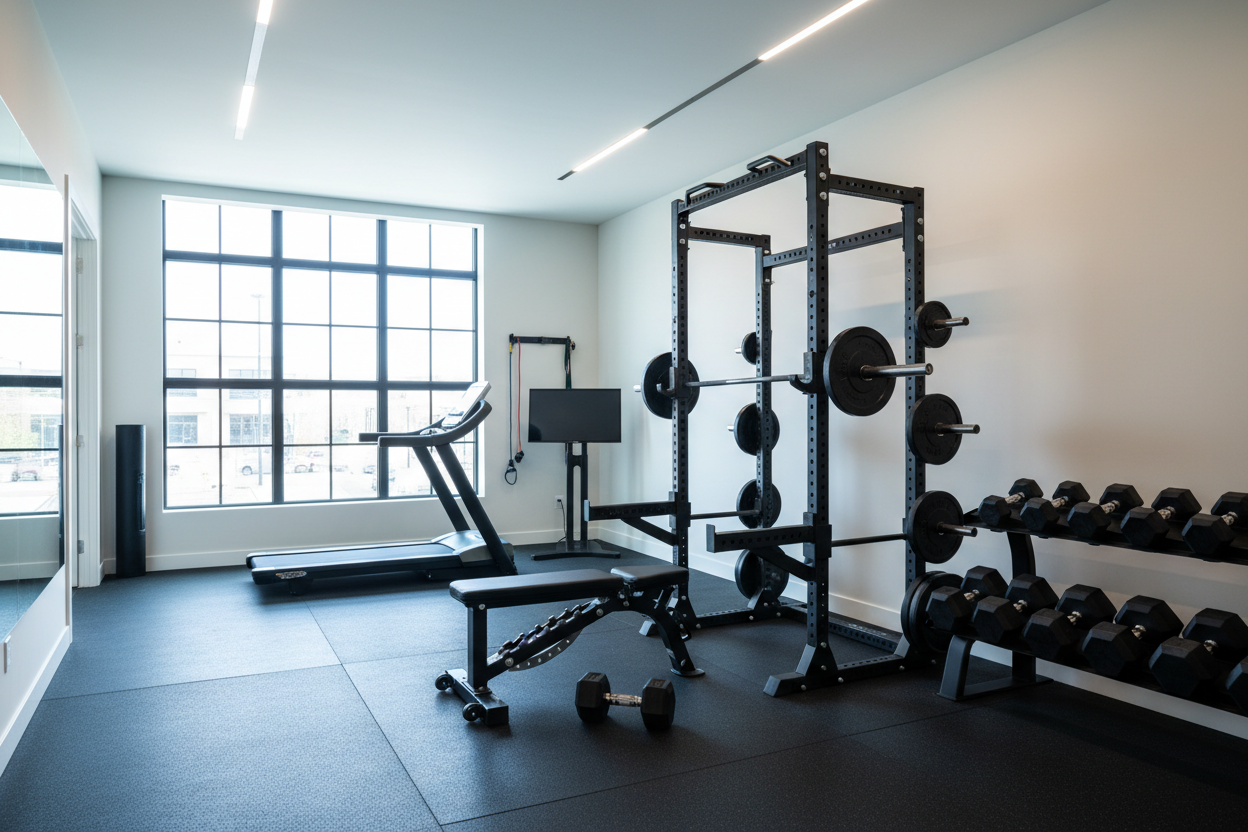
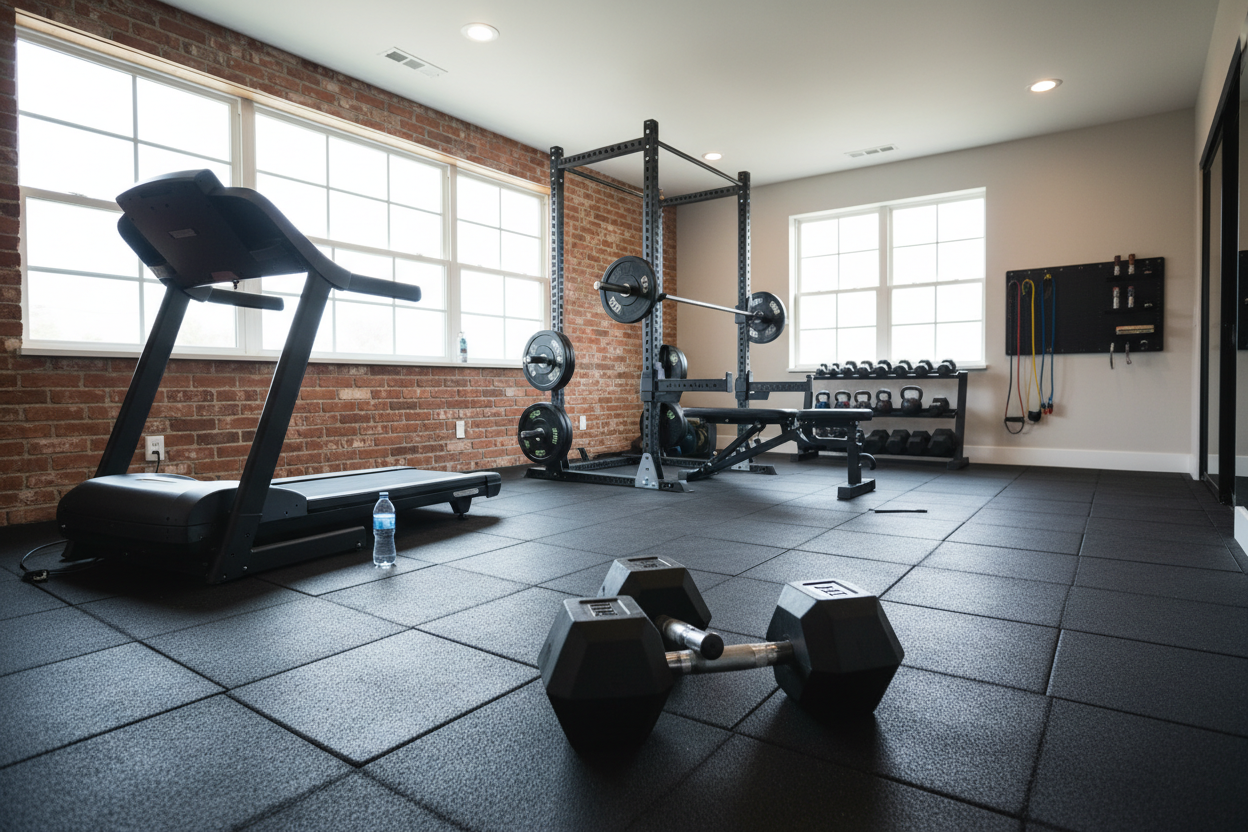
You don't need a $100-a-month commercial gym membership to stop the 'skinny-fat' cycle. I eventually traded half my running miles for a basic home setup, and that’s when my body finally started to change. You can get 90% of the results of a pro gym with a solid weight set and bench in your garage or spare room. The goal isn't to become a bodybuilder; it's to give your body a reason to keep its muscle while you lose fat.
If you're tight on space, start with a versatile adjustable weight bench and a set of dumbbells. This allows you to hit incline presses, rows, and split squats—movements that actually create the 'toned' look you're chasing. I’ve wasted plenty of money on cheap gear that wobbled the second I picked up a 50-pound weight, so look for a bench with at least a 600-lb weight capacity. Once you start hitting the iron three days a week, those two days of running will actually start to help your physique rather than hinder it. You’ll be leaner, harder, and you won't feel like you're wasting your life on a treadmill.
FAQ
Is running or exercise which is better for weight loss for beginners?
For pure weight loss (the number on the scale), both work. However, for body composition, a gym-based strength routine is vastly superior because it prevents muscle loss during a calorie deficit.
Can I get toned just by running?
Generally, no. Unless you already have a significant amount of muscle mass, running will likely make you smaller but not necessarily more 'defined' or 'toned.'
How many days should I lift vs run?
A 3:1 or 4:2 ratio of lifting days to running days is a sweet spot for most people. Prioritize the lifting to build the shape, and use the running for recovery and heart health.