I Popped a Muscle Squatting: My Real Glute Strain Recovery Time
I was hitting my third set of triples at 315 lbs. It felt fast, it felt smooth, and then it happened. At the very bottom of the hole, I heard a distinct 'thwack' in my right cheek that felt like a heavy-duty rubber band snapping under tension. I finished the rep—because I am an idiot—racked the bar, and immediately started Googling glute strain recovery time while hobbling around my power rack.
Quick Takeaways
- Grade 1 strains usually take 1 to 3 weeks of smart, active rehab.
- Grade 2 tears require 3 to 6 weeks and a complete temporary removal of heavy axial loading.
- Total rest is your enemy; blood flow is what actually repairs the tissue.
- If you see significant bruising or can't stand on one leg, see a physical therapist immediately.
That Sickening Pop at the Bottom of a Squat
The moment it happens, your brain goes into a weird state of denial. You tell yourself it’s just a tight piriformis or maybe a cramp. But when you try to unload the bar and realize you can’t even hinge to grab a 45-lb plate without a sharp, stabbing pain, reality sets in. You’ve officially joined the 'popped a glute' club.
Diagnosing the severity early is the difference between a minor setback and a six-month ordeal. If you can walk with a slight limp, you’re likely in the Grade 1 or 2 territory. If you felt that pop and immediately hit the floor because the leg gave out, you’re looking at a Grade 3, and you should probably stop reading this and call a professional. For the rest of us, the road back to the platform starts with understanding the clock.
Exactly How Long for Gluteal Strain to Heal?
If you look at generic medical sites, they give you these optimistic windows that seem designed for people whose only exercise is walking to the mailbox. For a lifter, the question of how long for gluteal strain to heal is more complex because our 'healed' means being able to withstand hundreds of pounds of internal tension again.
In my experience, you aren't 'healed' when the pain stops. You're healed when the tissue can handle a maximum voluntary contraction without guarding. For most garage gym athletes, you’re looking at a minimum of 21 days before you’re doing anything remotely heavy.
Grade 1: The Annoying Tweak (1 to 3 Weeks)
This is a micro-tear. You have most of your range of motion, but it hurts like a son of a gun when you try to squeeze your glutes at the top of a deadlift. The danger here is the ego. Because it feels 'okay' after four days, you try to squat again, the scar tissue hasn't matured, and you turn a 1-week tweak into a 6-week tear.
Grade 2: The Legit Tear (3 to 6 Weeks)
This is what I did. There was visible bruising on the underside of the glute fold a day later, and I couldn't do a bodyweight lung without my hip collapsing. This is a partial tear of the muscle fibers. You’re looking at a solid month of glute strain recovery protocols before you even think about touching a barbell. Patience isn't just a virtue here; it's a requirement to avoid a chronic injury.
Why 'Just Rest and Ice' Is Terrible Advice for Lifters
The old-school RICE method (Rest, Ice, Compression, Elevation) is largely dead in the high-performance world. If you just sit on the couch for two weeks, your body lays down messy, disorganized scar tissue. Even worse, your glute—the biggest muscle in your body—starts to atrophy and 'shut off' neurologically.
I’m a big believer in the METH protocol (Movement, Elevation, Traction, Heat) once the initial 48-hour inflammatory window passes. You need blood flow to move nutrients into the tear and waste products out. I followed a similar logic to what I’ve used for treatment for upper body strains: keep the joint moving through a pain-free range of motion to tell the body 'we still need this muscle.'
My 3-Phase Glute Strain Recovery Protocol
I didn't spend my recovery time watching Netflix. I spent it on the floor of my gym doing the boring stuff that actually works. Here is how I moved from a limp back to a 400-lb pull.
Phase 1: Isometrics and Floor Work
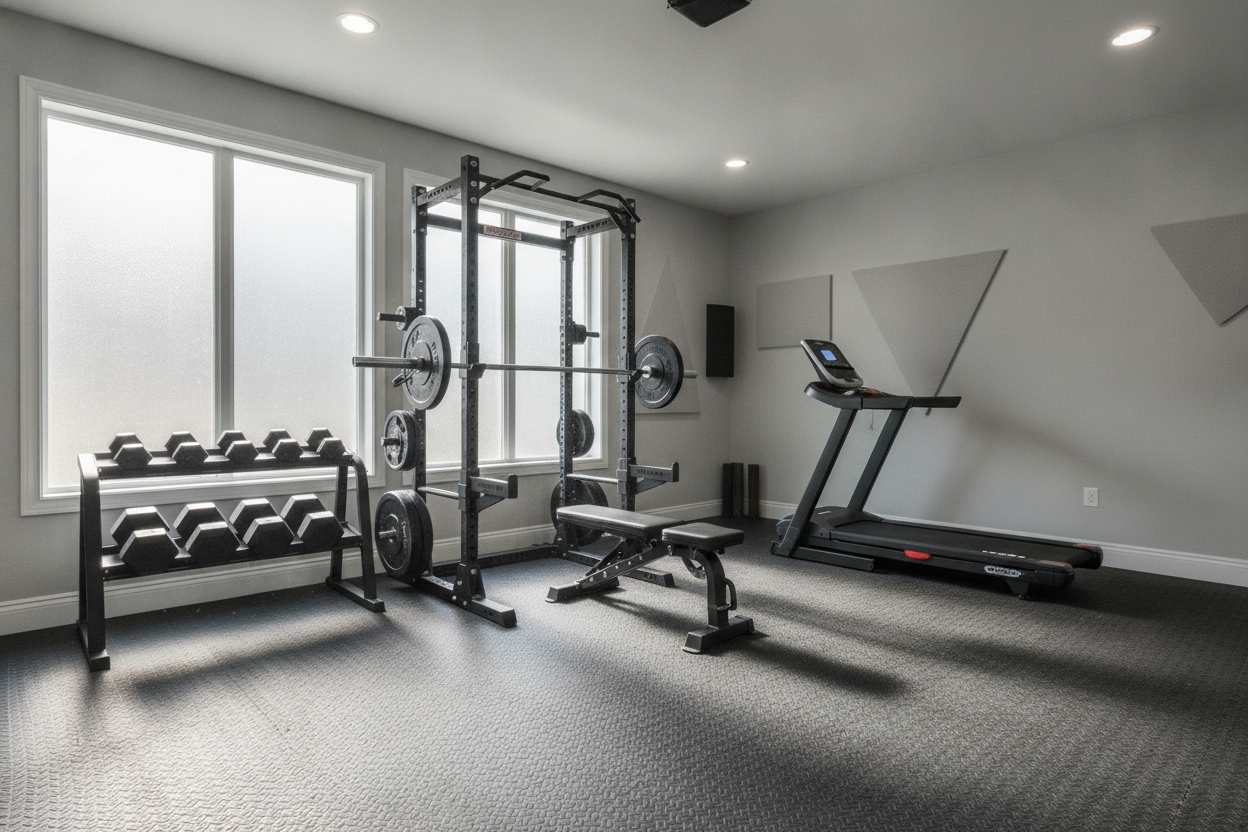
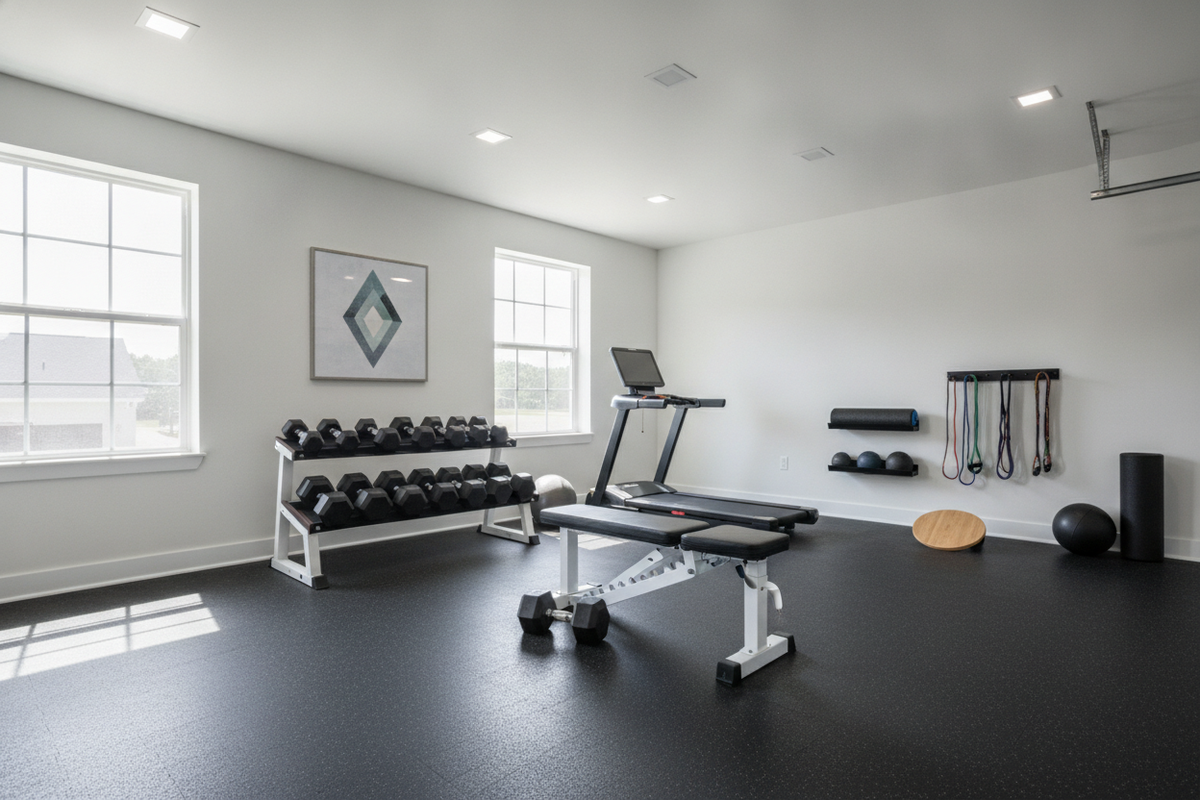
For the first 72 hours, it’s all about gentle activation. I spent about 30 minutes a day on my gym flooring for home workout doing isometric glute squeezes. I’d lie on my back, knees bent, and just try to 'wake up' the injured side without moving the hip. If that felt okay, I moved to tiny pelvic tilts. The goal is blood flow, not fatigue.
Phase 2: Reintroducing the Hinge Pattern
Once I could walk without a limp (usually day 7 to 10), I started using light resistance bands. I’d do banded good mornings and pull-throughs. The band is great because the resistance is lowest at the bottom of the movement—where the glute is most stretched and vulnerable—and highest at the top where the muscle is shortest and strongest.
Phase 3: The Empty Barbell Ego Check
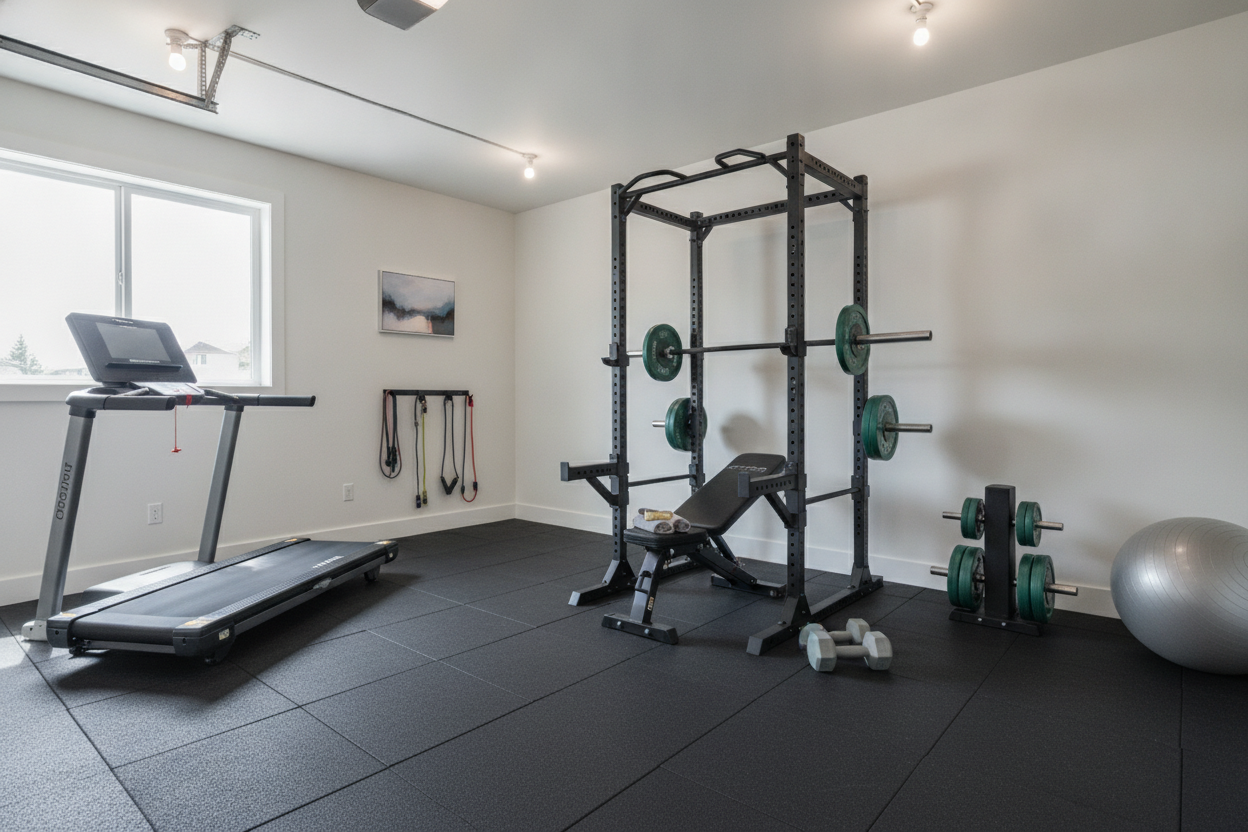
The hardest part of glute strain recovery is the empty barbell. After three weeks, I went back to the rack. I did 5x10 with just the 45-lb bar. It felt light, and my ego hated it, but I was looking for any 'zaps' or sharp pains. I added 10-20 lbs per session, three times a week, until I was back to my working sets. If I felt a tweak, I stopped immediately and regressed to the previous weight.
FAQ
Can I walk with a glute strain?
Yes, and you should. Walking is low-impact and encourages blood flow. If walking causes a sharp pain or makes you limp significantly, use a cane or stay off it for 48 hours, then try again.
Should I stretch a strained glute?
No. Aggressively stretching a torn muscle is like trying to fix a frayed rope by pulling on both ends. It just makes the tear worse. Focus on active range of motion and isometrics instead of static stretching.
When can I back squat again?
When you can perform a bodyweight Bulgarian Split Squat on the injured leg with full depth and zero pain. If you can't handle your own body weight on one leg, you have no business putting a barbell on your back.