I Only Use 4 Pieces of Strength Training Equipment at the Gym
I stepped into a 'Big Box' gym last Tuesday because my garage was a freezing 20 degrees. The first thing I noticed wasn't the rows of cardio gear, but the sheer amount of redundant strength training equipment at the gym. It’s overwhelming, mostly unnecessary, and designed to make you feel like you’re getting a 'high-tech' workout when you’re really just sitting on a padded chair.
Quick Takeaways
- Most commercial machines are space-filler designed for aesthetics, not performance.
- Cables offer constant tension that free weights can't replicate.
- Plate-loaded machines usually feel better and have higher weight capacities than selectorized ones.
- A power rack and a bench can replace 90% of the machines you see.
The Commercial Gym Machine Trap
Gym owners love machines that only do one thing. Why? Because a machine that only works your inner bicep looks impressive to a novice. It justifies that $60 monthly fee. But for those of us who actually train, most of that floor space is just expensive filler. These machines are built to be 'user-friendly,' which usually means they lock you into a fixed movement pattern that might not even fit your limb lengths.
I've seen gyms buy a dozen different chest press variations when two good benches and a rack would do more for the members. They want the floor to look full. They want the chrome to shine. But if you're looking to actually move the needle on your physique or strength, you have to learn to ignore the noise and head for the high-value gear.
Making Sense of the Different Types of Weight Machines
You can break the floor down into three buckets: selectorized (pin-loaded), plate-loaded, and cable systems. Figuring out the different types of weight machines is half the battle. If you aren't sure what a specific lever does, trying to memorize the names of weight lifting machines is a waste of time—just look at the pivot point and the cable path.
Selectorized machines are great for circuit training because you just move a pin, but they often feel 'clunky' because of the internal friction. Plate-loaded machines, like a Hammer Strength row, feel much more natural and closer to a free-weight movement. Cables are the real winners here because they provide constant tension throughout the entire range of motion. Gravity doesn't take a break on a cable crossover like it does at the top of a dumbbell fly.
The Types of Weight Lifting Machines You Should Actually Use
If I'm paying for a guest pass, I'm heading straight for the gear I can't fit in my garage. The lat pulldown is a staple, and a high-end leg press with a 45-degree sled is something most home lifters lack. These specific types of weight lifting machines allow you to push to failure without the stability demands of a barbell. When my lower back is fried from deadlifts, I’m not hitting a heavy barbell row; I’m hitting the seated cable row.
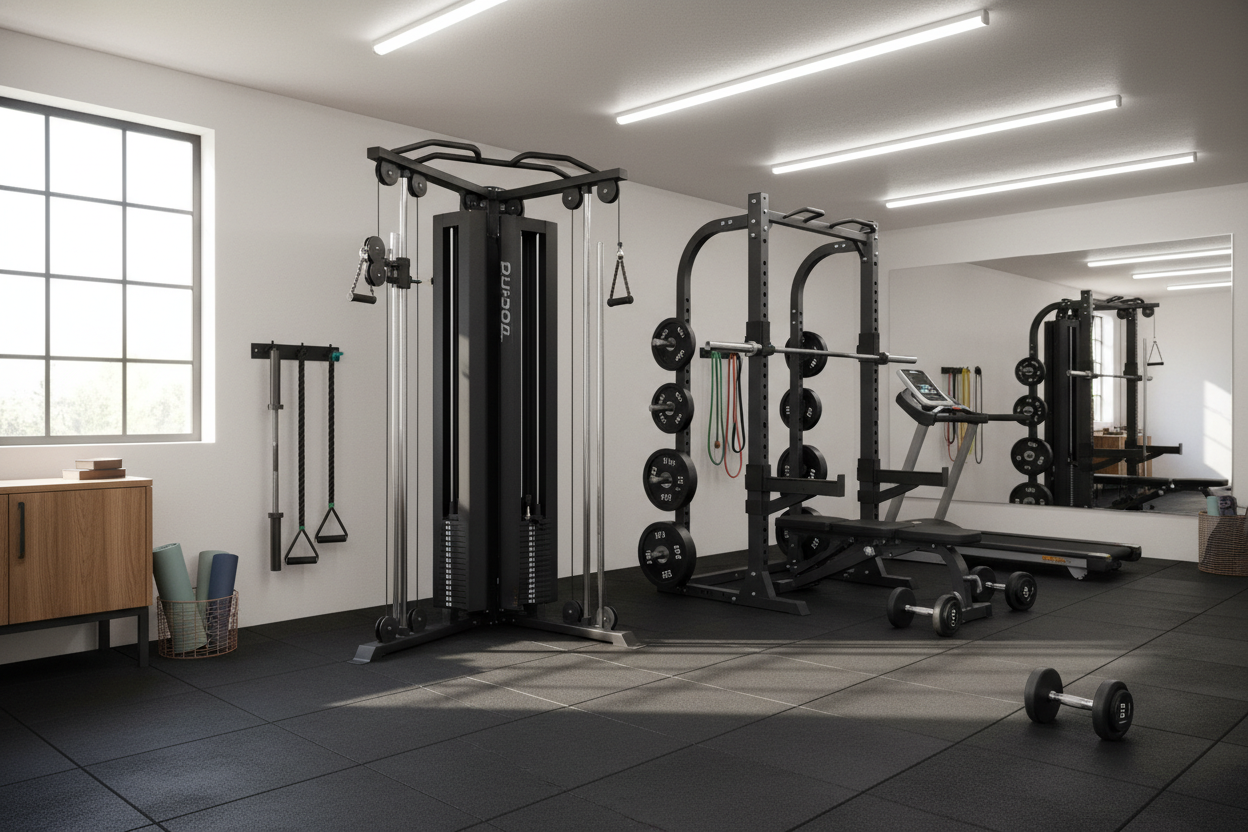
For hypertrophy, a few select weight lifting machines are actually superior for isolating muscles once your main lifts are done. The functional trainer (cable crossover) is probably the most versatile piece of equipment in the building. You can hit face pulls, tricep extensions, and woodchoppers all in one 4x4 footprint. If a machine doesn't offer a unique strength curve or a safety benefit for high-rep sets, I'm walking past it.
Free Weights First, Fancy Levers Second
Don't get distracted by the shiny levers. Your workout should still live and die by the barbell. I see guys spend 45 minutes on five different chest machines and then wonder why their bench press is stalled at 185. You need to pick your strength and weight training equipment for your goals wisely. If you want to get strong, the rack is your home; the machines are just the garnish.
I treat machines as 'finishers.' After I've done my heavy squats or overhead presses, I'll use a machine to squeeze out the last bit of volume. This prevents injury because the machine handles the stabilization for me when I'm fatigued. But if you start with machines, you’re leaving gains on the table. Free weights require balance and core engagement that no machine can simulate.
How I Recreate the Best Gym Machines at Home
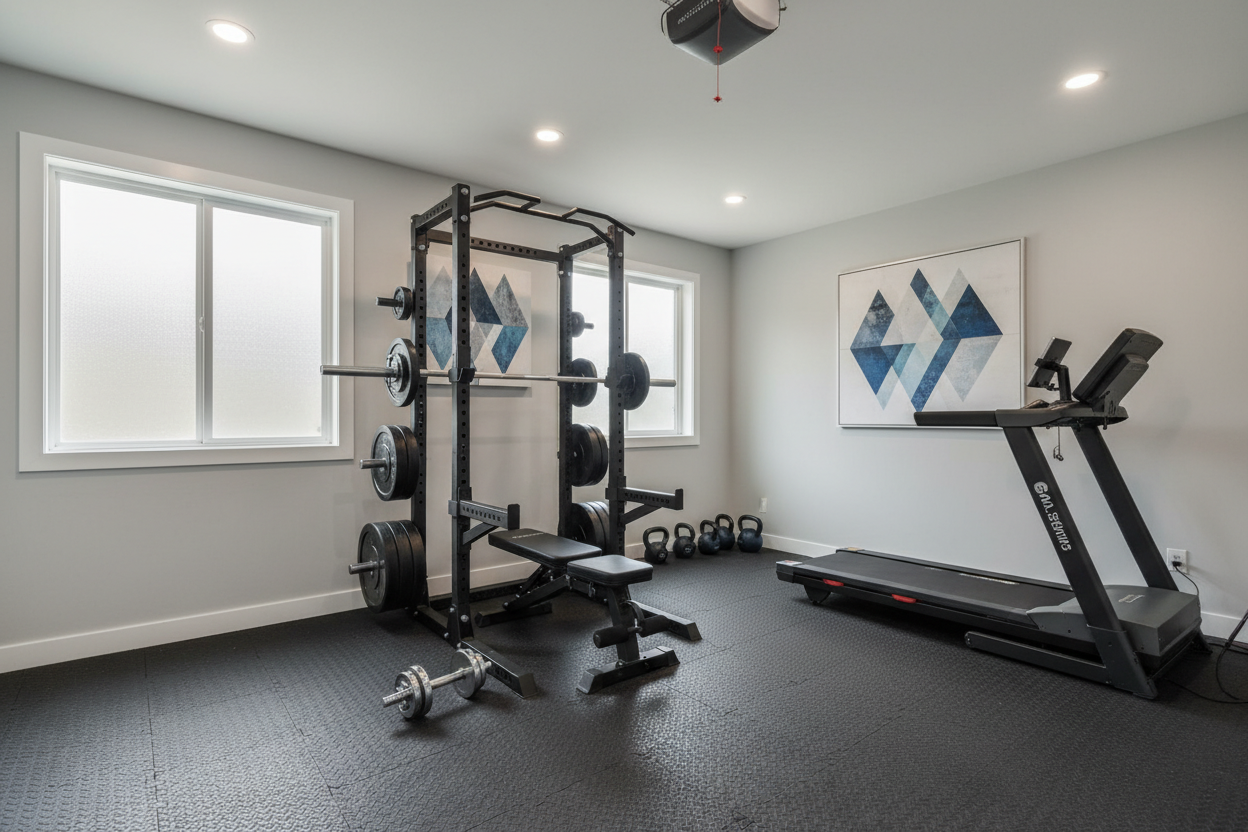
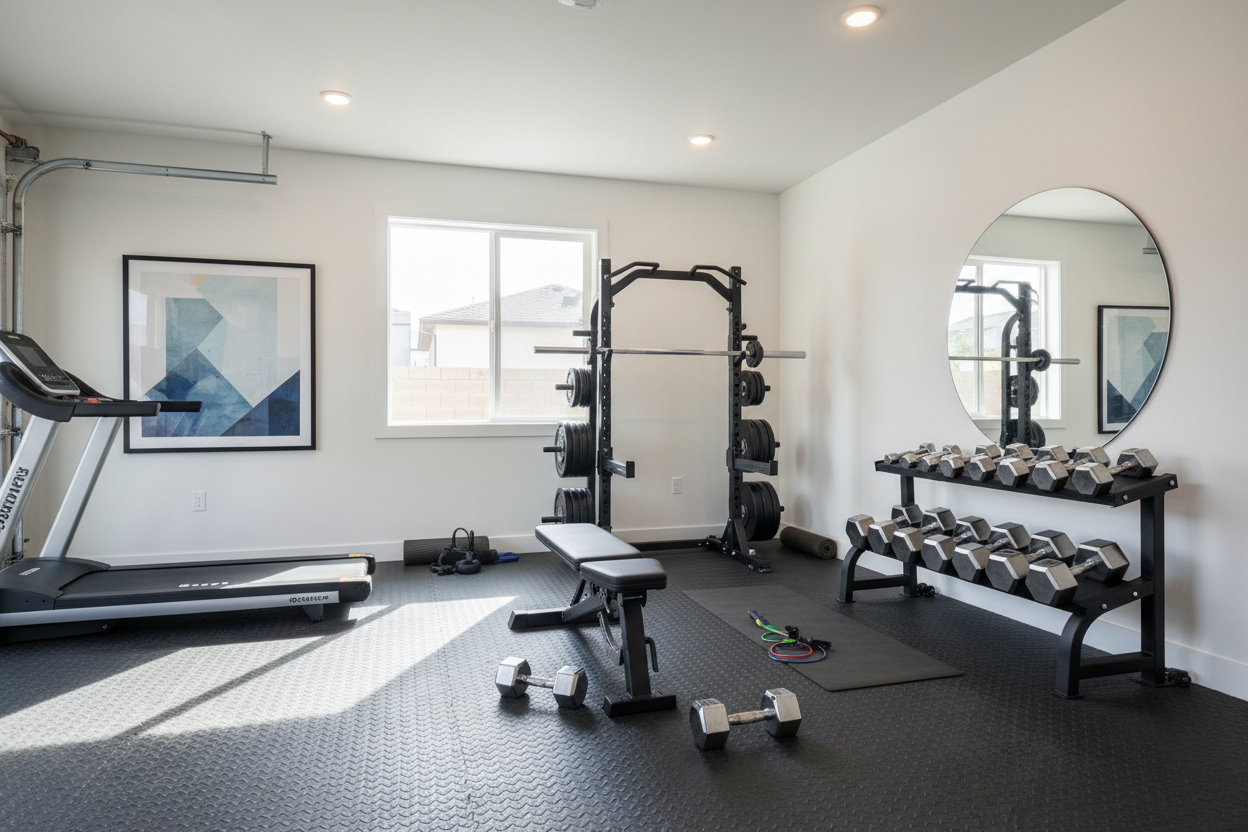
People think they need 2,000 square feet to get a 'real' workout, but that's a lie. I replaced an entire circuit of commercial gear with a single power rack weight bench package. By adding a simple pulley system to the rack, I can do pulldowns, rows, and pushdowns without needing three separate 300-lb towers. It saves space and, honestly, the cable feel is often smoother than the beat-up gear at the local franchise gym.
The secret is the bench. A rock-solid adjustable weight bench replaces a dozen fixed-angle commercial seats. You can do incline, decline, flat, and seated work all on one footprint. When you realize that most 'different' machines are just different angles of the same movement, the home gym suddenly looks a lot more capable. You don't need a room full of metal; you just need the right metal.
My Biggest Mistake
I once spent three months training exclusively on machines because I thought the 'constant tension' was a shortcut to growth. I got a decent pump, sure. But the first time I went back to a heavy squat, my stabilizers felt like wet noodles. I couldn't even balance 70% of my old max. I learned the hard way that machines are tools for finishing a muscle, not for building a foundation. Use them, don't rely on them.
FAQ
Are machines safer than free weights?
Not necessarily. While you can't drop a machine on yourself, they lock you into a fixed path that might not suit your specific joint mechanics, which can lead to overuse injuries in your shoulders or knees.
Should I use the Smith machine?
Only for specific things like calf raises or shrugs. For pressing, the fixed vertical path is usually a shoulder-killer because it doesn't allow for the natural 'J-curve' of a bench press.
What is the best machine for legs?
A plate-loaded leg press or a hack squat. They let you move serious weight and target the quads without your lower back or grip strength being the limiting factor.