I Lived Like Everyday is Legs Day for a Month (Here is the Reality)
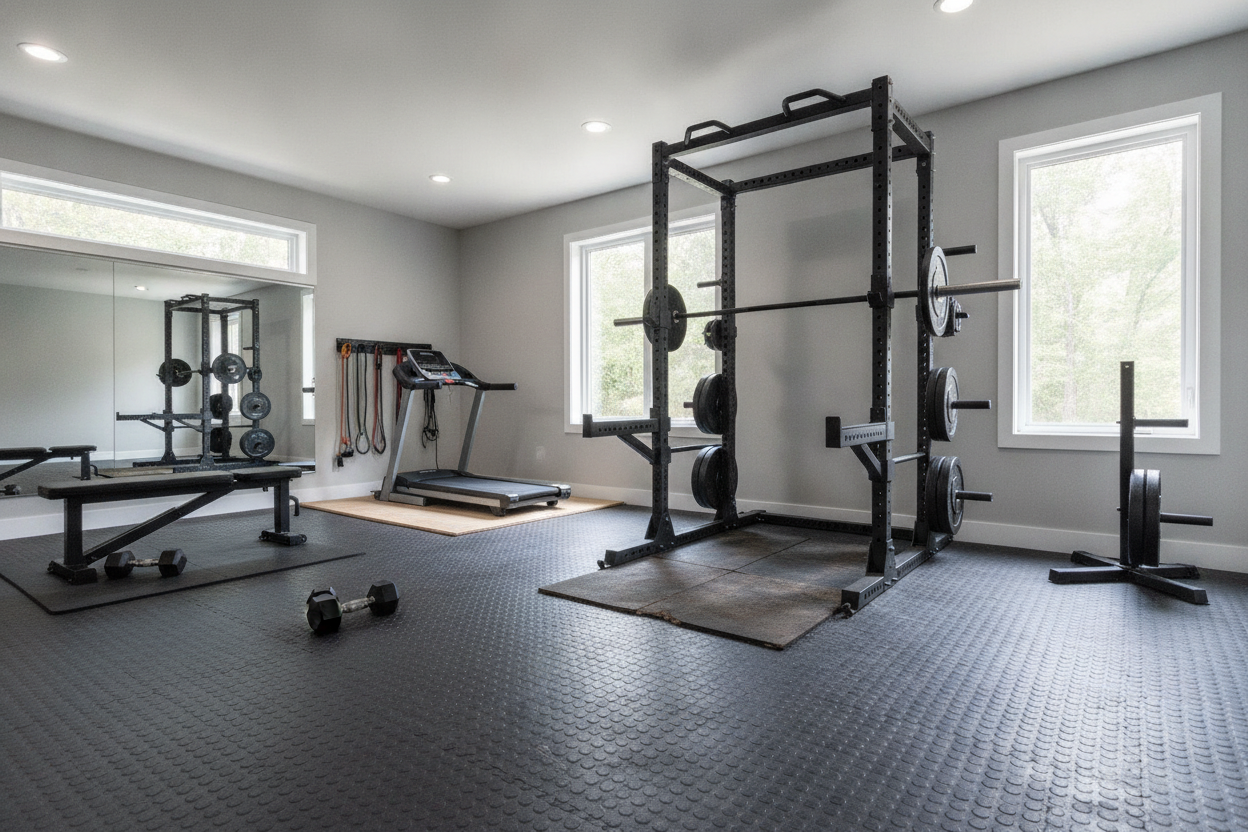
I was staring at my power rack last month, feeling like a bit of a fraud. I’ve spent more hours in my garage gym than I have in my own living room, but my quad development had hit a plateau that no amount of 'trusting the process' could fix. I saw that meme about how everyday is legs day and, instead of scrolling past, I decided to actually live it for 30 days. I wanted to see if my legs would explode or if I’d just end up needing a walker by week three.
Quick Takeaways
- Intensity management is more important than the weight on the bar.
- Your nervous system will give out long before your muscles do.
- Mobility work isn't optional; it’s survival.
- Sleep and calories are the only things that keep the wheels from falling off.
Why I Decided to Squat Daily (And Ignore the Internet)
The internet is full of people telling you that training legs more than twice a week will lead to instant overtraining and catastrophic injury. I’ve always been skeptical of that kind of dogmatic advice. I wanted to test the limits of my own recovery protocols and see if 'leg day everyday' was a viable strategy for a seasoned lifter. Before I started this madness, I took a look at some of the more sustainable routines in our workout hub just to have a baseline of what a sane person would do. But I chose the hard path anyway.
My motivation was simple: I wanted more density in my quads and a stronger squat. I figured that by increasing the frequency, I could accumulate a massive amount of volume without the 2-hour-long sessions that leave you puking in a bucket. It was an experiment in high-frequency, moderate-intensity training that most people are too scared to try.
The Golden Rule: You Can't Max Out Every Single Session
If you’re asking 'can you train legs everyday,' the answer is a qualified yes. But you have to understand undulating periodization. If you try to hit a 1-rep max back squat every morning, you’ll be in a physical therapy office by Friday. I learned quickly that you have to rotate your movements and your loads. I’d do heavy barbell squats on Monday, but Tuesday would be light dumbbell lunges or high-rep goblet squats.
I treated this similar to how some people try to workout my whole body everyday. You have to manage the 'fatigue debt' you’re accruing. Some days, 'leg day' was just 10 minutes of bodyweight squats and some mobility work. The goal was frequency, not constant destruction. By alternating heavy, medium, and light days, I was able to keep the momentum going without my knees feeling like they were filled with crushed glass.
Week 1 vs Week 4: The Physical and Mental Toll
Week one was absolute hell. The DOMS (delayed onset muscle soreness) was so aggressive that getting off the toilet required a strategic plan. I felt like I’d been hit by a truck, and my motivation was at an all-time low. This is the stage where most people quit and decide that 'leg workout everyday' is a myth. But by week two, something strange happened: the soreness started to fade. My body just... accepted its fate.
By week four, the training legs everyday results were becoming clear. My jeans were tighter, and my squat form felt like it was on autopilot. However, the mental fatigue was real. I spent more time on my large gym flooring mat doing active recovery and stretching than I did actually lifting. The 'grind' wasn't physical anymore; it was the sheer monotony of knowing that no matter how tired I was, I had to move some weight with my legs.
Is It Actually Bad to Hit Your Lower Body Every Day?
Is it bad to hit legs everyday? It depends on your joints and your ego. If you have a history of patellar tendonitis or hip impingement, this routine will find those weaknesses and exploit them. The central nervous system (CNS) fatigue is the real danger. You’ll find yourself staring at the wall for twenty minutes before a set, not because your muscles are tired, but because your brain is fried.
I’ve tried to workout shoulders everyday in the past, and the recovery is vastly different. Shoulders are small and recover quickly; legs involve the largest muscle groups in the body and a massive amount of systemic stress. If your form isn't 100% perfect, the daily repetition will turn a minor tweak into a chronic injury very fast. I had to swallow my pride and drop the weight several times just to protect my lower back.
Final Verdict: Who Is This Brutal Routine Actually For?
So, should you do legs everyday? Probably not. For 95% of lifters, a standard split is going to yield better results with far less risk. This 30-day experiment was a great way to break a plateau and prove a point to myself, but it’s not a sustainable lifestyle. My legs got thicker and my squat improved, but the cost was a total lack of energy for anything else in my life.
If you’re an elite weightlifter or someone with world-class recovery and no job, go for it. For the rest of us in our garage gyms, stick to three or four days of lower body work and spend the rest of your time actually enjoying the strength you’ve built. I’m glad I did it, but I’m even happier that tomorrow is officially 'not legs day.'
FAQ
Can I do leg day everyday?
Technically yes, but you must vary the intensity and exercises. You cannot go heavy every day without causing injury or severe CNS burnout.
Is it okay to workout legs everyday for muscle growth?
It can work for a short 'overreaching' phase of 3-4 weeks, but most people will see better hypertrophy with 2-3 high-intensity sessions per week followed by adequate rest.
Will training legs everyday hurt my knees?
If your form is poor or you use too much weight too often, yes. Daily frequency requires impeccable technique and a lot of focus on mobility and soft tissue work.