I Ignored Trendy Exercises Moves for a Year (Here's What Happened)
I remember scrolling through my feed at 11 PM, watching a guy do a pistol squat on a BOSU ball while juggling 10lb plates. It looked cool, but my knees hurt just watching it. That's the problem with modern exercises moves—they prioritize the 'wow' factor over the 'weight' factor.
For a year, I fell for it. I swapped my heavy squats for 'unstable surface' work and my bench press for some weird cable fly-crossover hybrid. My strength plummeted, and my physique softened. Then I went back to the basics, and everything changed.
- Novelty is the enemy of progressive overload.
- Your brain learns a move before your muscles grow.
- Boring lifts build the best physiques.
- Consistency beats 'muscle confusion' every time.
The Instagram Trap of 'Muscle Confusion'
Social media is a literal machine designed to reward novelty. If an influencer posts a standard deadlift for the 50th time, the algorithm ignores it. But if they invent some bizarre new exercising moves involving resistance bands and a pull-up bar, it goes viral. We've been conditioned to think that if we aren't confused, our muscles aren't growing.
This 'muscle confusion' myth is a lie. Your muscles don't have brains; they have tension receptors. They don't know if you're doing a 'Z-press with a twist' or a standard overhead press; they just know how much force they have to produce. When you constantly rotate your roster of movements, you're just doing junk volume that looks good on camera but does nothing for your total tonnage.
Why Your Body Actually Hates New Fitness Moves
When you try new workouts moves, the first few weeks are almost entirely neurological. Your central nervous system (CNS) is frantically trying to figure out the coordination and balance required for the movement. You might feel 'sore,' but that's often just the result of novel stress, not actual hypertrophy.
Think about the first time you tried a Bulgarian split squat. You probably wobbled like a newborn deer. You weren't limited by your quad strength; you were limited by your balance. If you switch your workout movement every three weeks, you spend 90% of your time in that 'learning' phase and 10% actually pushing the muscle to failure. You're becoming a better 'mover,' but you aren't becoming a bigger human.
The Hidden Cost of Constantly Chasing Novelty
The biggest cost of chasing fitness moves is the death of data. If I squat 315 lbs for five reps this week, I know exactly what I need to do next week: 320 lbs or six reps. That's progressive overload. It's measurable. It's honest.
If I swap that squat for a 'landmine lateral lunge with a press,' I have no baseline. I'm starting from zero. You can't manage what you can't measure. When you constantly change the variables, you lose the ability to track the one thing that actually builds muscle: doing more work over time.
The Boring Exercise Workout Moves That Actually Work
Real progress happens in the mundane. You need to squat, hinge, push, pull, and carry. That is the 90%. If you want to see results, you need to get comfortable with the idea of doing the same exercise workout moves for months, not days. This doesn't mean you can't have variety, but that variety should be structured.
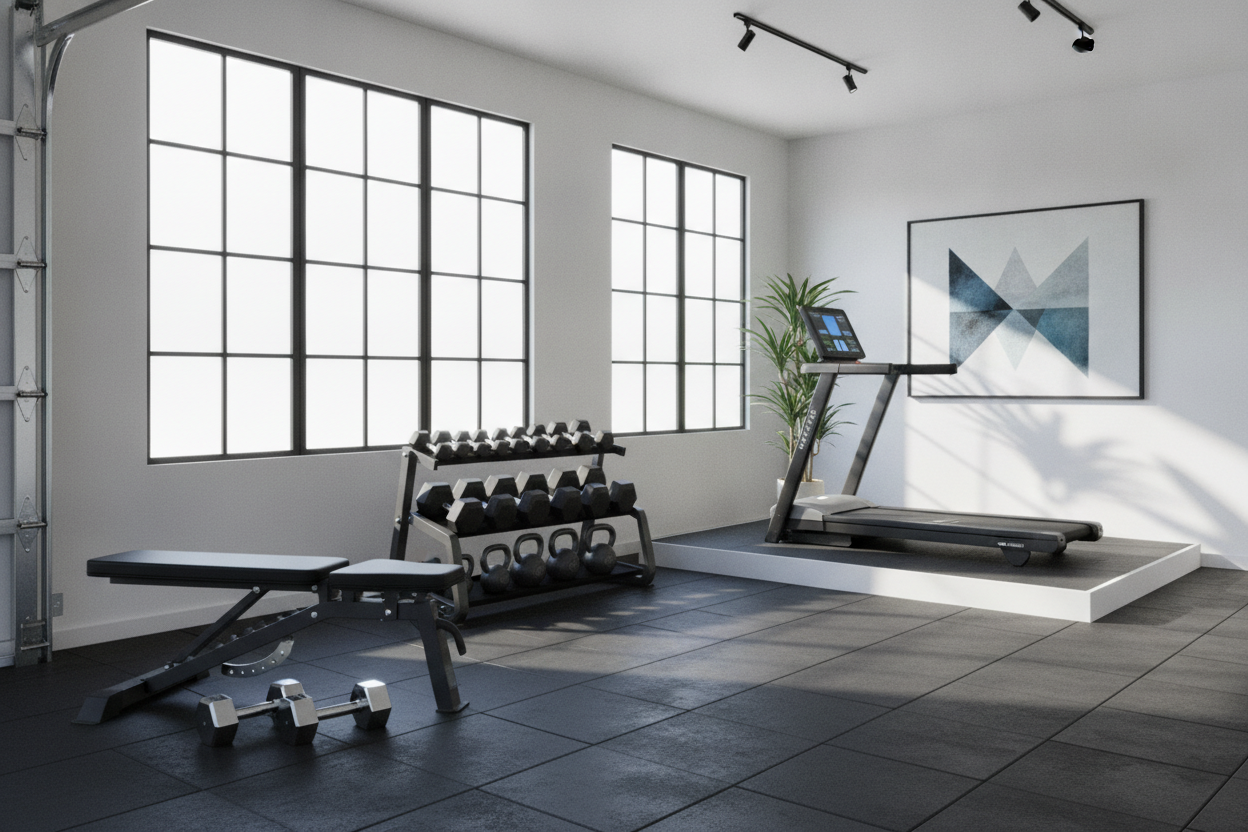
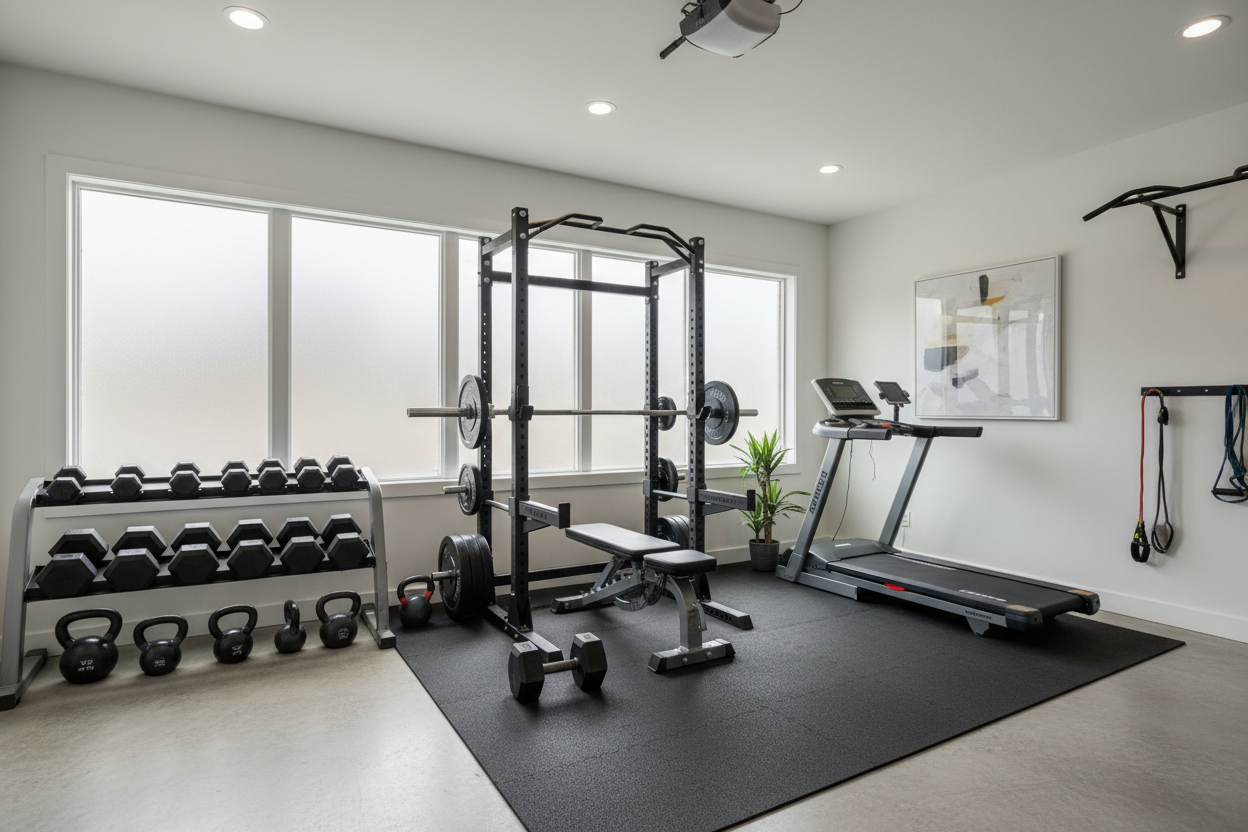
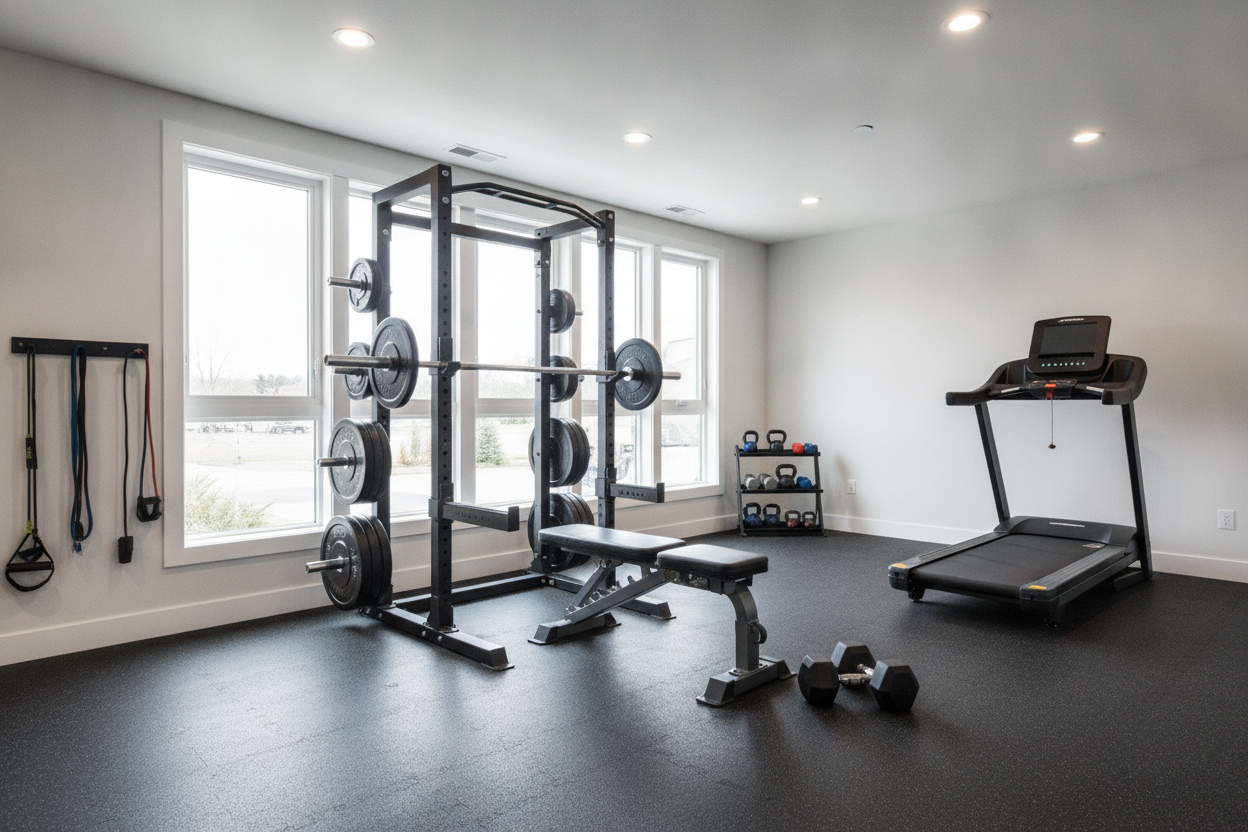
For example, if you're training in a garage, you can build a killer exercise at home workout plan using unilateral moves. Instead of inventing a circus trick, you just switch from a bilateral squat to a split squat. The mechanics stay similar, but you address imbalances without losing the ability to load the movement heavily. It's about being effective, not entertaining.
How to Add Variety Without Ruining Your Progress
If you're bored, don't change the exercise—change the execution. Try a 3-second eccentric (lowering) phase. Narrow your grip by an inch. These small tweaks provide enough 'newness' to keep you engaged without resetting your progress. I also recommend setting up a dedicated space where you don't have to worry about the floor. A solid 6x8ft exercise mat gives you enough real estate to stay stable so you can focus on muscular tension rather than trying not to slip on your hardwood floors.
If you need a roadmap that doesn't involve dancing with dumbbells, check out the Workout Hub for routines that actually prioritize the basics. Stop looking for the 'secret' move. The secret is doing the same three moves until you're strong enough to move a house.
Personal Experience: The Functional Trap
Two years ago, I ditched my power rack for a 'functional flow' program. I spent forty minutes a day doing animal crawls and rotational swings. I felt 'limber,' but I also lost 40 lbs on my bench press and my shirts started fitting loose. I realized I was exercising, but I wasn't training. I went back to a basic 5x5 program on a flat surface, and within three months, I looked and felt twice as strong. Sometimes, 'boring' is exactly what the doctor ordered.
FAQ
How often should I change my exercises?
Every 8 to 12 weeks is plenty. Even then, only swap 20% of the movements. Keep the big lifts as your permanent anchors.
What if I get bored with the same routine?
Chase performance, not variety. It's hard to be bored when you're adding 5 lbs to the bar every week. The high comes from the progress, not the move itself.
Can I build muscle with just bodyweight moves?
Yes, but the same rules apply. Master the chin-up and the dip before you try some 'inverted pike press' you saw on TikTok. Basics build the base.