I Flipped Used Gym Equipment and Weights for Sale for a Year
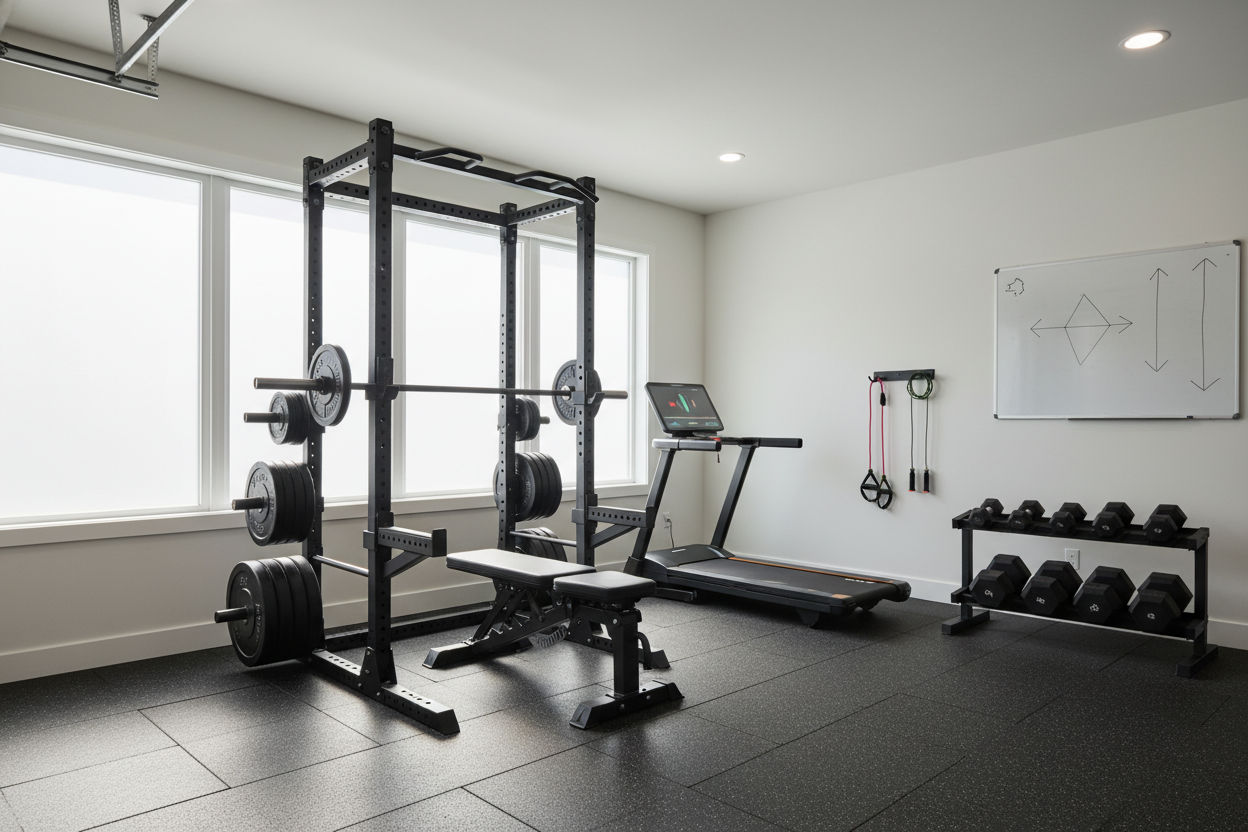
I remember the exact moment I decided to quit my commercial gym. It wasn't the broken cable machine or the questionable locker room smell—it was the third price hike in two years. I went home, opened a marketplace app, and started hunting for gym equipment and weights for sale to build my own sanctuary.
What started as a search for a single pair of 45s turned into a year-long obsession with flipping gear. I spent my Saturdays driving to suburban garages, loading rusty iron into my trunk, and learning exactly what makes a piece of equipment worth its weight and what belongs in a scrap yard. I eventually funded my entire dream rack just by being the guy who knew a deal when he saw one.
Quick Takeaways
- Cast iron is almost always salvageable; bent barbells are trash.
- Avoid 'standard' 1-inch plates if you plan on lifting heavy long-term.
- Check the weld quality on benches—your safety depends on it.
- Time is money; sometimes buying a new bundle beats driving three hours for a $20 discount.
Why I Started Stalking the Local Marketplaces
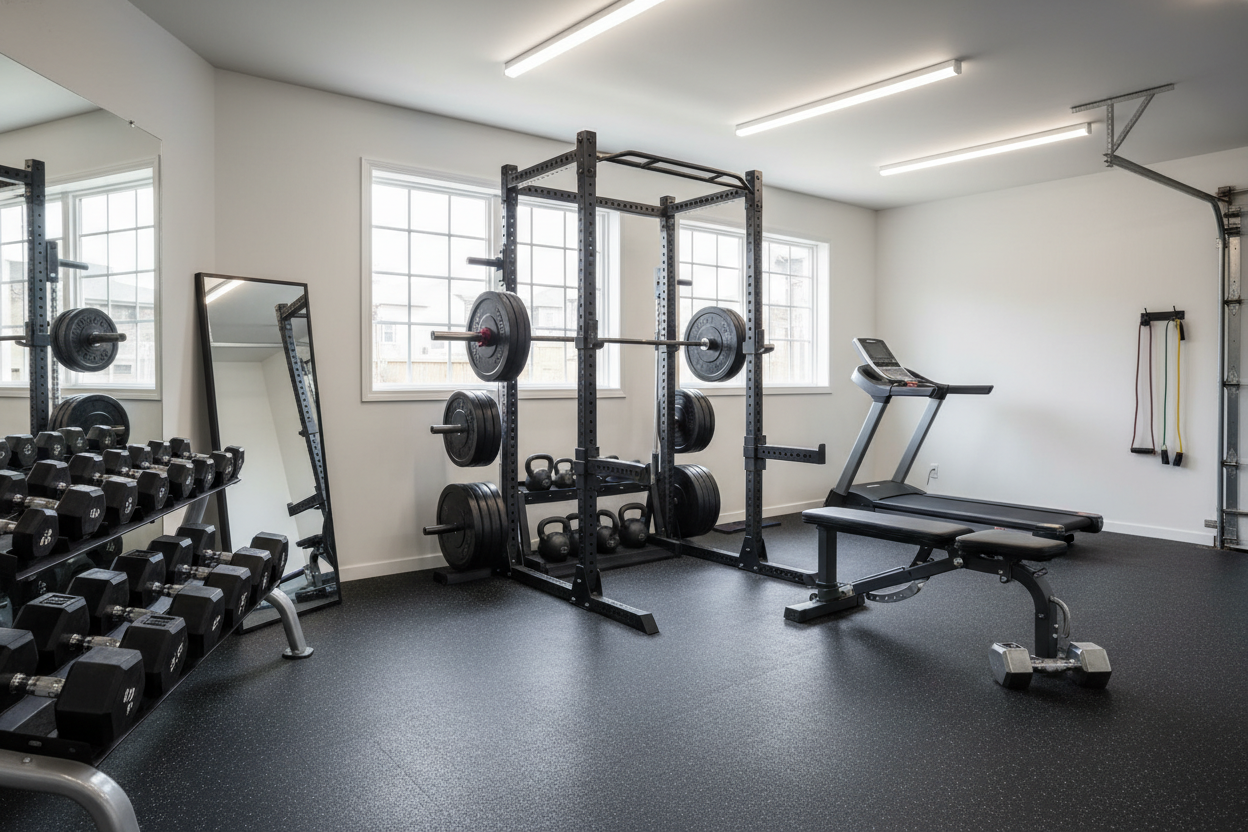
My goal was simple: a power rack, a solid bar, and enough iron to make me sweat. But retail prices for new gear can be a gut punch. I realized that for every person building a home gym, there are three people selling theirs because it became a high-end clothes rack. Searching for gym equipment weights for sale became my second job.
I started small. I’d buy a pair of dumbbells for $0.50 a pound, scrub off the surface rust with a wire brush, and sell them for $1.00 a pound. That profit went straight into my 'Barbell Fund.' Within six months, I had traded my way up from a flimsy squat stand to a commercial-grade power cage without touching my savings account.
Red Flags to Watch for When Buying Used Iron
Not all iron is created equal. The biggest trap for beginners is buying 'sand-filled' plastic weights. They’re bulky, they leak, and they’re impossible to sell once you realize they’re garbage. If you see a listing where the plates look extra thick and are encased in cheap vinyl, keep scrolling.
When it comes to barbells, look for the 'smile.' If you can see even a slight curve in the shaft when it’s sitting on a rack, it’s done. A bent bar creates uneven torque on your wrists and shoulders. Also, check the sleeves. If they don't spin freely, the bearings or bushings are shot, and you’ll feel that 'clunk' every time you try to clean or press.
The Hidden Gems Actually Worth Your Cash
Old-school cast iron is the gold standard of the used market. Brands like York, Ivanko, or even unbranded 'deep dish' plates are virtually indestructible. A little Vinegar soak and some spray paint can make a 30-year-old plate look brand new. These are the items that hold their value forever.
Rubber is trickier. Used bumper plates often have cracked centers or 'taco' (warp) if they’ve been stored poorly. If you can't find high-density rubber that isn't crumbling, you're better off skipping the used market for this specific item. Investing in new, reliable bumper plate sets is crucial for protecting your floors and keeping the noise down if you're training in a garage.
How to Tell if a Bench Will Actually Survive
I’ve sat on benches that felt like they were made of toothpicks and prayers. When you're looking at a used bench, don't just look at the padding. Look at the gauge of the steel and the width of the tripod or base. If the seller won't let you put some weight on it before buying, walk away.
A lot of the 'entry-level' stuff you find online has a weight capacity of 300 lbs—and that includes your body weight. If you're a 200-lb lifter, that leaves only 100 lbs for the bar. That’s a recipe for a trip to the ER. I eventually stopped buying used benches altogether because the peace of mind from a heavy-duty adjustable weight bench designed for serious lifting is worth every penny of the retail price.
Stop Trying to Build a Mini Planet Fitness
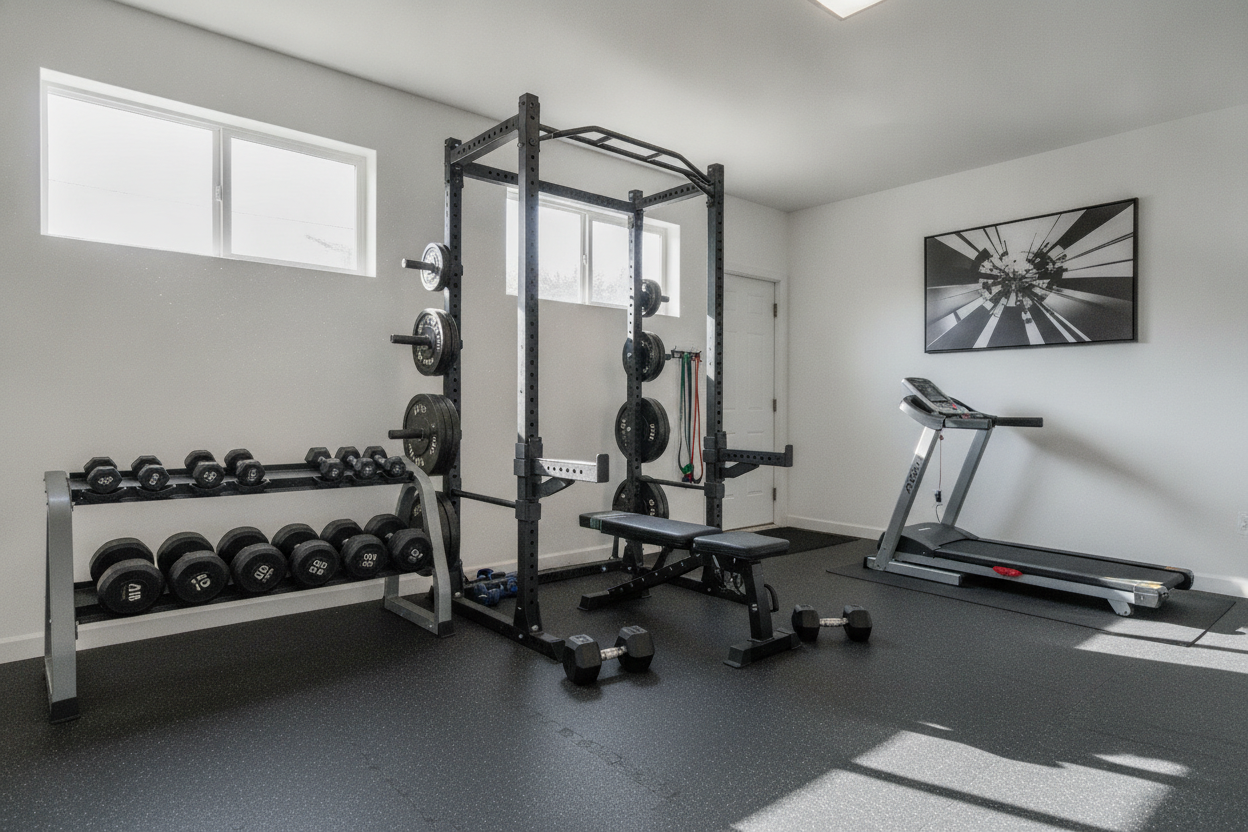
The biggest mistake I see in garage gyms is the 'machine creep.' People find a deal on a leg press or a cable crossover and jump on it because it looks 'professional.' In a 400-square-foot garage, that machine is a tombstone for your floor space. You want versatility, not a dedicated machine for your left calf muscle.
You need to buy weight training equipment for home with a different mindset than a commercial gym owner. Focus on the 'Big Three'—a rack, a bar, and plates. A single kettlebell and a pair of rings will do more for your physique than a bulky, used Smith machine that takes up half your parking spot.
When You Should Stop Hunting and Just Buy New
After a year of flipping, I realized that my time had a price tag. Spending four hours on a Saturday to save $40 on a pair of rusty 45s started to feel like a losing move. There is a point where the 'hunt' stops being fun and starts delaying your actual progress. If you’re still lifting milk jugs because you’re waiting for the 'perfect' marketplace deal, you’re doing it wrong.
If you want to skip the headache of mismatched plates and sketchy sellers, just grab a matching weight set and bench. You get the warranty, you know the equipment is safe, and you can actually start training today instead of refreshing a feed at midnight. Use the marketplace for the 'extras,' but buy your foundation new.
FAQ
Is rust on weights a dealbreaker?
Not at all. Surface rust is purely cosmetic. A wire brush and a can of 3-in-1 oil or spray paint will fix it. However, if the rust is 'pitting' (creating deep holes in the metal), the weight might actually be lighter than advertised.
How do I know if a barbell is good quality?
Look for the snap rings at the end of the sleeves. If you see a bolt at the end of the bar, it’s likely a cheap 'big box' bar that won't handle heavy loads or have a good whip. High-quality bars use snap rings.
Should I buy used dumbbells or new ones?
Dumbbells are expensive to ship, so the used market is usually great for them. Just make sure the heads aren't loose. If a hex dumbbell's head wiggles, it’s a safety hazard and cannot be easily fixed.