I Fixed My Grinding Joints With These back exercises for shoulder pain
I remember the exact moment my shoulder gave up. I was mid-way through a set of 225 on the bench, and my right shoulder made a sound like a handful of gravel in a blender. I spent the next six months doing those pathetic internal and external rotation drills with a light resistance band. It did nothing. My shoulder still felt like it was being pinched every time I reached for a heavy dumbbell or even just reached into the backseat of my truck.
The fix wasn't more stretching; it was more pulling. I had to stop babying the joint and start building the muscles that actually support it. Once I started prioritizing back exercises for shoulder pain, the grinding stopped. My bench numbers actually went up because I finally had a stable platform to push from. You can't fire a cannon from a canoe, and you can't bench heavy with a back like a wet noodle.
Quick Takeaways
- Stop Stretching: Your shoulder probably isn't tight; it's unstable. Excessive mobility without strength is a recipe for injury.
- The 2:1 Rule: For every pushing set you do, you need two pulling sets to balance the tension on the joint.
- Support the Chest: Take the lower back out of the equation with inclined benches to isolate the rhomboids.
- Heavy Carries: Build isometric stability that bands can't touch by walking with heavy weights.
Why Your 'Shoulder Issue' is Actually a Weak Upper Back
Most of us in the home gym community are guilty of mirror-muscle syndrome. We see the chest and shoulders in the glass, so we hammer the bench press and the overhead press. Meanwhile, the rhomboids and lower traps—the muscles that actually hold your shoulder blade in place—are ignored. When your upper back is weak, your humerus slides forward in the socket, causing that familiar 'impingement' feeling that makes every rep a chore.
You need a specific back shoulder pain exercise that forces the scapula to retract and depress under load. If you keep hitting the front delts without balancing the rear, you’re just pulling your skeleton out of alignment. You have to stop treating back pain and shoulder pain separately. The thoracic spine, the shoulder blade, and the arm bone are a single unit. If the spine is stiff and the back is weak, the shoulder takes the hit every time.
The 3 back exercises for shoulder pain I Swear By
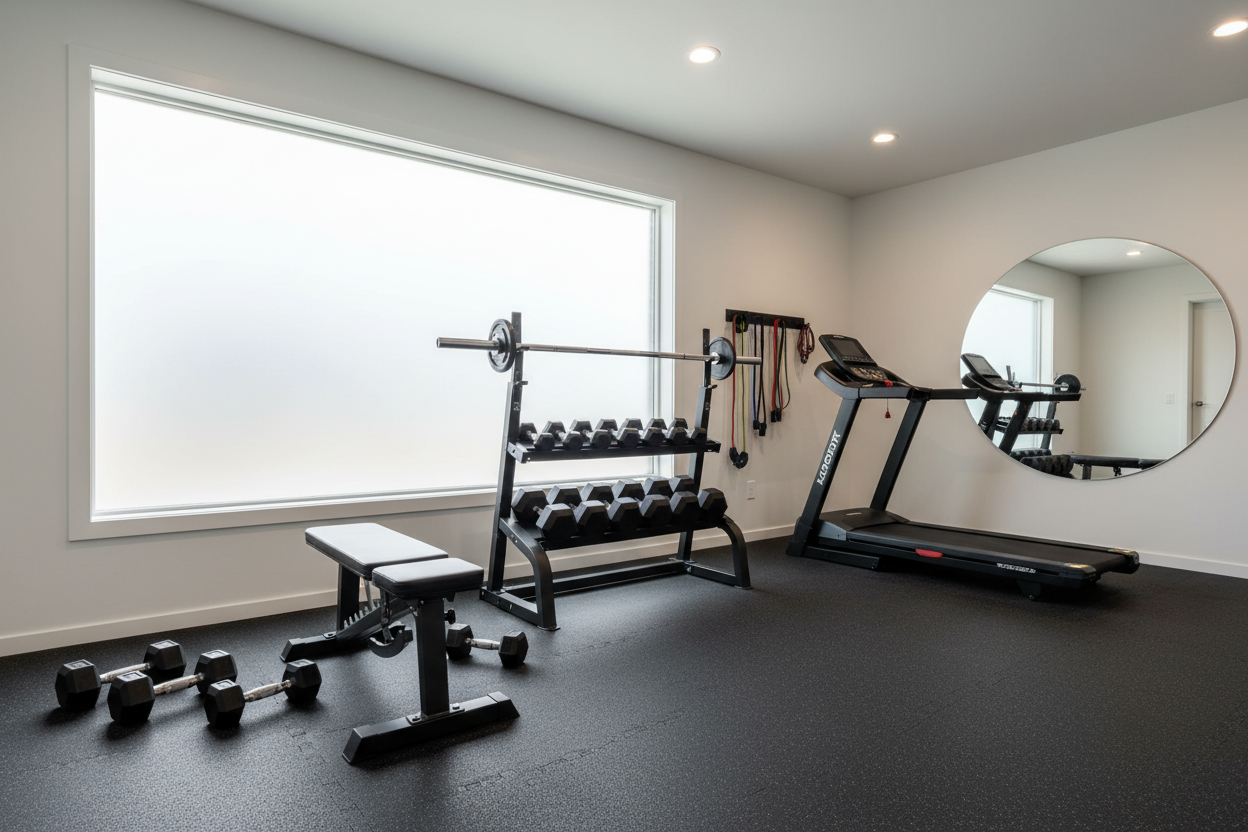
I stopped doing 'fluff' work and moved to three staples. First is the chest-supported dumbbell row. I set my adjustable bench to a 45-degree incline and lay face down. This kills the momentum. You can't use your hips to swing the weight like you're starting a lawnmower. Focus on pulling your elbows past your ribs and squeezing your shoulder blades together. I usually grab my 60-lb rubber hex dumbbells for sets of 12. It’s boring, but it works.
Next is the single-arm dead-stop row. This is a back shoulder pain exercise that builds serious concentric power. You set the dumbbell on the floor, get into a tripod stance with one hand on the rack, and rip it up. The 'dead stop' at the bottom resets your posture every single rep. This prevents the rounded-shoulder slouch that happens when you get tired during high-rep sets. It’s a raw, heavy movement that forces the rear delt and trap to do the heavy lifting.
Finally, heavy farmer's carries. These are the most underrated movement for shoulder health. Grab the heaviest kettlebells or dumbbells you can hold for 30 seconds and walk. The sheer weight forces your traps and rotator cuff to fire just to keep your arms in their sockets. It’s the ultimate stability builder. I’ve found that carrying 100 lbs in each hand for 40 yards does more for my joint integrity than any 5-lb band drill ever could. It also builds a grip like a vise, which helps when you transition back to heavy barbell work.
How to Program This back shoulder pain workout
You don't need to scrap your current routine. You just need to change the volume ratio. If you're doing 10 sets of chest per week, you should be doing 20 sets of back. I integrate these pulls into my back shoulder pain workout by supersetting every push move with a pull. Bench pressing? Superset it with the chest-supported rows. Overhead pressing? Superset it with face pulls or pull-ups. This keeps the posterior chain 'on' throughout the entire session.
The goal is the scapular stability method for lasting back shoulder pain relief. We aren't just trying to get a pump; we’re teaching the shoulder blades to sit back and down under stress. I prefer the 10-15 rep range for rows to maximize time under tension. If you rush the reps, you’re using momentum, and momentum doesn't build stability. Control the lowering phase for a full two seconds on every single rep.
Don't Ruin Your Heavy Rows With Bad Footing
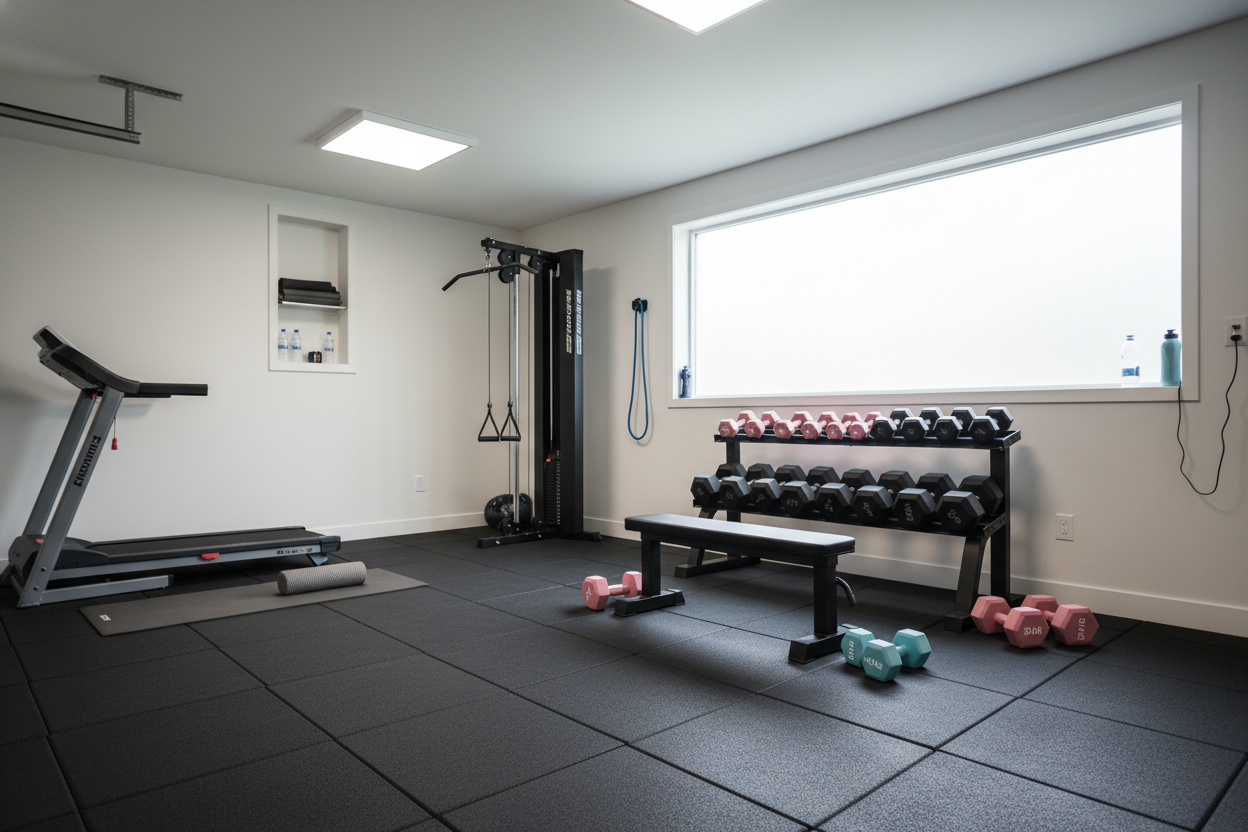
I learned this the hard way in my first garage setup. I was trying to pull 100-lb rows on bare, dusty concrete. My back foot slipped, I twisted, and I spent a week on the couch with a strained lat. You cannot generate power or maintain a stable shoulder if your feet are sliding around. Those cheap, 1/2-inch foam puzzle mats from big-box stores are just as bad—they compress and shift under heavy loads, which ruins your leverage.
I eventually upgraded to a heavy-duty 6X8Ft Exercise Mat Yoga Mat Gym Flooring For Home Workout. You need a high-density surface that grips your shoes and doesn't budge when you’re doing unilateral work. A solid base allows you to drive through your legs, which actually takes the unnecessary strain off the smaller joints in your shoulder and puts it back on the big muscles of the back where it belongs. If you're training on a slick surface, you're just waiting for an injury.
FAQ
Can I do these exercises if my shoulder already hurts?
If it’s a sharp, stabbing pain, stop and see a physical therapist. But if it’s just that dull, chronic ache or 'clicking' when you move, these movements usually help. Start light, focus on the squeeze, and stay in a pain-free range of motion. Never push through sharp pain.
How long until the grinding stops?
It won't happen overnight. I noticed a significant difference after about four weeks of consistent 2:1 pull-to-push volume. Your connective tissues need time to adapt to the new tension and your brain needs time to learn how to use your back muscles again.
Do I need a special bench for chest-supported rows?
Any adjustable bench works. If you only have a flat bench, you can prop one end up on a couple of 45-lb bumper plates to create an incline, though a dedicated adjustable bench is much safer for heavy sets. The key is having your chest supported so your spine stays neutral.