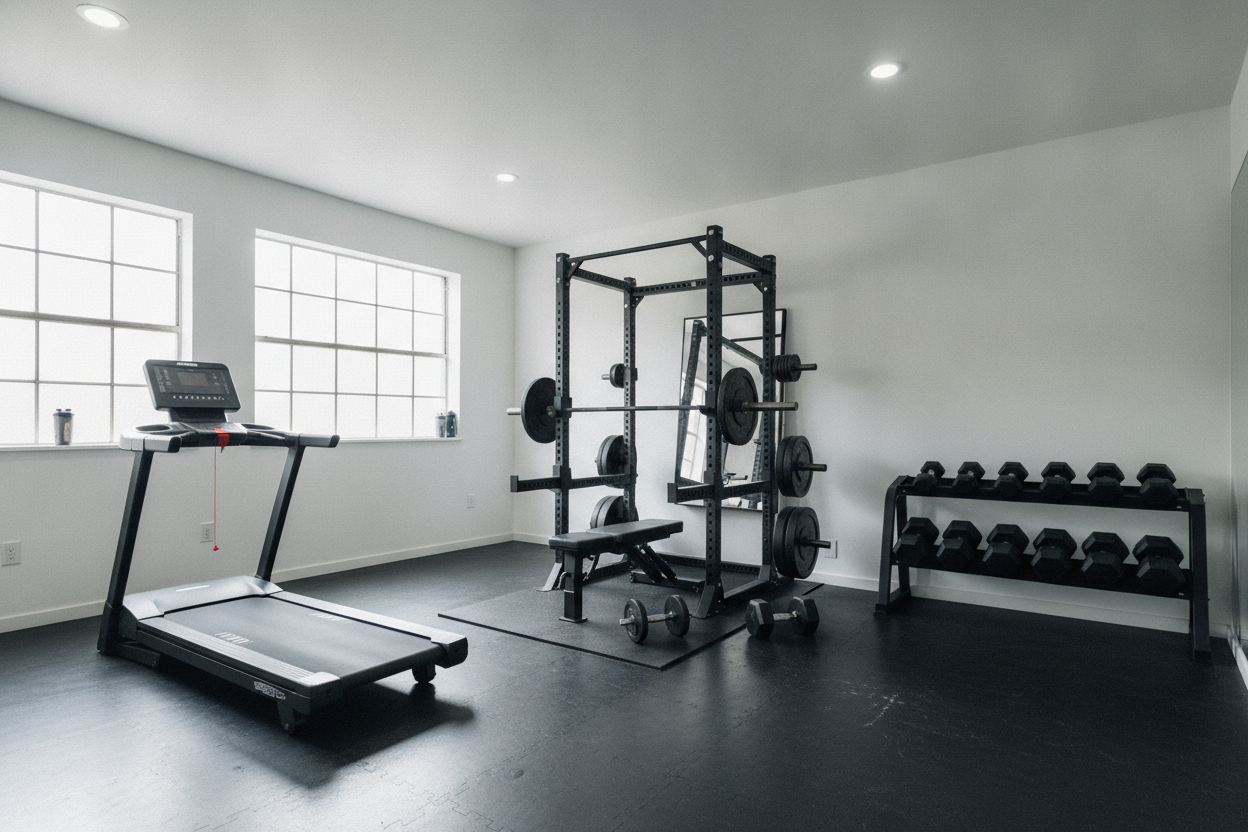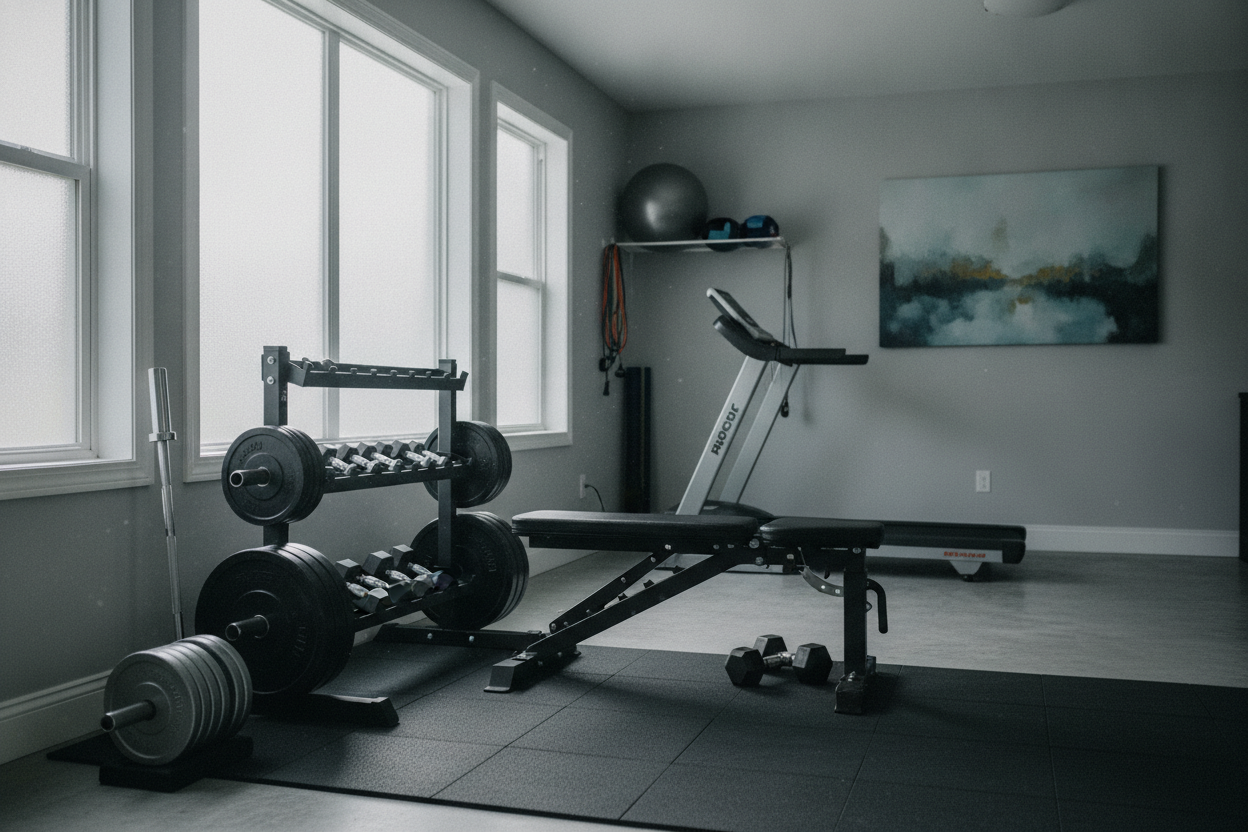
I Fixed My Building Muscle Mass Workouts By Lifting Embarrassingly Light
I remember staring at a 405-lb squat that felt more like an interpretive dance than a leg day. My knees were screaming, but my quads were barely awake. I was obsessed with building muscle mass workouts that looked impressive on a spreadsheet but did absolutely nothing for my actual physique. I was moving the weight, but I wasn't training the muscle.
The turning point came when I stripped the bar down to a weight I would normally use for a warm-up. It was humbling. People in my garage gym circle probably thought I was injured. But in reality, I was finally learning how to lift. By removing the ego, I found the tension I’d been missing for years.
- Ego lifting shifts tension from muscles to joints and connective tissue.
- Lighter weights allow for a stronger mind-muscle connection and peak contraction.
- Hypertrophy requires 'ugly effort' at the end of a set, regardless of the load.
- Stability and floor grip are essential to reaching true muscular failure safely.
The Trap of the Ego Lift
We have all been there—loading up the leg press until the machine groans, only to move the platform three inches. Chasing heavy numbers is great for powerlifting, but for a gain muscle mass workout, it is often a trap. When the weight is too heavy, your body is incredibly efficient at finding 'cheats.' Your lower back takes over for your hamstrings; your shoulders take the load off your chest.
I spent years with a 300-lb bench press and a chest that looked like a bird's. I was using my triceps and front delts to survive the rep rather than using my pecs to drive the movement. When you prioritize the number over the sensation, you stop training for growth and start training for survival. That is a fast track to tendonitis, not a workout to gain muscle.
Why Light Weights Force Honest Execution
Mechanical tension is the primary driver of hypertrophy, but you can't create tension in a muscle you can't feel. Dropping the weight allows you to control the eccentric phase—the lowering part of the lift—where a massive amount of muscle damage and growth occurs. If you're just dropping the weight and catching it at the bottom, you're missing half the rep.
When I started using 25-lb dumbbells for chest flies instead of the 50s, I finally felt my pecs stretching and contracting. The Best Gym Workout to Gain Muscle Starts With the Lightest Weights because it removes the momentum that masks poor form. You stop 'throwing' the weight and start 'wearing' it. This honest execution is what actually triggers the best muscle building workouts.
The 'Ugly Effort' Threshold
Let’s get one thing straight: 'light' does not mean 'easy.' If you’re doing a gain muscle workout with lighter loads, you have to take those sets to the brink of failure. I’m talking about the reps where your muscles are shaking, your face is contorted, and the bar is moving at a snail's pace despite your maximum effort.
A gym workout to gain muscle is actually just ugly effort when you do it right. It requires more mental grit to stay in a set for 15 slow, painful reps than it does to grind out a single heavy triple. This is where the growth happens—in those final three reps where the form remains perfect but the struggle is absolute.
Don't Let a Bad Foundation Ruin Your Stability
Even when you're lifting lighter, your body needs to be locked in. You cannot reach true muscular failure if your feet are sliding or your bench is wobbling. If your brain senses instability, it will 'cut power' to your muscles to prevent injury. It’s an involuntary safety mechanism that kills your workouts to build muscle.
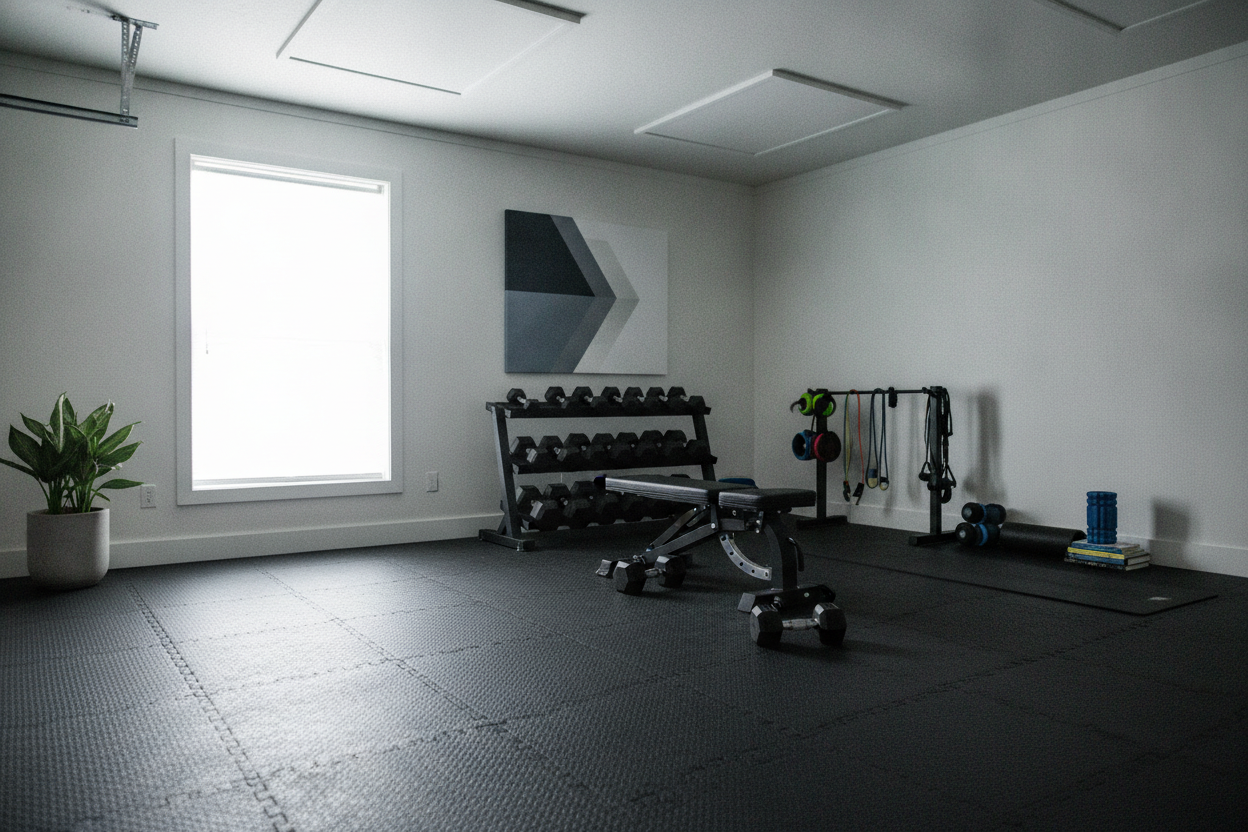
I learned this the hard way trying to do Bulgarian split squats on a slick concrete floor. I wasn't failing because my quads were tired; I was failing because I was trying not to do the splits. I finally laid down a 6X8Ft Exercise Mat in my lifting area. Having that 7mm thick, high-density grip changed everything. It gave me the stable base needed to actually push my muscles to the limit without worrying about my footing.
How to Structure Your Stripped-Down Routine
If you want to rebuild your gym routine to build muscle, start by cutting your current working weights by 30-40%. Focus on a 3-second eccentric phase and a 1-second pause at the peak of the contraction. Aim for the 10-15 rep range. If you can do 15 reps with perfect form and no 'body English,' only then do you earn the right to add five pounds.
This approach turned my workouts to get muscle from joint-crushing sessions into actual growth-fostering routines. You’ll find that you’re more sore in the target muscles and less 'achy' in your joints. For those looking for structured programming that follows these principles, the Workout Hub has several templates that prioritize this high-tension, high-stability style of training.
FAQ
Will I lose my top-end strength?
Temporarily, maybe. But once you rebuild your movement patterns with better muscle recruitment, your 'heavy' lifting will actually get stronger because you're finally using the right muscles to move the load.
How do I know if I'm going light enough?
If you can't pause for a full second at the hardest part of the rep (like the top of a row or the bottom of a squat) without shaking or losing posture, the weight is still too heavy for this phase.
Is this only for isolation exercises?
No. This works for a gym workout to gain muscle across the board. Even on deadlifts or overhead presses, slowing down and focusing on the muscle contraction rather than just the lockout will yield better hypertrophy results.