I Finally Tried a Standing Hip Thrust Machine. Here's the Truth.
I spent years dragging a flat bench against the wall of my garage, hoping it wouldn't slide while I wedged a loaded barbell into my hip crease. It’s a clumsy, bruising ritual that makes most people skip glute day entirely. Then I saw the viral videos of the standing hip thrust machine and wondered if we finally solved the most annoying setup in fitness.
- Setup Time: Drops from 5 minutes to 30 seconds.
- Comfort: No more bruised hip bones or awkward bar rolling.
- Footprint: Massive—usually takes up a 4x5 foot area.
- Resistance: Constant tension, but feels 'lighter' than a barbell at the bottom.
The Setup Problem (And Why This Machine Even Exists)
Let’s be real: traditional hip thrusts are a logistical nightmare. You need a bench that won't budge, a barbell, plates, and a thick foam pad unless you enjoy the feeling of steel crushing your pelvis. If you're training in a tight space, it’s a lot of gear to move for one exercise. This is exactly why the standing machine was born—it promises the same glute pump without the floor-based circus act.
For some, the floor setup is just too much friction. I’ve seen people pivot to the Gxmmat Hip Thrust Bench just to get a stable, dedicated platform that doesn't slide across the gym floor. But the standing machine takes it a step further by removing the 'lying down' aspect entirely. It caters to the lifter who wants to walk up, strap in, and work without the ground-level struggle.
Biomechanics 101: Does a Standing Setup Actually Work?
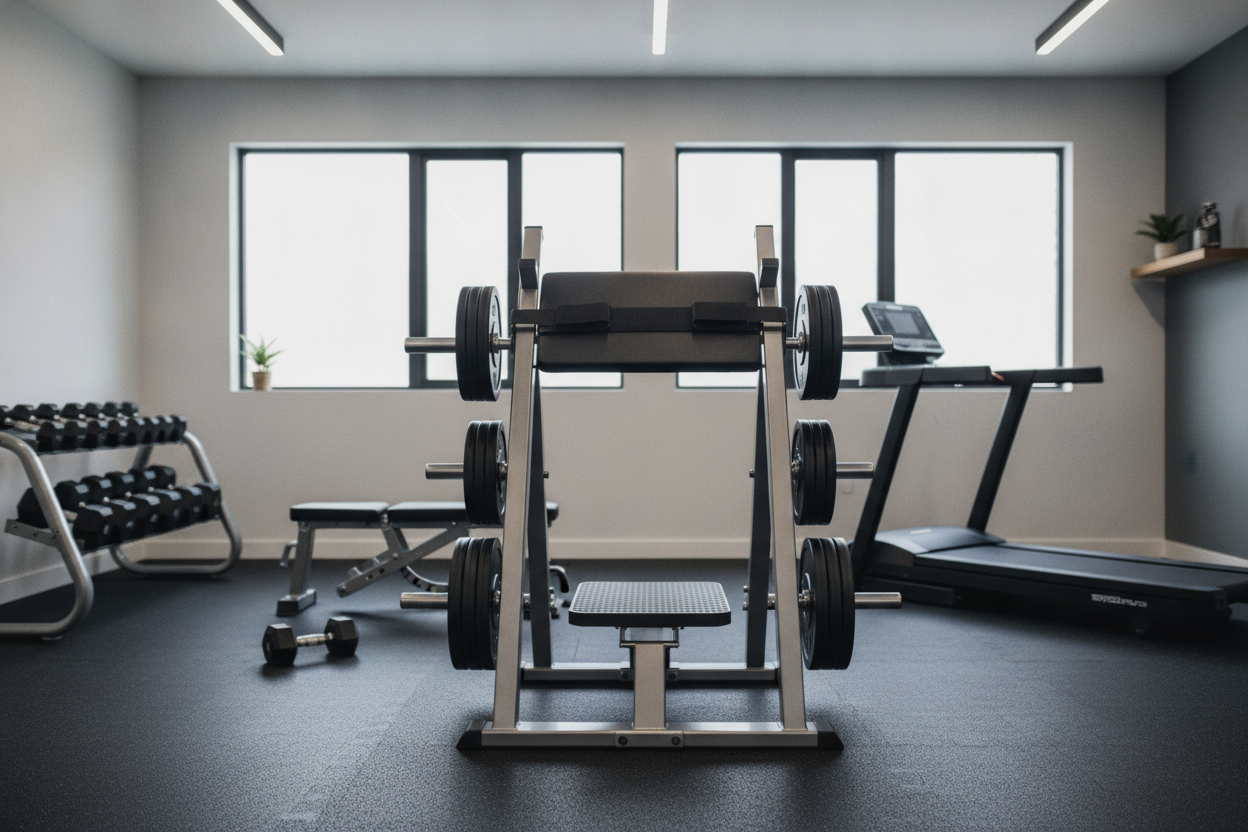
In a standard floor thrust, gravity is your primary opponent. At the top of the movement, the weight is directly over your hips, providing peak tension where the glutes are shortest. When you perform a hip thrust standing up, the physics change. Since gravity pulls downward toward your feet, a machine must use a pivot point or a cable system to redirect that force horizontally against your hips.
My experience? The resistance profile feels different. On a plate-loaded standing machine, there is a distinct 'drop off' in tension at the very beginning of the rep. However, once you reach the mid-point and the lockout, the squeeze is intense. You aren't fighting to balance a bar, so you can actually focus on the mind-muscle connection. The downside is that if the machine isn't designed with a perfect cam, your lower back might try to compensate for the lack of stability at the bottom.
Machines vs. Free Weights vs. Bands
If you don't have $800 and a spare bedroom for a machine, you’ve probably tried a standing band hip thrust. It’s a decent hack—loop a heavy resistance band around a rack and your hips, then walk out until it’s taut. It’s great for high-rep finishers, but it doesn't hold a candle to the raw loading potential of a plate-loaded machine. You just can't get enough tension from a band to truly drive hypertrophy the way 200 pounds of iron can.
When comparing a Barbell vs. Hip Thrust With Band: Which Builds More Glutes?, the barbell usually wins for raw strength. The machine sits right in the middle. It offers the heavy loading of a bar with the safety and fixed path of a machine. It’s far superior to cables or bands for building actual mass, but it lacks the stabilizing requirement that makes the barbell such a brutal, effective tool.
Should You Actually Put One in Your Home Gym?
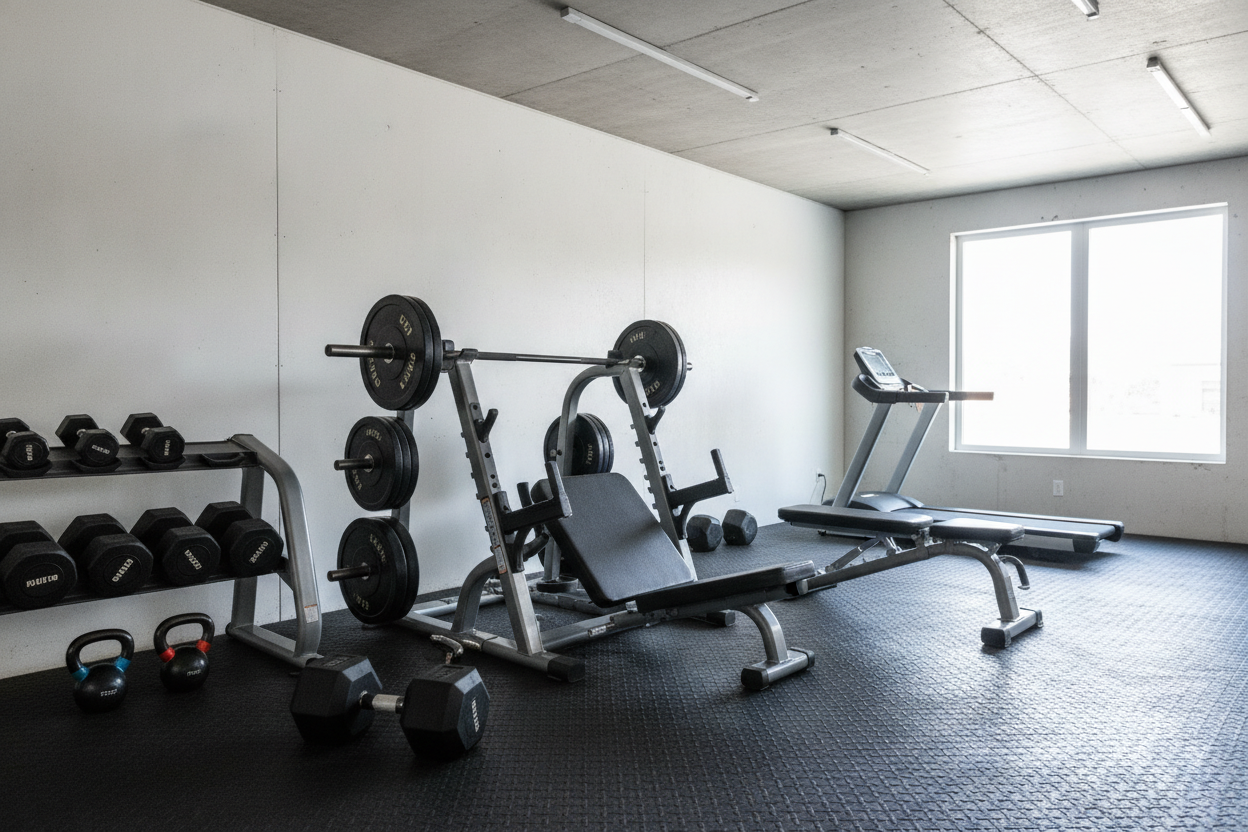
Here is the cold truth: most home gym owners have no business buying a dedicated standing hip thrust machine. They are massive, single-use units. Unless you are a competitive bodybuilder or a glute-training specialist, that 20 square feet of floor space is better used for a power rack or a functional trainer. I tried to fit one in my 2-car garage setup and felt like I was tripping over it every time I went to do pull-ups.
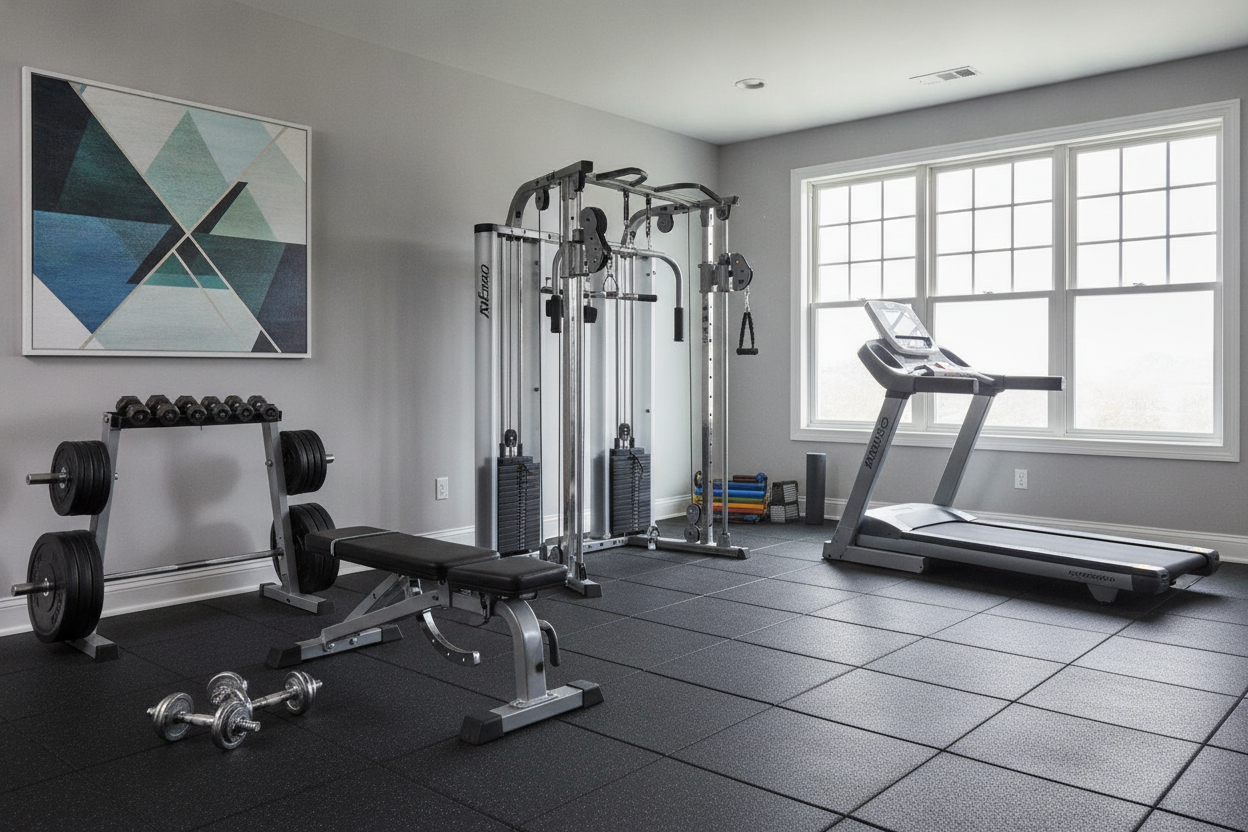
If you hate the floor but want to save your budget, buy a large exercise mat and a dedicated bench. A high-quality mat prevents your equipment from sliding and makes the floor-based setup significantly more tolerable. You can do a hundred different exercises on a good mat; you can only do one or two on a standing thrust machine. For 90% of us, the versatility of free weights wins every time.
The Final Verdict: Gimmick or Game-Changer?
The standing hip thrust machine isn't a gimmick—it’s a luxury. It works the glutes effectively and saves your hips from the literal crushing weight of a barbell. If you have a massive commercial-sized gym or a dedicated budget for 'accessory' machines, it’s a fantastic addition that will probably lead to more consistent training because it's so easy to use.
But if you’re a garage gym warrior fighting for every inch of space, stick to the basics. The 'truth' is that the standing machine makes the exercise easier to perform, but not necessarily more effective than a heavy, well-executed barbell thrust. It’s a convenience play, not a magic bullet for gains.
Is a standing hip thrust as good as a barbell thrust?
It’s about 90% as effective for muscle growth. The barbell allows for more total weight and stabilization work, but the machine allows for better isolation and higher volume because it’s less fatiguing to set up.
Does the standing version hurt your lower back?
It shouldn't, but it can if you over-arch at the top. Because you're standing, it's easier to accidentally lean back rather than thrusting your hips forward. Keep your core tight and ribs down.
Can I use a cable machine to do this?
Yes, cable pull-throughs are a similar movement pattern. However, the standing hip thrust machine allows for much heavier loading because the weight is braced against your hips rather than held in your hands.