I Finally Found the Best Exercise for the Elderly (And It's Not Walking)
I spent years watching my dad walk three miles a day, thinking he was doing everything right to stay fit. Then I saw him struggle to pick up a 20-pound bag of birdseed from the garage floor. That’s when it hit me: walking is a baseline for heart health, but it does almost nothing to stop the physical decline that actually steals independence. If we want to stay strong as we age, we need to talk about the best exercise for the elderly.
Quick Takeaways
- Walking is great for the heart but fails to preserve muscle and bone density.
- The hip hinge (modified deadlift) is the most functional movement for daily life.
- Stability is key—never lift on a slick or soft, bunchy surface.
- Scaling the movement with blocks or wall taps makes it safe for any age.
Why Your Daily Walk Isn't Cutting It Anymore
Walking is the standard recommendation because it’s easy and low-impact. But here is the reality: walking doesn't challenge your fast-twitch muscle fibers or your bone density. These are the two things that disappear as we age, leading to the frailty and falls we all want to avoid. When you look for the best exercises for old people, you’ll often find suggestions for water aerobics or light stretching. While those have their place, they don't provide the 'load' necessary to keep your skeleton strong.
We need to move weight. Without resistance, your body has no reason to keep its muscle. I’ve seen 70-year-olds who walk five miles a day but can't get off a low sofa without using their arms. That’s a strength deficit, not a cardio deficit.
The 'Pick It Up' Principle: Relearning the Hinge
The modified deadlift is the king of functional movements. Forget the image of a 500-pound barbell bending in a powerlifting meet. For a senior, a deadlift is simply picking up a kettlebell or a dumbbell from between their feet. This movement—the hip hinge—is how you pick up groceries, move a laundry basket, or lift a pet without blowing out your back. It targets the entire 'posterior chain,' which is the fancy way of saying your back, glutes, and hamstrings.
Compared to seated gym machines, the hinge is vastly superior. A leg extension machine works your quads in isolation, but it doesn't teach your body how to stabilize its core while moving a load. Mastering the hinge is how you stay out of a nursing home. It complements other best leg exercises for seniors by providing the heavy-duty foundation that simple bodyweight squats sometimes miss.
How to Set Up Your Training Space So You Don't Slip
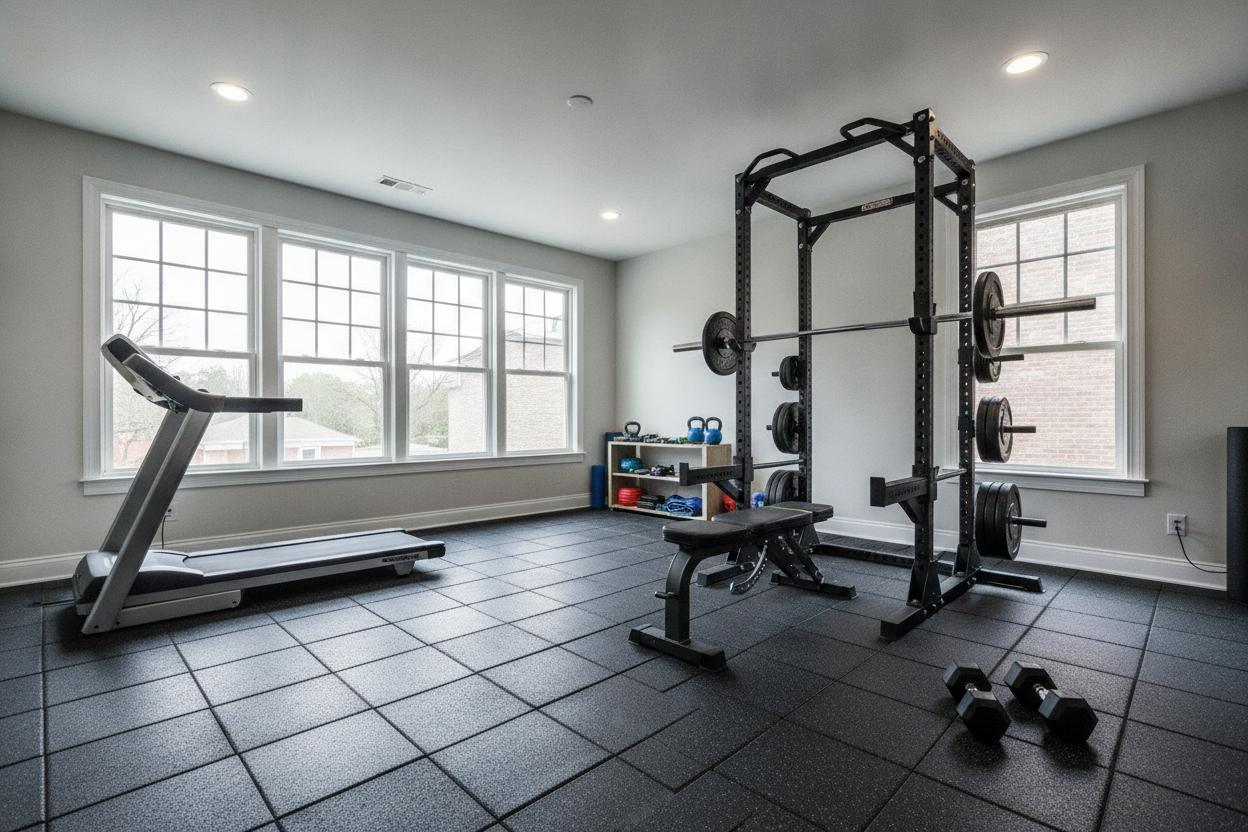
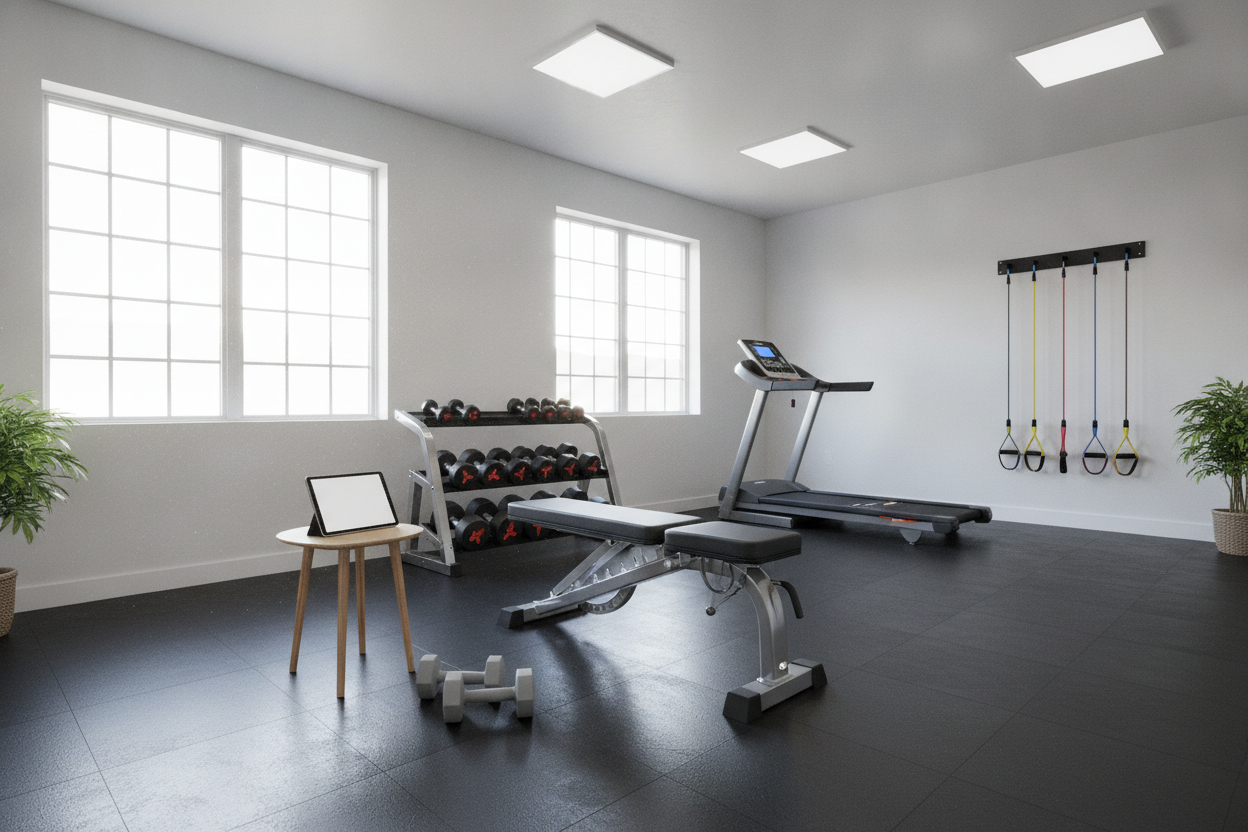
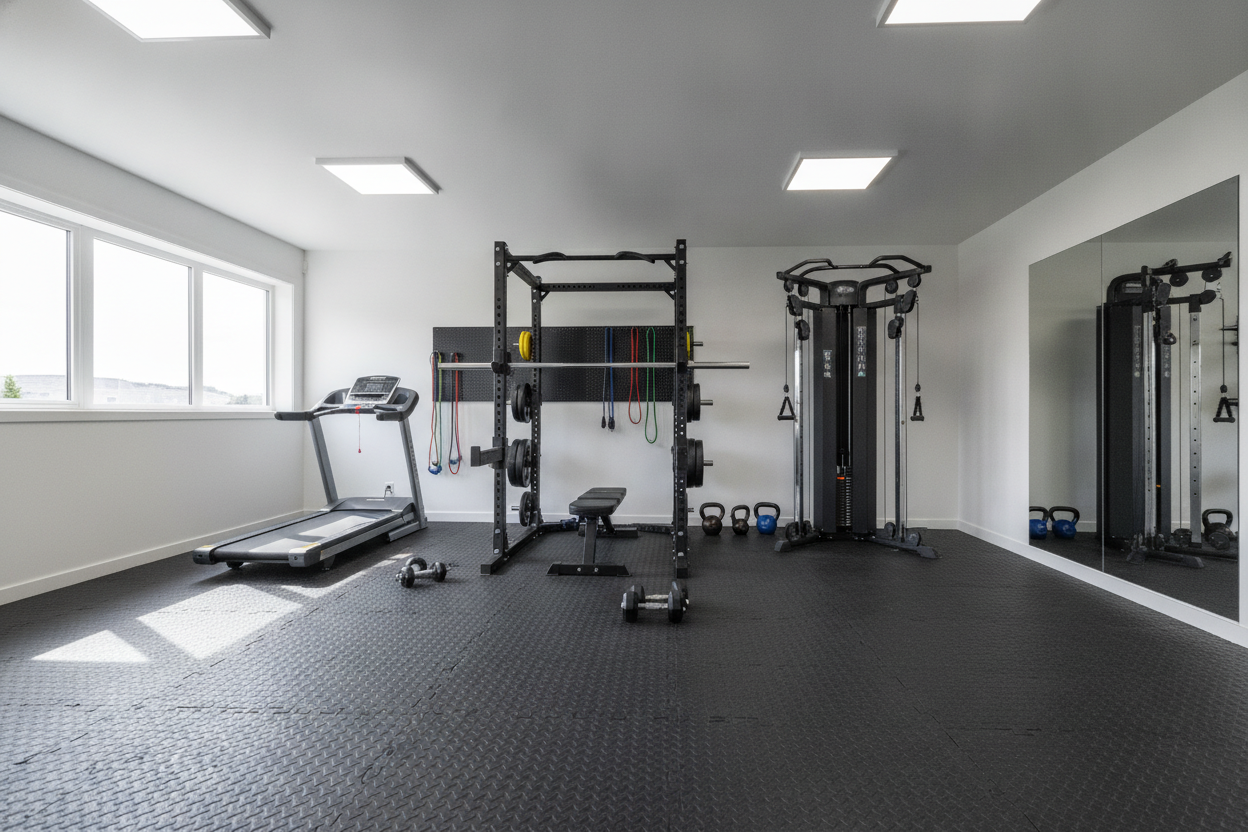
Safety isn't just about the movement; it’s about the environment. I’ve seen too many home setups where people try to lift in socks on a hardwood floor or, even worse, on a loose area rug. That is a recipe for a hip fracture. You need a high-traction, stable surface that won't budge when you shift your weight.
I always recommend a dedicated 6x8ft exercise mat as the foundation. It’s large enough to give you a wide stance and thick enough to protect your joints (and your floor) if you set the weight down a bit too hard. Having a defined 'work zone' also helps mentally—when you step onto that mat, you’re in training mode.
Scaling the Movement So You Don't Wreck Your Back
You don't start by pulling from the floor. We begin with 'wall taps.' Stand six inches from a wall, feet shoulder-width apart, and reach your hips back until your butt touches the wall. Keep your shins vertical. Once you master that, we move to elevated pulls. By placing a kettlebell on a small box or a couple of weight blocks, you reduce the distance you have to reach, making it one of the best exercises for seniors over 70.
As your mobility improves, you lower the height of the blocks until you’re lifting from the floor. This progression ensures your spine stays neutral. You’ll need some basic home exercise equipment for seniors—think a single 10-lb or 15-lb kettlebell and something sturdy to use as a riser—to get started safely.
What a Full Week Actually Looks Like
Consistency beats intensity every time. A 3-day-a-week schedule (Monday, Wednesday, Friday) is the gold standard. You perform your hinges, some overhead reaches, and some light carrying. This balance makes it the best exercise for seniors because it builds usable strength without leaving you so sore you can't enjoy your life the next day.
On your 'off' days, focus on mobility. I suggest spreading out a large exercise mat so you have plenty of room to do floor-based stretches like bird-dogs or cat-camels. This combination of heavy-ish lifting and dedicated recovery is the secret to longevity. You aren't just 'working out'; you’re bulletproofing your body against the effects of time.
My Personal Experience
I remember training my neighbor, a retired teacher in her late 70s. She was terrified of weights because she’d been told her whole life that lifting was 'dangerous' for women her age. We started with a literal soup can. My mistake was trying to move her to a 20-pound kettlebell too quickly—she got intimidated and skipped a week of sessions. We backed off, went to a 10-pounder, and focused on the 'click' of her hips moving back. Six months later, she was deadlifting 35 pounds and told me she could finally carry her own mulch bags in the garden. The confidence shift was even bigger than the muscle gain.
FAQ
Will deadlifting hurt my back?
Only if you do it wrong. If you round your spine like a fishing pole, yes, it will hurt. If you hinge at the hips and keep your back flat like a tabletop, it actually strengthens the muscles that protect your spine.
How much weight should I start with?
Start with something you can move for 10 reps with zero struggle. For many, that’s a 5-lb or 10-lb weight. The goal is the movement pattern first, the heavy weight second.
What if I have bad knees?
The hinge is actually great for bad knees because it’s a 'hip-dominant' move. Unlike a squat, which puts a lot of pressure on the patella, the deadlift puts the work on your glutes and hamstrings.