I Finally Bought a Fitness Weight Machine (And My Joints Thank Me)
I spent a decade convinced that if it wasn't a piece of iron you could drop, it wasn't worth lifting. My garage gym was a shrine to the barbell—squat rack, platform, and enough bumper plates to sink a small boat. But after three years of 'powerbuilding' and ignoring the persistent clicking in my right shoulder and the dull ache in my patellar tendons, I finally swallowed my pride and bought a fitness weight machine. It wasn't about getting soft; it was about getting smart.
Quick Takeaways
- Constant tension from cables and cams beats the 'dead zones' of free weights every time.
- Fixed movement paths allow you to train to absolute failure without a spotter or injury risk.
- Commercial-grade machines are an investment in your joint longevity, not just your muscles.
- Modern selectorized units can fit in a standard 4x4 foot corner of your garage.
Confessions of a Free-Weight Snob
For years, I was that guy. I'd walk past any gym equipment exercise that involved a pin and a stack, scoffing at the lack of 'functional' stability required. I truly believed that if you weren't fighting to keep a bar from crushing you, you weren't actually building strength. I even used to tell my clients that Your Gym Machine Workout Routine for Weight Loss Is Just Lazy Cardio because I didn't understand the physics of mechanical advantage. Then, I hit thirty-five, and my body started sending me invoices for all those heavy, grinding reps.
The reality is that free weights are limited by gravity. When you're at the top of a bicep curl or the bottom of a bench press, the resistance profile changes drastically. My joints were taking the brunt of the load at the sticking points, while my muscles were getting a free pass during the rest of the movement. I needed something that could provide consistent resistance without the ballistic stress of a bouncing barbell.
Why Gravity Isn't Always Your Best Friend
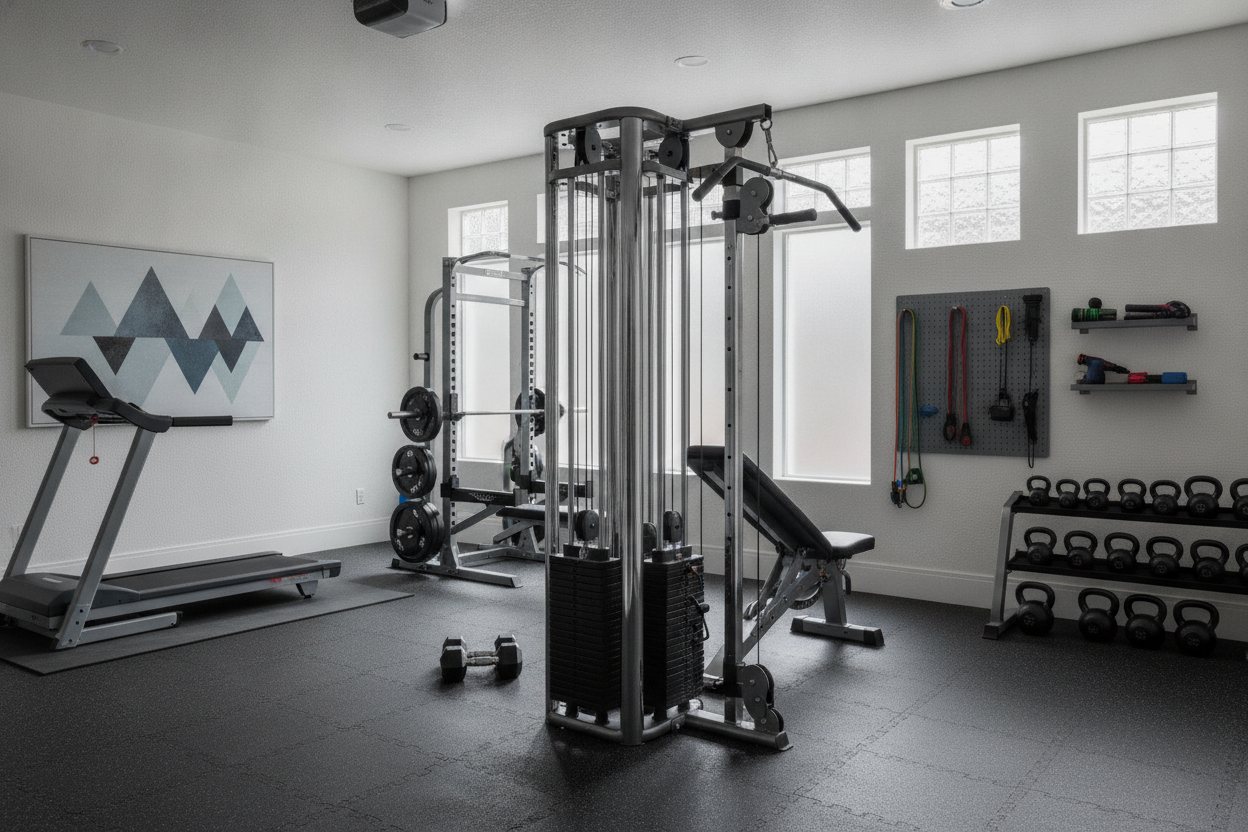
An exercise machine with weights uses a system of pulleys and cams that are specifically engineered to match your body's natural strength curve. When you're using workout machines weights, the resistance stays heavy where you are strongest and eases off where your joints are most vulnerable. You can't get that from a dumbbell. Gravity only pulls straight down, but a high-quality cable system pulls wherever you tell it to.
This constant tension is the secret sauce for hypertrophy. In a standard squat, there is almost zero tension on the quads at the very top of the movement. On a dedicated leg press or hack squat gym training machine, your muscles are under fire from the first inch to the last. This eliminates the 'dead zones' that plague traditional lifting and forces more blood into the muscle tissue, leading to better growth with less total weight required.
The Joint-Saving Magic of a Fixed Path
One of the biggest hurdles for me was admitting that I didn't always need to 'stabilize' the weight. When you're pushing for a true 10/10 RPE set, your smaller stabilizer muscles usually give out before the prime mover. If your rotator cuff tires out during a heavy bench session, that barbell becomes a liability. A weight room machines setup removes that variable.
By locking the movement into a fixed path, you can focus 100% of your mental energy on contracting the target muscle. I found I could push my quads to absolute failure on a leg extension without worrying about my lower back rounding or my knees caving. It's a safer way to reach the intensity required for growth, especially when you're training alone in a garage gym with machine options that don't require a human spotter.
Navigating the Sticker Shock: Are They Worth It?
Let's talk about workout equipment prices. A decent selectorized machine is going to cost you more than a budget rack and a bar. You're looking at anywhere from $1,200 to $3,500 for a single-station unit that does one or two things well. It sounds steep until you realize what you're actually paying for: 11-gauge steel, aircraft-grade cables, and a weight stack that will literally outlive you.
When you browse through high-end Weight Lifting Machines, you aren't just buying steel; you're buying ergonomics. A cheap machine feels 'crunchy' because the bushings are plastic. A pro-grade machine feels like it's sliding on silk. I viewed the cost as an alternative to future physical therapy bills. If spending two grand now keeps me lifting into my sixties without a knee replacement, the ROI is infinite.
The Exact Machine That Won Me Over
The piece that finally broke my 'free weights only' rule was the Gxmmat Leg Extension Curl Machine Bumper Plate Sets 230Lbs. I had reached a point where heavy back squats were leaving my knees feeling like they were full of broken glass for three days afterward. I needed a way to blast my quads without the spinal loading.
This machine is a tank. It uses a 230-lb exercise machine weight stack that provides more than enough resistance for even the most seasoned lifters. The transition between the extension and the curl is seamless, and the padding is thick enough that it doesn't dig into your shins when you're loaded up. Since adding this to my routine, my squat numbers have actually gone up because my quads are finally getting the isolated volume they were missing for years. The smooth, consistent pull of the cable system is miles ahead of any plate-loaded alternative I've tried.
How to Actually Fit One in a Garage Gym
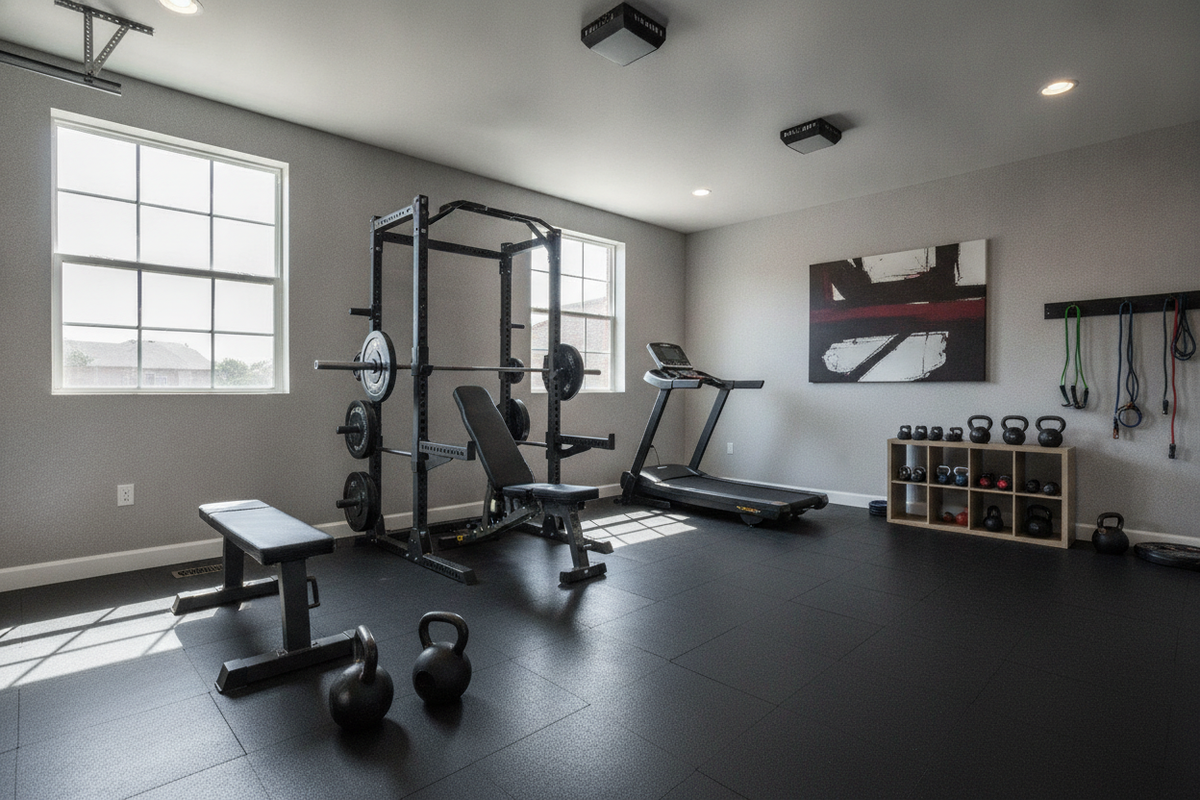
The biggest fear for home gym owners is the footprint. Most people assume they don't have room for a massive gym with machine stations. However, the key is verticality and corner placement. Most fitness weight machine units are tall but have a relatively small base. I tucked mine into a corner that was previously just a graveyard for old foam rollers and half-empty chalk bags.
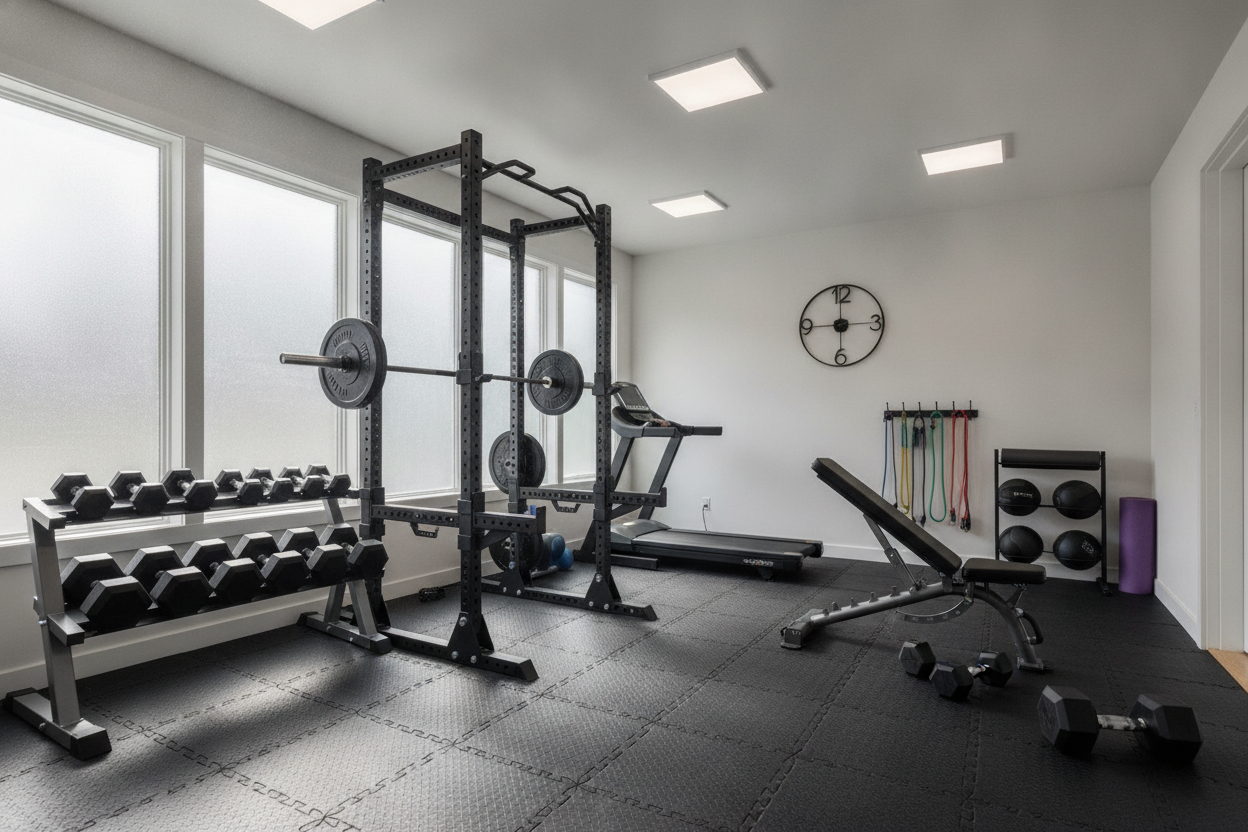
If you're tight on space, place your machine perpendicular to your power rack. I also recommend keeping a Gxmmat Adjustable Weight Bench nearby. By positioning a versatile bench in the center of the room, you can use it for your free weight movements and then quickly pivot to the machine for your isolation finishers. This 'hub' layout keeps the center of your gym open for movement while the heavy iron stays on the perimeter.
FAQ
Do machines build as much muscle as free weights?
Yes, and in some cases, more. Because machines provide constant tension and allow you to train closer to failure safely, they are often superior for pure muscle growth (hypertrophy), even if they don't build as much 'balance' as a barbell.
Are home machines as good as the ones in commercial gyms?
They can be, but you have to check the specs. Look for 11-gauge steel frames and 'linear bearings' or high-quality pulley wheels. If the machine uses thin 14-gauge steel or plastic pulleys, it won't have that smooth 'commercial' feel.
Can I use a weight machine if I have existing joint pain?
Usually, yes. Machines allow you to adjust the range of motion and the angle of the pull, which helps you work around injuries. Always start light to find a 'pain-free' path, but most lifters find machines much more forgiving than dumbbells.