I Blew My Budget on Gym Equipment Etc (Here Is Why)
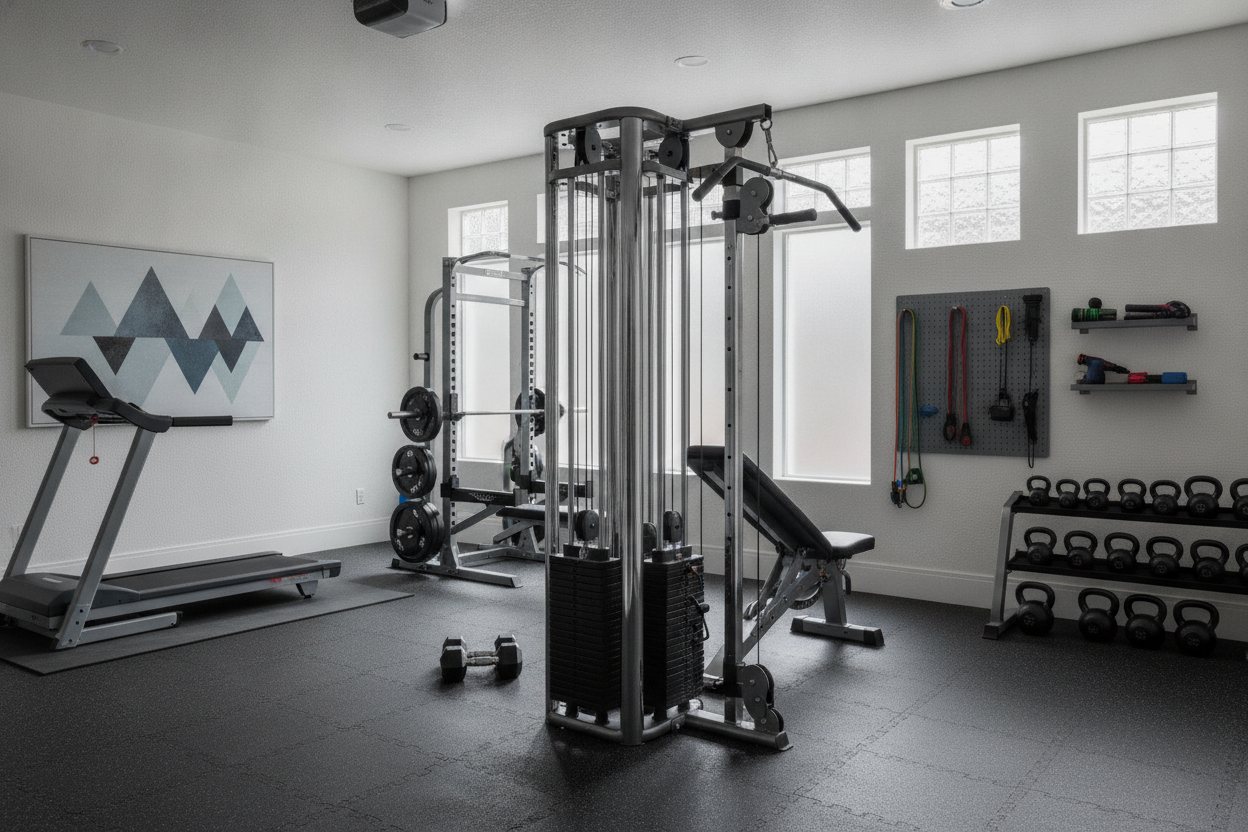
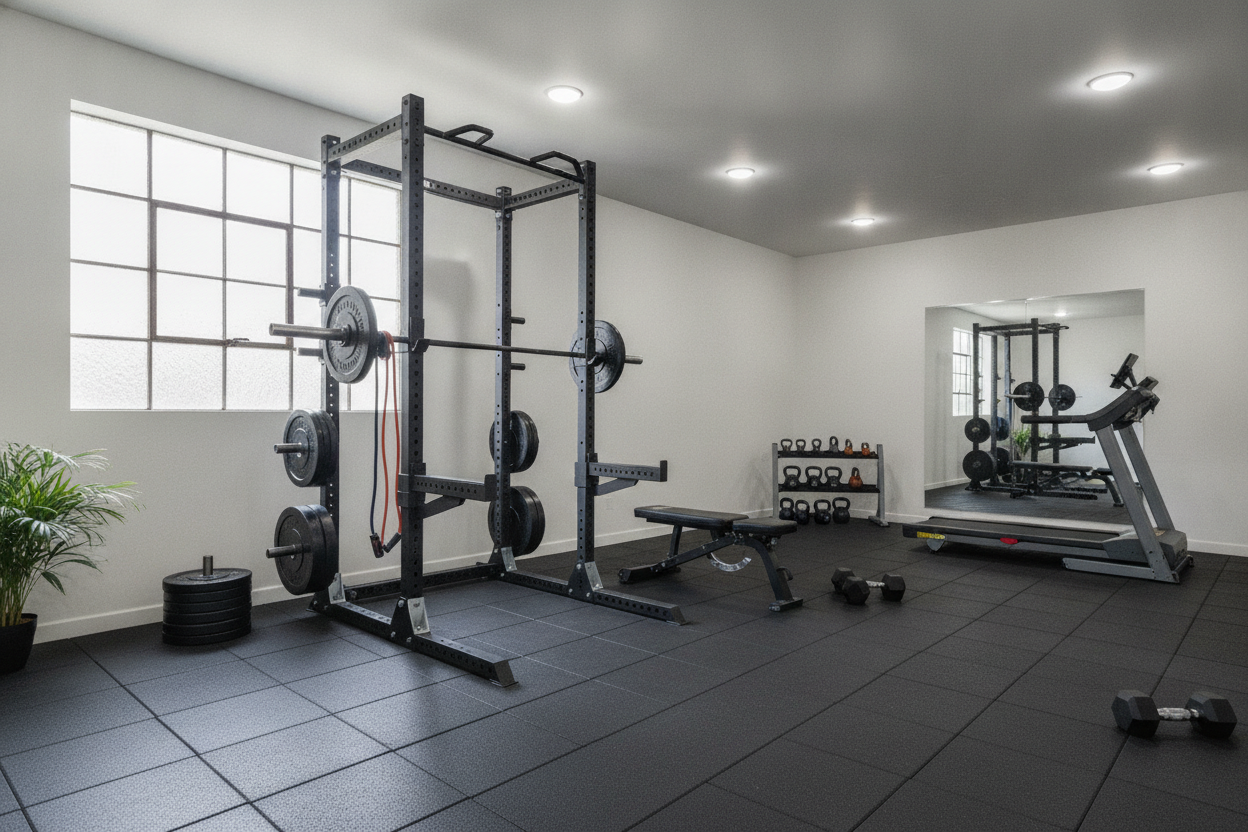
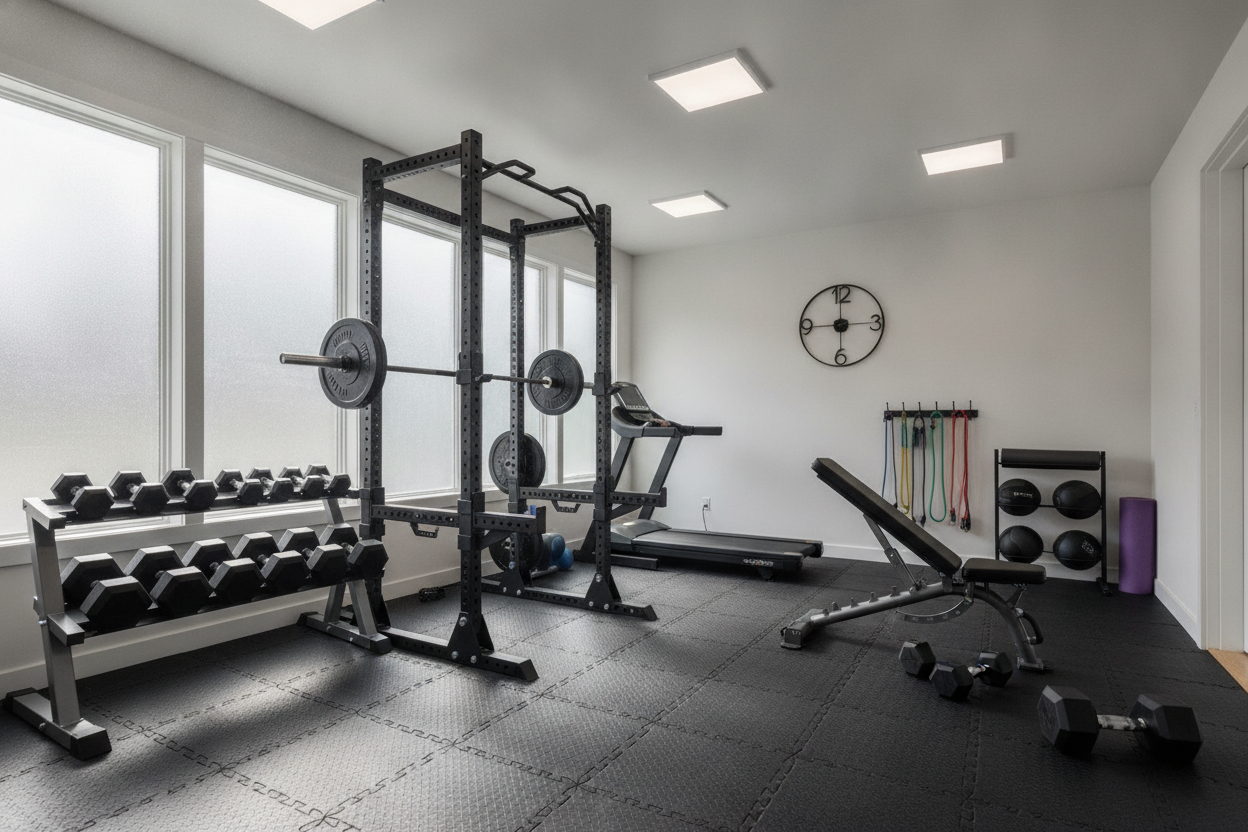
I remember staring at my spreadsheet, feeling like a genius. I had $3,000 to build the ultimate garage sanctuary. I bought the 3x3 power rack, the 20kg stainless steel barbell, and 450 lbs of iron plates. I thought I was finished. Then the boxes arrived, and I realized I was standing on cold, cracked concrete with no way to keep my weights from rolling into the drywall. I completely underestimated the cost of gym equipment etc.
Quick Takeaways
- Flooring is non-negotiable and usually costs 15% of your total budget.
- Small items like collars, chalk, and fractional plates add up to hundreds of dollars quickly.
- The 'Big Three' (Rack, Bar, Plates) only account for about 80% of a functional, safe training space.
- You can save significant money by sourcing storage and basic hardware from local supply stores.
The 'Big Three' Illusion (And What You Are Missing)
Everyone obsesses over the knurling on a specialty bar or the hole spacing on a power rack. Those are the sexy buys. But a rack without a bench is just a cage for standing around. A bar without collars is a safety hazard waiting to happen. If you spend your last dollar on a high-end rack, you are going to be lifting in a very expensive, very empty room.
The reality of home training is that the 'Big Three' are just the skeleton. To actually run a program like 5/3/1 or Starting Strength, you need the connective tissue. That means a bench that doesn't wobble when you hit 225 lbs and a way to organize your plates so you aren't digging through a pile on the floor every time you want to warm up.
Protecting Your Foundation: The Heaviest Hidden Cost
You need a solid base. Dropping a deadlift on bare concrete isn't just loud; it's a structural liability for your home. I initially tried those cheap, interlocking foam tiles from a big-box store. They shredded within a month under the pressure of a squat rack. You need high-density rubber that can take a beating.
A heavy-duty 6x8ft exercise mat is the bare minimum for a deadlift platform or a primary lifting zone. If you are covering a full two-car garage, expect to spend $500 to $800 just on rubber. It is the most boring way to spend a grand, but your shins and your foundation will thank you when you're pulling heavy singles at 6 AM.
Why the Exercise Equipment Etc Category Drains Your Wallet
This is where the budget dies. You think, 'I'll just grab some basic exercise equipment etc like a jump rope and some bands.' Then you realize you need a landmine attachment for rows, a set of fractional plates because 5-lb jumps are too much for your overhead press, and decent collars that actually stay tight. It is death by a thousand cuts.
I always tell people to keep an eye on home gym equipment deals specifically for these accessories. Buying a cable attachment set or a pack of resistance bands for 20% off saves you enough money to actually buy the chalk bucket and the ammonia you forgot you needed. Don't pay full price for the small stuff if you can help it.
The Hardware Store Hack for Miscellaneous Gear
Stop paying the 'fitness tax' on everything. A 'Wall-Mounted Barbell Hanger' from a premium gym brand might cost $45 plus shipping. A heavy-duty rubber-coated hook from the local hardware store is about $6. I get my exercise equipment from Home Depot when it comes to storage solutions, chains for accommodating resistance, and carabiners for my cable machine.
If a hook is rated to hold a 50-lb extension ladder, it can hold your dipping belt or your resistance bands. Use your local store for the structural and storage components. Save your 'gym money' for the things that actually spin or have knurling—like your barbell and your plates.
How to Actually Budget for a Complete Setup
Here is the hard truth: take your total budget and subtract 20% immediately. That is your 'Etc Fund.' If you have $2,000, you really have a $1,600 gym budget. That $400 will vanish into shipping costs, taxes, floor cleaner, and the maintenance oil you need to keep your barbell from rusting in a humid garage.
I once spent my entire budget on a competition-grade bench. It was beautiful, but I forgot I needed a way to store my plates. For three months, I lived in a 'plate graveyard' where I had to trip over 45-lb bumpers just to get to my water bottle. It was dangerous and annoying. I eventually had to sell an old bike just to buy a weight tree. Don't be like me; plan for the etcetera.
FAQ
Do I really need fractional plates?
Yes. If you are a natural lifter, you cannot add 5 lbs to your upper body lifts every week forever. Plates that go down to 0.25 or 0.5 lbs allow you to keep making progress without hitting a wall.
What is the best budget flooring?
Horse stall mats from a farm supply store are the gold standard. They are 3/4 inch thick, indestructible, and significantly cheaper than 'fitness' branded flooring, though they do smell like a tire fire for the first week.
Can I skip the weight storage tree?
You can, but you shouldn't. Leaning plates against walls ruins your drywall and makes changing weights a chore. Even a cheap toaster rack is better than leaving iron on the floor.