I Ditched the Showroom for a Dusty Gym Equipment Shop
I remember the day I realized my $60-a-month commercial gym wasn't cutting it anymore. The squat rack was always occupied by someone scrolling through their phone, and the bars were bent from years of neglect. I decided to build my own setup, but my first stop at a local gym equipment shop in the suburbs was a total disaster. It felt like walking into a high-end furniture store where the sales reps were more interested in my credit score than my squat depth.
Quick Takeaways
- Skip the retail showrooms; they prioritize aesthetics over iron.
- Look for warehouses in industrial zones to find the real heavy-duty gear.
- Always check the weld quality and barbell knurling in person if possible.
- Invest in flooring before you buy the weights to save your concrete.
- Buy conditioning equipment new for the warranty, but hunt for iron deals.
The Used Car Lot Vibe of Showroom Fitness
Walking into a pristine retail store for fitness gear is usually a mistake. These places are designed for 'showroom fitness'—they want you to see a shiny treadmill with a 20-inch screen and ignore the fact that the frame is made of thin, shaky aluminum. The sales reps are often trained to push high-margin cardio machines rather than the structural steel you actually need for a serious home gym.
I once spent twenty minutes listening to a guy explain why I needed a Bluetooth-connected weight bench. I don't need my bench to talk to my phone; I need it to support 600 lbs without wobbling when I'm mid-press. These retail spots are the fitness equipment seller equivalent of a used car lot, focusing on the paint job instead of the engine.
Why I Hunt for a Real Exercise Equipment Warehouse
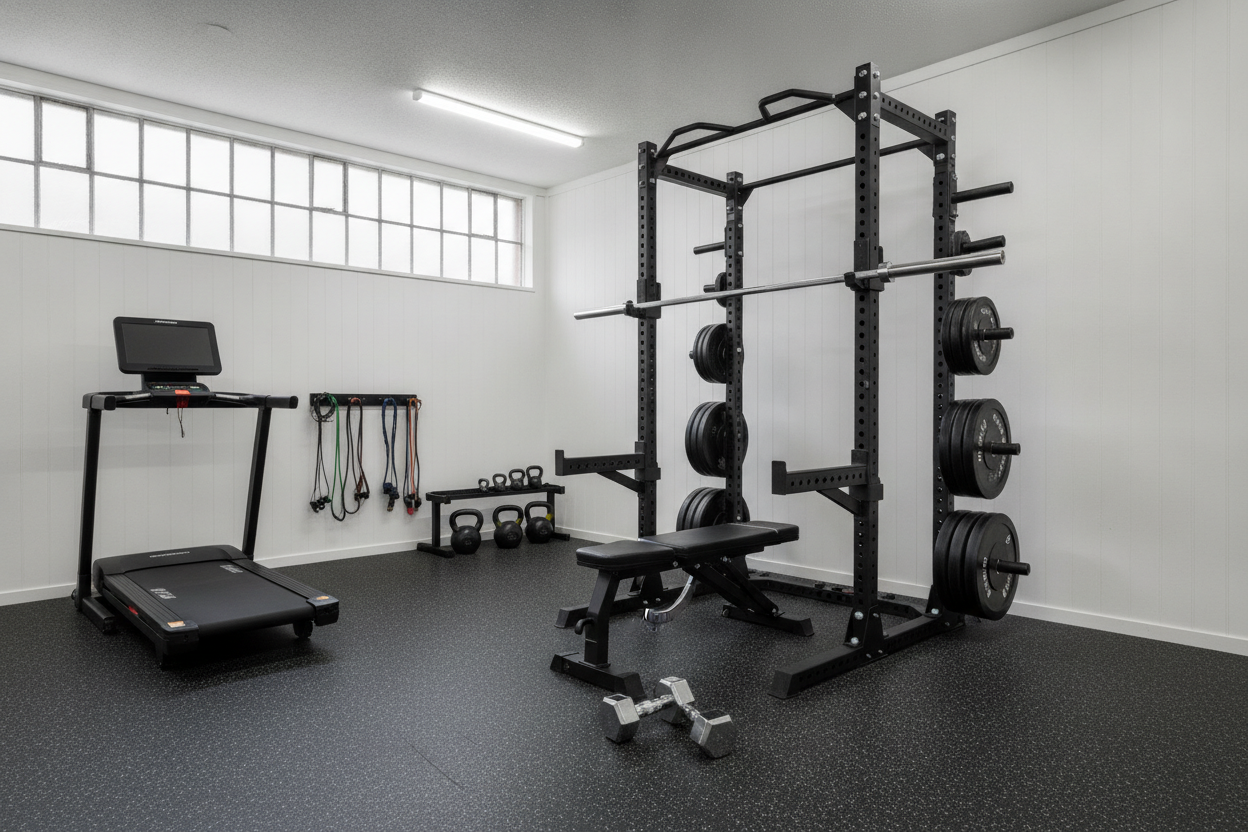
The best gear I own didn't come from a mall. It came from a gritty exercise equipment warehouse located between a tire shop and a plumbing supplier. This is where the serious fitness equipment vendors keep their inventory. There are no fancy lights or air conditioning, just stacks of 45-lb plates and racks made of 11-gauge steel that could survive a tank shell.
When you go straight to the source, you skip the retail markup that pays for the showroom's expensive rent. This is the best way to find legit home gym equipment deals. You’re paying for the raw materials and the engineering, not the glossy marketing brochures. Plus, these guys usually have pallets of 'scratch and dent' gear that functions perfectly but costs 30% less because of a cosmetic chip in the powder coat.
Spotting a Legit Fitness Equipment Dealer
A reputable fitness equipment dealer should know their specs inside and out. If you ask about the tensile strength of a barbell and they look at you like you're speaking Greek, walk away. A real gym equipment seller knows the difference between a bushing and a needle bearing and can tell you exactly why a certain rack footprint is better for a cramped garage.
I always make it a point to cross-reference whatever a dealer tells me with a trusted home gym equipment review guide. It’s easy to get caught up in the moment when you're standing next to a massive power rack, but checking objective data ensures you aren't overpaying for a brand name that just slaps its logo on generic imports.
The Online Store Trap (And When It Makes Sense)
The convenience of a gym equipment online store is undeniable. I’ve ordered plenty of smaller items like jump ropes, fractional plates, and resistance bands from my couch at midnight. It’s efficient and usually cheaper for the small stuff. However, for the 'forever' pieces—your primary barbell and your rack—there is a risk in buying sight-unseen.
You can certainly build a pro gym with basic gear ordered online, but you have to be prepared for the shipping logistics. Nothing kills the excitement of a new gym faster than a freight carrier dropping a 400-lb crate at the end of your driveway in the rain. If you can find a local warehouse, the ability to inspect the knurling and the welds is worth the drive every time.
The Only Things I Buy Brand New Off the Pallet
I’m a huge advocate for the used market, but some sport gym equipment is better bought fresh. I always buy gym conditioning equipment like air bikes or rowers brand new. These machines have too many moving parts and internal bearings that can be abused by a previous owner. A warranty is worth the extra couple hundred bucks when a monitor fails or a chain snaps.
Bumper plates are another item I prefer to get from a reputable seller. Used bumpers often have loose center inserts that rattle or 'taco' over time. Buying a fresh set of competition bumpers ensures they are calibrated correctly, which matters once you start moving real weight.
Protecting Your Concrete Before the Iron Arrives
Before you bring that industrial-grade warehouse iron home, you have to think about your floor. I learned this the hard way after dropping a 315-lb deadlift on a single layer of cheap foam tiles. I ended up with a spiderweb crack in my garage slab that cost more to fix than the weights themselves.
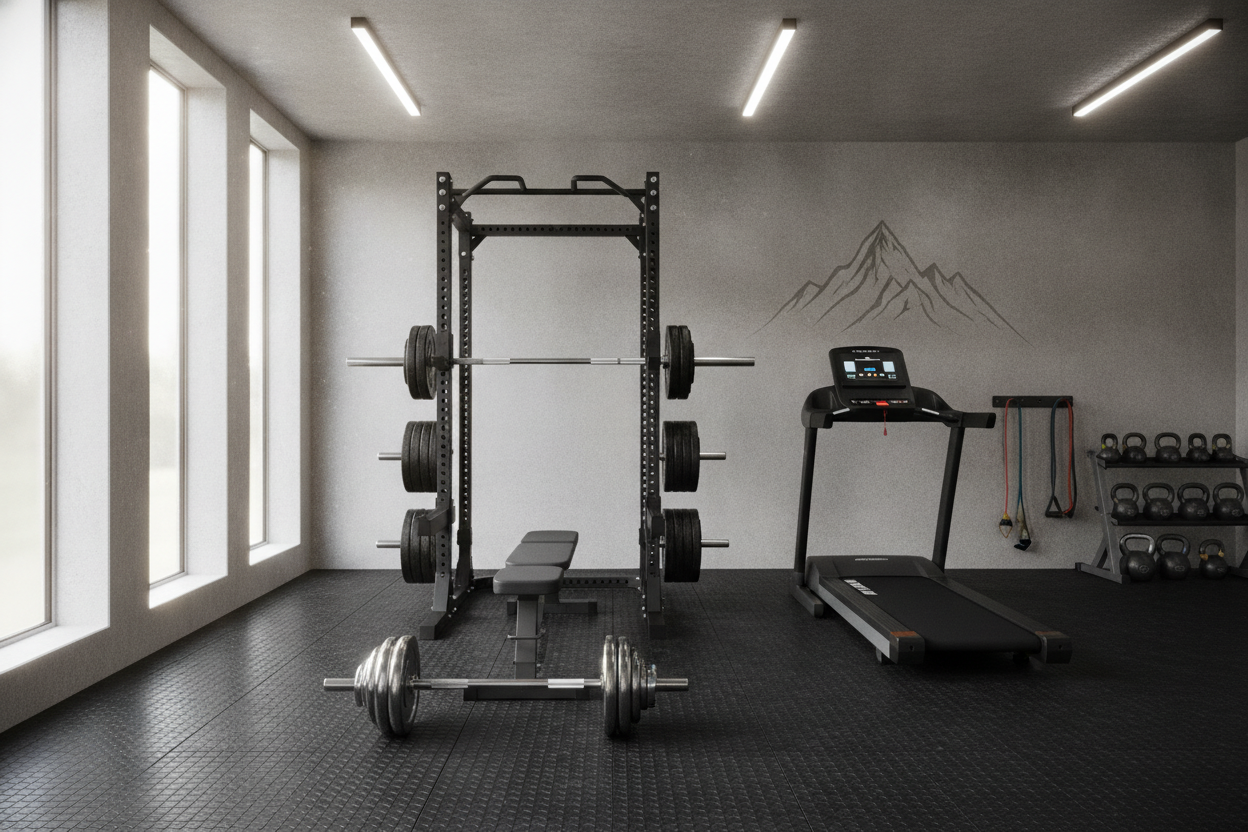
Don't skimp here. Invest in heavy-duty gym flooring for home workouts to create a proper impact zone. It protects your foundation, saves your plates from chipping, and keeps the noise levels low enough that your neighbors won't complain during your early morning sessions.
FAQ
Is it cheaper to buy from a warehouse or online?
Usually, the warehouse wins if you have a truck. You save on the massive freight shipping costs, which can easily add $150 to $300 to a heavy order.
How can I tell if a gym equipment seller is legit?
Check their warehouse. If they have a space where you can actually test the equipment and they can talk technical specs like steel gauge and bearing types, they’re the real deal.
What is the most important piece of gear to buy in person?
The barbell. You need to feel the knurling. If it’s too passive, you’ll lose your grip on heavy pulls; if it’s too aggressive, it’ll tear your hands apart during high-rep sets.