I Ditched Rigid Apps for This Modular Printable Exercise Plan
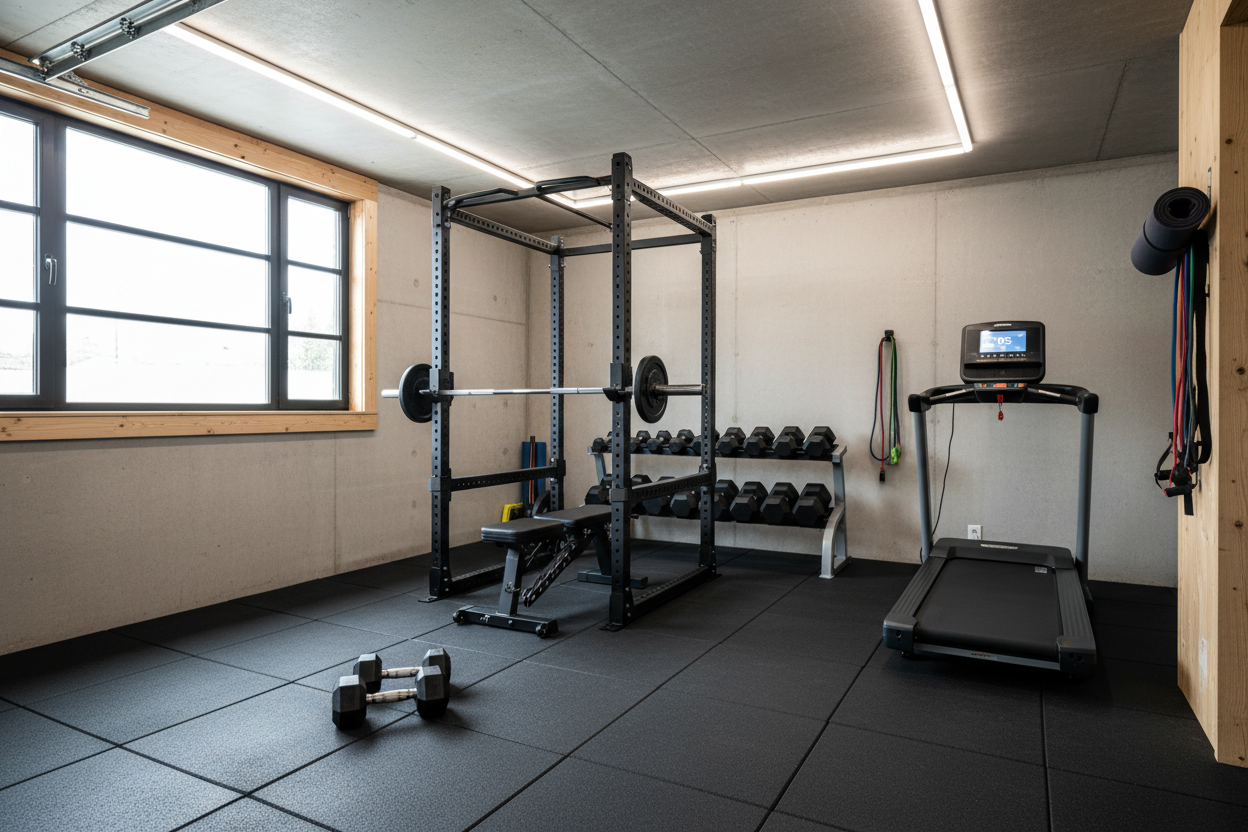
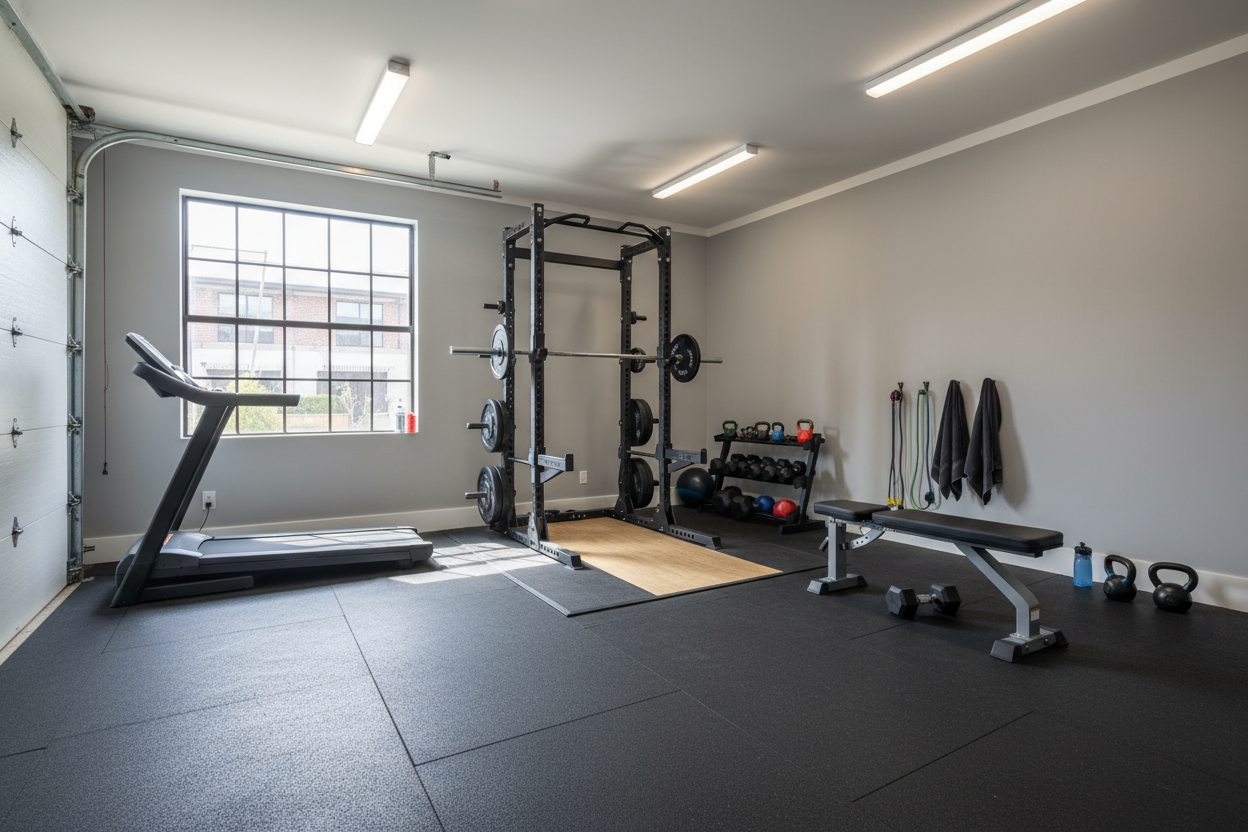
I was halfway through a heavy set of deadlifts in my garage when my phone screen timed out. I had to peel off my lifting straps, wipe the sweat and chalk off my thumb just to get FaceID to recognize me, and then I spent the next four minutes accidentally reading a thread about lawn care on Reddit. My workout was dead in the water. That’s the moment I realized a printable exercise plan isn't a relic of the 90s—it’s a performance tool for anyone who actually trains hard.
- Physical tracking eliminates the distraction of notifications and doomscrolling.
- Modular templates allow you to swap movements based on the gear you have available.
- Paper logs create a permanent, tangible record of your strength progress.
- A clipboard and a pen never run out of battery or require a software update.
Why Smartphones and Squat Racks Don't Mix
Training in a home gym is about efficiency and focus. When you use a digital app, you’re inviting the entire internet into your power rack. I’ve found that even the best-designed apps create friction. If you’re wearing wrist wraps, good luck hitting those tiny 'log set' buttons. If your garage is 90 degrees in the summer, your screen is going to be a smeary mess of sweat that makes typing impossible. A physical printable workout doesn't care if your hands are covered in chalk or if you’re wearing heavy-duty gloves.
Beyond the physical friction, there's the psychological drain. Every time you pick up your phone to log a set of printable workout exercises, you’re one swipe away from an email from your boss or a news alert. That breaks your 'flow state.' I’ve noticed my rest periods stay tighter and my intensity stays higher when I leave the phone in a different room and rely on a workout printout instead. It’s just you, the iron, and the paper.
The Problem with Most Free Printable Workout Routines
If you search for a free printable workout plan, you’ll usually find one of two things: a 1980s-style bodybuilding split that requires twelve different machines, or a generic 'wellness' sheet with stick figures doing air squats. Most free printable workout routines with pictures are designed for commercial gyms with rows of selectorized equipment. If you’re working with a barbell, a bench, and some iron plates, those printable workout routines for the gym are basically useless.
A truly useful printable fitness plan needs to be modular. It shouldn't tell you to use the 'Super-Duper-X-Leg-Extension-3000.' Instead, it should have a slot for 'Knee Extension.' This allows you to adapt the printable exercise routine to whatever you own. Whether you have a dedicated machine, a resistance band tied to a rack, or a pair of adjustable dumbbells, the goal remains the same. Most workout printouts are too rigid; we need a template that acts as a framework, not a cage.
Building the 'Fill-in-the-Blank' Printable Exercise Plan
The secret to a long-term printable workout plan is movement patterns. I categorize my training into four main pillars: Push, Pull, Hinge, and Squat. Instead of printing a sheet that says 'Barbell Back Squat,' my workout printable has a blank space under the 'Squat' category. If my lower back is feeling fried, I might write in 'Goblet Squats' or 'Belt Squats' for that session. This flexibility keeps you from skipping workouts just because you don't have a specific piece of equipment.
When you build your own printable fitness workouts, you can create a custom library of movement variations to pull from. This modularity means one single free printable workout template can last you for years. You just swap the specific movements every 8-12 weeks to keep things fresh and avoid overuse injuries. I like to keep my template simple: Movement Name, Sets, Reps, and a wide column for notes where I can jot down things like 'felt heavy today' or 'used the 2-inch fat bar.'
How to Track Progressive Overload on Paper
Progressive overload is the only way to get stronger, and free workout charts make it incredibly easy to visualize. On a digital app, your previous data is often buried in a sub-menu. On a workout printout, your numbers from last week are staring you in the face. There is a primal satisfaction in physically crossing out a weight and writing a higher one next to it. It’s a tactile representation of your hard work.
I recommend using a foundational linear progression method for your paper tracking. This means you’re looking to add a small amount of weight—usually 2.5 to 5 lbs—every single time you repeat a workout. When you look back at a stack of printable workouts at home from six months ago, you can see the literal evolution of your strength. Those sweat-stained, tattered pages are trophies. They tell a story that a digital database never could.
Protecting Your Workout Printouts from Gym Grime
If you’re training in a garage or basement, your printable workout routines are going to take a beating. High humidity, spilled BCAAs, and heavy breathing will turn a standard sheet of printer paper into mush within a week. I’ve learned the hard way that you need a system. I use a heavy-duty aluminum clipboard with a storage compartment. It gives me a solid writing surface and a place to store my pen so I’m not hunting for it between sets.
For the ultimate setup, put your printable workout inside a clear plastic page protector. You can actually use a dry-erase marker on the plastic to log your sets, then transfer the final numbers to the paper at the end of the week. This keeps the actual printable exercise plan clean while allowing you to be as messy as you want during the heat of the session. It’s a simple, $10 solution that makes your paper-based training indestructible.
Is a paper plan better than an app?
For focus and durability, yes. Apps are great for data analysis later, but for the actual hour you spend lifting, paper is less distracting and easier to use with chalky hands.
How do I know which exercises to choose?
Focus on the big patterns. Pick one squat, one hinge, one push, and one pull. As long as you are getting stronger in those four categories, you will see results regardless of the specific machine or tool used.
What if I don't have a printer?
You can use a basic composition notebook. The 'printable' aspect is just about having a pre-set structure so you don't have to think once you walk into the gym. Whether it's a printed sheet or a hand-drawn grid, the goal is the same.