I Ditched Cables: Figuring Out the Best Exercises With Free Weights
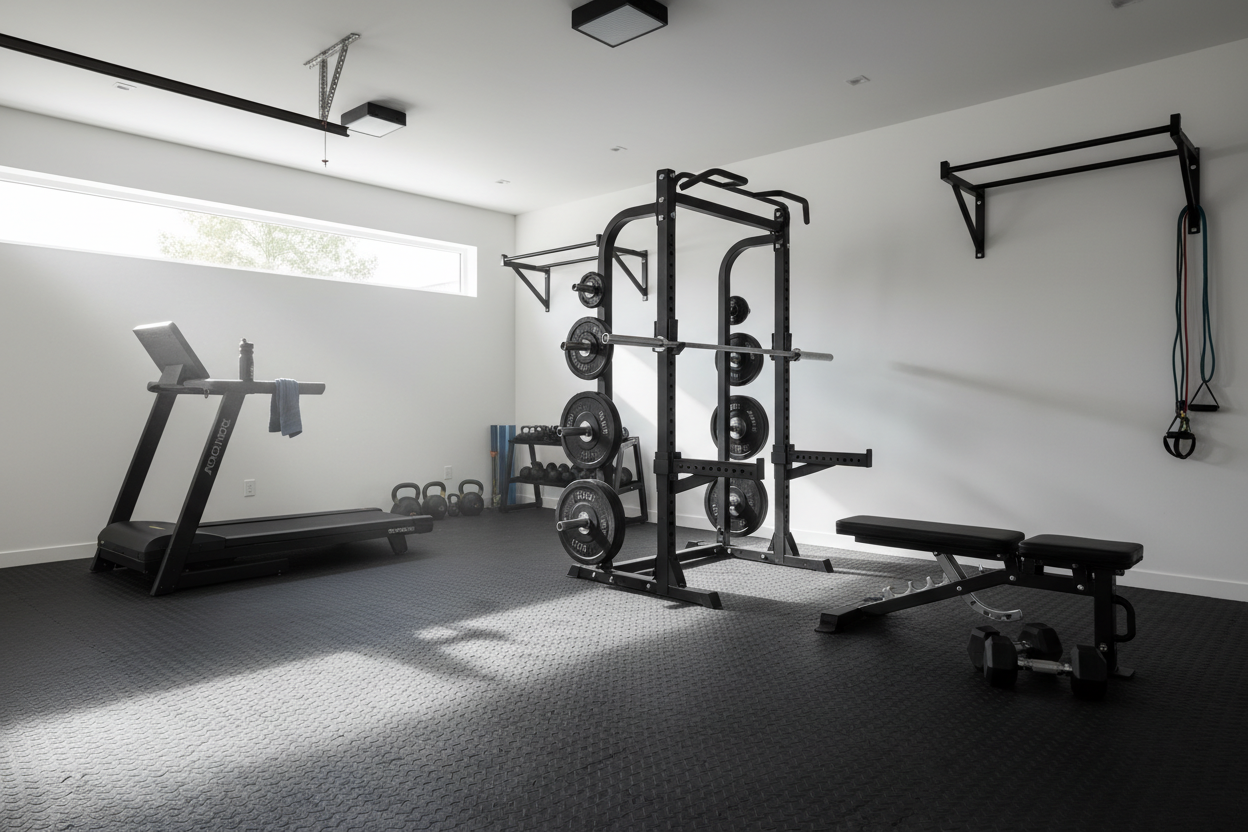
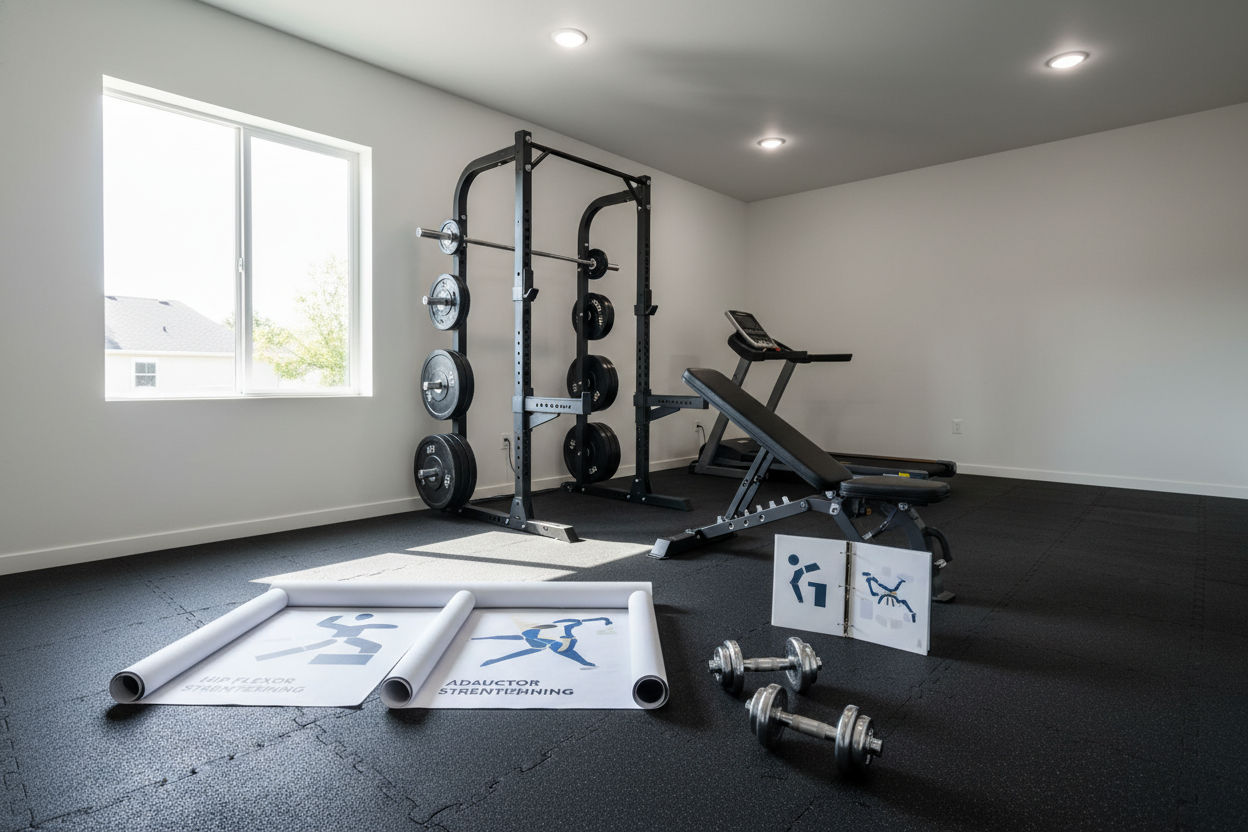
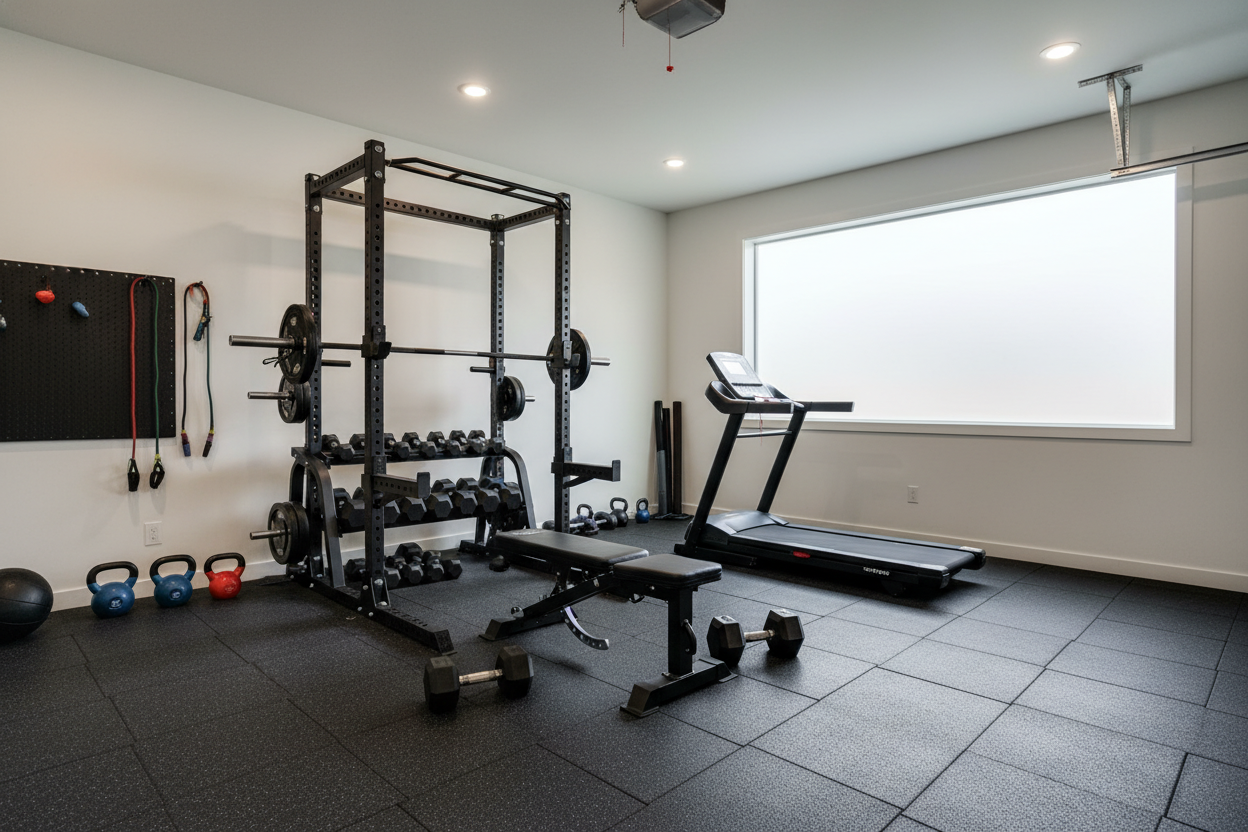
I remember standing in my 120-square-foot garage, staring at a PDF workout I had just paid fifty bucks for. It called for three different cable attachments and a functional trainer I didn't have. I spent twenty minutes trying to rig a resistance band to my power rack just to do a mediocre tricep extension. That was the day I stopped trying to turn my garage into a commercial gym and started focusing on the best exercises with free weights.
- Focus on compound movements for 90% of your training volume.
- Prioritize stability over 'fancy' balance-based movements.
- Invest in a solid rack and bench before buying niche accessories.
- Don't try to mimic cable machines with dumbbells; play to the iron's strengths.
The Trap of 'Commercial Gym' Programming at Home
The biggest mistake I see new home lifters make is trying to force a square peg into a round hole. You download a 'best free weight workout' from a bodybuilder who trains at a $200-a-month facility, and suddenly you're trying to do dumbbell flyes on a floor because you don't have a bench yet. It’s frustrating and, frankly, a waste of time. Most cable-based routines rely on constant tension that dumbbells simply cannot provide at certain angles.
When you try to mimic a cable chest fly with dumbbells, the resistance disappears at the top of the movement. You're just holding weight over your face, doing nothing for your pecs. Instead of forcing awkward machine imitations, you need to embrace what iron does best: heavy, eccentric-loading, and multi-joint destruction. Stop looking for ways to replace the cable crossover and start looking for ways to get a 225-lb barbell moving through space.
What Actually Makes a Movement Worth Your Time?
In my decade of training, I've seen every trend come and go. I’ve seen guys doing squats on BOSU balls and 'functional' movements that look more like interpretive dance. If you want to build actual mass, a movement needs three things: stability, a clear path for progressive overload, and a respect for your joints. If you can’t add five pounds to the movement every few weeks, it’s a hobby, not a training program.
We are hunting the best exercises for muscle gain, and that means picking lifts where the equipment doesn't get in the way. A barbell row is superior to a weird 'unsupported' dumbbell row because your body is the anchor. You can load it heavy, keep your form tight, and actually track your progress. If a move feels 'fidgety' or requires you to balance on one leg while rubbing your stomach, bin it. It’s not helping you get stronger.
The Core Iron Curriculum (No Gimmicks)
You don't need fifty different moves. You need about six to eight free weightlifting exercises that you perform with terrifying intensity. This curriculum is built on the reality of gravity. We aren't fighting pulleys; we're fighting the earth’s pull on a piece of cast iron. These are the high-yield movements that pay dividends for years.
Upper Body: Pressing and Pulling Heavy
If you aren't doing the overhead press (OHP), you're leaving shoulder meat on the bone. Standing with a bar at your collarbone and shoving it toward the ceiling is the ultimate test of upper body stability. It forces your core to work harder than any crunch ever will. Following that, the barbell row is your bread and butter for back thickness. I prefer a Pendlay style—starting every rep from a dead stop on the floor—to keep my lower back from taking over the movement.
For the chest, you need a heavy-duty adjustable weight bench. I’ve owned the cheap $100 versions that creak when you sit on them; don't do that. You need something rated for at least 600 lbs so you can focus on the press, not whether the bench is going to collapse. A solid bench allows for incline work, which is non-negotiable if you don't want 'droopy' pecs. Dumbbell presses on an incline provide a range of motion that a standard barbell bench press just can't touch.
Lower Body: Hinges and Squats
Leg day in a garage gym is a special kind of hell. Without a leg press or hack squat, you have to get creative, but 'creative' doesn't mean 'complex.' The Romanian Deadlift (RDL) is probably the single most important hinge movement you can do. It targets the hamstrings and glutes with a stretch that no machine can replicate. Keep the bar close to your shins and feel the tension build. It’s simple, but it’s brutal.
For the quads, I'm a huge fan of the front squat. It keeps your torso upright and puts the stress exactly where you want it. If you're looking for more variety, I've written extensively on the best free weight quad exercises that don't require a bulky leg extension machine. Lunges and split squats are also essential; they fix imbalances that heavy bilateral squats can sometimes hide. Just be prepared for the soreness—there's no 'easy' button when you're training legs with iron.
Structuring the Best Workout With Free Weights
The best workout with free weights is the one you can actually recover from. I usually recommend a 4-day upper/lower split for most people. This gives you enough frequency to hit everything twice a week but enough rest so you aren't dragging yourself into the garage with a fried central nervous system. On Monday, you do your heavy compounds; on Thursday, you hit higher-rep variations for hypertrophy.
Safety is the elephant in the room when training at home. I once got pinned under a 245-lb bench press because I thought I could 'handle it' without safeties. I had to roll the bar down my stomach and off my hips. It hurt, it was embarrassing, and it was entirely avoidable. This is why you need a reliable power rack package. Having those safety spotter arms means you can actually push to failure on your best free weight workout without wondering if you're going to end up in the ER.
Knowing When You Actually Need to Upgrade
Look, I love free weights. They built my foundation. But I’m also a realist. Once you’ve been training for five or ten years, your joints might start to complain about the constant demand for stability. Or, you might find that your lats just aren't growing because your grip gives out before your back does. This is the transition point where adding dedicated weight lifting machines like a lat pulldown or a seated row makes sense.
You don't need a whole commercial circuit. A single plate-loaded cable tower or a dedicated leg extension/curl machine can provide that localized tension that free weights sometimes miss. Use the iron to build the house, and use the machines to paint the walls. But until you're moving respectable weight on the basic lifts, keep your money in your pocket and your hands on the barbell.
FAQ
Do I need a barbell, or can I just use dumbbells?
Dumbbells are great for hypertrophy and fixing imbalances, but you'll eventually run out of weight. A barbell allows for much heavier loading, which is essential for building maximum strength. I recommend having both.
Is training with free weights more dangerous than machines?
Only if you're reckless. If you use a power rack with safety bars and learn proper technique, it's incredibly safe. Machines can actually cause issues by forcing your joints into fixed paths that might not suit your anatomy.
How much space do I really need?
A standard 7-foot barbell needs about 8 to 9 feet of horizontal clearance so you can load plates. A 4x6 foot rubber mat area is usually the minimum 'work zone' for a rack and bench setup.