I Ditched Bodybuilding For a Real Athlete Shoulder Workout
I spent years chasing the pump. I would stand in front of the mirror, grinding out set after set of lateral raises until my delts burned and my ego felt satisfied. Then I tried to play a pickup game of basketball and realized I had the mobility of a rusted gate. My shoulders were just heavy ornaments that didn't actually help me move, throw, or hit.
I realized I didn't need more isolation. I needed a legitimate athlete shoulder workout that actually transferred to the field. If you are tired of feeling stiff and slow despite your gym progress, it is time to stop training like a statue and start moving like a human being.
Quick Takeaways
- Athletic shoulders require force transfer from the ground up, not just isolated contraction.
- Explosive movements like the push press are non-negotiable for building power.
- Stability work prevents the rotator cuff tears that plague heavy lifters.
- Ditch the 12-rep sets for a mix of high-velocity and heavy isometric holds.
The Problem With Chasing Boulder Shoulders
Standard bodybuilding routines are built on a lie: that looks equal performance. You can have massive delts from 3x12 seated dumbbell presses, but those muscles are often 'dumb.' They don't know how to fire in coordination with your hips or core. This is why shoulder workouts for athletes look so different from the stuff you see in muscle mags.
When you isolate a muscle, you're teaching your brain to shut down everything else. On a field or a court, that's a recipe for a tear. You need your shoulders to act as a funnel for the power your legs are generating. If that funnel is stiff or disconnected, you're not just slow—you're fragile.
What Actually Makes a Shoulder 'Athletic'?
An athletic shoulder isn't just about how much you can press; it is about force absorption and multi-planar stability. Think about a linebacker taking a hit or a pitcher winding up. Those movements require the joint to stay centered while massive external forces try to rip it out of the socket. You need a real shoulder workout for athletes that prioritizes these 'brakes' just as much as the gas pedal.
Ignoring force absorption is why so many guys have 'weightlifter shoulder.' They can push 225 lbs overhead but can't catch a 10-lb medicine ball without wincing. True performance comes from the ability to stabilize under chaos, not just in a controlled, linear path.
My Core Athlete Shoulder Workout Framework
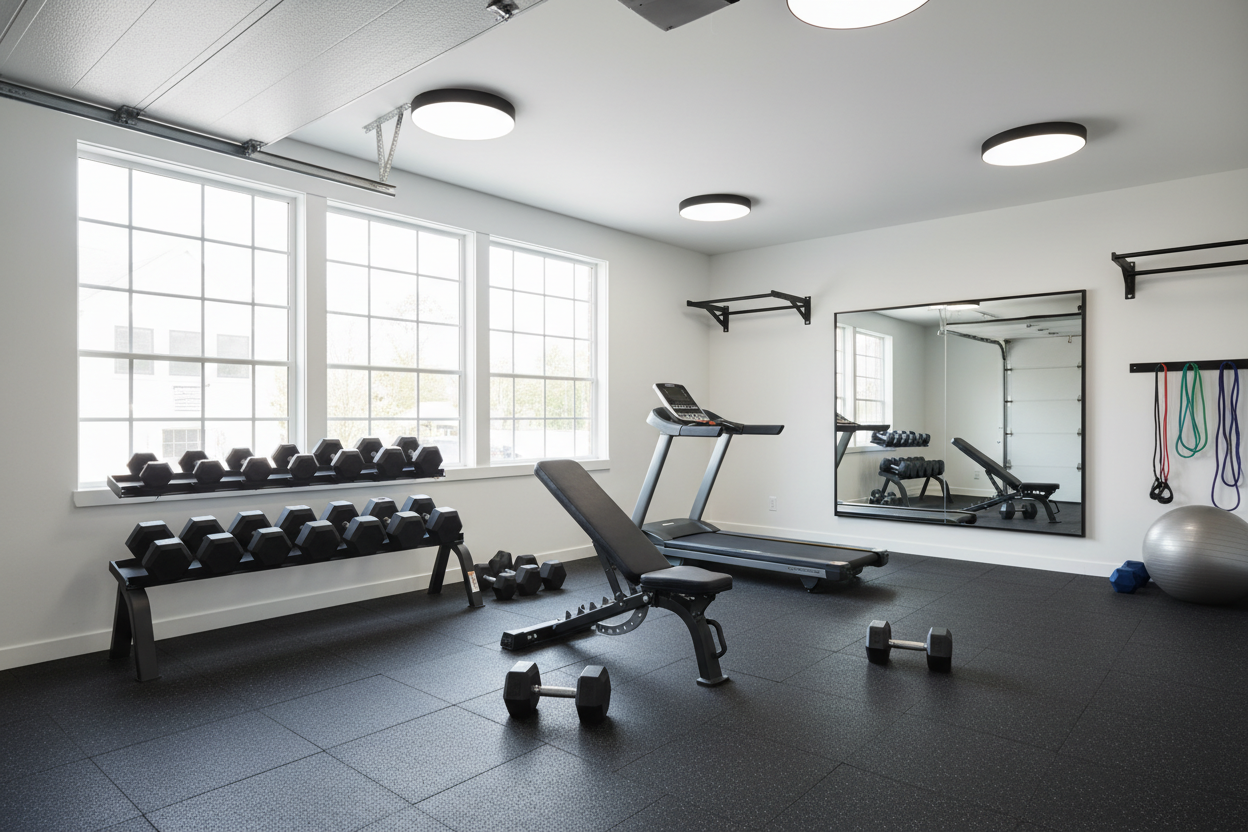
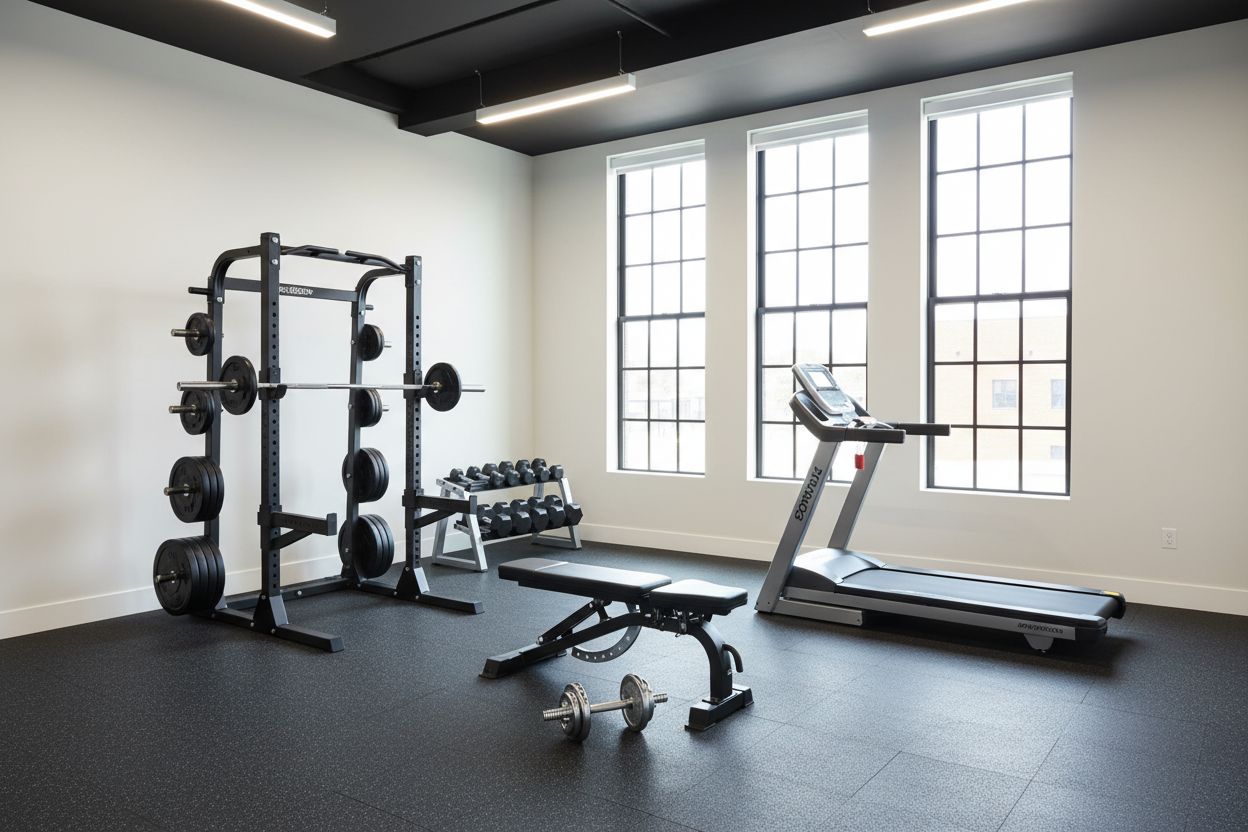
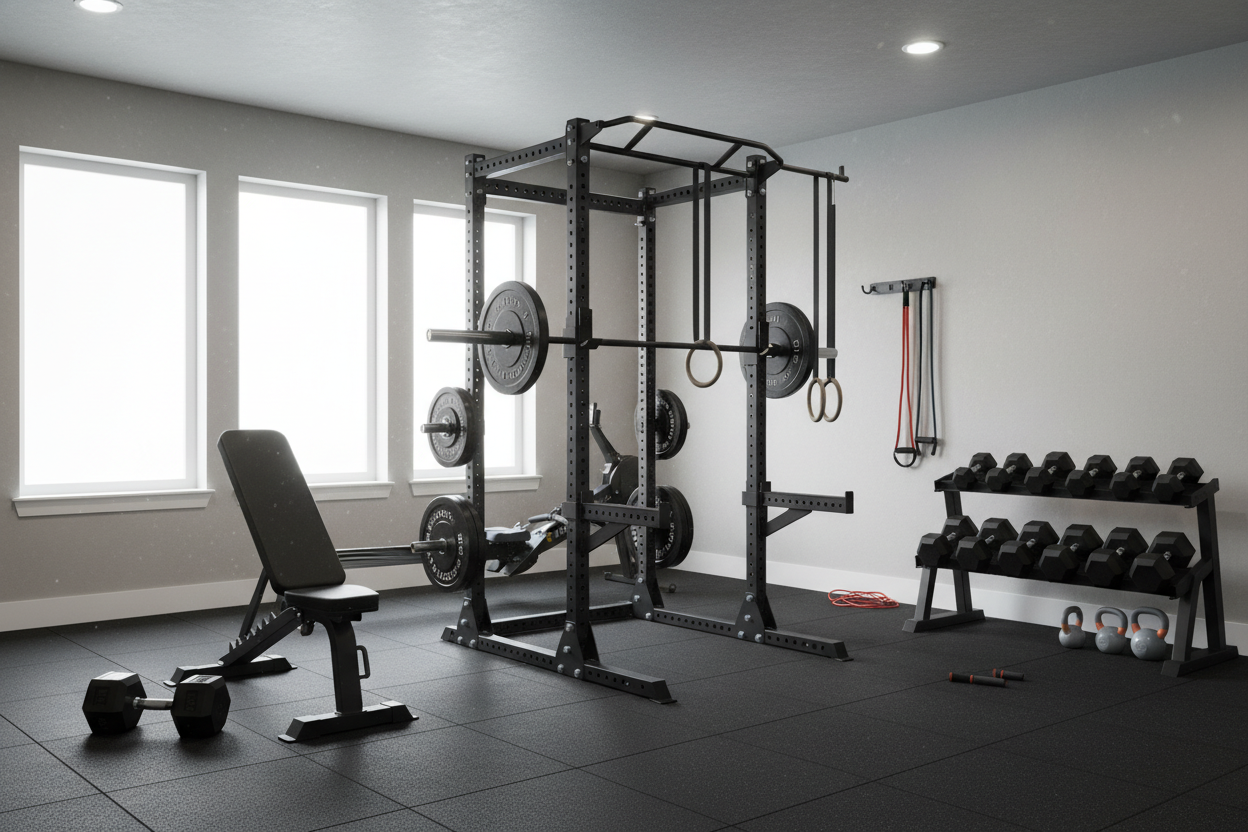
My garage gym setup is built for function. I don't have room for five different shoulder machines, so I rely on a framework that moves from high-velocity power to heavy structural stability. We start with the explosive stuff while the nervous system is fresh, then move into the 'boring' stability work that keeps us out of the physical therapist's office.
Phase 1: Power and Speed Generation
We start with the push press and landmine jerks. These aren't just shoulder exercises; they are full-body expressions of power. The goal here is to move the weight as fast as humanly possible. I'm looking for triple extension—ankles, knees, and hips all locking out to drive that bar upward. This teaches your shoulders to finish the job that your legs started.
Phase 2: Deceleration and Stability
Next, we shift to the brakes. This is where we use kettlebell bottoms-up presses and floor-based isometric holds. I usually do my floor work on a high-grip exercise mat yoga mat gym flooring to ensure I don't slip when my core is under tension. These shoulder exercises for athletes require strict core engagement. If your midsection is soft, that kettlebell is going to flop over and hit you in the forearm. It forces the rotator cuff to wake up and do its job.
Why I Sometimes Step Outside the Garage
I love my barbell, but it has limitations. Barbells are fixed-path tools. Sometimes, for the sake of joint longevity, you need the continuous tension that only a cable stack provides. The resistance profile of a cable machine allows for constant load through the entire range of motion, which is incredible for tendon health. I still head to the local commercial spot for specific gym workout shoulder exercises like face pulls or cable rotations that are hard to replicate with a rack and a dream.
The Bottom Line on Pressing for Performance
If you train for power, speed, and stability, the 'boulder shoulder' look happens anyway. It is a side effect of being capable. Stop worrying about the peak of your lateral delt and start worrying about how much force you can transfer from the floor to your fingertips. Your performance—and your joints—will thank you.
Personal Experience: The Bottoms-Up Lesson
I once thought I was strong because I could strict press a decent amount of weight. Then I tried a 35-lb bottoms-up kettlebell press. The bell immediately flopped and nearly took out my front teeth. It was a massive wake-up call. My 'show' muscles were strong, but my stabilizers were non-existent. Incorporating these movements didn't just make me more stable; it actually added 15 lbs to my barbell overhead press because my joints finally felt secure enough to handle the load.
FAQ
Will this workout make my shoulders smaller?
Absolutely not. You'll likely see more growth in the rear delts and traps, giving you a thicker, more 'functional' look than traditional isolation work.
Do I need a lot of equipment for this?
A barbell and a single kettlebell will get you 90% of the way there. A landmine attachment is a great bonus for rotational power.
How often should athletes train shoulders?
Two times a week is the sweet spot. One day focused on explosive power and one day focused on heavy stability and accessory work.