I Couldn't Get a Good Exercise at Home Until I Fixed My Flooring
I remember trying to do a set of high-intensity burpees on my living room rug about three years ago. Three reps in, the rug bunched up, my lead foot slid toward the coffee table, and I nearly cracked my shin open on the wood edge. I realized right then that you can own the best adjustable dumbbells in the world, but if your foundation is trash, you will never get a good exercise at home.
- Carpet and hardwood kill force production by creating an unstable base.
- Standard yoga mats are too thin and stretchy for dynamic movements.
- Dense rubber or high-grade foam mats protect your joints and your floor.
- Proper traction allows your nervous system to focus on the lift, not on falling.
The Real Reason Your Living Room Routine Feels Awkward
When you train in a commercial facility, you don't think about the floor. You just push. But when you are learning how to exercise at home, you quickly realize that biomechanics don't care about your decor. If your feet are sliding even a fraction of an inch during a squat, your brain 'mutes' your power output to prevent injury.
It is impossible to maintain a real mind-muscle connection when you are subconsciously bracing against a slippery hardwood floor. You need friction to generate torque. Without a stable surface, your glutes and quads won't fire at 100%, making your 'intense' workout a waste of time.
Bridging the Gap Between Commercial Facilities and Your House
There is a psychological shift that happens when you step onto a dedicated gym floor. This is a huge part of Why Exercise in a Gym Feels Different. In a commercial gym, the high-traction rubber signals to your brain that it is time to work. At home, your brain thinks it is in a 'relaxation zone' because the floor feels soft and squishy.
By installing a dedicated surface, you create a physical boundary for your training. It stops being a living room and starts being a workstation. This sensory feedback is the best way to work out at home without losing that 'gym' edge.
Finding the Best Way to Work Out at Home Without Slipping
If you are trying to figure out how to exercise from home effectively, stop using that 3mm yoga mat you found in the back of the closet. Those mats are designed for static stretching, not mountain climbers or lateral lunges. They stretch, they tear, and they move with you.
For most people, a thick 6x4ft exercise mat is the sweet spot. It is wide enough that you aren't constantly stepping off the edge, and it has enough density to stay anchored to the floor. This is the foundational piece for any fitness exercises home routine that involves more than just sitting on the floor.
When You Finally Add Heavy Weights (Protect the Hardwood)
Bodyweight training is one thing, but once you start swinging a 24kg kettlebell or dropping 50-lb dumbbells, you have to worry about your security deposit. Hardwood floors are surprisingly fragile under impact. A single dropped weight can leave a permanent dent that costs more to fix than a whole year of gym membership.
As you progress, you should look into a large exercise mat for home gym. These are usually 7mm to 9mm thick and provide enough shock absorption to deaden the sound and vibration. This is essential if you live in an apartment and don't want your downstairs neighbors calling the cops every time you finish a set of deadlifts.
The Best Exercise to Do at Home Once Your Grip Is Fixed
The best exercise to do at home, hands down, is the Bulgarian split squat. It requires zero fancy equipment but hits your legs harder than a heavy barbell squat. However, it is a nightmare to perform on a rug because your back foot will slide out from under you.
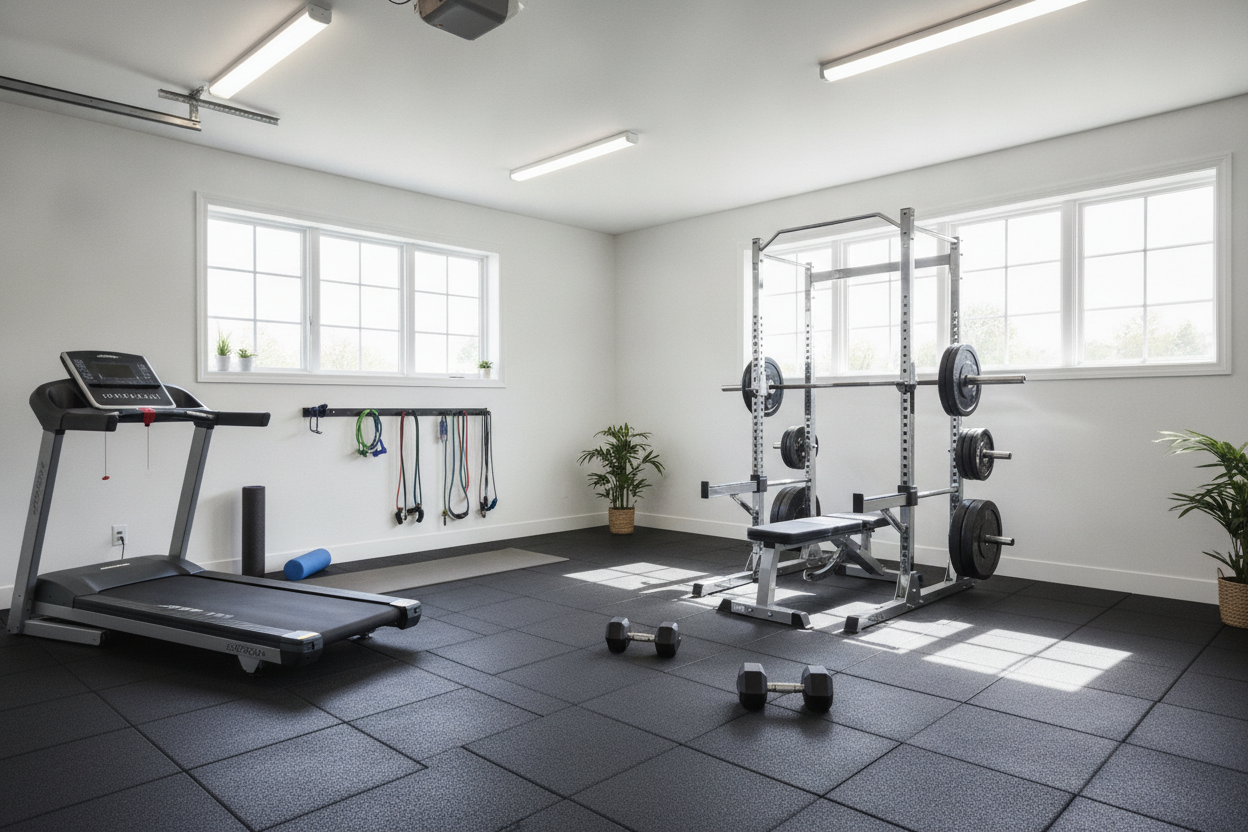
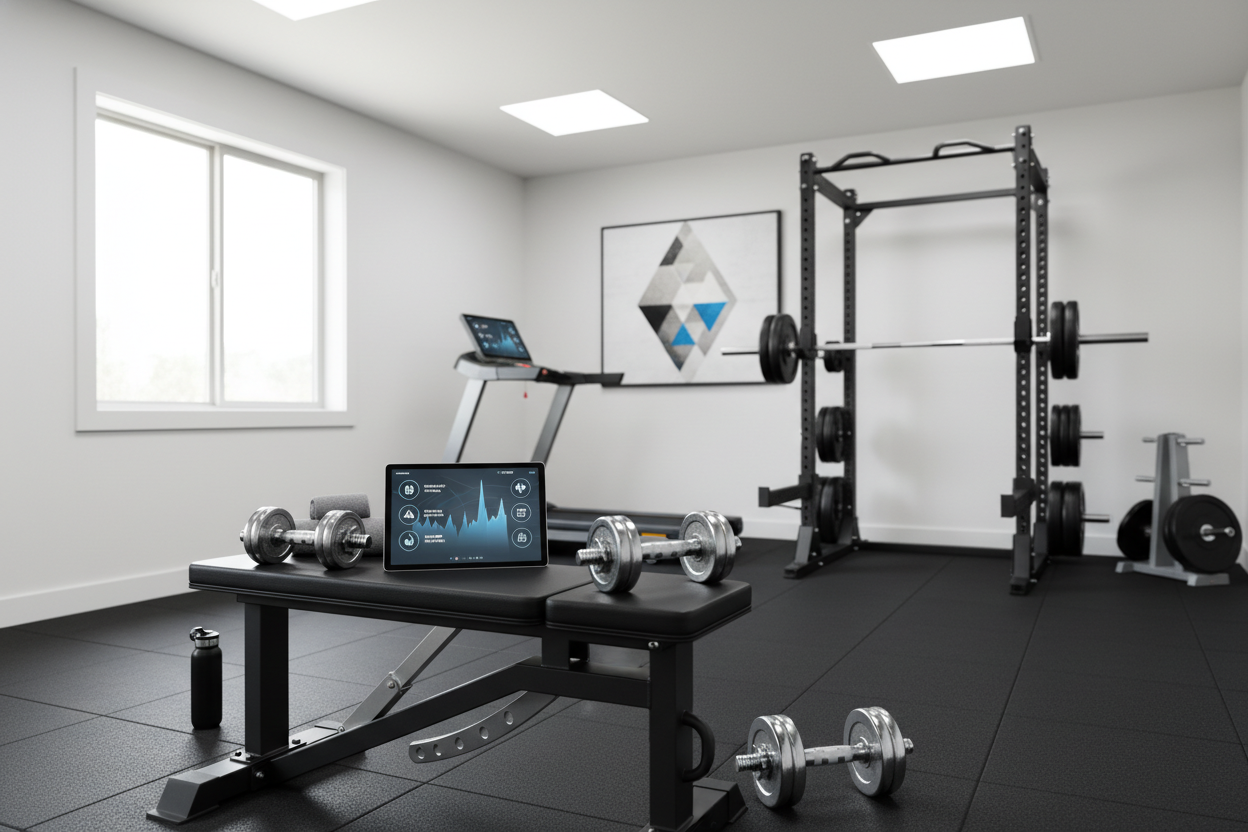
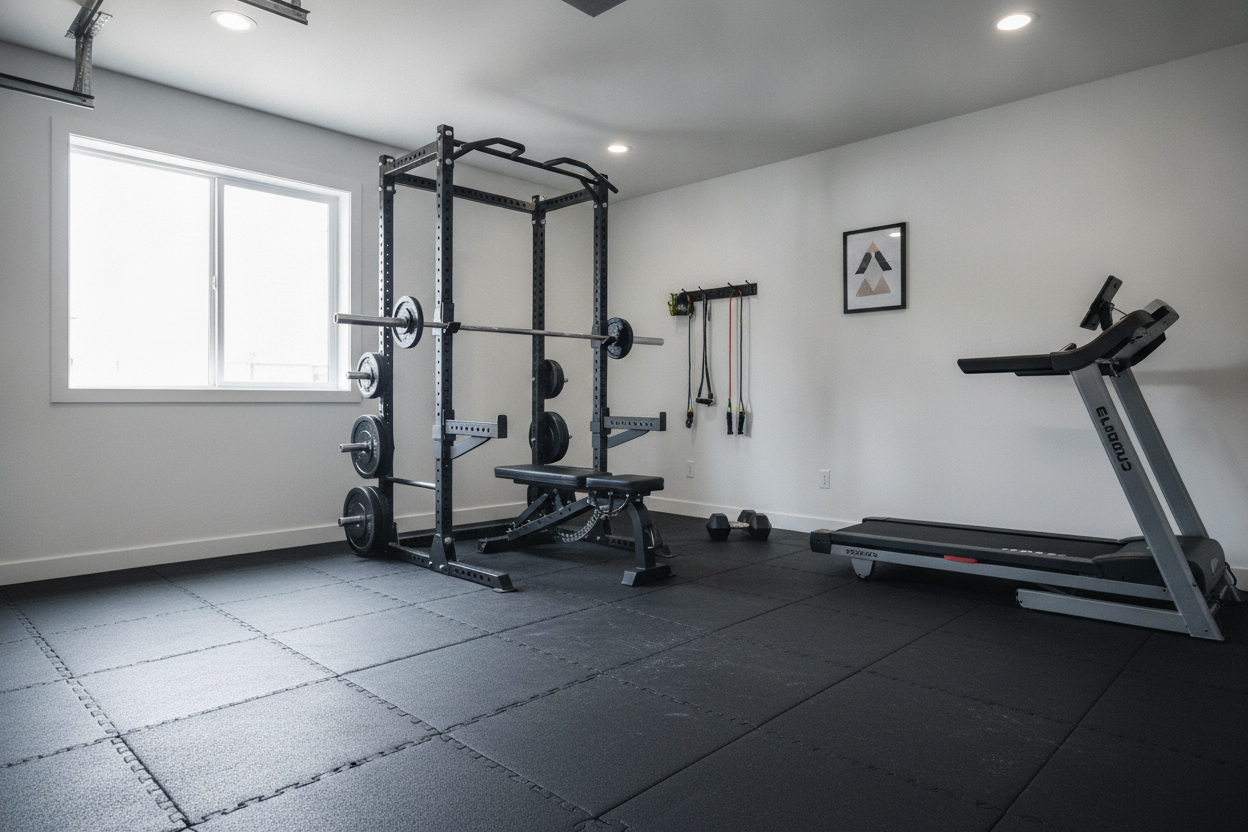
Once I upgraded to a heavy-duty 6x8ft exercise mat, I could finally drive through my midfoot and stay balanced. This size is big enough to accommodate a full lifting setup, including a weight bench and a rack of dumbbells. If you want to know how to do a workout at home that actually builds muscle, you have to stop fighting your floor and start using it.
My Personal Take: The 'Puzzle Tile' Mistake
I once tried to save money by buying those cheap EVA foam puzzle tiles from a big-box store. It was a disaster. During my first set of lateral lunges, the tiles separated, and I went into an accidental split. I learned that day that 'cheap' flooring is more dangerous than no flooring at all. If the seams don't lock or the material is too light, it will shift. Spend the extra money on a solid, one-piece heavy rubber mat.
FAQ
Can I just use a yoga mat for cardio?
Not recommended. Yoga mats lack the lateral stability needed for cardio. You'll likely end up stretching the mat out or tripping as it bunches up under your feet.
Will a thick mat damage my carpet?
Actually, it protects it. A dense mat prevents weight from crushing the carpet fibers and keeps sweat from soaking into the pad, which is how home gyms start to smell like old socks.
How do I clean a large gym mat?
Just use a drop of dish soap and warm water. Avoid harsh chemicals or oils, which can make the surface slippery and ruin the traction you paid for.