I Copied the Lifetime Fitness Strictly Strength Class at Home
I’m the guy who thinks a $200-a-month gym membership is just a down payment on a Rogue power rack. Usually, if a workout involves a group and a microphone, I’m out. But when I heard about lifetime fitness strictly strength, a class that supposedly ditches the burpees for actual barbell work, my curiosity got the better of my garage-gym snobbery.
Quick Takeaways
- The protocol uses a 45-second work / 15-second rest interval structure.
- It focuses on heavy compound lifts: squats, presses, and rows.
- No cardio equipment is used; the intensity comes from short rest periods.
- You can replicate the entire 60-minute session with a basic barbell and rack.
Why I Left the Garage for a Group Class
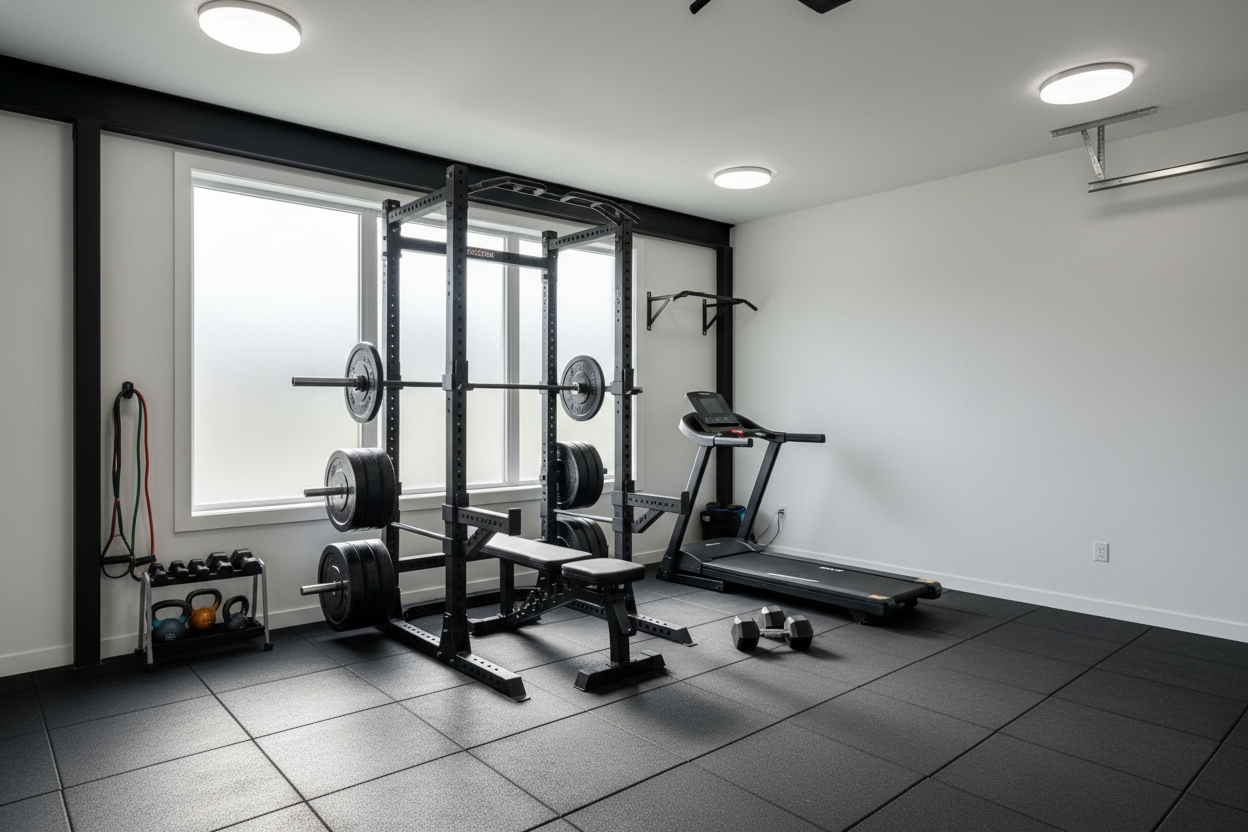
My garage is my sanctuary. It’s got 3/4-inch stall mats, a rack that’s bolted to the concrete, and a stereo that only plays what I want. Most group classes feel like 'cardio in disguise' with light pink dumbbells and endless reps. I went into this session expecting to be disappointed by a lack of real weight.
The promise of 'strictly strength' is a bold claim in a commercial setting. I wanted to see if they were actually moving heavy iron or if it was just another high-intensity interval session masquerading as a lifting program. I swallowed my pride, grabbed a guest pass, and walked into the neon-lit studio to see if the hype matched the sweat.
What Actually Happens in Lifetime Fitness Strictly Strength?
The class is structured as a high-density lifting session. After a 10-minute dynamic warm-up—think hip hinges and T-spine rotations, not jumping jacks—you move into three distinct blocks of work. Each block targets a different movement pattern using a barbell or heavy dumbbells.
The timing is what makes it brutal. You work for 45 seconds, then have exactly 15 seconds to strip weight or change positions. It’s a pace that forces you to be efficient with your transitions. Having an instructor breathe down your neck about form and tempo is actually a solid way of staying motivated in fitness when you’re on your fifth set of heavy squats and your lungs are screaming.
The group dynamic is surprisingly effective. There’s a specific energy when twenty people all hit their sticking point on a bench press at the same time. It’s a different kind of intensity than the solitary grind I’m used to in my 8x10 foot lifting space.
The Good, The Bad, and The Crowded
The programming is legit. They don’t waste time with 'toning' exercises. You’re doing deadlifts, overhead presses, and lunges. The equipment in a premium club like Lifetime is usually top-tier—clean bars with decent knurling and plates that aren't falling apart. But there’s a catch: the logistics.
Sharing a rack with a stranger who has a completely different working weight is a pain. I spent half the class stripping 45s off the bar just so my partner could do their set, then loading them back on for mine. In my garage, I don't have to negotiate for floor space or wait for a bench to open up. The 'strictly strength' aspect is great, but the 'strictly crowded' reality of a 5:30 PM class is a tough pill to swallow.
How to Run the Exact Same Protocol in Your Garage
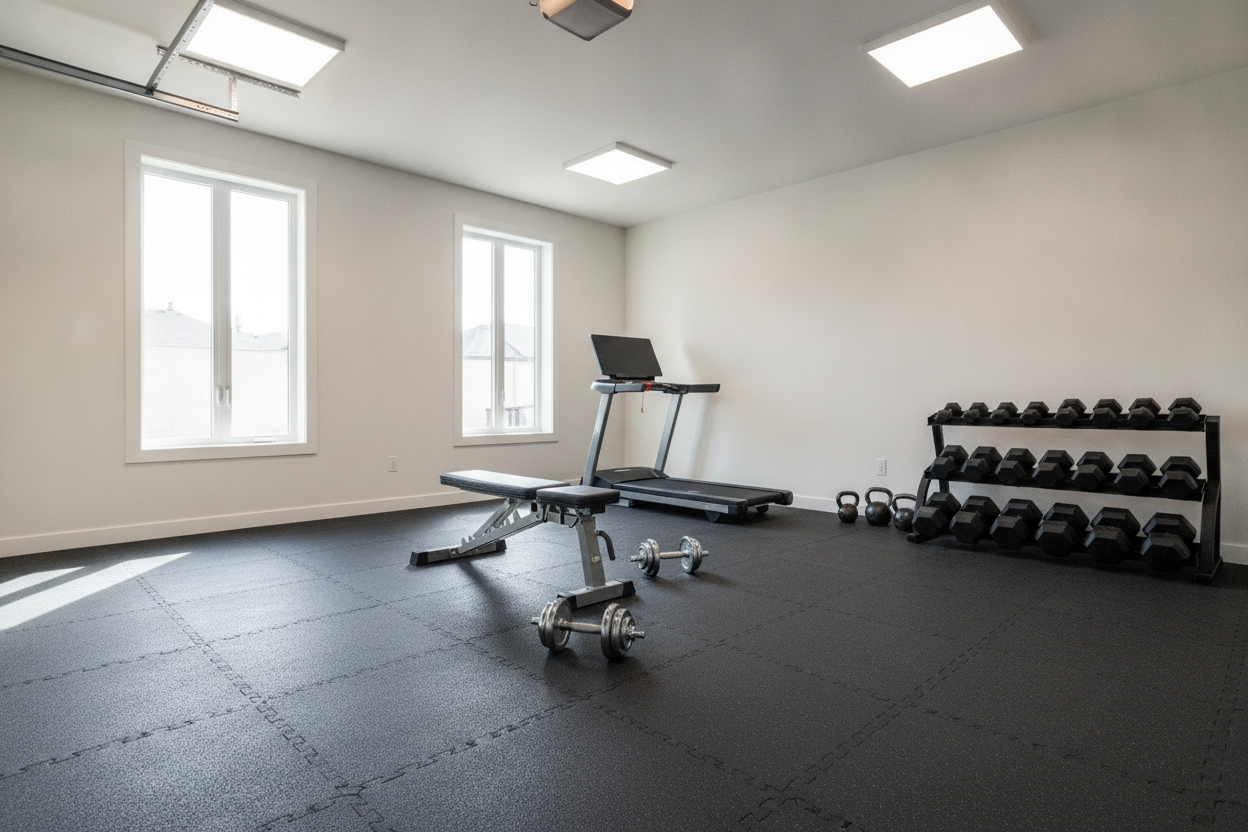
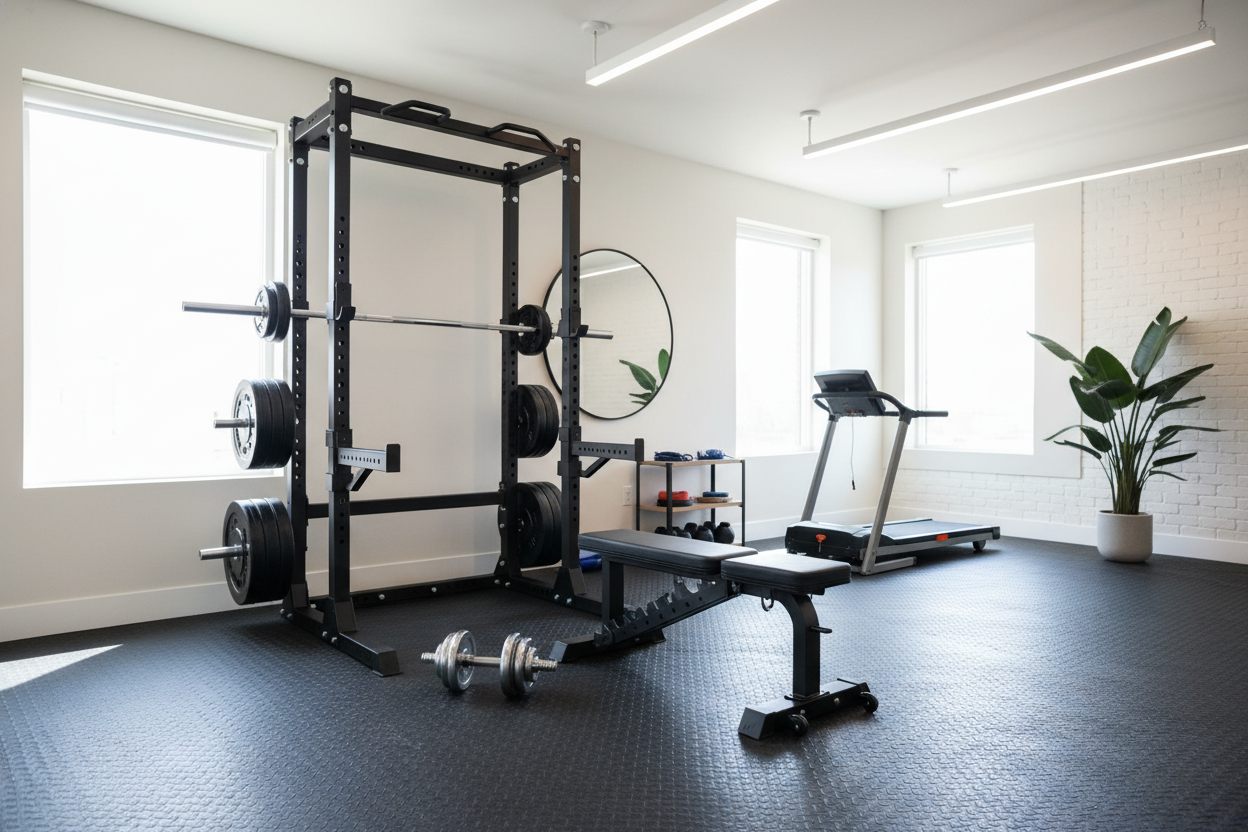
You don't need a premium membership to run this. To do it right, you need a functional home gym setup for strength and fitness. Clear some floor space and set a gym timer for 45 seconds of work and 15 seconds of rest. Stick to four rounds per exercise.
Load up your strength equipment with about 60-70% of your max. The goal isn't a one-rep max; it's consistent, heavy movement under a time crunch. Pick four main lifts: Back Squat, Floor Press, Bent Over Row, and Strict Press. Run through all four rounds of one lift before moving to the next. This minimizes the time you spend moving plates around, which is the secret to keeping the intensity high without a coach yelling at you.
Swapping Out Dumbbells and Bands
The final block of the class usually involves 'accessory' work to burn out the smaller muscle groups. If you don't have a full rack of dumbbells, you can easily use strength training accessories like heavy resistance bands or a single kettlebell.
Instead of the cable flyes they do in the studio, I use a heavy band looped around the upright of my rack for chest flyes or face pulls. The constant tension of the band actually mimics the feel of their high-end cable machines pretty well. Don't overthink the accessories—just pick a movement that hits the same muscle group and go until the timer beeps.
Is the Premium Membership Actually Worth It?
If you have zero discipline and need a social contract to show up, the $200 monthly fee might be a good investment. The programming in this specific class is better than 90% of the group fitness junk out there. But for the cost of one year at a luxury club, you could buy a high-end power rack, a Texas Power Bar, and 300 lbs of iron. I’ll take the one-time investment and the ability to lift in my underwear every single time.
FAQ
Can I do this workout with just one pair of dumbbells?
You can, but you'll need to adjust your tempo. If the weights are light, slow down the eccentric (lowering) phase to three seconds to keep the intensity high during those 45-second work intervals.
How many calories does this class burn?
It’s not a calorie-burning class in the traditional sense. It’s about building muscle and metabolic demand. You’ll sweat because of the short rest periods, but the goal is strength, not a number on a fitness tracker.
What if I can't keep up with the 15-second rest?
In your own gym, you make the rules. If 15 seconds is too short to change your plates, bump it to 30 seconds. Just don't let it turn into a three-minute scroll through Instagram.