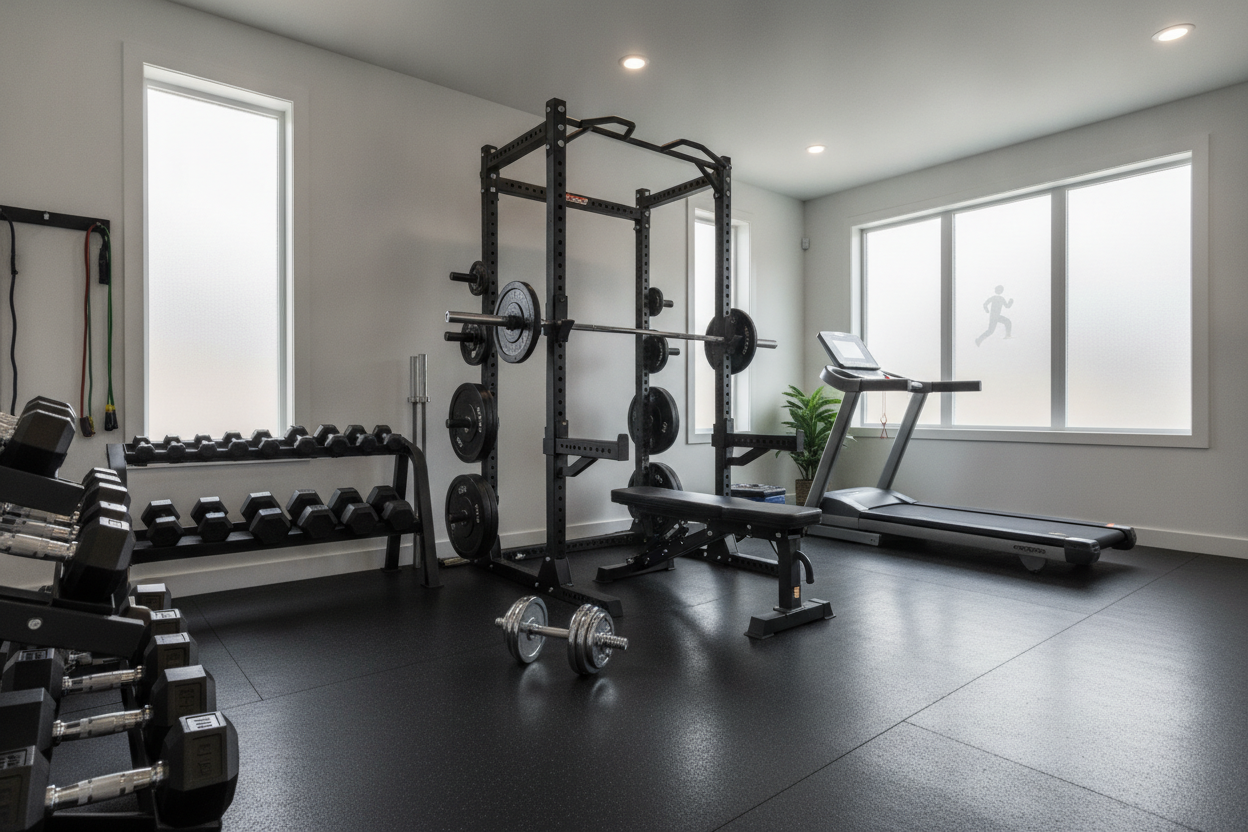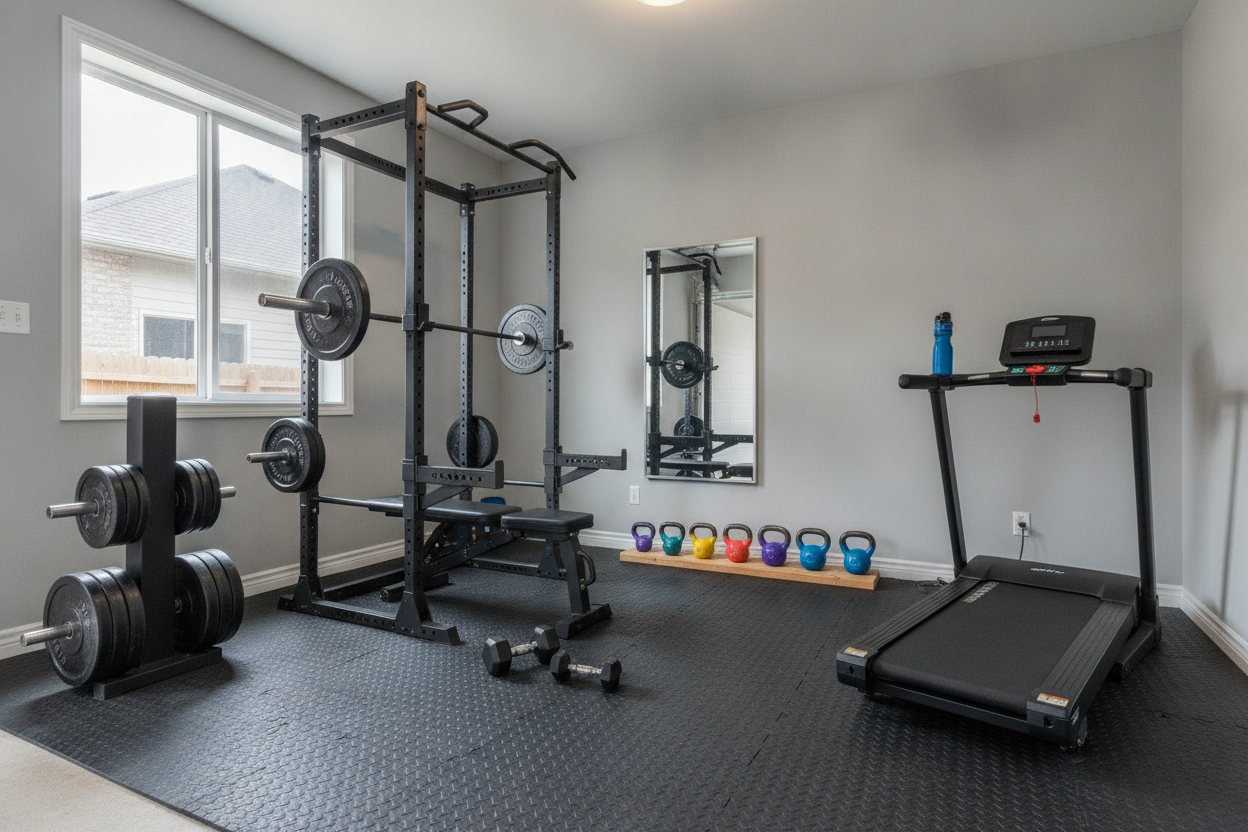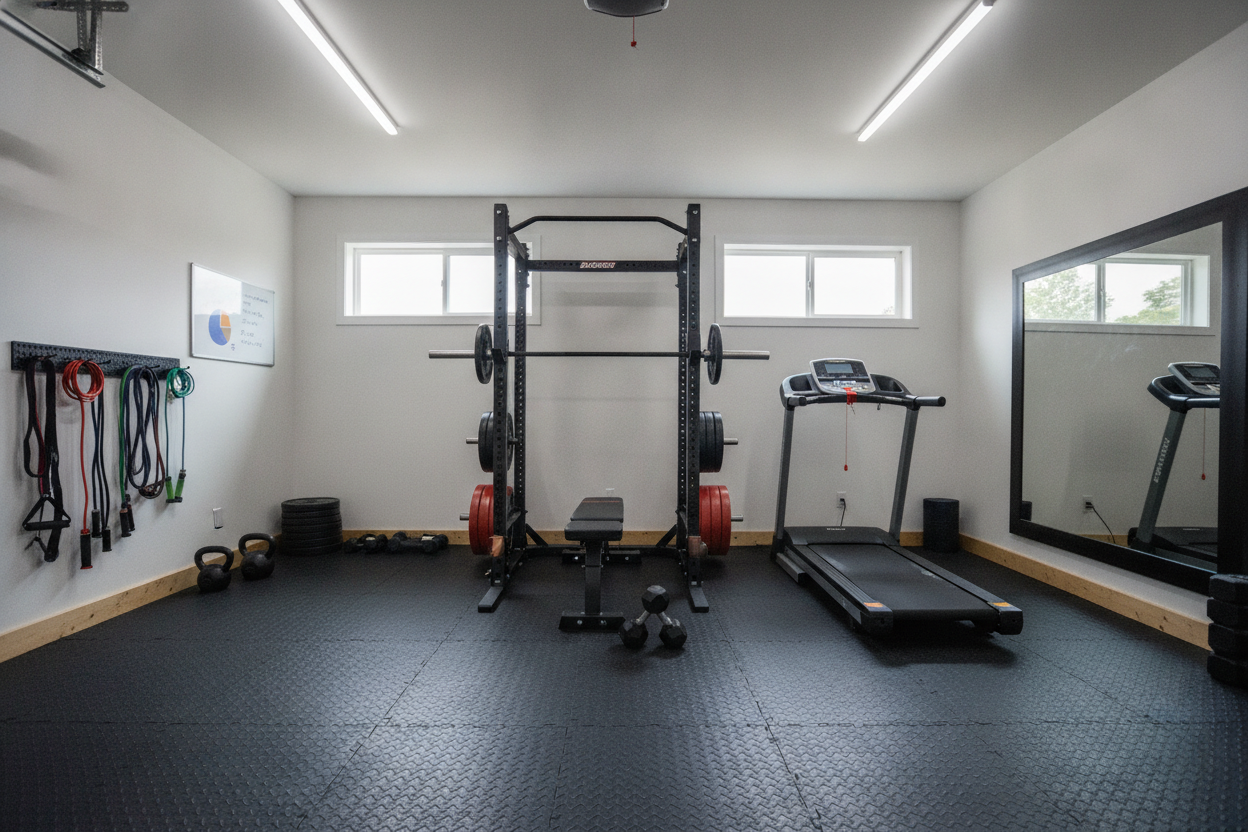
I Calculated the Real Full Gym Equipment Price (Here Is the Math)
I remember the day I finally quit my commercial gym. They hiked the monthly dues to $85, and I still had to wait twenty minutes for a squat rack that felt like it was made of soda cans. I went home and started scrolling through equipment sites, trying to figure out the full gym equipment price for a setup that wouldn't fall apart the first time I dropped a deadlift.
Most online 'budget' guides are written by people who have never actually squeezed a knurled bar. They either suggest dangerous, flimsy junk from Amazon or tell you that you need a $5,000 functional trainer just to get a sweat going. I've spent the last decade buying, selling, and breaking gear in my garage. Here is what it actually costs to build a gym that lasts.
Quick Takeaways
- A functional 'bare minimum' setup starts around $900.
- The intermediate 'sweet spot' for most lifters lands between $2,500 and $3,500.
- Flooring is the most overlooked expense, costing $150 to $500 depending on your square footage.
- Buy your barbell new; buy your iron plates used whenever possible.
Stop Guessing What a Garage Setup Actually Costs
Most people fail at building a home gym because they buy a bunch of random accessories before they have a solid foundation. You don't need a massage gun or a fancy wall-mounted timer yet. You need a way to squat, press, and pull safely. When people ask me about gym equipments and their prices, I tell them to ignore the MSRP on 'all-in-one' machines. Those are usually jack-of-all-trades and masters of none.
The price tiers I’m breaking down are based on current market rates for 11-gauge steel and quality bearings. If you go cheaper than these numbers, you’re likely sacrificing the structural integrity of the rack or the straightness of the bar. We are looking at three distinct levels of investment based on how you actually train.
The 'Bare Minimum' Strength Setup
If you just want to get strong without the fluff, you can get away with a surprisingly small footprint. I recommend starting with a squat stand rather than a full cage. A solid squat stand with a 1,000-lb capacity usually runs about $250. Pair that with a basic flat bench ($150) and a 190,000 PSI barbell ($200), and you have the skeleton of a gym.
For weights, a 260-lb set of iron plates is the gold standard for beginners. If you buy new, expect to pay around $1.25 to $1.50 per pound. Totaling it all up, the entry-level price for gym equipments and their prices in this category is roughly $900 to $1,100. Before you swipe the card, take a second to learn about gym equipments and their names so you don't accidentally buy a 'standard' 1-inch bar when you need a 2-inch Olympic one.
The Intermediate Power Setup (The Sweet Spot)
This is where I spent most of my money, and it’s where most dedicated lifters should aim. You’re moving from a squat stand to a 4-post power rack. This gives you safety spotters so you can bench heavy alone without dying. A real 3x3-inch steel rack will cost you $700 to $1,000. It’s a tank; it’ll outlive you.
In this tier, you also add adjustable dumbbells (like PowerBlocks) for $400 and a high-quality adjustable bench for $350. But here is the hidden cost: your floor. If you drop a 405-lb deadlift on bare concrete, you’re going to crack your foundation. I always tell people to budget for a 6x8 heavy-duty exercise mat or horse stall mats. This adds about $100 to $200 but saves you thousands in home repairs. Total intermediate cost: $2,800.
The Commercial-Grade Dream Gym
Once you cross the $5,000 mark, you’re paying for 'feel' and specialized training. We’re talking about calibrated steel plates that are thinner so you can fit more on the bar, and a functional trainer with dual cable stacks for accessory work. A good functional trainer alone will set you back $2,000 to $3,500.
You’re also likely adding high-end cardio. A Concept2 RowErg or a Rogue Echo Bike adds another $800 to $1,100. This level of gym is beautiful, but honestly, it won't make you any stronger than the intermediate setup. It just makes the 6:00 AM workout a lot more enjoyable.
Three Ways I Slashed My Overall Budget
I’ve made plenty of mistakes, like buying a cheap $100 barbell that bent during my first month of heavy Cleans. To keep your full gym equipment price down, stop buying 'packages' that include cheap plastic collars and jump ropes. Buy the big items individually. Second, look for local pickup options. Shipping 500 lbs of iron can cost as much as the iron itself.
Lastly, timing is everything. I saved nearly $600 by waiting for November and scouring home gym equipment deals during the major holiday sales. Manufacturers usually offer 'Max-Out' or 'Black Friday' discounts that include free shipping, which is the real budget-saver. Don't buy in January when everyone else has a New Year's resolution; buy when the warehouses are trying to clear space.
FAQ
Is it cheaper to build or buy a gym?
Building your own is almost always cheaper in the long run. A $2,000 home gym pays for itself in about two years compared to a high-end club membership, and the resale value on quality steel stays high.
What is the most important piece of equipment to splurge on?
The barbell. Do not cheap out here. A bad rack might wobble, but a bad barbell can snap or permanent-bend, which is a safety hazard. Spend at least $200 on a bar from a reputable brand.
Can I build a gym in a carpeted room?
You can, but it’s not ideal for stability. You’ll need to lay down plywood first, then your rubber mats, to create a solid, level surface for your rack and bench.