I Built a Brutal At Home Booty Workout With Weights (Just Dumbbells)
I remember staring at a pair of 15lb dumbbells in my living room and wondering how I was supposed to grow anything with them. The local commercial gym was packed, the squat rack had a line three people deep, and I just wanted to get my glute work done without the commute. But I was tired of the 'toning' videos that felt more like a dance class than a lifting session.
I decided to stop treating my living room like a yoga studio and started treating it like a powerlifting basement. By shifting the focus from 'feeling the burn' to moving actual load, I built an at home booty workout with weights that actually delivers results. You don't need a massive cable machine or a Smith machine to build a shelf; you just need enough resistance to make your muscles panic a little.
- Focus on Tension: Slow down the lowering phase of every rep to 3 full seconds.
- Go Heavy: If you can do more than 15 reps easily, the weight is too light.
- Unilateral Priority: Single-leg movements double the load on the working muscle.
- Rest Matters: Take 2 minutes between sets to let your ATP stores recover for the next heavy effort.
The Problem With Most Living Room Leg Days
Most people treat a dumbbell glute workout at home like it is a race. They see a 20-minute timer on a YouTube video and try to squeeze in 500 reps. That is great for your heart, but it is mediocre for your glutes. Muscle growth requires mechanical tension, which you do not get by flailing around with 5-pound weights.
The biggest mistake I see is 'cardio-lifting.' People rush through their dumbbell leg and glute exercises without ever hitting a full range of motion. If you want growth, you have to stop chasing the sweat and start chasing the struggle. Your last two reps of every set should feel like a grind, not a breeze.
How to Actually Load the Glutes Without a Barbell
Without a 300-lb barbell across your back, you have to get creative to find maximum tension. This means mastering the hip hinge. Glute workout free weights require a deeper stretch and a slower eccentric phase to be effective. You cannot just drop into a squat; you have to control the weight on the way down to tear those muscle fibers.
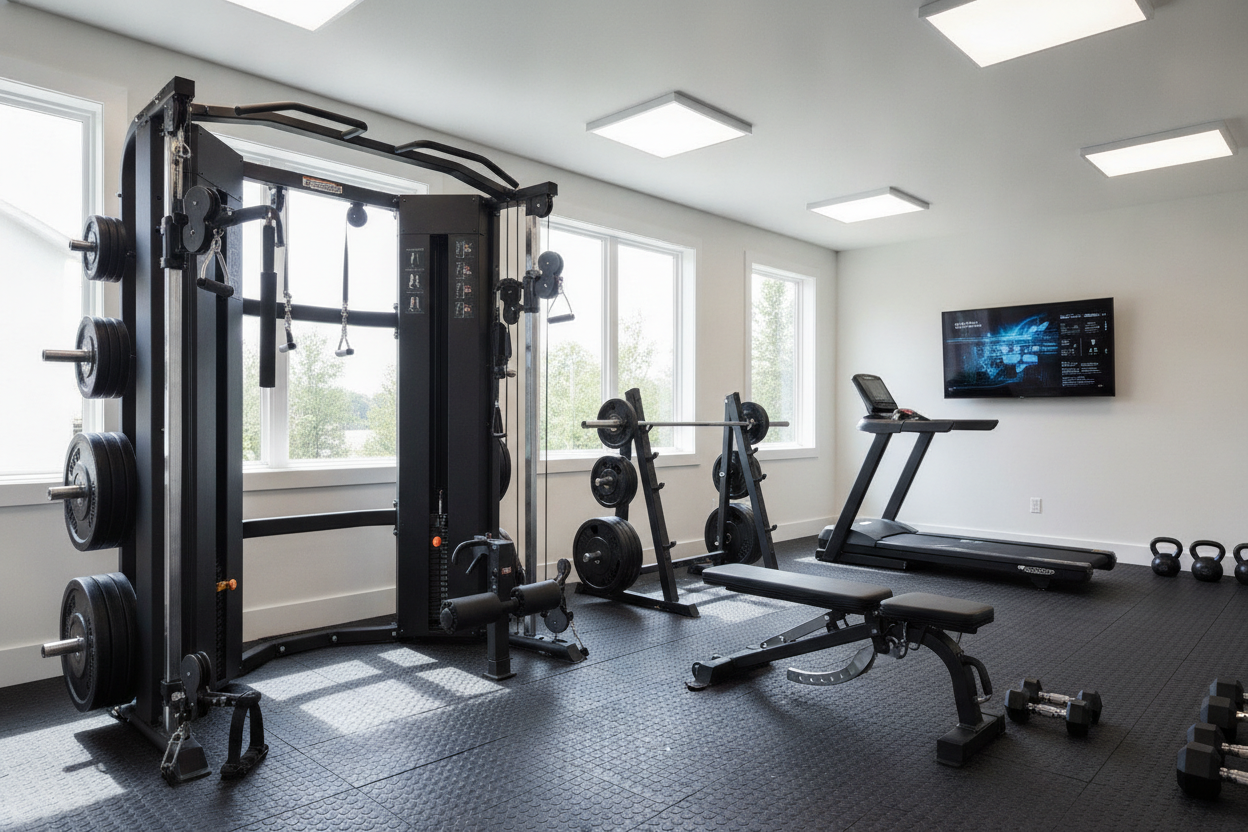
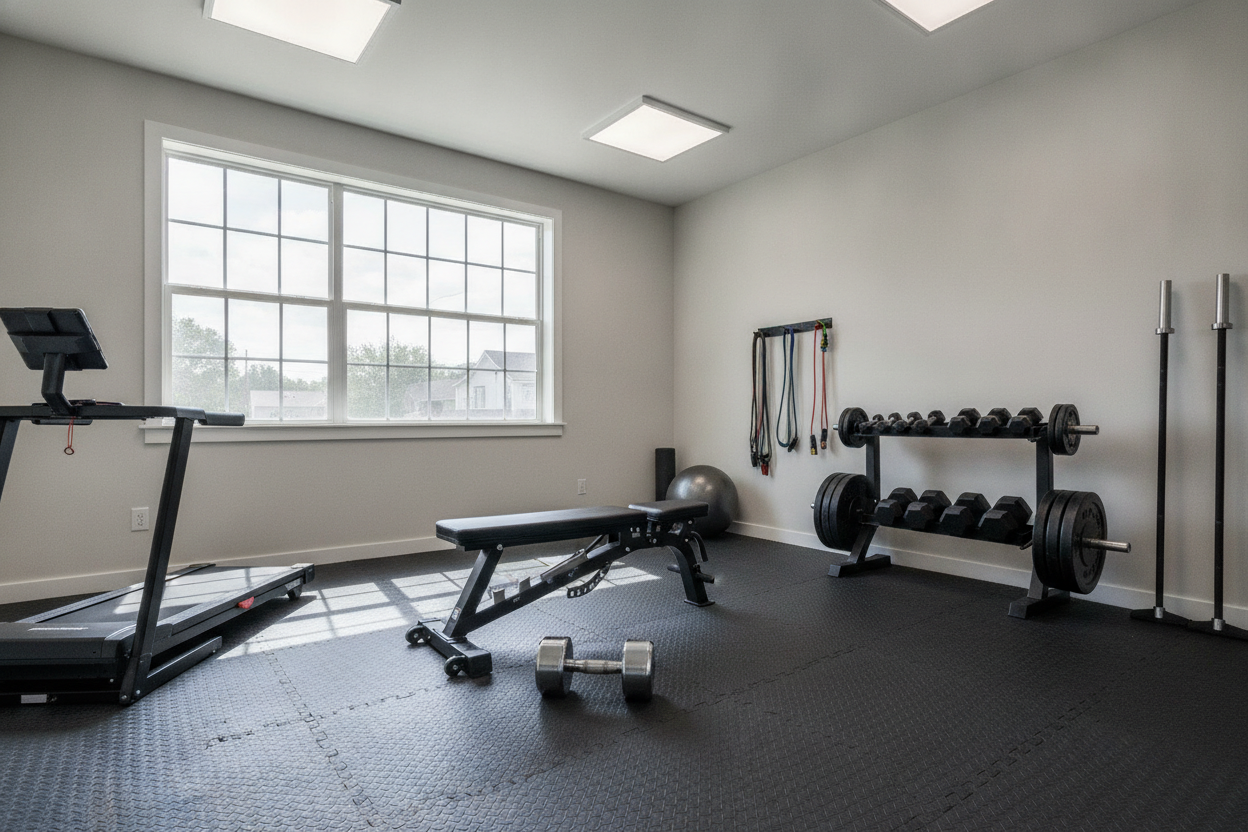
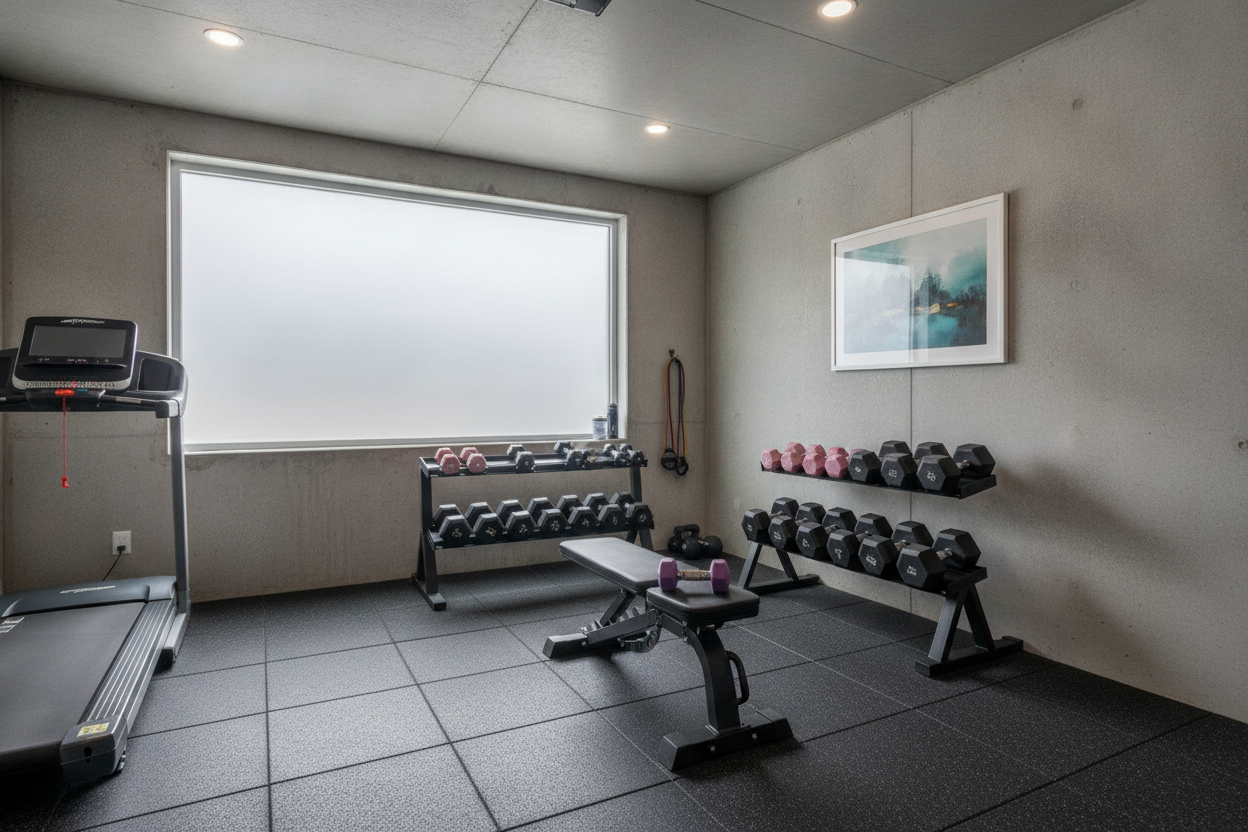
I have found that having a dedicated weight set and bench is the turning point for most home trainees. A bench allows you to perform Bulgarian split squats and hip thrusts with a much greater range of motion than you would get just sitting on the floor. That extra few inches of travel at the bottom of the movement is where the actual growth happens.
The 4-Move Dumbbell Routine for Posterior Mass
This is my go-to glute workout routine with dumbbells when I am short on time but want maximum impact. We are hitting the four main movement patterns that force the glutes to fire. No fluff, just heavy lifting.
First, start with Heavy RDLs. Hold your dumbbells in front of your thighs, hinge at the hips, and feel that deep stretch in the hamstrings and lower glutes. Keep the weights close to your shins. Second, move to Goblet Squats. Hold one heavy dumbbell at your chest and sink your hips between your knees. This is a top-tier weighted leg and glute workout staple because it keeps your torso upright.
Third, Deficit Reverse Lunges. Stand on a small platform (even a sturdy book works) to increase the distance your back knee travels. Finally, Weighted Glute Bridges. If you do not have a bench, do these on the floor, but squeeze at the top like your life depends on it. This combination covers the stretch, the hinge, and the peak contraction.
What If You Are Stuck With Limited Equipment?
Sometimes you do not have a full rack of weights. If you are doing a dumbbell leg glute workout with weights that feel a bit light, you have to change the 'tempo' or go unilateral. Glute exercises with one dumbbell, like the single-leg RDL, are significantly harder than the double-leg version because your stabilizing muscles have to work overtime.
I also use 'one-and-a-half' reps. Go all the way down, come halfway up, go back down, and then stand all the way up. That counts as one rep. It increases the time under tension without needing a heavier plate. I have noticed that the grip fatigue on these long sets is real—it is very similar to the struggle of an at home dumbbell shoulder workout where your forearms might give out before the target muscle. If your grip is failing, try holding the dumbbell vertically or using straps.
Protecting Your Floors While Lifting Heavy
If you are actually lifting heavy free weight exercises buttocks targeting weights, you are going to drop them eventually. I have a dent in my hardwood from a 40-lb hex dumbbell that still haunts me. Beyond the damage, lifting on a slippery floor is a safety hazard. You cannot drive through your heels during a heavy lunge if your foot is sliding toward the TV stand.
I highly recommend laying down high-density gym flooring for home workout spaces. It provides the traction you need to stay stable and dampens the noise so your neighbors do not think you are dropping bowling balls. A 6x8 ft mat is usually enough to cover your entire 'strike zone' for a glute session.
Putting It All Together (Sets, Reps, and Rest)
For this at home booty workout with weights to work, you need to treat it like a strength session. Do 3 to 4 sets of each exercise. Aim for 8 to 12 reps. If you can smash out 15 reps with perfect form, it is time to buy heavier dumbbells or slow down your tempo even more.
The biggest trap is resting for only 30 seconds. This is not HIIT. If you want to move heavy weight, you need to rest. Give yourself 2 full minutes between sets. This allows your muscles to recover enough to actually push the heavy load again. If you are not breathing hard but your muscles feel heavy, you are doing it right.
How heavy should my dumbbells be for glute growth?
Heavy enough that the last 2 reps of a set of 10 are a genuine struggle. For most, this starts at 20-25 lbs per hand and goes up from there. If you only have light weights, use slow tempos and single-leg variations.
Can I get a good glute workout with only one dumbbell?
Absolutely. Stick to unilateral movements like single-leg hip thrusts, Bulgarian split squats, and single-leg RDLs. These exercises effectively double the resistance because one leg is doing all the work.
How many times a week should I do this routine?
Twice a week is the sweet spot for most. Your glutes are a massive muscle group and need about 48 to 72 hours to recover after a heavy session. Lifting every day will actually hinder your progress.