I Bought $500 of Beginner Home Gym Equipment (Here's What I Kept)
I remember staring at my computer screen at 11 PM, eyes glazed over, trying to decide if a $200 'complete' gym set was a steal or a scam. Spoiler alert: It was a scam. Most beginner home gym equipment is designed to look good in a glossy catalog but falls apart the second you actually try to hit a PR. I’ve spent years in garage gyms that smell like old rubber and hard work, and I’ve seen too many people quit because their gear was frustrating to use.
- Buy once, cry once: Quality basics beat cheap bundles every time.
- Flooring is the most overlooked safety feature in a home setup.
- Adjustable dumbbells are the single best space-saving investment you can make.
- Avoid 'filler' items like plastic ab rollers and light resistance bands.
Why Most First-Time Buyers Bleed Money
The biggest mistake I see when someone builds their first home gym for beginners is the 'shiny object' syndrome. You get excited, you open an app, and suddenly you’re convinced you need a leg extension machine or a massive cable crossover. These are single-use tools that eat up 20 square feet of your garage and $800 of your budget. You don't need a machine to tell you how to move; you need tools that challenge your stability and strength.
When you buy a multi-gym, you’re paying for a lot of cheap pulleys and thin cables that feel 'crunchy' when you pull them. That friction isn't extra resistance; it's just poor manufacturing. A lean, functional gym focuses on free weights. If you can't move it with your own hands, you probably don't need it yet. I’ve watched guys spend $2,000 on a setup they sold for $400 six months later because they realized they only used the pull-up bar. Start small, stay focused, and keep your floor space open for actual movement.
My $500 Beginner Equipment Challenge
I decided to put myself in a beginner's shoes. I grabbed a $500 budget and a goal: build a setup that wouldn't end up on Facebook Marketplace in three months. I ignored the 'deals' that promised 50 items for one low price. Instead, I hunted for home gym essentials for beginners that provide the highest utility per dollar. Every cent had to go toward something that could handle at least three years of heavy abuse. I wasn't looking for 'starter' gear; I was looking for foundational gear. This means no hollow plastic weights and no benches that wobble when you sit on them.
Adjustable Dumbbells: The Heavy Hitters
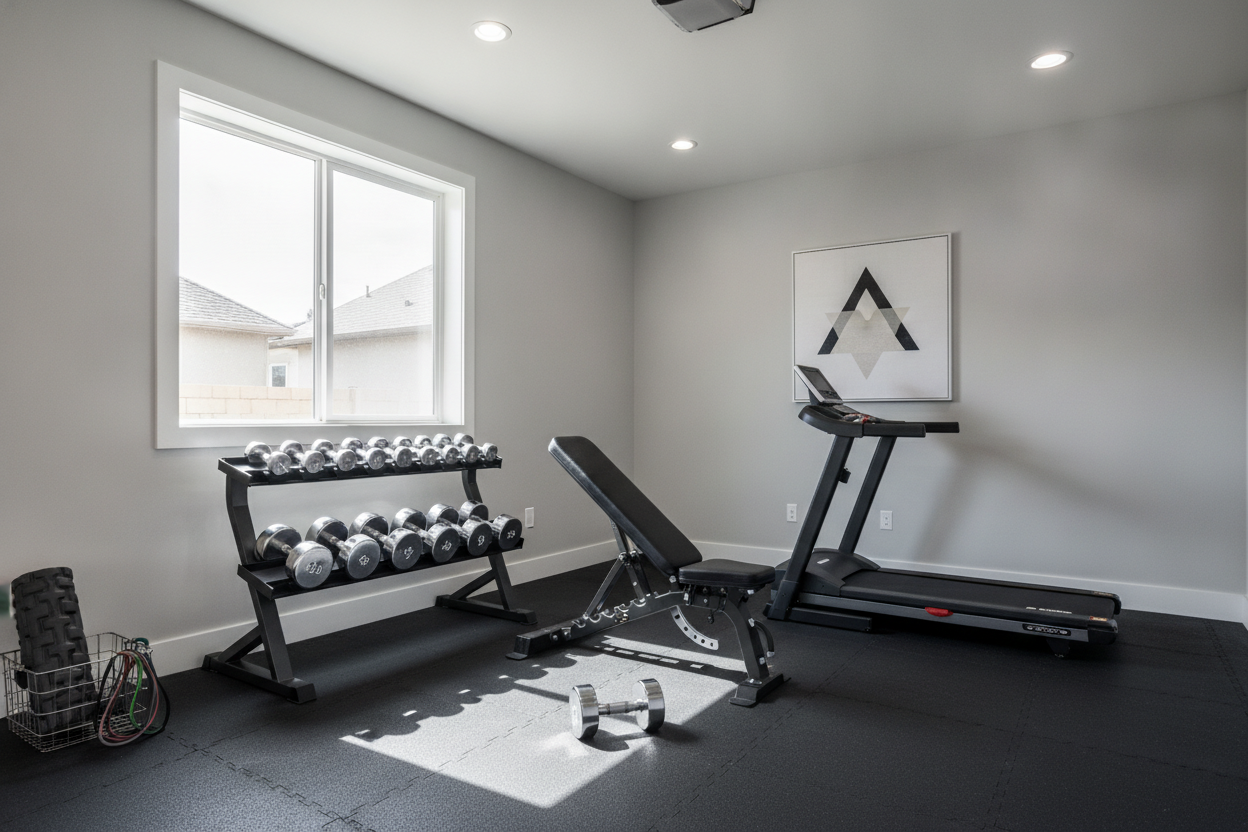
If you're building an at home gym for beginners, space is your most valuable currency. A full rack of fixed dumbbells from 5 to 50 pounds would cost you nearly a grand and take up a whole wall. I picked up a pair of selectorized adjustable dumbbells that go up to 52.5 pounds per handle. They replace 15 pairs of weights and fit in the corner of a closet.
The difference between selectorized weights and the old-school threaded ones is speed. When I’m doing a circuit, I don't want to spend two minutes unscrewing star collars just to change weights for a set of lateral raises. With a dial or a pin, it takes three seconds. I’ve dropped these (lightly, don't be a hero) and the locking mechanisms held up. Real specs matter here: look for a set with a solid handle grip and a base that doesn't feel like it's made of toy plastic. These are the workhorses of your program, handling everything from chest presses to lunges.
Do Not Skip Good Flooring
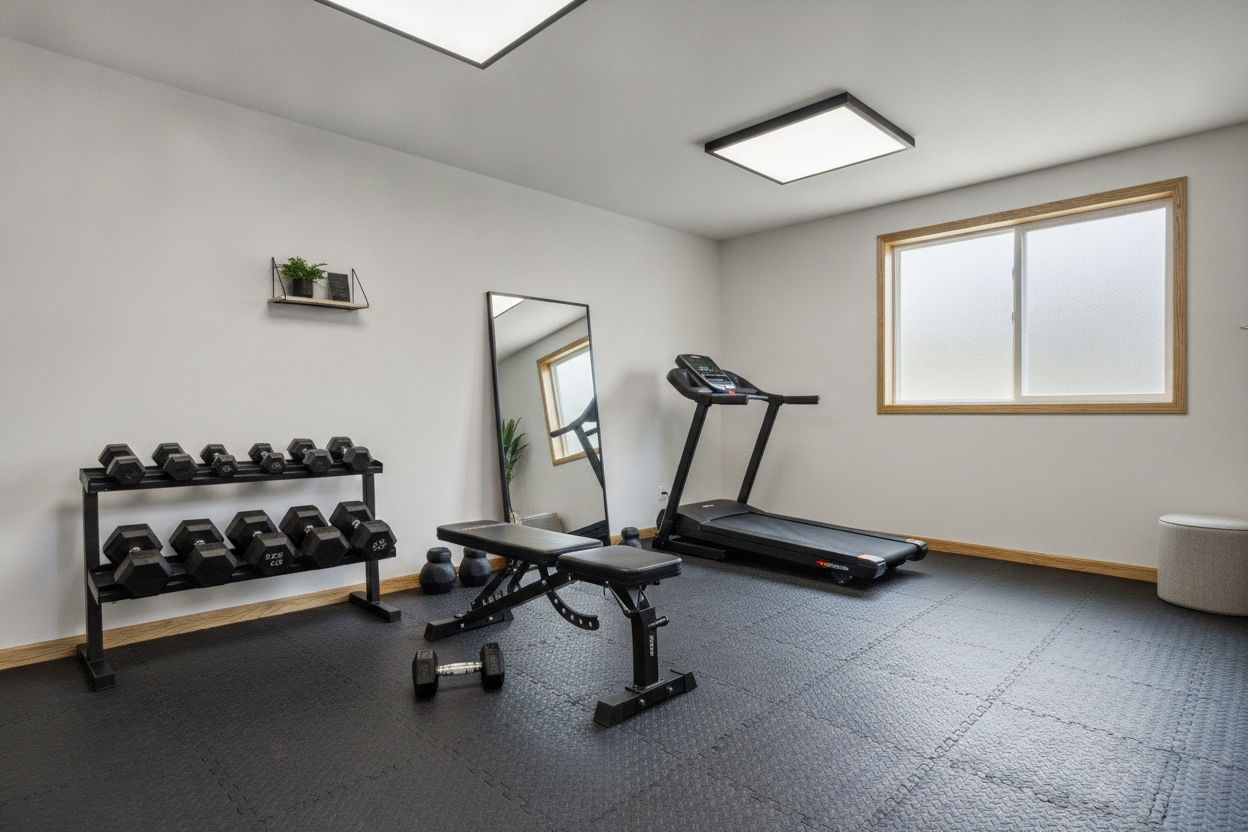
I’ve made the mistake of lifting on bare concrete. It’s cold, it’s slippery when you sweat, and it’ll eventually crack your foundation if you’re pulling deadlifts. Before you even think about buying iron, you need a large exercise mat for home gym use. This isn't just about protecting the floor; it's about protecting your joints. Doing burpees or lunges on a hard surface is a fast track to shin splints.
I personally tested a 6x8ft exercise mat for home workouts and found it’s the 'Goldilocks' size. It’s large enough that you won't step off the edge during a dynamic move, but it doesn't require you to clear out your entire garage. Look for high-density rubber—at least 7mm thick. If it feels like a soft yoga mat, it’s too thin. You want something that stays put when you’re moving fast and doesn't 'bunch up' under your feet. It provides that essential grip you need when you’re trying to drive through your heels during a heavy squat.
A High-Quality Kettlebell
A single, well-cast kettlebell offers more utility than almost any other piece of equipment. I opted for a 35lb (16kg) cast iron bell. Why? Because it’s indestructible. You can’t break a solid chunk of iron. It’s the perfect tool for conditioning, swings, and goblet squats. While dumbbells are great for isolation, the kettlebell is king for full-body explosive movements. I’ve used cheap ones with 'seams' on the handle that tear up your palms—avoid those. Look for a smooth, powder-coated finish. It’s a one-time purchase that your grandkids will probably still be using long after you're gone.
The 'Starter Kit' Trap You Need to Avoid
Marketing teams love to sell 'all-in-one' bundles. They pack a box with a jump rope, a thin yoga mat, some light resistance bands, and maybe a plastic ab roller. They call it a 'complete' kit, but it’s mostly filler. You’re paying for five things you’ll use once and throw away. A home gym for beginners shouldn't be cluttered with junk. I’ve fallen for this before, thinking I was getting a deal, only to have the resistance bands snap on the third use.
If you want to stay smart with your money, check out a practical home gym equipment guide for beginners rather than clicking on the first sponsored ad you see. Real equipment has weight and durability. If a 'kit' weighs less than 10 pounds total, it’s not gym equipment—it’s a toy. Focus your budget on the heavy stuff that provides actual resistance. You can buy a high-quality jump rope for $15 later; don't let it be the reason you buy a subpar equipment bundle today.
When Should You Actually Upgrade?
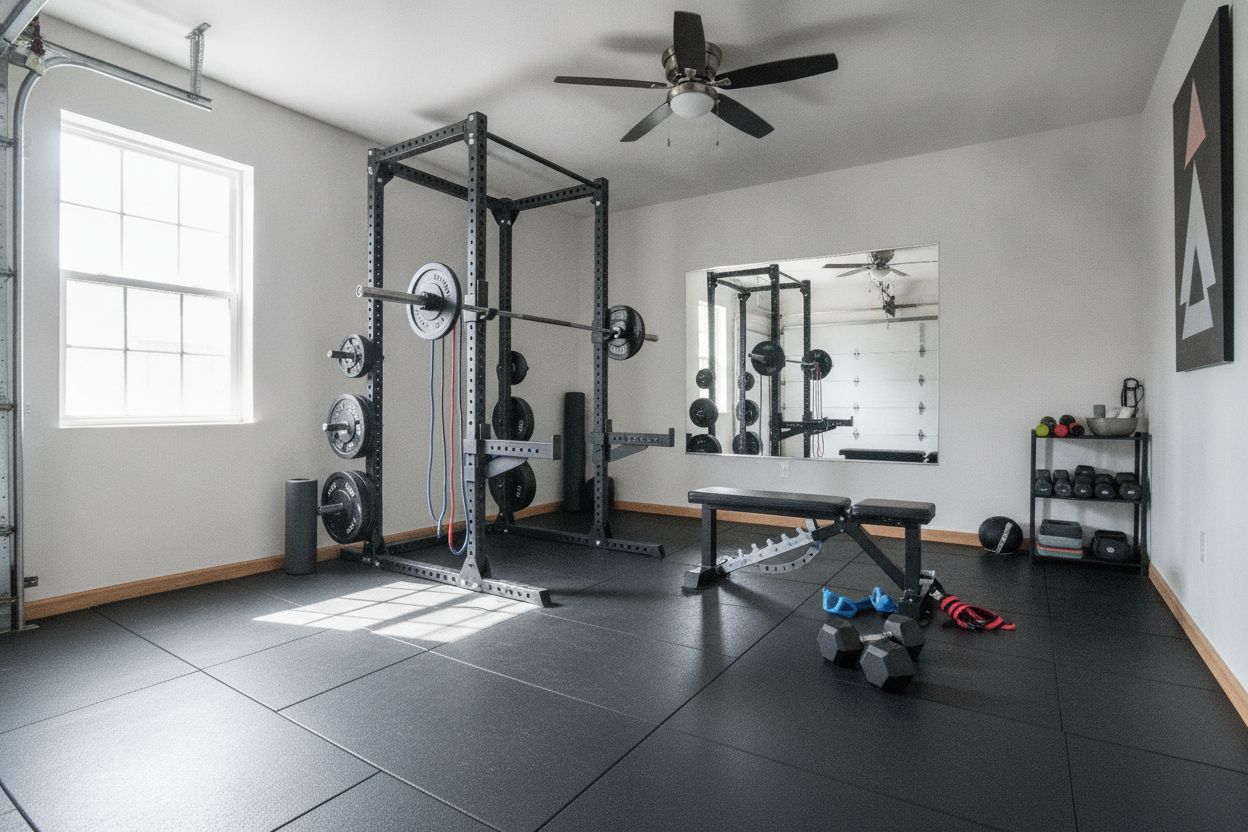
One of the hardest parts of this hobby is knowing when to stop. You don't need a $1,500 power rack on day one. I tell people to wait until they hit a specific benchmark. For me, it’s the six-month mark. If you have trained consistently three days a week for six months, you’ve earned the right to upgrade. By then, you’ll likely be maxing out your 50lb dumbbells on squats or rows. That’s the signal that you need a barbell and plates. Don't buy for the person you hope to be in a year; buy for the person you are today, and let your progress dictate your next purchase.
Frequently Asked Questions
Do I need a weight bench right away?
Not necessarily. You can do floor presses for chest and use a sturdy chair or the edge of a couch for seated movements. Save the bench money for better weights or flooring first.
Is iron better than rubber-coated weights?
For home use, rubber-coated (hex) dumbbells are usually better because they’re quieter and won't rust. However, if you're buying plates for a barbell later, iron is cheaper and takes up less space on the bar.
Can I just use a regular yoga mat for lifting?
No. Yoga mats are designed for cushioning, not for supporting 50+ pounds of concentrated weight. They will tear, and they don't provide the stability you need for heavy standing lifts.