I Blew $8K on Top of the Line Fitness Equipment (And Regret Half of It)
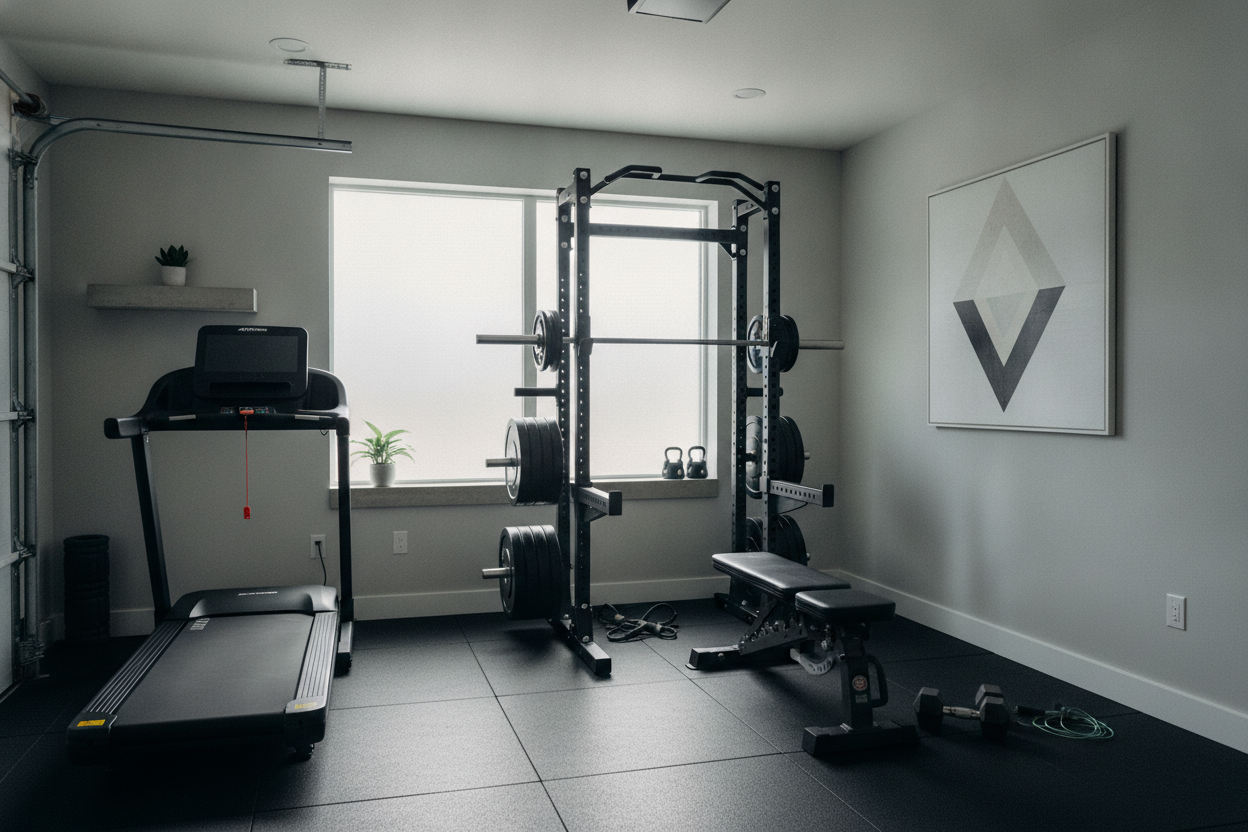
I remember the night I finally hit 'order' on a $3,000 power rack. I’d spent months lurking on subreddits, convinced that my 400-pound squat was somehow held back by the lack of laser-cut numbers and 1-inch hardware. I wanted the best. I wanted top of the line fitness equipment that would make my garage look like a professional strength facility. I got the gear, but I also got a massive reality check.
Quick Takeaways
- Invest in the 'contact points' — your bar and your rack.
- Stop paying for brand names on items that just sit there, like plates and mats.
- 11-gauge steel is a safety requirement, not a luxury.
- Expensive gear doesn't fix a bad program.
The Premium Trap: Why We All Want the Shiny Steel
It starts with one YouTube video. You see a guy with a color-matched, custom-coated rack and suddenly your perfectly functional setup looks like scrap metal. We convince ourselves that buying commercial-grade gear is a 'buy once, cry once' philosophy. While that's true for some things, the marketing machines are very good at making you feel like a 3x3-inch steel upright is the missing link to your next PR.
I fell for it. I spent weeks comparing the tensile strength of bars I’d never actually bend. I debated the merits of stainless steel vs. cerakote for three days. The truth is, we often buy for the aesthetic of being a 'serious lifter' rather than the utility of the lift itself. You have to ask if paying for effective top-of the-line gym equipment is actually going to change your RPE, or if it’s just making your Instagram feed look better. Most of the time, it's the latter.
Where Spending the Big Bucks Actually Matters
There are exactly two places where I will never tell a lifter to skimp: the thing you hold and the thing that catches the weight if you fail. Everything else is secondary. If you're going to drop $8,000, $5,000 of it should probably go toward these two categories. Quality here isn't about status; it's about the physics of not dying in your garage at 6:00 AM.
Barbells That Refuse to Bend
Your barbell is the only piece of equipment you actually touch. A cheap bar has 'mushy' knurling that slips when your hands get sweaty, or worse, it develops a permanent bend after a few heavy deadlifts. I switched from a $150 mystery bar to a high-end 28.5mm multi-purpose bar with a 190,000 PSI tensile strength rating. The difference is night and day. The spin on the sleeves is consistent, meaning the weight doesn't 'torque' my wrists during cleans. If you're serious, buy a bar from a company that specializes in metallurgy, not a brand that sells yoga mats and supplements on the side.
Squat Racks You Can Trust With Your Life
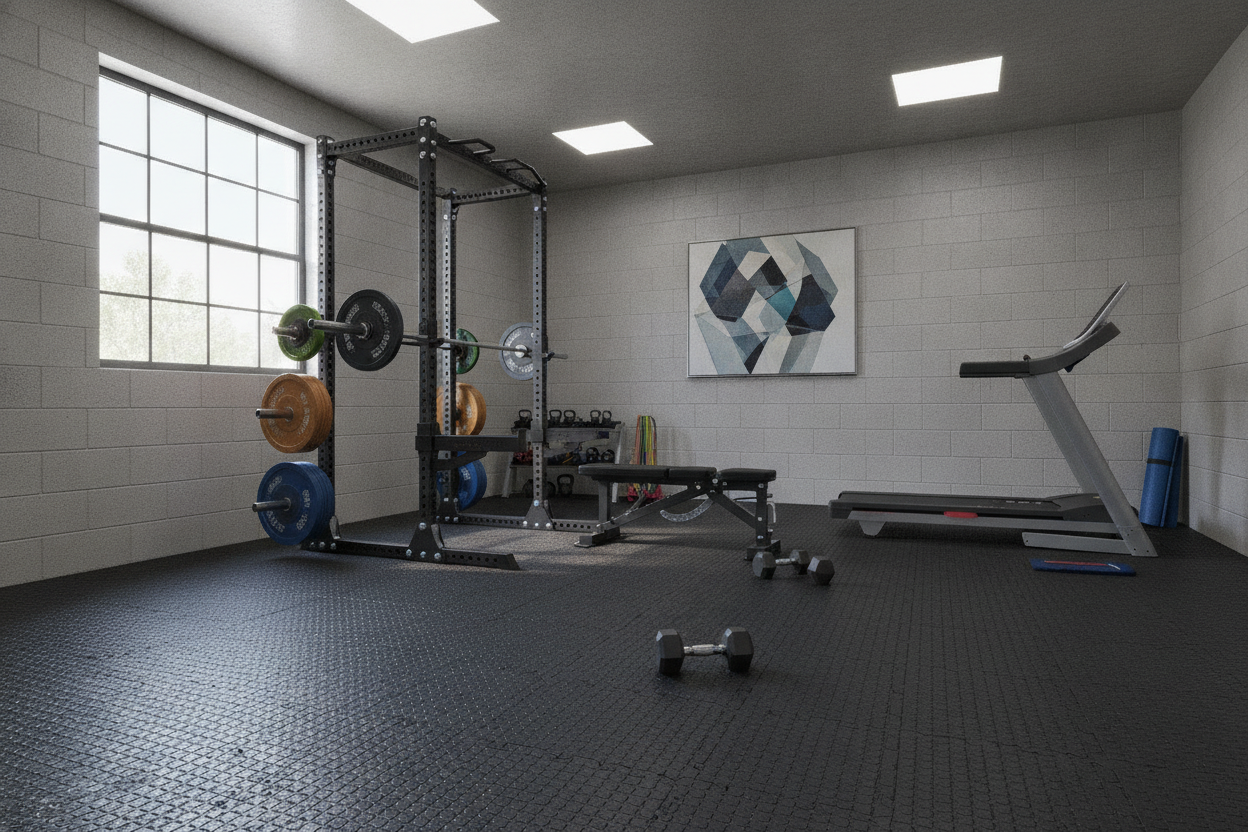
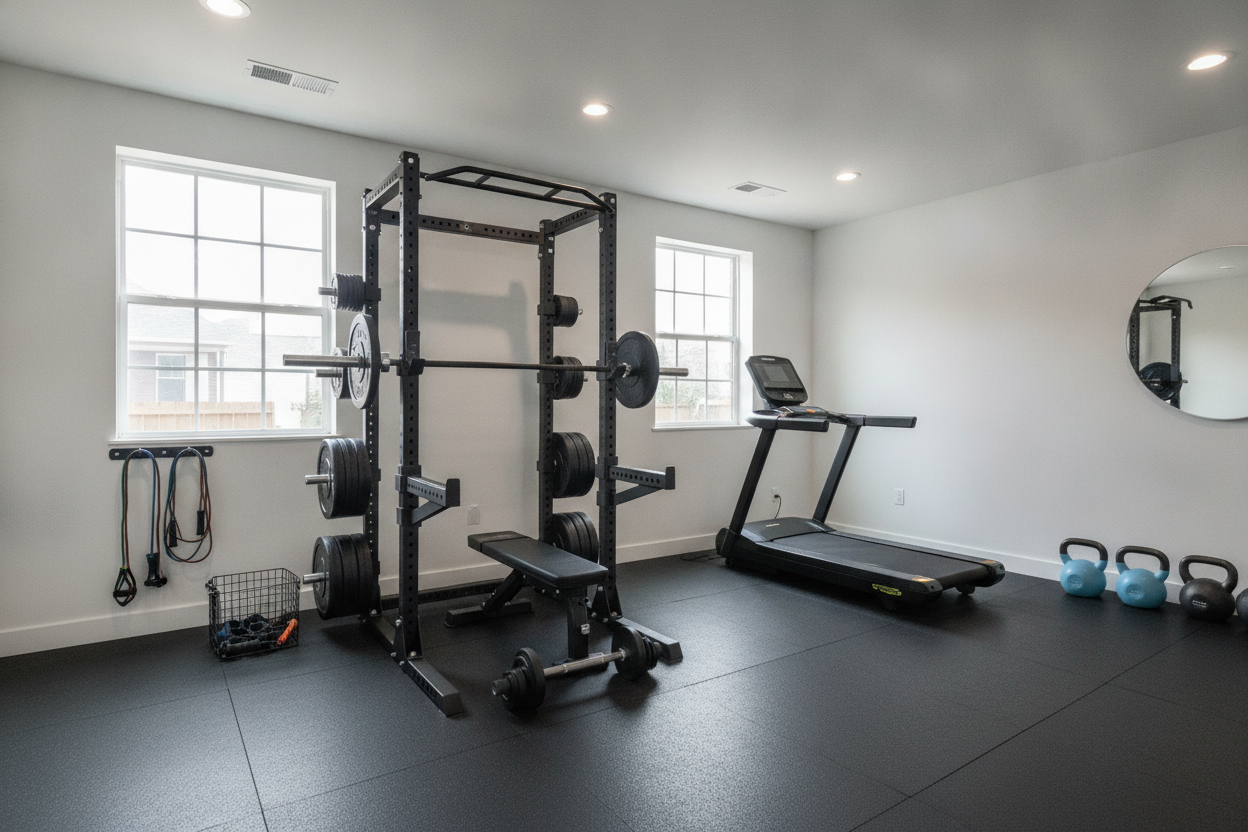
If you're training alone, your rack is your only training partner. I’ve seen cheap racks sway when a 315-pound bar is re-racked. That’s terrifying. You want 11-gauge steel. Anything thinner (like 14-gauge) belongs in a laundry room, not a gym. Look for 3x3-inch uprights because the accessory ecosystem is massive—you can add dip bars, lever arms, and lat pulls later. When looking for heavy duty strength equipment, check the weld quality. If the welds look like a bird spit on the steel, keep walking. You want clean, stacked-dime welds that can handle a failed squat without buckling.
Where You Are Literally Just Buying a Logo
This is where I lost most of my money. I bought the 'name brand' version of things that have zero moving parts. It was a mistake. Once you have your rack and bar, the law of diminishing returns hits like a freight train. You can save literally thousands by being objective about what a piece of gear actually does.
Cast Iron Plates Are Just Heavy Circles
I spent $1,200 on a set of calibrated powerlifting plates. They are beautiful. They are also completely unnecessary for anyone not competing in a sanctioned meet. Gravity doesn't care if your plate is accurate to within 10 grams or 100 grams. Standard cast iron 'deep dish' plates work exactly the same. Unless you are so strong that you’re running out of room on the barbell sleeves, calibrated plates are a vanity purchase. Buy used iron on Marketplace and spend that saved $800 on a vacation or a better bench.
Stop Overpaying for Foam and Rubber
I once saw a 'premium' plyo box for $300. It’s foam and vinyl. You can get the same dimensions and density for half that. The same goes for flooring. You don't need a logo on your mats to protect your foundation. You just need solid gym flooring for home workouts that can absorb the impact of a dropped kettlebell. I wasted money on 'custom' gym tiles that were a nightmare to clean, only to realize that high-density rubber is high-density rubber, regardless of the branding.
How to Mix High and Low Tier Gear Like a Pro
The smartest home gyms I’ve ever been in are 'hybrids.' They have a world-class barbell and a tank-like rack, but their kettlebells are from a budget brand and their storage trees are DIY. This is the way. Put your money into the moving parts—pulleys, bearings, and bars. Save your money on the static parts—plates, storage, and benches. If you’re smart about finding home gym equipment deals, you can often find 'cosmetic seconds' from top brands. These are items with a scratch in the paint that function perfectly but cost 30% less.
The Final Verdict on Luxury Lifting
Buying top-tier gear feels great for about a week. After that, it’s just equipment. If that gear motivates you to train, it has some value. But don't let the pursuit of the 'perfect' setup stop you from actually lifting. I regret spending $400 on a specialized deadlift jack when a $20 wooden wedge does the same thing. Prioritize safety, then performance, then aesthetics—in that exact order. If you're ready to start, check out this honest guide to building a gym to avoid the pitfalls I fell into.
FAQ
Is 11-gauge steel really necessary for a home gym?
If you plan on squatting or benching more than 300 pounds, yes. It's not just about the weight capacity; it's about the stability. Thinner steel vibrates and shifts, which is a massive distraction when you're under a heavy load.
Should I buy a stainless steel barbell?
Only if you live in a high-humidity area like a garage in the South. Stainless has the best corrosion resistance and the best 'raw' feel, but a chrome or zinc bar is fine if you're willing to oil it once a month.
Are expensive adjustable dumbbells worth it?
Yes, but only the ones with metal internal components. If the adjustment mechanism is plastic, it will eventually shatter when you drop them. Look for brands that have been around for a decade.