How to Use Weights at Home Without Trashing Your Lower Back
The commercial gym I used to go to just raised their rates to $80 a month, and the squat rack always had a thirty-minute wait. I finally snapped and bought a barbell set for my garage. But the first time I went for a heavy triple, I realized something terrifying: I had no spotter, no fancy mirrors to check my depth, and my floor was slightly sloped toward the driveway. Learning how to use weights at home isn't just about moving iron; it's about not ending up in the ER because you got cocky in your own living room.
Quick Takeaways
- Ditch the mirrors; learn to feel your center of gravity instead.
- Always have a 'bail-out' plan before you start a heavy set.
- Use your phone to record your sets from the side to check your form for lifting weights.
- Stable equipment is more important than heavy equipment.
Why Lifting at Home is a Completely Different Animal
When you're at a big box gym, everything is designed to be idiot-proof. The floors are rubberized and perfectly level. There are mirrors every five feet so you can admire your pump—or, more importantly, check your hip hinge. At home, you’re likely dealing with concrete, carpet, or uneven horse stall mats. This changes your biomechanics more than you'd think.
Without a spotter or a line of people waiting for your rack, it’s easy to let your ego take the wheel. But the reality shock of a home setup is that you are the only one responsible for your safety. You have to radically rethink how to lift weights effectively when there's nobody to pull the bar off your chest if you fail a rep. It forces a level of discipline that most gym-goers never develop.
The 'Blind Lifter' Method for Nailing Good Lifting Form
Relying on mirrors is a crutch that actually creates bad habits. If you’re constantly turning your head to the side to see if your back is flat during a deadlift, you’re twisting your spine under load. That’s a one-way ticket to a pinched nerve. I tell people to embrace the 'blind lifter' mindset. You need to feel where your joints are in space, a skill called proprioception.
Instead of watching yourself, set up your smartphone on a tripod or a shoe. Record your sets from a 45-degree angle. When you review the footage, you'll see if your correct lifting form is actually holding up or if you're rounding your lumbar. By focusing on how your hips hinge rather than how they look, these real tips for lifting weights at home will help you find your groove and fix power leaks you didn't even know you had.
How to Lift Heavy Weights at Home (Without a Spotter)
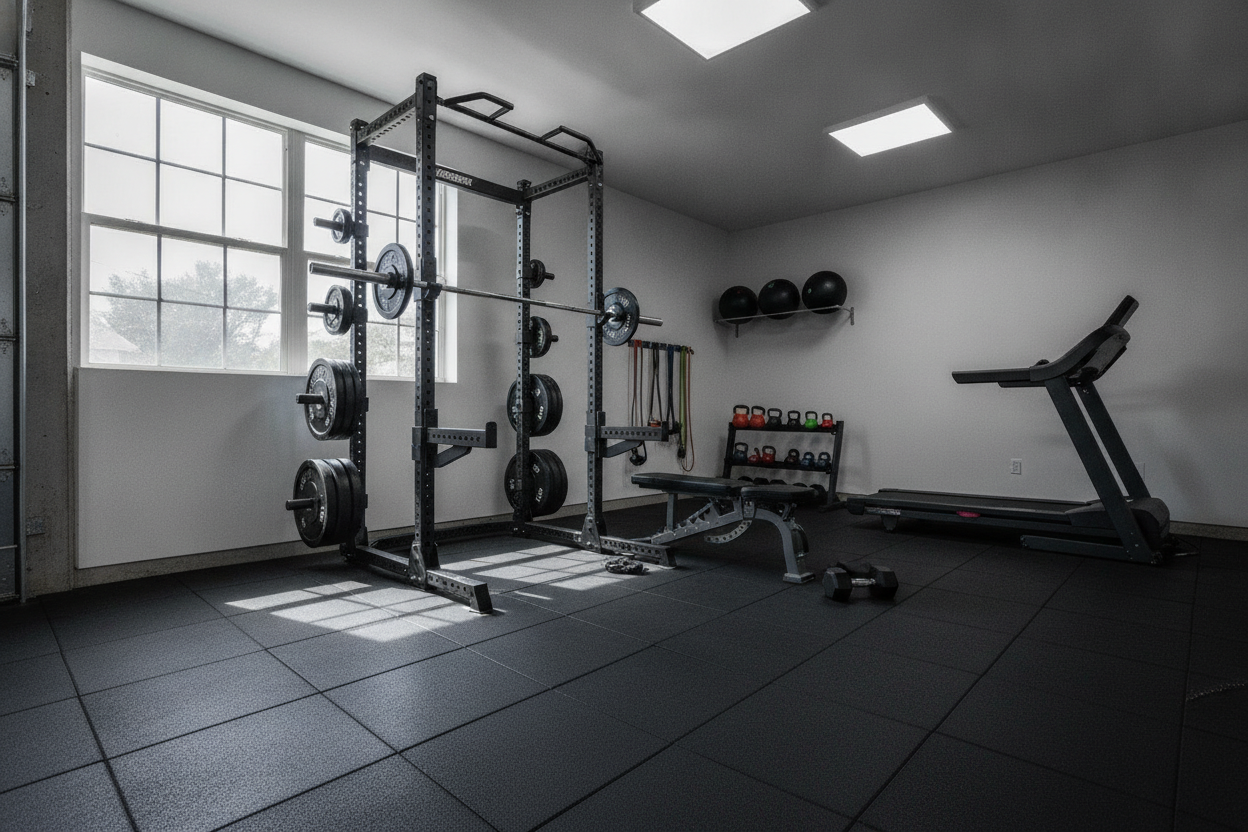
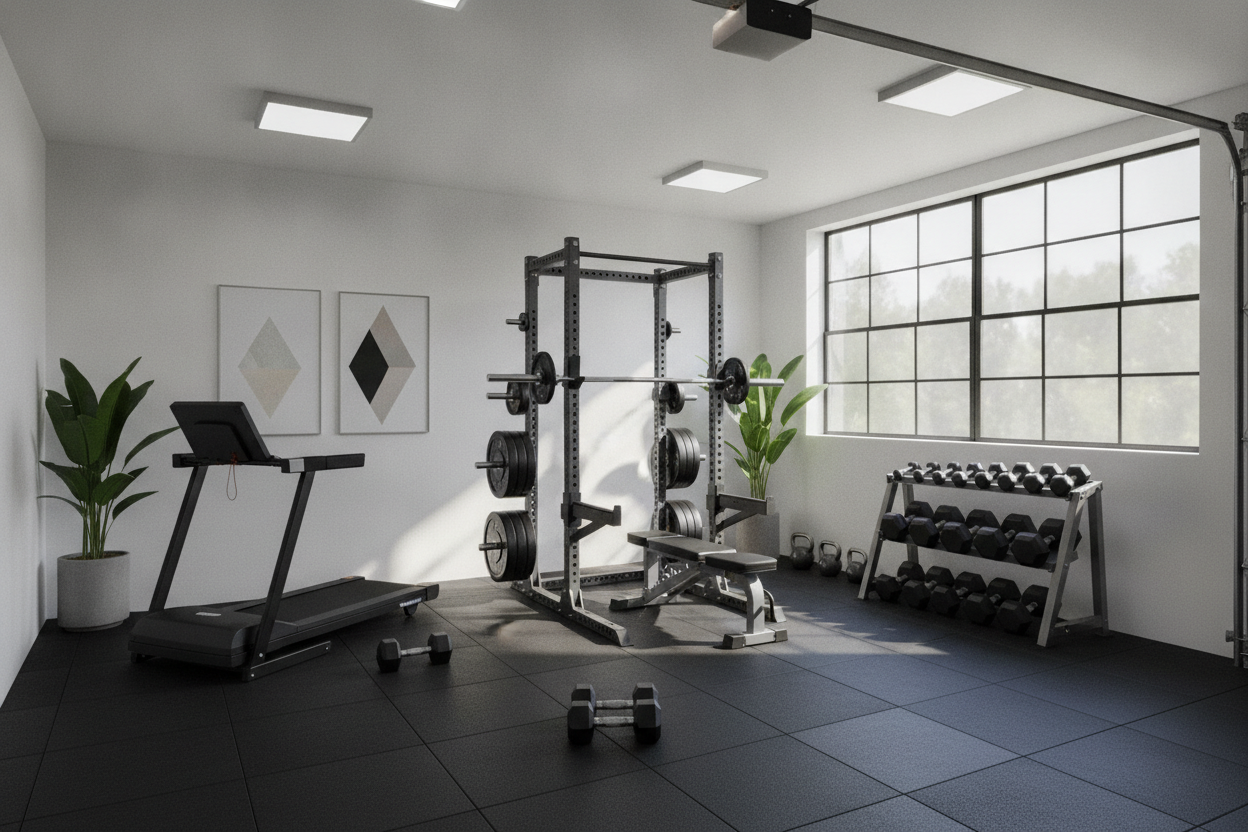
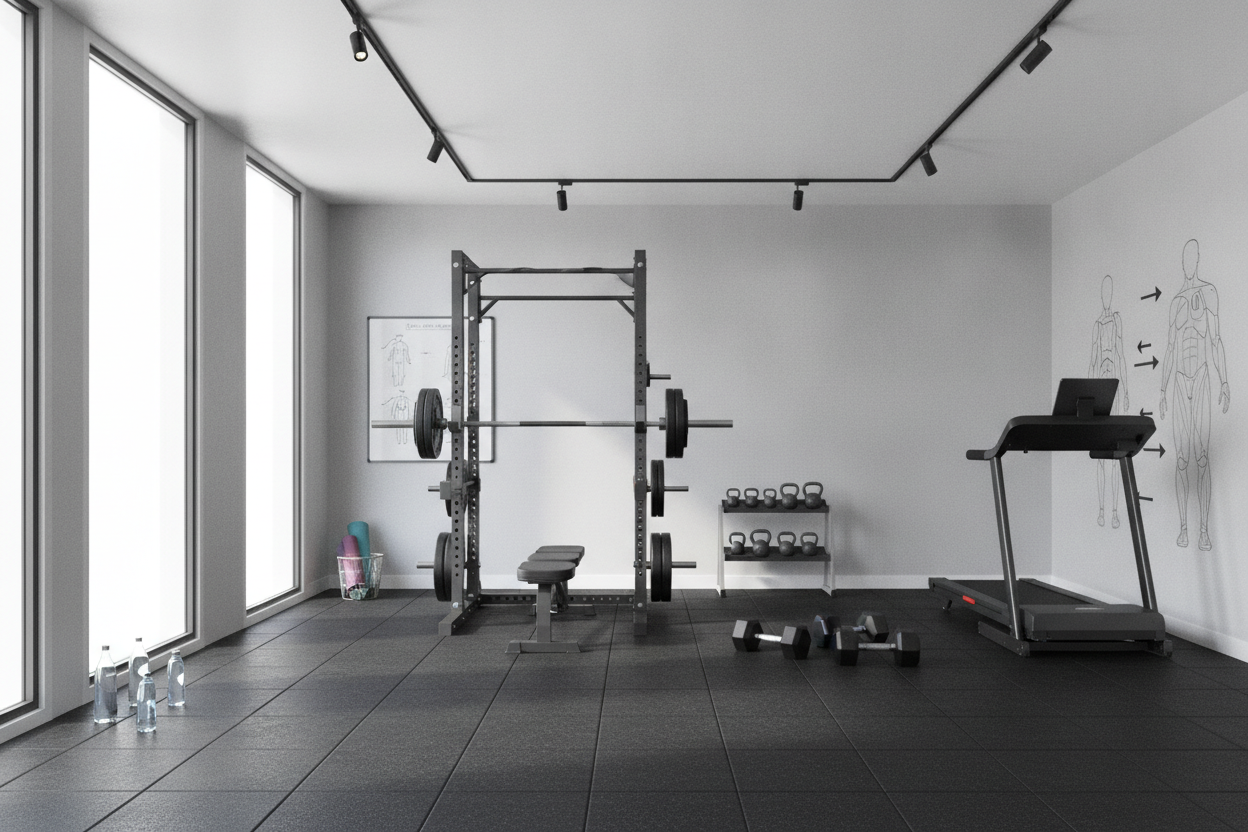
If you want to push your limits solo, you need a plan for when things go south. I’ve had to perform the 'roll of shame' on a bench press more times than I’d like to admit. It’s awkward, it bruises your thighs, and it’s avoidable. For anyone serious about moving big numbers, a power rack weight bench package is non-negotiable. Those safety pins are your best friends; set them just below your chest height so they catch the bar if you hit a wall.
This safety-first approach isn't just for the guys, either. I've seen women lifting heavy weights at home move incredible loads safely by simply mastering the art of the 'bail.' Whether it's dropping a squat behind you or using spotter arms, knowing how to lift heavy weights at home means knowing exactly how to get out from under the bar without a scratch.
Stop Getting Sloppy: How to Lift Small Weights Properly
Don't treat those 10-lb dumbbells like toys. I see people swinging light weights around with zero control, thinking they don't need proper form for weight lifting because the load is light. That’s how you develop tendonitis. To lift small weights properly, you need to focus on tempo. Try a three-second eccentric (lowering) phase on your lateral raises or curls.
When you slow things down, you increase time under tension. You’ll find that a 15-lb dumbbell feels like 40 lbs if you’re actually using good lifting form instead of momentum. This is the secret to building muscle at home without needing a 500-lb caliber rack. Control the weight; don't let it control you.
Is Form Important When Lifting Weights Alone?
Absolutely. In a gym, you might get a 'bro-spot' or a trainer might walk by and tell you to drop your hips. At home, fatigue is a silent killer. When you're in your garage and you're tired, your lifting techniques gym habits might slip. Lifting weights the right way is your only insurance policy when there's no one around to call 911.
Bad form at home leads to chronic issues. If you're wondering how to lift barbells properly, start by mastering the bracing of your core. Take a big breath, expand your stomach against your belt (or imaginary belt), and hold that tension. If you can't hold your brace, the set is over. Period.
The Bare Minimum Setup for Proper Mechanics
You can't have proper form to lift weights if your foundation is garbage. I once tried to do overhead presses on a plush carpet—I felt like I was standing on a bowl of Jell-O. My ankles were rolling, and my power output plummeted. You need a hard, flat surface. If you're on concrete, get some high-density rubber mats.
The same goes for your bench. A cheap, wobbly bench will make your shoulders feel unstable during a press, which leads to rotator cuff issues. Investing in a sturdy adjustable weight bench gives you a rock-solid platform to drive from. When your equipment doesn't move, you can focus entirely on proper form lifting weights and actually making progress.
Personal Experience: The Sloped Floor Lesson
Early on, I set up my rack in a garage with a significant drainage slope. I didn't realize that my left foot was nearly an inch lower than my right. After a month of heavy squatting, my lower back was shot. I thought my lifting properly weights technique was fine, but the environment was sabotaging me. I had to build a level platform out of plywood just to fix my alignment. Check your levels, people—your spine will thank you.
FAQ
How do I know if my form is correct without a mirror?
Use your phone to record your sets from the side and the front. Compare your movement to reputable professional tutorials. If your back rounds or your knees cave, drop the weight and reset.
What is the safest way to fail a bench press at home?
If you don't have a power rack with safeties, do not use collars (the clips on the end of the bar). If you get stuck, you can tilt the bar to let the plates slide off one side, then the other. It’s loud and messy, but it saves your ribs.
Can I get results with just small weights?
Yes, by using high-intensity techniques like slow tempos, pause reps, and higher volume. The form for lifting weights remains the same: strict control and maximum muscle engagement.