How to Strengthen Your Shoulder Joints When Pressing Hurts
I remember the exact rep. It was 225 on the bar, third set of five, and my left shoulder made a sound like a dry twig snapping. I finished the set because I'm stubborn, but by the time I was racking the bar, I knew I was in trouble. I had spent months adding 5 lbs to the bar every week, ignoring the dull ache that had been brewing since the winter. I was obsessed with the numbers on the plates and completely ignored the health of the hinges holding them up.
If you're reading this, you're likely in that same spot. You want to know how to strengthen your shoulder joints because your heavy pressing days are starting to feel like a gamble. You don't need a medical degree to fix this, but you do need to stop treating your joints like they have the same recovery capacity as your quads. Building a massive chest on top of unstable shoulders is like putting a Ferrari engine in a rusted-out 1992 Honda Civic frame. Eventually, the frame is going to buckle.
Quick Takeaways
- Muscle recovers in days; connective tissue takes weeks or months.
- High-frequency, low-intensity blood flow is the secret to joint longevity.
- Isometrics are your best friend for stability without inflammation.
- Stop testing your 1RM when your joints are 'talking' to you.
The Trap of Building Big Muscles on Weak Hinges
In the home gym world, we love the big lifts. We love the feeling of a knurled barbell in our hands and the sound of iron clanking. But there is a massive physiological gap between your ability to produce force and your ability to stabilize it. Your pectorals and deltoids are huge, meaty structures with massive blood supply. They grow fast. Your labrum, tendons, and ligaments? Not so much.
When you push heavy overhead presses or bench every other day, you're taxing the deeper stabilizing structures—the rotator cuff and the joint capsule—far harder than the prime movers. If your bench press is moving up 10 pounds a month but your external rotation strength is stagnant, you're creating a deficit. Eventually, the humeral head starts shifting just a few millimeters out of its optimal track. That is where the 'impingement' feeling comes from. It isn't a lack of strength; it's a lack of integrity.
The mistake is thinking more heavy lifting will fix a lifting injury. It won't. You can't out-bench a frayed tendon. To fix the foundation, you have to park the ego and realize that how to strengthen my shoulder joints starts with movements that feel 'easy' but are actually doing the heavy lifting for your longevity.
The Realities of Connective Tissue Recovery
One thing I learned the hard way after a six-month layoff is that tendons and ligaments are 'hypovascular.' This is a fancy way of saying they don't get much blood flow compared to muscles. When you get a pump in your chest, that area is flooded with nutrients and oxygen. Your shoulder ligaments are essentially waiting for the scraps. This is why you need to strengthen ligaments in shoulder using high-repetition, low-load work that forces blood into those 'white' tissues.
You have to shift your mindset from chasing a pump to chasing 'greasing the groove.' Muscle adaptation happens relatively quickly—you can see changes in a few weeks. Connective tissue adaptation operates on a much slower timeline, often taking three to four times as long to respond to stress. If you're constantly redlining your nervous system with RPE 10 sets, your joints never actually get a chance to catch up.
This is where gentle shoulder strengthening exercises come into play. We aren't looking for hypertrophy here. We are looking for collagen synthesis and joint lubrication. Think of it like maintenance on a high-performance machine. You don't just drive it until the wheels fall off; you change the oil and check the bearings. In this case, blood flow is your oil.
3 Gentle Shoulder Strengthening Exercises You Can Do Daily
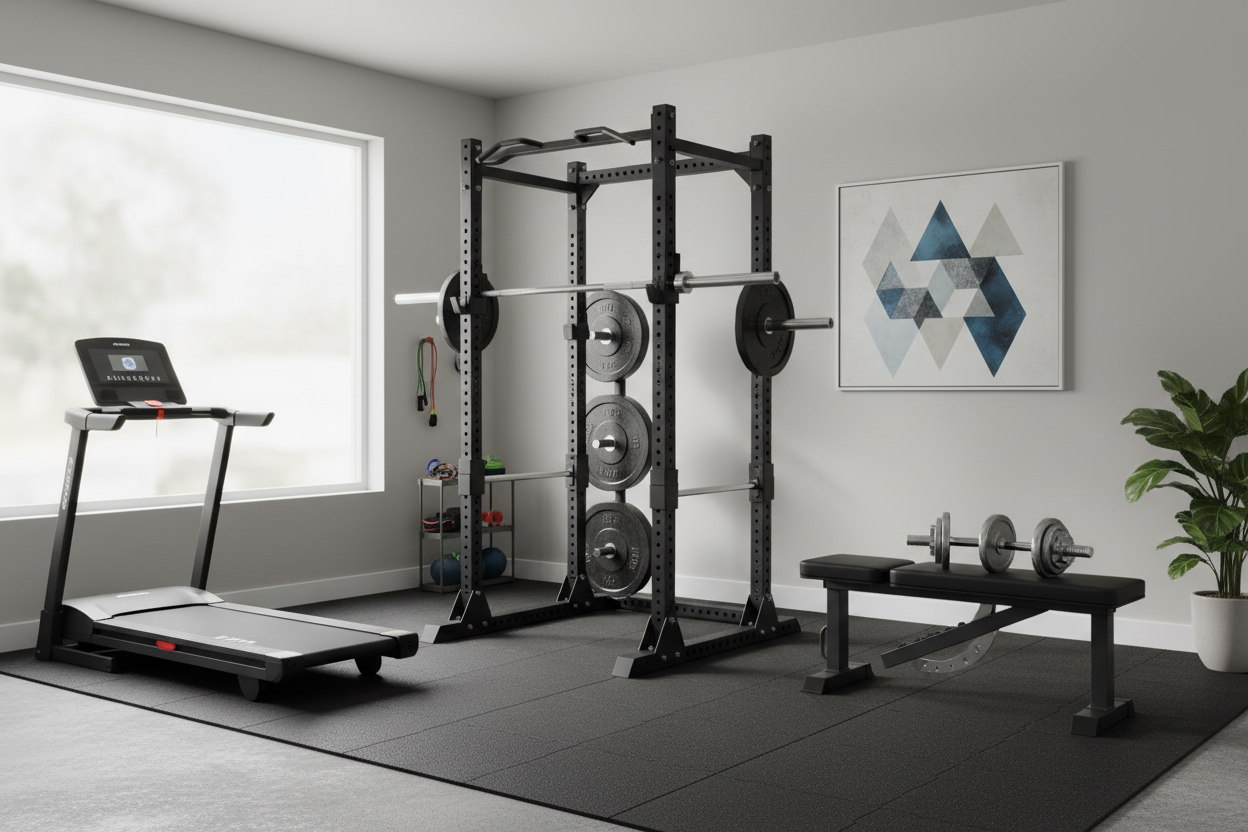
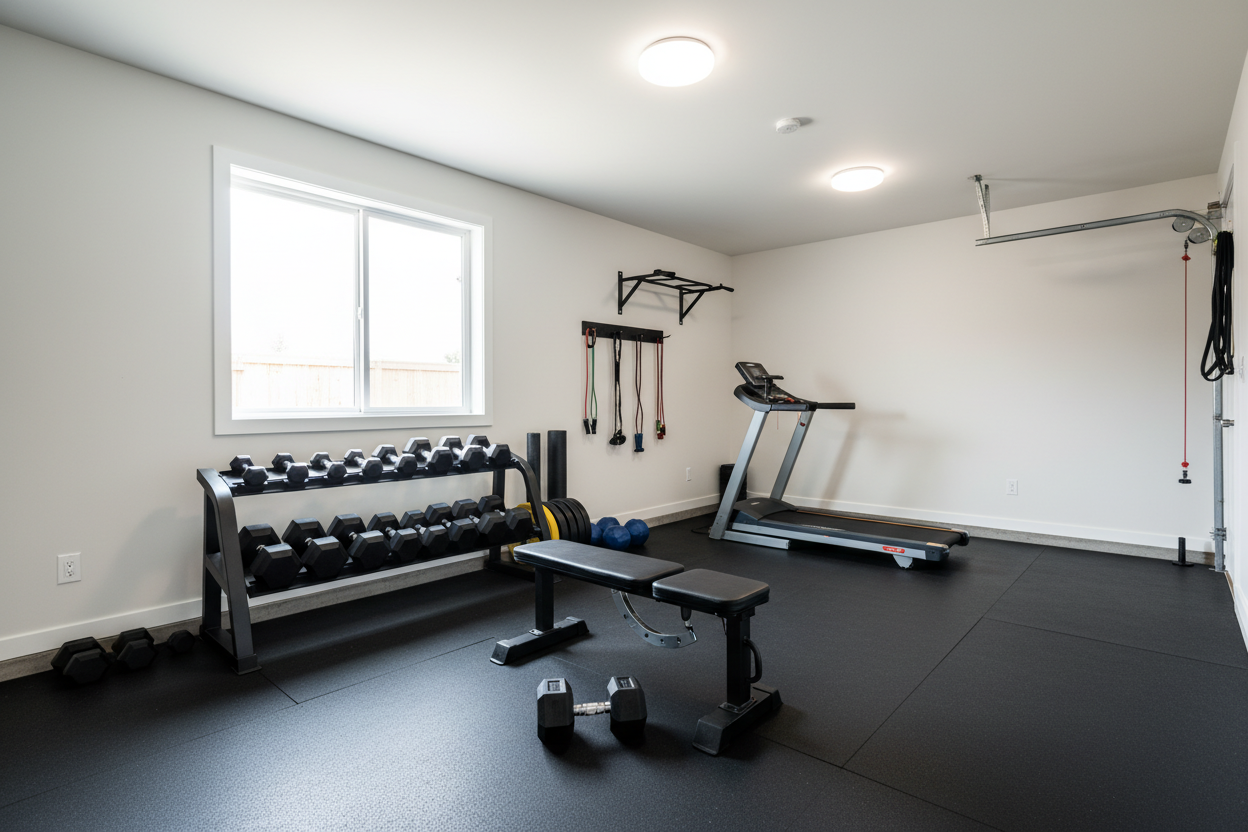
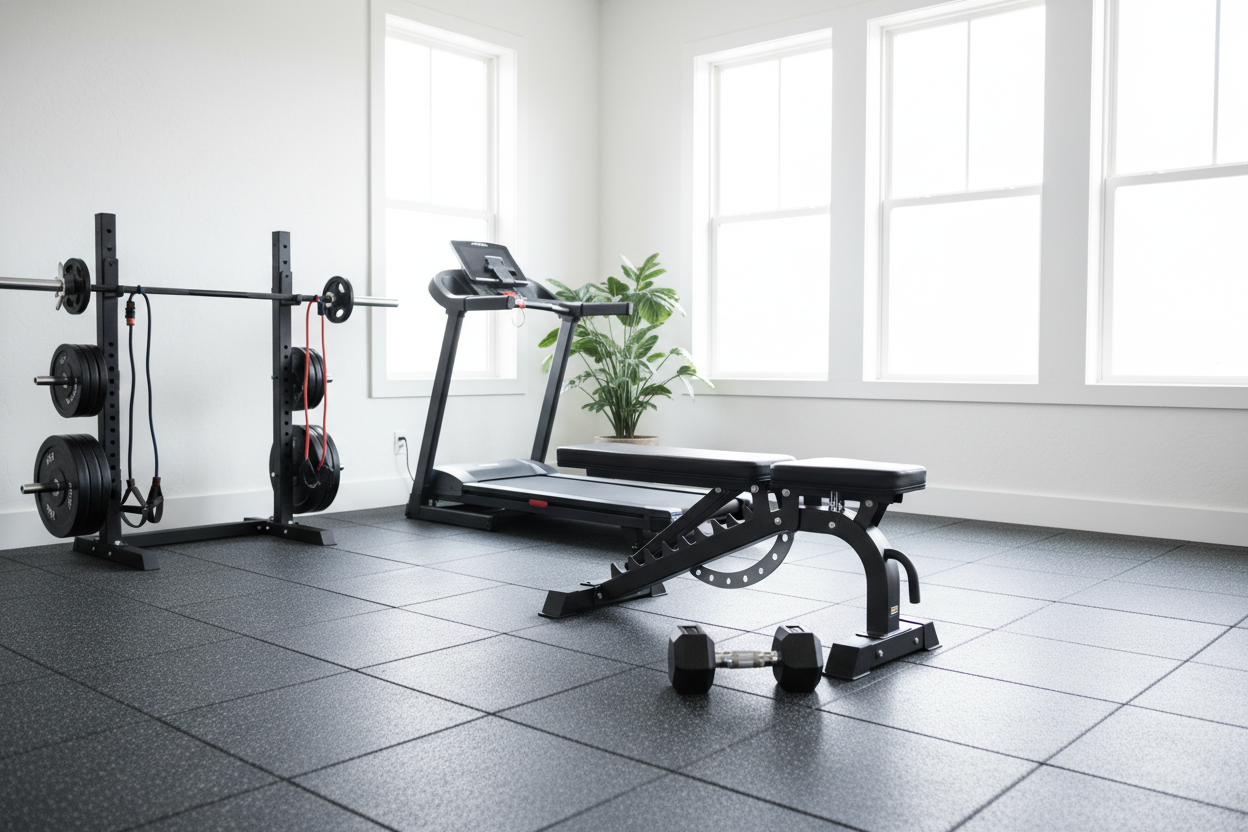
You don't need a massive commercial gym setup for this. In fact, I do most of my joint-specific work on a large home gym exercise mat right in the middle of my garage floor. These aren't meant to be taken to failure. If you're gritting your teeth, you're doing it wrong.
- Floor-Based Isometric Holds (The 'Y' Tuck): Lie face down on your mat. Extend your arms into a 'Y' shape. Lift your thumbs toward the ceiling, but only about two inches off the floor. Squeeze your shoulder blades down and back. Hold for 30 seconds. This fires up the lower traps and stabilizers without any shearing force on the joint.
- Banded External Rotations: Grab a light micro-band (the thin ones, usually 5-15 lbs of tension). Keep your elbow tucked to your ribs and rotate your hand outward. Do 3 sets of 20. The goal is a mild burn, not a struggle.
- Dead Hangs: Find a pull-up bar and just... hang. Don't go completely limp; keep a tiny bit of tension in your shoulder blades. This creates 'distraction' in the joint, opening up the subacromial space that usually gets crushed during heavy pressing.
The beauty of these movements is that they don't tax your central nervous system. You can do them every single morning or as a dedicated warm-up. By the time you actually touch a barbell, your joints will feel 'oiled' and ready to track properly.
Wait, Will I Lose My Pressing Strength?
This is the number one fear for every lifter. You think if you stop maxing out for three weeks, your chest will deflate and your bench will drop 50 pounds. Here is the reality: you lose way more strength when you're forced to take six months off for surgery. Learning how to strengthen my shoulder joints isn't about quitting the heavy stuff; it's about earning the right to lift heavy again.
I recommend a 'pivot block.' For three weeks, swap your heavy barbell bench for neutral-grip dumbbell presses or Swiss bar work. These implements allow for more natural joint stacking. During this time, you double down on exercises to strengthen shoulder stability. You'll find that once the inflammation dies down and your stabilizers actually start doing their job, your 'top end' strength often increases because your body no longer feels the need to 'down-regulate' your power to protect the joint.
Think of it as active recovery. You're keeping the movement patterns alive but removing the destructive peak loads. When you return to the heavy iron, you'll be doing it with a chassis that can actually handle the horsepower.
Personal Experience: My 6-Month Mistake
I once ignored a 'nagging' shoulder ache for an entire powerlifting prep. I was hitting PRs every week, so I thought I was fine. Then, during a routine warm-up with 135, my shoulder just gave out. I didn't tear anything completely, but the chronic inflammation was so bad I couldn't even reach into the backseat of my car for months. I had to rebuild from zero—literally pressing 5-lb dumbbells. Don't be me. Listen to the 'pings' before they become 'pops.'
FAQ
Do I need to stop lifting heavy entirely?
No, but you need to stop lifting through sharp pain. If a movement hurts, swap it for a variation that doesn't (like dumbbells or a different grip) while you focus on your joint integrity work.
How long does it take for shoulder joints to feel better?
You'll usually feel a difference in 'smoothness' within 2 weeks of daily isometrics and banded work. Actual structural strengthening of tendons takes 8-12 weeks of consistency.
Can I do these exercises every day?
Yes. Because the load is low and we aren't going to failure, these are recovery-focused. Think of them like brushing your teeth for your joints.