How to Start Exercising at Home: The Visual Trigger Strategy
I remember staring at my cramped 400-square-foot apartment living room after a grueling 10-hour training shift, knowing I needed to get my own workout in. My kettlebells were buried in the hall closet, and my rolled-up exercise mat was wedged behind the sofa. The mere thought of moving the heavy oak coffee table and dragging out the gear felt infinitely heavier than the workout itself. Naturally, I collapsed on the couch instead. If you are wondering how to start exercising at home, you are likely fighting this exact same friction. The secret is not finding more motivation. It is hacking your physical environment.
Quick Takeaways
- Relying on daily motivation is a losing battle; use permanent visual triggers instead.
- Leave your workout gear fully set up in a high-traffic area of your home.
- Focus entirely on standing on your mat daily rather than hitting intense physical metrics during week one.
- Eliminate setup friction so you can transition from resting to working out in under 60 seconds.
The Willpower Trap: Why Most Home Workouts Fail
When new clients ask me how to start working out for beginners at home, they usually expect a complex spreadsheet of sets, reps, and heart rate zones. I stop them right there. The biggest hurdle is never the exercise itself; it is the 15 minutes leading up to it. Willpower is a finite daily resource. By 6 PM, after making hundreds of decisions at work and managing a household, your brain is exhausted. It will always choose the path of least resistance.
If your home gym requires setup, you will simply skip it. Moving furniture, unrolling mats, and hunting down resistance bands creates cognitive friction. Your brain views these minor tasks as massive roadblocks. I have seen countless beginners buy expensive adjustable dumbbells ranging from 5 to 52.5 lbs, only to shove them under the bed where they gather dust. Out of sight means out of mind.
To build a lasting fitness habit, we have to completely remove decision fatigue. You cannot rely on sheer willpower to push you through the setup phase every single day. Instead, we have to manipulate your living space so that working out becomes the most obvious, frictionless choice available to you when you walk through the door.
The Visual Trigger Strategy Explained
The visual trigger strategy relies on a simple psychological principle: environmental cues drive human behavior. Think about it. When you see your couch, your brain automatically signals your body to sit and relax. We need to create that exact same subconscious response for fitness. You need a permanent physical anchor in your home that screams 'workout time' every time you walk past it.
This is where flooring becomes your best friend. A dedicated large exercise mat for home gym use acts as a massive visual boundary. It clearly defines a zone in your house meant exclusively for movement. When you place a highly visible, contrasting mat in a room, your brain cannot ignore it. It serves as a constant, silent reminder of your fitness goals.
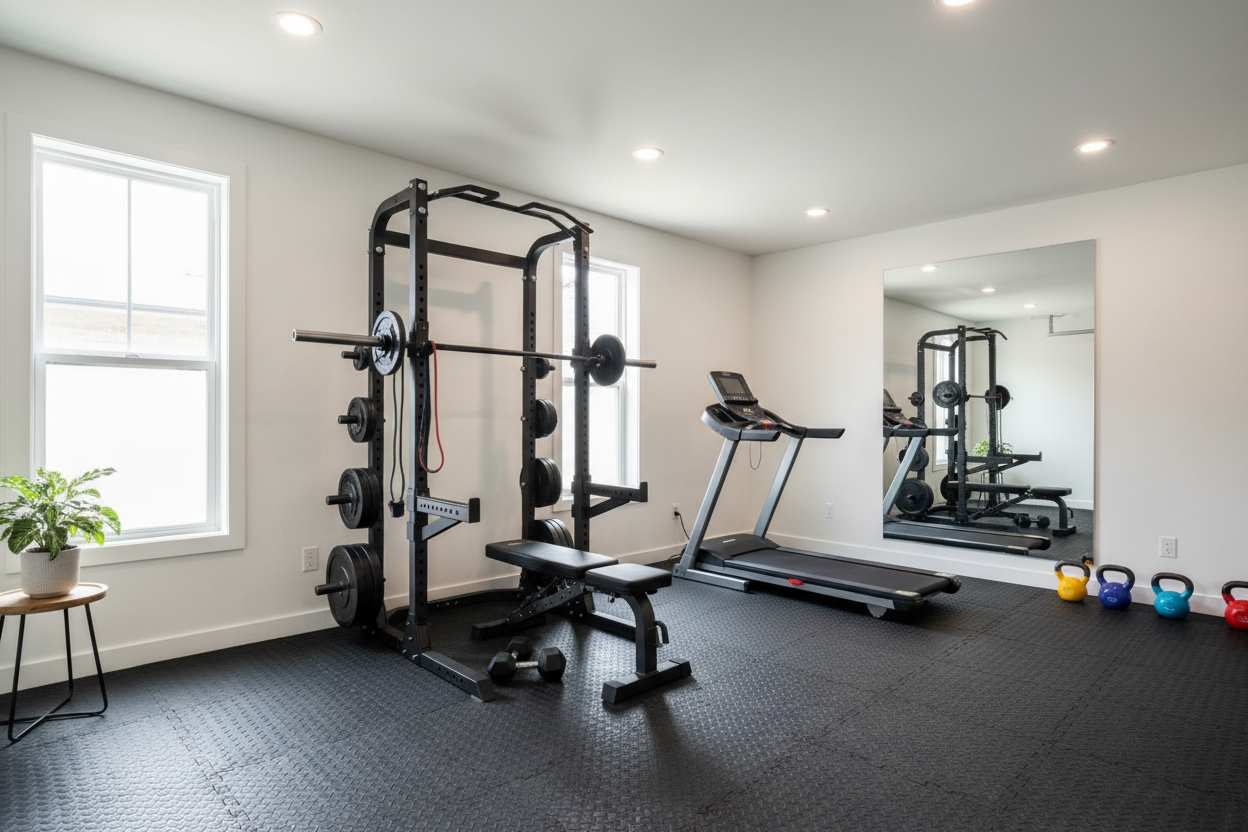
I have tested dozens of setups, and the most successful ones always feature a permanent visual cue. It is not about having a fully equipped garage gym with a power rack and barbells. It is about claiming a specific piece of real estate in your home, even if it is just a 6x6 foot square, and letting that space dictate your daily actions.
Choosing Your Dedicated Space
Selecting the right location is critical. Do not hide your workout zone in a creepy, unfinished basement or a cramped, poorly lit spare bedroom. Put it where you actually live. You want a high-traffic spot that you cannot easily ignore during your normal daily routine.
In my old apartment, I carved out a permanent 6x6 foot zone right between the television and the couch. I had to physically walk over my workout space to sit down and watch Netflix. That was intentional. Every time I went to relax, my visual trigger was staring right at me, forcing a conscious choice. Find a space with decent lighting, enough ceiling clearance to jump or press weights overhead, and good ventilation.
Removing Setup Friction entirely
Here is the golden rule: your equipment must stay out and unrolled. If you have to unroll your mat before you train, you have already lost. The goal is to start your today workout at home the moment the thought enters your mind. Zero preparation.
For small apartments or living rooms, I always recommend leaving a 6x4ft yoga mat exercise mat permanently deployed. It is large enough for burpees and lunges, but compact enough not to swallow the entire room. Now, I will be completely honest about the downside of this method: leaving a rubber mat out 24/7 means it collects dust, crumbs, and pet hair like a magnet. You will need to vacuum or wipe it down frequently. But spending two minutes cleaning a mat is a tiny price to pay for actually getting your workouts done consistently.
How to Start Exercise Program at Home: Week One
Figuring out how to start exercise program at home during week one is not about sweating profusely or hitting a new personal record. It is entirely about cementing the habit of stepping into your visual trigger zone. If you go too hard on day one, the resulting muscle soreness will associate your new workout space with pain, making you avoid it entirely.
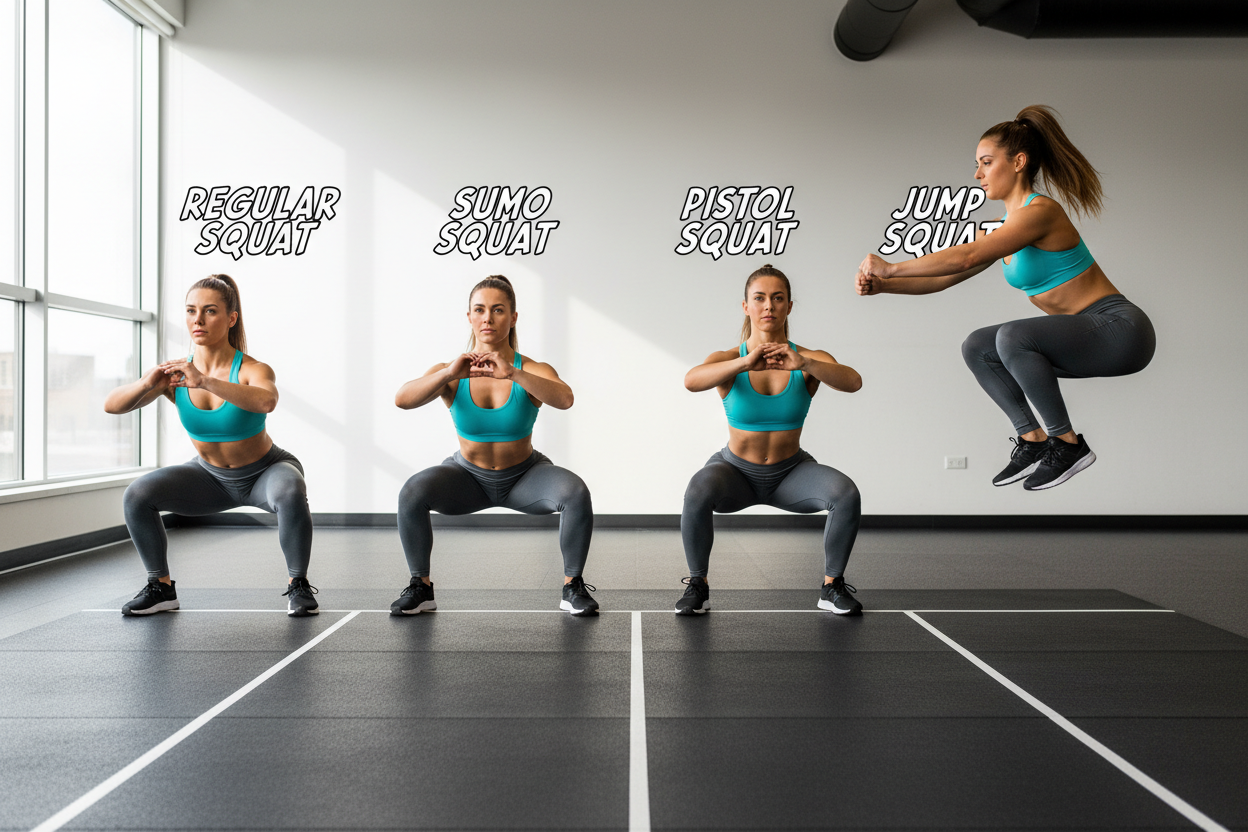
For the first seven days, your only goal is to stand on your mat for five minutes. That is it. Step onto the mat in your regular clothes. Do five bodyweight squats. Do a quick hamstring stretch. Maybe hold a plank for 20 seconds. Then step off and go about your day. You are training your brain to associate that specific physical space with low-stress movement.
By day five, you will likely find yourself wanting to do more. You will naturally start adding a few push-ups or extending your stretching time. Let this happen organically. Do not force a 45-minute high-intensity interval routine until stepping onto the mat feels as natural as brushing your teeth.
Expanding Your Routine Beyond Basics
Once the environmental cue successfully builds your daily habit, it is time to progress. Building upon this foundation is how to start exercise routine at home that actually lasts. You have mastered showing up; now we optimize the time spent in the zone.
Start by introducing one new piece of equipment at a time. A single 15lb or 25lb kettlebell is perfect because it takes up almost zero floor space but unlocks dozens of full-body movements like goblet squats, swings, and presses. Leave the kettlebell sitting right in the center of your mat as a secondary visual trigger.
If you prefer low-impact movement, this is the perfect time to start an at home yoga practice. The space is already defined and waiting for you. You can simply pull up a follow-along video on your phone or TV and immediately flow into your routine, confident that your dedicated zone is ready for action.
Troubleshooting Common Beginner Roadblocks
Eventually, you will encounter 'habit blindness'. This happens when your brain gets so used to seeing the mat and the kettlebell that it starts filtering them out as background noise. The visual trigger loses its power, and you start skipping workouts again. The most common question regarding how to start exercising at home for beginners who hit this wall is how to reset the trigger.
The fix is simple: disrupt the environment. Rotate your mat 90 degrees. Swap your black kettlebell for a brightly colored resistance band and drape it over a chair in your workout zone. Change the lighting in the room. By slightly altering the visual cue, you force your brain to notice the space all over again, instantly rebooting the habit loop.
FAQ
Do I need a lot of space to start?
Not at all. A 6x4 foot area is plenty for 90% of beginner home workouts. As long as you can lie down flat and extend your arms to the sides without hitting furniture, you have enough room to build a highly effective routine.
What if I share my home with roommates or family?
Communication is key. Claim a corner of a shared room and clearly explain to your household that this specific rug or mat is your permanent workout zone. Most people will respect the boundary if you make it visually distinct and explain its importance to your health.
How long until stepping on the mat becomes an automatic habit?
While the old myth says 21 days, my experience training clients shows it takes closer to 6 to 8 weeks of daily environmental cues for a behavior to become truly automatic. Stick to the visual trigger strategy for two months, and it will feel weirder to skip your workout than to do it.