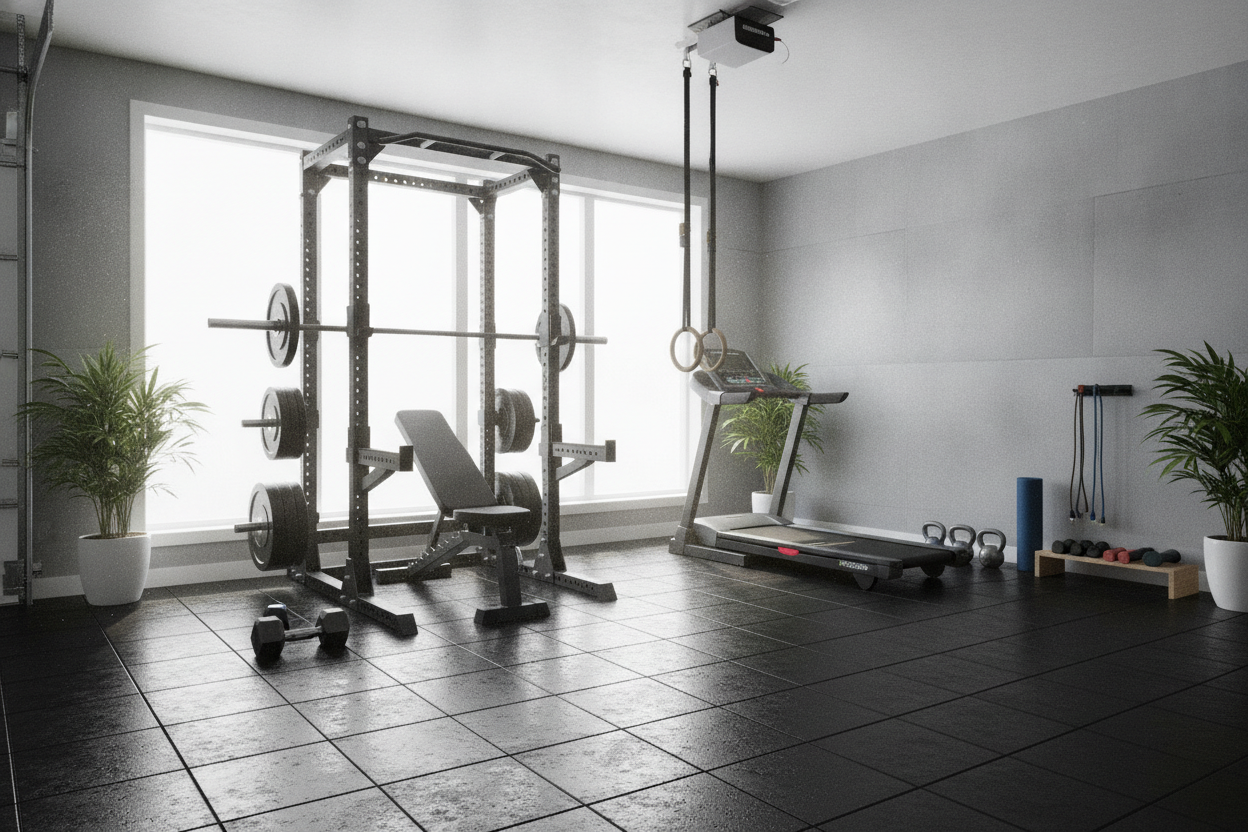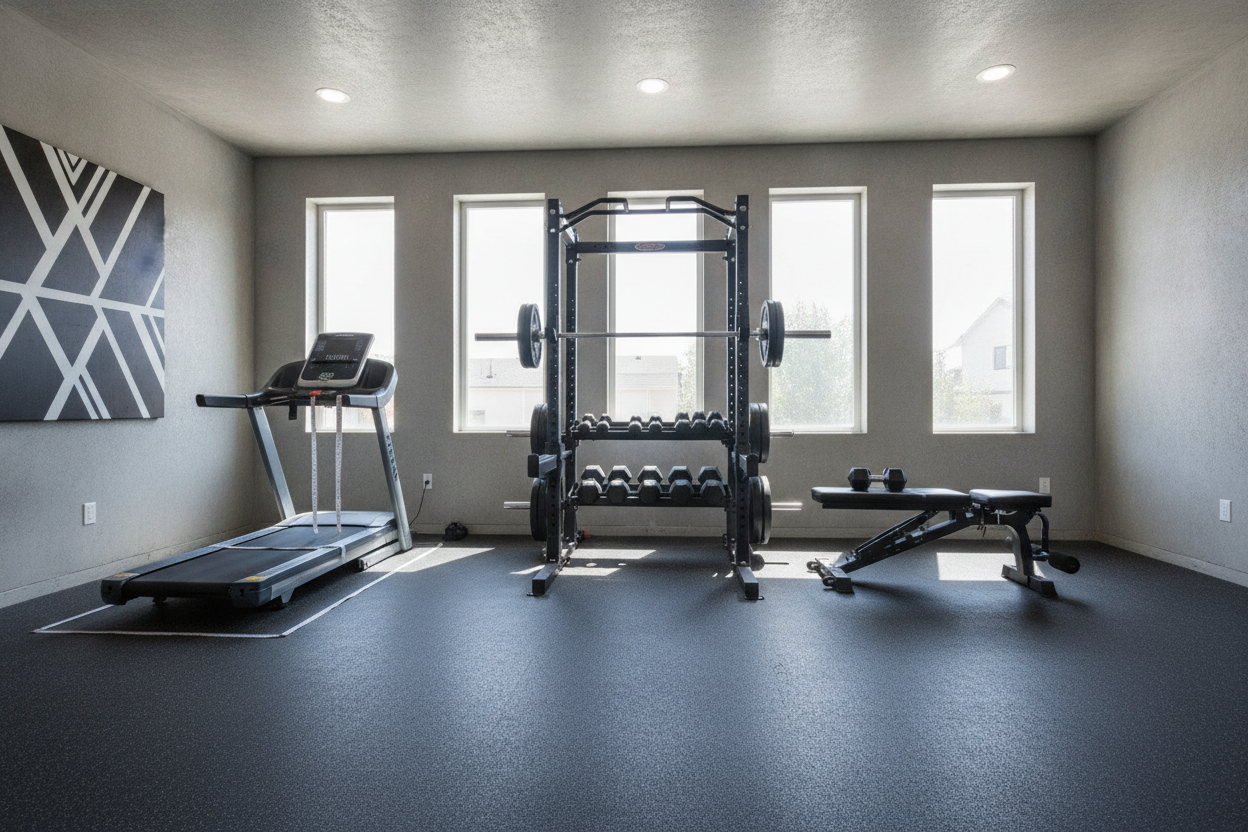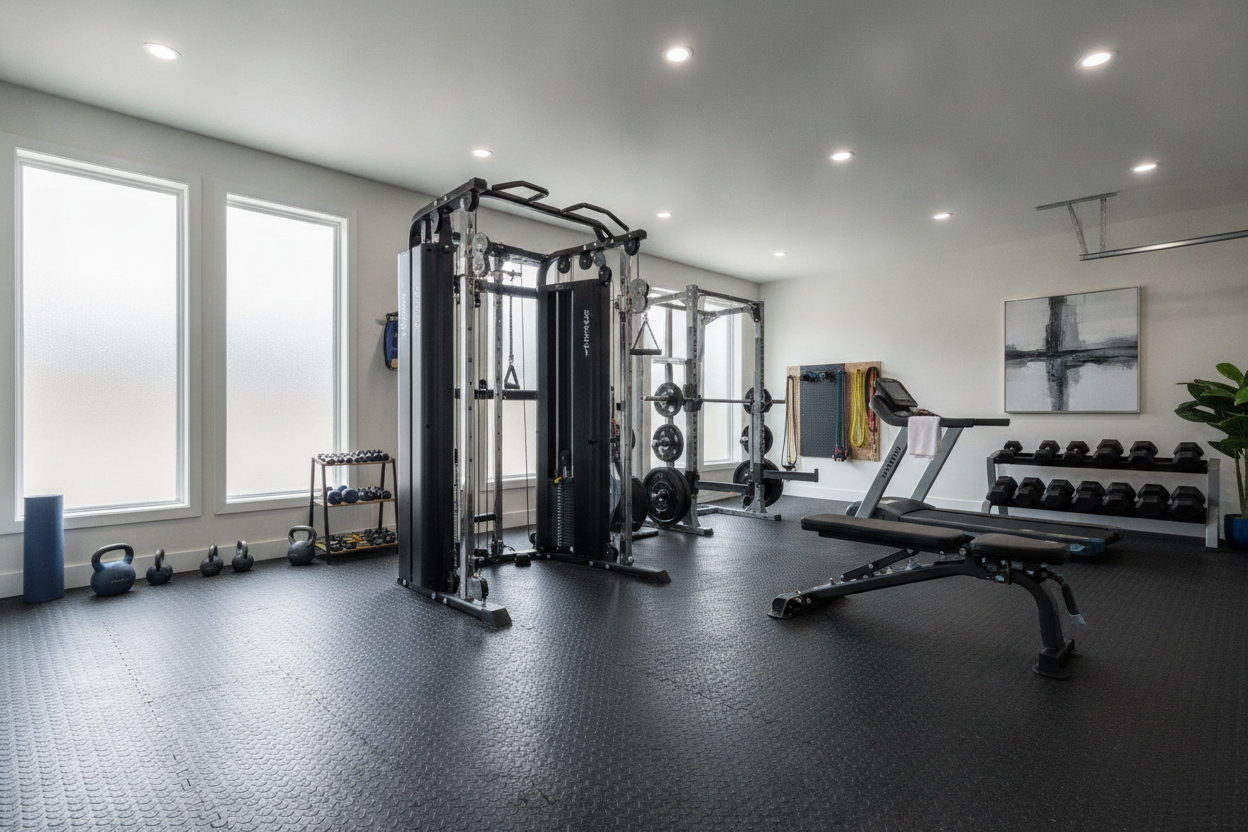
How to Pick a Gym Machine for Home That Won't Collect Dust
I have spent the last decade turning my garage into a revolving door of heavy metal. I have bought the Craigslist specials, the high-end boutique rigs, and the stuff that looked great in a catalog but felt like a wet noodle during a heavy set. If you are hunting for a gym machine for home, you are likely tired of the commute or the crowds. But here is the reality: your floor space is more valuable than your budget.
Quick Takeaways
- Prioritize machines that offer at least five different exercises per square foot.
- Avoid 'commercial' single-use machines unless you have a 1,000-square-foot basement.
- Functional trainers are the most versatile fitness machines for home.
- Always check your ceiling height before buying any gym equipment for house.
The Footprint-to-Utility Ratio (My Golden Rule)
Every square foot in your house has a 'rent' price. If a machine takes up 20 square feet but only lets you do one movement—like a standalone leg extension—that machine is a squatter. You want home gym equipment that earns its keep. I aim for a 5:1 ratio: five distinct, high-value movements for every square foot of permanent footprint.
This is why functional trainers win. A dual-stack cable system might take up a 4x5 area, but it replaces a dozen single-purpose exercise machines home. Before you buy, map out your floor with blue painter's tape. If you cannot walk around the workout machine for home without hitting your shins, it is too big. This is especially true for basement gym equipment where space is often at a premium.
Why Replicating a Commercial Gym Usually Fails
Commercial gear is built for 18 hours of daily abuse. It is overbuilt, single-function, and massive. When people look for home gym workout equipment, they often try to buy what they see at the local health club. That is a mistake. A commercial pec deck is great when you have 5,000 square feet. In a spare bedroom, it is a giant paperweight.
Most at home exercise machine options need to be 'multi-mode.' You do not need a dedicated seated row machine; you need a low pulley on a power rack or a functional trainer. Residential workout machine at home designs focus on verticality and shared components to save space. If it only does one thing, it better be the one thing you care about most, like a high-end squat rack or home gym rigs.
Cable Systems vs. Leverage Machines
If you want a machine for working out that feels smooth, cables are the gold standard. A good functional trainer uses a 2:1 ratio, meaning 100 lbs on the stack feels like 50 lbs of resistance but gives you more cable travel. This is vital for adapting gym exercise at home because it allows for explosive movements and a massive range of motion without the jerky feel of cheap at home fitness machine pulleys.
Leverage machines, on the other hand, use actual weight plates. They feel more 'raw' and are great for heavy presses. However, they usually have a larger at home gym equipment footprint because of the plate storage horns. If you are a bodybuilder, leverage is king. If you are training for general health, the cable system is a better home weights equipment investment for your indoor workout machine needs.
When Free Weights Actually Beat the Machine
I will be honest: some machines are just over-engineered solutions to problems that do not exist. You do not need a $2,000 home workout machine to do lunges or overhead presses. In fact, home training equipment like a solid pair of adjustable dumbbells often provides better muscle activation because your stabilizer muscles have to actually do their job.
If you are looking for a strength workout for women at home, or even a heavy powerlifting block, a barbell and a bench will often outperform a cheap at home workout machine. Machines are for isolation and safety at failure; free weights are for building the foundation. Don't let a fancy new exercise machine distract you from the basics of in-home fitness.
The 3 Questions to Ask Before You Click Checkout
Before you buy home gym equipment, run through this rapid-fire checklist. It will save you the headache of a return shipping fee that costs as much as the machine itself.
- Does it fit my ceiling? Most indoor gym equipment fails here. Check the pull-up bar height; you need at least 12 inches of head clearance above the bar.
- Is the weight stack enough? Many exercise machines for home use come with a 160-lb stack. That sounds like a lot until you try to do a lat pulldown. Look for 200-lb+ upgrades for your home fitness systems.
- What is the resale value? Brands like Rogue or Rep Fitness hold 70-80% of their value. Generic in home workout equipment from big-box stores often ends up on the curb for free.
My Personal Experience
I once bought a massive workout station for home that promised 30 exercises. It took me six hours to assemble and three months to realize I hated it. The cables were 'sticky' because the pulleys were cheap plastic, and the seat wobbled under any real weight. I ended up selling it for half what I paid just to get my garage back. Now, I stick to home gym strength equipment that uses high-quality aluminum pulleys and 11-gauge steel. Buy once, cry once.
FAQ
What is the best gym machine for a small apartment?
A wall-mounted folding rack or a slim-profile functional trainer. These indoor exercise machine pieces take up almost zero floor space when you are not using them.
Are home gym machines worth it?
Yes, if they replace a gym membership you are not using. A high-quality at home gym system pays for itself in about 18 to 24 months when you factor in fees and gas.
Should I buy plate-loaded or selectorized?
Selectorized (pin-loaded) is faster for supersets and circuit training. Plate-loaded home training equipment is usually cheaper and lets you use the plates you already own for your workout home machine.