
How to Lift the Bottom of Your Buttocks: The Glute Tie-In Guide
You have done the squats. You have done the lunges. Yet, looking in the mirror, that specific line where the glutes meet the hamstrings—often called the "underbutt" or gluteal fold—just isn't lifting the way you want it to. It is a frustrating plateau for many, regardless of fitness level.
The truth is, targeting this area requires more than just general lower body movements. You need to understand the biomechanics of the "glute-ham tie-in" to actually make a visual difference. If you are looking for specific exercises for bottom of buttocks that go beyond basic squats, you are in the right place. We are going to look at how to recruit those stubborn lower fibers effectively.
Key Takeaways: The Underbutt Strategy
- Focus on the Stretch: The lower glute fibers are most active when the hip is flexed (deep squat or lunge position).
- Don't Ignore Hamstrings: A defined "underbutt" requires developed hamstrings to create visual separation.
- Unilateral Training is King: Single-leg movements like step-ups often recruit more glute fibers than bilateral moves.
- Mind-Muscle Connection: If you feel it mostly in your lower back or quads, you aren't targeting the glute fold.
- Body Composition Matters: Muscle builds the shape, but body fat levels determine the visibility of the line under buttocks.
Understanding the "Underbutt" Anatomy
Before we pick up a dumbbell, let's clear up a misconception. There is no specific muscle called the "underbutt." What you are trying to target are the lower fibers of the Gluteus Maximus and the proximal attachment of the hamstrings.
To get that "lifted" look, you need two things: hypertrophy (growth) of the lower glute max and development of the upper hamstring. This creates the "shelf" appearance. If your glutes are weak, they sag. If your hamstrings are undeveloped, the transition from butt to leg looks flat.
The Best Exercises for Under Butt (That Actually Work)
To target this area, we need exercises that challenge the glutes in the lengthened position (the bottom of the rep) and fully shorten the hamstrings.
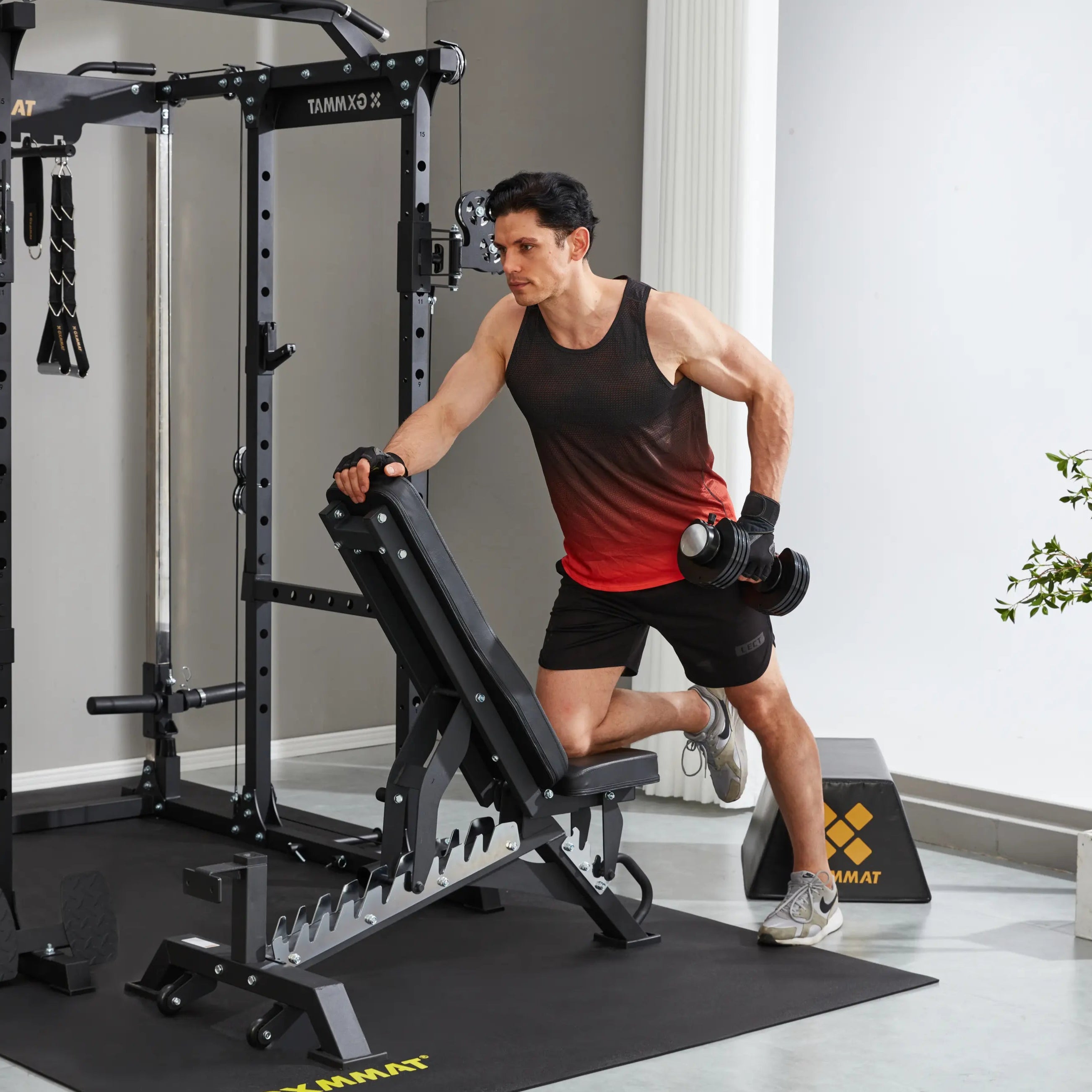
1. The Deficit Reverse Lunge
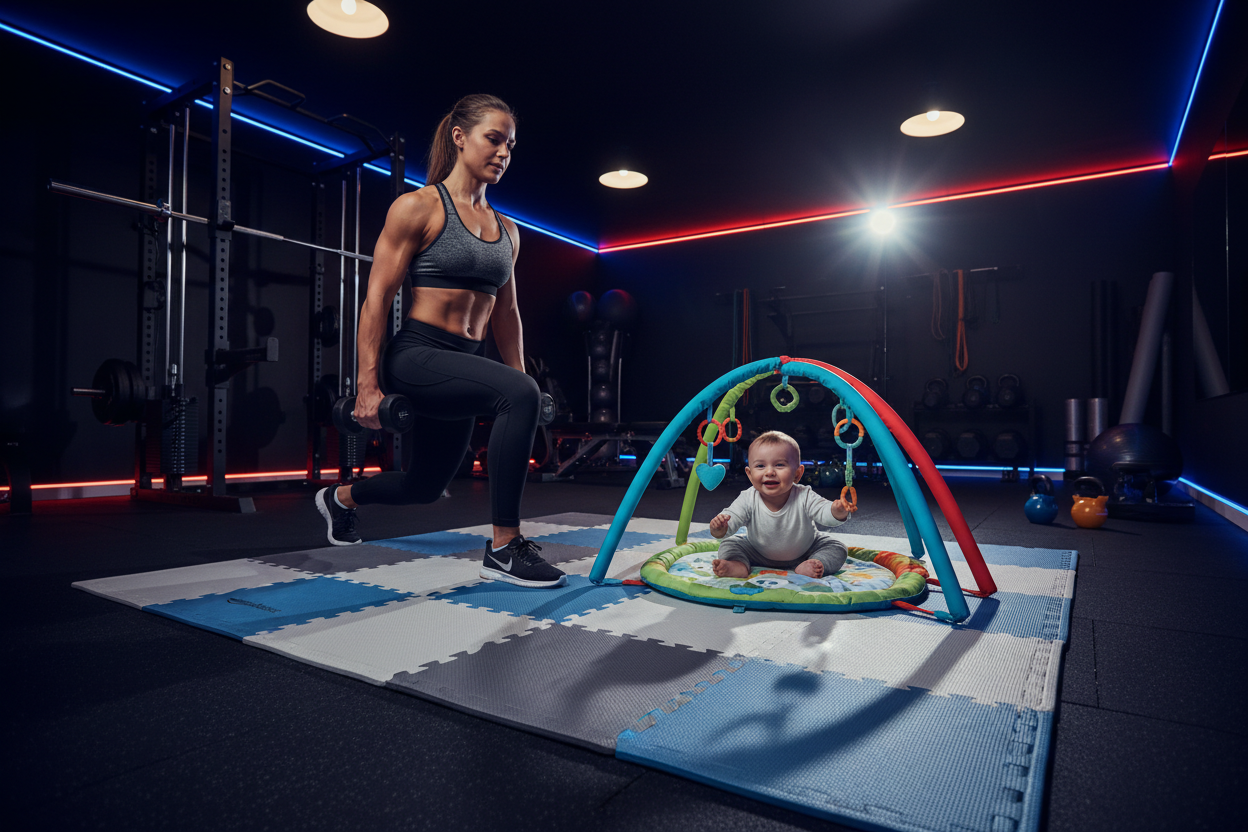
This is arguably the king of the under booty workout. By standing on a small plate or step (a "deficit"), you increase the range of motion.
The Science: Going deeper into hip flexion stretches the glute fibers under load. This mechanical tension is the primary driver of muscle growth in the lower glute region.
Form Tip: Lean your torso forward slightly (about 45 degrees) to bias the glutes over the quads. Drive through the heel of the front foot to stand back up.
2. Romanian Deadlifts (RDLs)
If you want to create that distinct line under buttocks, you must master the RDL. This is a hinge movement, not a squat.
The Science: RDLs heavily work the posterior chain. They build the upper hamstrings and the glutes simultaneously, sculpting exactly where the two muscle groups meet.
Form Tip: Keep your knees soft but fixed. Push your hips back as if trying to close a car door with your bum. Stop when your hips stop moving back—going lower just rounds your spine.
3. High Step-Ups
This is a potent exercise for bottom of glutes that you can do at the gym or at home. The key here is the height of the box or chair.
The Science: A higher box forces deep hip flexion. As you drive up, the lower glute has to work incredibly hard to extend the hip from that stretched position.
Form Tip: Do not push off with your back leg. Control the descent (eccentric phase) for 3 seconds. The lowering phase is where the tissue breakdown for growth happens.
How to Tone Lower Buttocks: Common Mistakes
Even with the best exercises for under bum, you might be spinning your wheels if your execution is flawed. Here is why you might not be seeing results.
Quad Dominance
If you feel lunges in the front of your thighs, you are too upright. To shift tension to the under glutes workout, you must hinge at the hips. Think "hips back," not "knees forward."
The "Ugly Squeeze"
Many people try to tuck their pelvis under (posterior pelvic tilt) at the top of a squat or deadlift, thinking it activates the glutes. It actually just puts pressure on your lumbar spine. Keep a neutral spine; the glute contraction happens naturally at full hip extension.
My Training Log: Real Talk
I want to be transparent about my own experience with targeting the glute-ham tie-in. For years, I hammered away at heavy squats, assuming the "underbutt" would take care of itself. It didn't. I developed great quads, but that lower glute line remained stubborn.
The game-changer for me wasn't a heavier weight; it was a specific sensation during deficit reverse lunges. I remember the first time I truly felt the "tie-in" working. I was using a 4-inch riser, holding 25lb dumbbells. Instead of just stepping back and up, I focused entirely on the stretch.
I felt a distinct, almost uncomfortable tearing sensation deep at the bottom of the glute—right where the fold is—when my knee hovered an inch off the floor. It wasn't the burning pump I get from hip thrusts; it was a deep, mechanical stretch. The next day, the soreness was localized specifically to that lower shelf, sitting right on the hamstring. That is the feeling you are chasing. If you are just bouncing out of the bottom of the rep, you are missing the growth trigger.
Conclusion
Building the underbutt takes patience and precision. You cannot spot-reduce fat from this area, but you can build the muscle underneath to lift and shape it. Focus on deep ranges of motion with lunges and heavy extension with RDLs. Be consistent with these exercises for under buttocks, feed your muscles adequate protein, and the results will follow.
Frequently Asked Questions
Can you actually isolate the underbutt?
Technically, no. You cannot isolate just the lower fibers of the gluteus maximus without working the rest of the muscle. However, exercises that maximize hip flexion (like deep lunges and step-ups) tend to bias the lower fibers more than shortening exercises like hip thrusts.
How long does it take to lift the bottom of your bum?
With consistent training (2-3 times per week) and proper nutrition, you can expect to see noticeable structural changes in 8 to 12 weeks. Neuromuscular adaptations (feeling the muscle work better) will happen within the first few sessions.
Are underbutt exercises at home effective without weights?
Yes, but only to a point. Beginners can see results with bodyweight step-ups and lunges. However, the glutes are large, powerful muscles. To continue seeing progress (progressive overload), you will eventually need to add resistance, whether through bands, dumbbells, or water jugs.