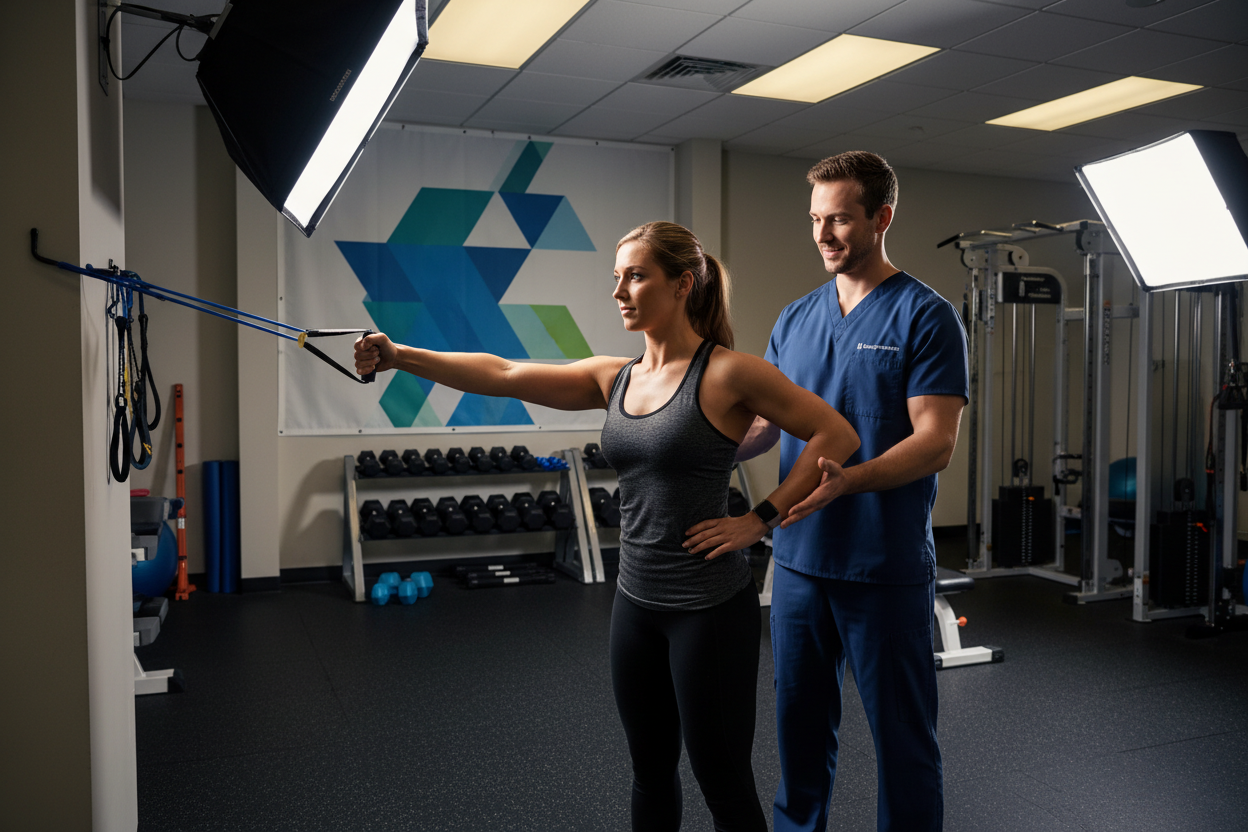
How to Fix Shoulder Pain Using Kaiser Rotator Cuff Exercises
Shoulder pain is one of those nagging injuries that changes everything—from how you sleep to how you put on a shirt. If you have been prescribed or are researching the kaiser rotator cuff exercises, you are likely looking for a structured, medically-backed path to recovery. Unlike random gym routines, the Kaiser Permanente protocol focuses on gradual load and range of motion to heal the tissue rather than just building bulk.
Quick Summary: The Protocol at a Glance
- Start Slow: Begin with passive movements like pendulums before adding resistance.
- Frequency Matters: Most Kaiser protocols recommend 2-3 sessions daily, not just once a week.
- Pain Rule: Discomfort is okay; sharp pain means stop immediately.
- Progression: Move from isometric holds to active range of motion, then to resistance bands.
- Posture Check: Keep shoulder blades down and back to avoid impingement during movements.
Why the Kaiser Protocol is Different
Many online rehab programs rush you into strengthening too quickly. The philosophy behind these specific kaiser shoulder exercises is patience. The rotator cuff is a group of four small stabilizing muscles, not power movers like your lats or pecs.
The Kaiser approach typically divides recovery into phases. Skipping the early mobility phases to get to the "weights" is the fastest way to re-injure yourself. This protocol relies on high-repetition, low-load work to stimulate blood flow to the tendons, which naturally have a poor blood supply.
Phase 1: Mobilization (The "Boring" Part)
You might feel silly doing these, but they are non-negotiable. This phase is about lubricating the joint without stressing the tear or inflammation.
The Pendulum Swing
Lean over a table, letting your affected arm hang completely dead weight. Use your body's momentum—not your shoulder muscles—to swing the arm in small circles. This creates a gentle traction that separates the ball from the socket, relieving pressure.
The Wall Crawl
Stand facing a wall. Use your fingers to "crawl" up the wall as high as you can without hiking your shoulder toward your ear. This re-teaches your brain how to elevate the arm using the proper scapular rhythm.
Phase 2: Activation and Strengthening
Once you have a full range of motion without sharp pain, you move to strengthening. This usually involves resistance bands (Therabands) rather than dumbbells, as bands provide constant tension through the entire curve of movement.
Internal and External Rotation
This is the bread and butter of the protocol. With your elbow pinned strictly to your side (imagine holding a towel under your armpit), rotate your forearm out against the band's resistance.
The Science: Keeping the elbow pinned isolates the infraspinatus and teres minor. If your elbow drifts away from your body, your deltoid takes over, defeating the purpose of the exercise.
Scapular Squeezes
Shoulder health starts at the shoulder blade. Squeeze your blades together as if trying to hold a pencil between them. Hold for 5 seconds. This stabilizes the foundation that your rotator cuff operates on.
My Personal Experience with Kaiser Rotator Cuff Exercises
I want to be real with you for a second. I didn't just read the PDF; I lived through a partial tear a few years back. The hardest part of the Kaiser protocol wasn't the pain—it was the boredom and the specific sensory annoyance of the equipment.
I vividly remember the smell of the yellow latex Theraband leaving a powdery residue on my hands every morning. But the specific detail that sticks with me is the "shaking" point. During the external rotations, right around rep 12, my shoulder wouldn't burn like a bicep curl; it would just start vibrating uncontrollably. It felt like the signal from my brain was getting static.
I also learned the hard way that "door anchors" are essential. I tried tying the band to a doorknob once, it slipped mid-rep, and snapped me right in the ribcage. Buy the proper anchor. Trust me. The exercises work, but only if you embrace the tedious, low-weight grind for weeks on end.
Conclusion
Recovering from a shoulder injury is a marathon, not a sprint. The Kaiser rotator cuff exercises are designed to get you back to full function, but they demand consistency. Don't chase the burn; chase the perfect form. If you stick to the plan, you will regain the freedom to move without that sharp catch in your shoulder.
Frequently Asked Questions
How many times a day should I do Kaiser shoulder exercises?
For rehabilitation, frequency is usually higher than standard training. Most protocols suggest performing the mobility exercises 2 to 3 times per day, while strengthening exercises might be done once a day or every other day depending on fatigue.
What color resistance band should I use?
Start with the lightest band available (usually yellow or tan in the Kaiser/Theraband system). Do not advance to the next color (red or green) until you can complete 3 sets of 15 reps with perfect form and zero pain.
Is it normal to feel popping during these exercises?
Painless clicking or popping (crepitus) is generally normal and often caused by scar tissue or tendons snapping over bone. However, if the pop is accompanied by sharp pain, stop immediately and consult your physical therapist.