How to Firm Buttocks and Thighs: The Science-Backed Protocol
You have likely spent hours on the elliptical or tried endless bodyweight kickbacks, yet the mirror reflects the same result: a lack of definition and tone. This is a common frustration. The reality is that learning how to firm buttocks and thighs requires shifting your focus from burning calories to building density.
Cardio alone often leads to a "smaller version of the same shape." To actually change the composition of your lower body, we need to introduce mechanical tension and metabolic stress. This guide cuts through the fluff and gives you the physiological roadmap to a stronger lower half.
Quick Summary: The Blueprint
- Prioritize Resistance: You must lift weights or use high-resistance bodyweight movements to stimulate muscle density.
- Compound Over Isolation: Focus on movements that bend multiple joints (hips and knees) simultaneously.
- Protein is Non-Negotiable: Muscle tissue requires amino acids to repair and become firmer.
- Progressive Overload: You must do slightly more work (weight, reps, or better form) each week.
- Rest Days Matter: Firming happens during recovery, not during the workout.
The Physiology of Firmness
When people talk about "toning," they are actually referring to two simultaneous processes: reducing the fat layer covering the muscle and increasing the resting tension of the muscle itself (myogenic tone).
You cannot simply "tighten" skin or fat. To achieve firmer buttocks and thighs, you must increase the density of the muscle fibers underneath. This pushes the skin taut and creates that solid, athletic look. This process requires hypertrophy-focused training, which means lifting weights that challenge you in the 8 to 12 repetition range.
The "Big Three" Movement Patterns
Forget the complicated machines for a moment. The most effective way to address how to tighten your buttocks and thighs is by mastering three fundamental movement patterns.
1. The Hinge (Deadlifts and Bridges)
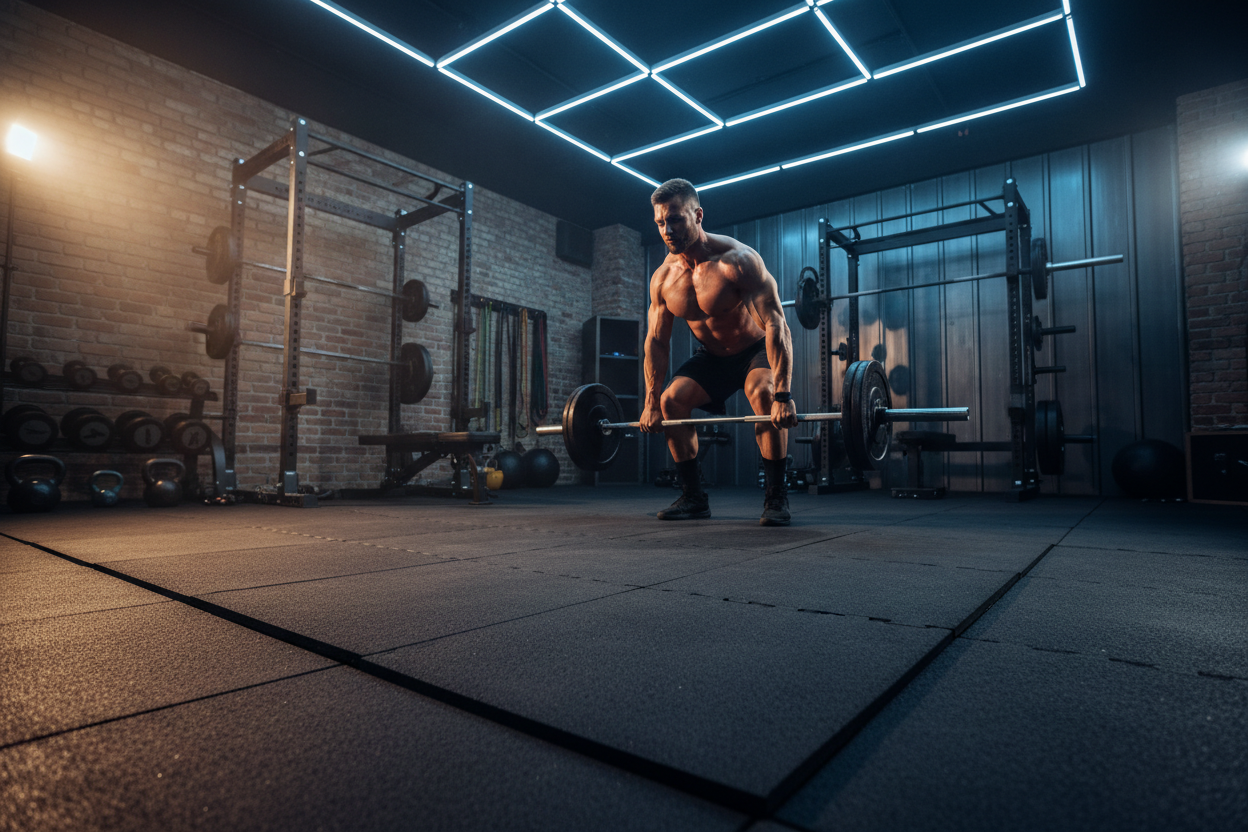
The hinge pattern targets the posterior chain—specifically the glutes and hamstrings. This is crucial for lifting the buttocks.
The Focus: Keep your spine neutral. The movement comes from pushing your hips back, not bending over at the waist. If you don't feel a deep stretch in your hamstrings, you aren't loading the muscle correctly.
2. The Squat (Knee Dominant)
Squats target the quadriceps (front of the thigh) and the glutes. To emphasize the glutes, you need depth. Stopping halfway down keeps the tension mostly in the quads.
The Focus: Aim for your hips to drop below your knees. This full range of motion engages the glute max significantly more than partial reps.
3. Unilateral Movements (Lunges and Step-Ups)
This is the secret weapon. Unilateral (single-leg) training forces the smaller stabilizing muscles in the hip to fire. This contributes heavily to the roundness and "shelf" look of the glutes.
The Focus: Control the descent. Do not crash down. The eccentric (lowering) phase is where the most muscle damage—and subsequent growth—occurs.
Nutrition: The Missing Link
You can train hard, but you won't see results without fuel. Muscle tissue is metabolically expensive; your body won't build it if you are in a severe calorie deficit.
To support the tissue remodeling necessary for firmer buttocks and thighs, aim for roughly 0.7 to 1 gram of protein per pound of body weight. This ensures that the work you do in the gym translates to structural changes in your physique.
Common Mistakes to Avoid
Fearing "Bulk": Women, in particular, often fear heavy weights will make them bulky. Physiologically, you lack the testosterone levels to pack on massive size accidentally. Heavy weights create density, not excessive volume.
Ignoring Rest: Training legs every day is counterproductive. Muscles grow when you sleep and rest. Hit the lower body hard 2-3 times a week, and let it recover.
My Training Log: Real Talk
Let's step away from the science for a second. I want to share my personal experience with how to firm buttocks and thighs because the textbooks don't tell you how it actually feels.
I remember distinctly when I switched from aimless cardio to heavy hip thrusts. The first few weeks were humbling. It wasn't just the soreness; it was the specific, awkward pain of the barbell digging into my hips, even with a pad. I had to learn to position the bar exactly below the hip bones to avoid bruising.
But the real reality check was the Bulgarian Split Squats. I recall the third set specifically—my stabilizing leg would start to wobble uncontrollably, shaking so hard I had to stare at a stain on the gym floor just to keep my balance. That "wobble" is the stabilizers waking up. It’s unglamorous, you sweat in places you didn't know existed, and walking down stairs the next day is a nightmare. However, that specific struggle is exactly where the results came from. If you aren't making an ugly face on the last rep, you probably aren't going heavy enough to firm anything.
Conclusion
Firming your lower body isn't about finding a magic exercise; it's about consistency with the basics. Focus on getting stronger at hinges, squats, and lunges. Eat enough protein to support that strength. If you stick to this protocol, the firmness will follow.
Frequently Asked Questions
How long does it take to see results?
With consistent training (3x per week) and proper nutrition, you can expect to feel a difference in muscle hardness within 4 weeks. Visible structural changes usually take 8 to 12 weeks of progressive overload.
Can I firm my thighs by just walking?
Walking is excellent for general health and fat loss, but it provides insufficient mechanical tension to significantly build muscle density. To truly firm the area, you need resistance training.
Do I need gym equipment to tighten my lower body?
While barbells and dumbbells accelerate results, you can start with bodyweight. However, to continue progressing, you will eventually need to add external resistance (weights or bands) or try advanced variations like single-leg pistol squats.