How to Filter Out the Junk When Picking Gym Equipment to Buy Online
I remember the first time I tried to find gym equipment to buy online. I was fed up with my local commercial gym raising monthly dues while the cable machines were perpetually 'out of order.' I ended up buying a 'heavy-duty' rack based on a 5-star review from a guy who clearly only used it to hang his laundry. The first time I tried to re-rack a 315-lb squat, the whole thing shivered like a wet dog. It was a wake-up call that the internet is full of shiny-looking junk.
- Ignore 'static' weight ratings; they mean nothing for actual training safety.
- Look for 11-gauge steel if you want a rack that doesn't wobble during pull-ups.
- Verify upright dimensions (3x3 or 2x3 are industry standards) for accessory compatibility.
- Never skimp on flooring; foam puzzle mats are for playrooms, not power cleans.
The 'Influencer Trap' of E-Commerce Fitness
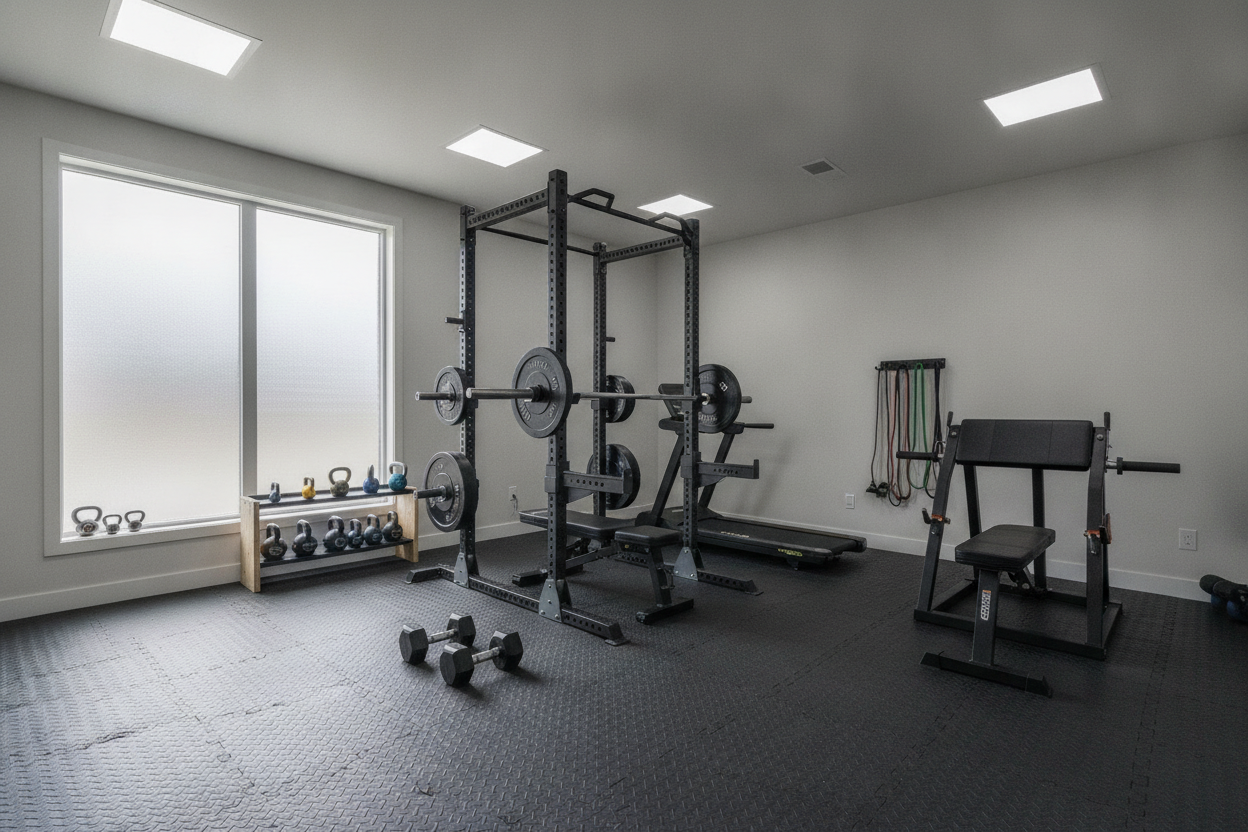
If you spend any time on social media, you've seen the 'perfect' home gym. It's usually white-walled, neon-lit, and features online home gym equipment that looks sleek but has the structural integrity of a soda straw. Many of these influencers are paid to push gear they don't actually train heavy on. They get a fat commission, and you get a rack that sways when you're just trying to load your plates.
The problem is the affiliate model. Most reviewers won't tell you a product is mediocre because they want you to click their link. I've seen 'pro' reviews for benches that have a massive 2-inch gap between the seat and the back pad—a literal recipe for a pinched nerve. You have to look past the ring lights and the high-production video to see the actual hardware underneath.
Three Red Flags When You Buy a Home Gym Online
The first red flag is the 'Static Weight Capacity.' If a bench says it holds 1,000 lbs but the steel is thin, that's a static rating. It means it won't collapse if you gently place a lead block on it. It says nothing about you dropping a heavy barbell onto it. You need to know what to know before you buy, specifically the difference between static and dynamic loads during a buy home gym online search.
Second, watch out for proprietary sizing. Some brands use 2.3-inch uprights or weird 18mm holes. They do this so you can only buy their overpriced attachments. Stick to 2x3 or 3x3 uprights with 5/8-inch or 1-inch holes. It opens up a world of third-party accessories that are often better and cheaper than the original brand's offerings.
Third is the 'Lifetime Warranty' that only covers the frame against 'manufacturers' defects.' If the powder coat flakes off in a month or the pop-pins snap, they’ll claim it’s 'normal wear and tear.' A real warranty from a reputable company covers the moving parts and the structural welds for more than just a 30-day window.
How to Actually Vet Gym Equipment to Buy Online
Stop reading the marketing fluff and start reading the spec sheet. I look for 11-gauge steel. For context, the higher the gauge number, the thinner the steel. 14-gauge is for department store toys; 11-gauge is for serious lifting. If the listing doesn't explicitly state the gauge, it’s probably thin enough to bend with a pair of pliers.
Check the hardware. If a rack uses 1/2-inch bolts, it’s going to have some sway. Look for 5/8-inch or 3/4-inch bolts. When you're hunting for home gym equipment deals, don't just look at the price tag. Look at the shipping weight. If two racks cost the same but one weighs 50 lbs more, that extra weight is the steel you're paying for. Mass moves mass, and mass also supports mass.
Stop Skipping the Flooring Specs
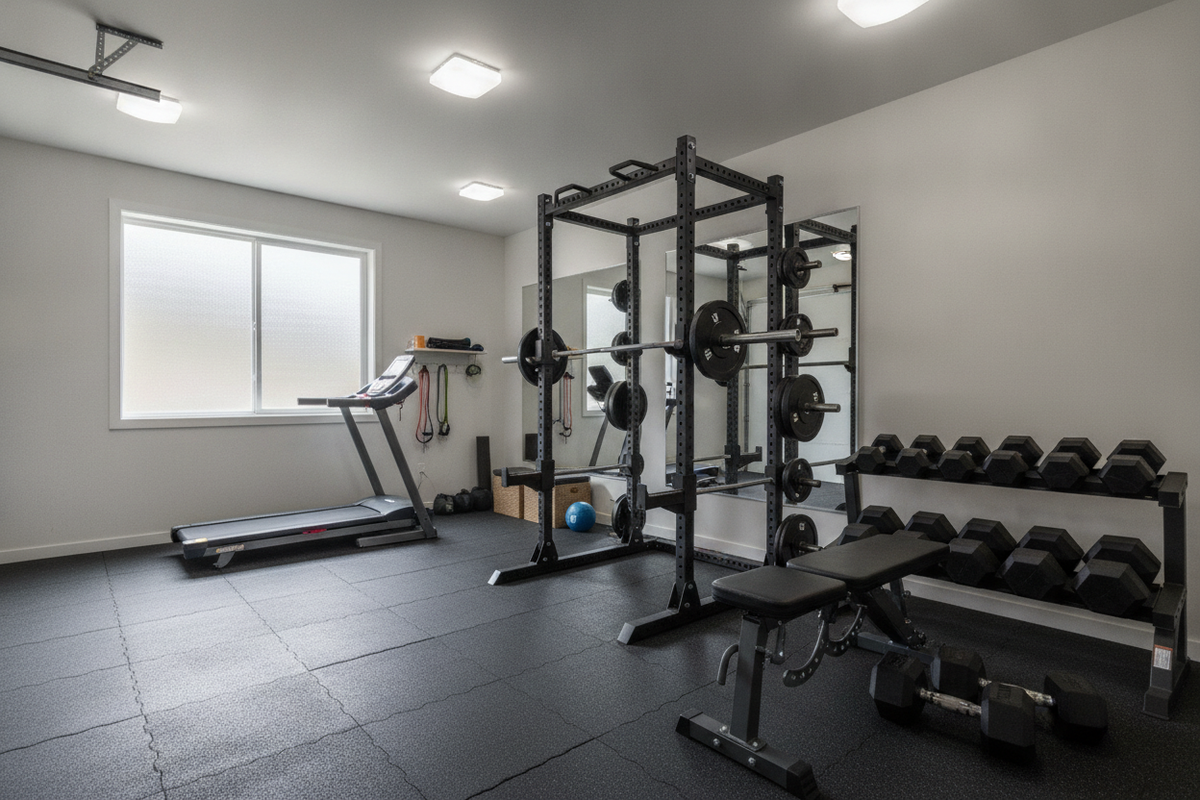
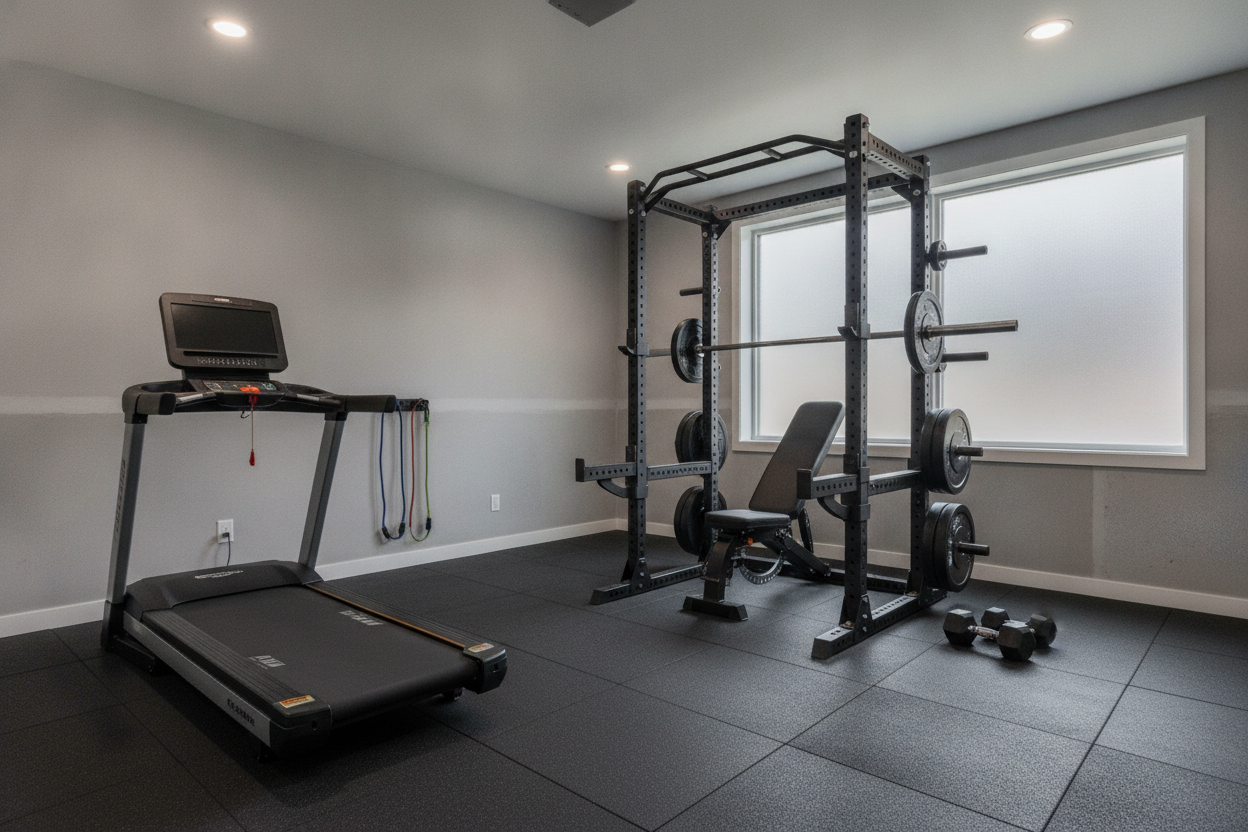
Most people drop three grand on a rack and then buy those colorful foam puzzle pieces for the floor. Don't do it. Foam compresses under a heavy rack, making the whole unit unstable. It also offers zero protection for your concrete subfloor when you're deadlifting. You need a proper gym flooring for home workout that uses high-density rubber. I prefer 3/4-inch thick mats. They don't smell like a tire fire and they actually absorb the impact of a dropped kettlebell.
Where I Actually Go for Unbiased Gear Opinions
I spend a lot of time on Reddit's r/homegym or dedicated powerlifting forums. Those communities are brutal. If a company puts out a bad batch of plates or a bench that arrives with rusted welds, you'll hear about it there first. I also look for YouTube reviewers who actually show the assembly process. You can tell a lot about a company by how well the holes line up and how much 'slop' is in the joints during the build.
My Biggest Mistake
I once bought a 'space-saving' folding rack because it was cheap and had great photos. It took me four hours to install, and the first time I used it, I realized the pull-up bar was too close to the wall. I couldn't even do a chin-up without my knees hitting the drywall. I ended up selling it for half what I paid two weeks later. Measure twice, buy once.
FAQ
Is 14-gauge steel okay for a home gym?
Only if you're doing light accessory work. If you plan on squatting over 300 lbs or doing weighted pull-ups, 11-gauge is the standard for safety and stability.
How do I know if a review is fake?
If it sounds like a brochure and doesn't mention a single negative—even a small one like 'the shipping box was beat up'—it's probably scripted or paid for.
Does hole spacing really matter?
Yes. Look for 'Westside' spacing (1-inch gaps) in the bench zone. It lets you set your safety bars at the perfect height so you don't get pinned or lose range of motion during a max effort set.