How to Decode Every Confusing Weight Lifting Name in Your Program
I remember opening my first real strength program and staring at 'Romanian Deadlift' like it was written in ancient Sanskrit. You just want to build some muscle and get stronger, but instead, you are stuck deciphering a weight lifting name that sounds more like a geography quiz than a workout.
The truth is, the fitness world is bloated with terminology designed to make basic movements sound exclusive. I have spent a decade in garage gyms and commercial dungeons, and I can tell you: once you strip away the ego, it is all just pushing, pulling, and hinging.
Quick Takeaways
- Most exercise names are just descriptions of the movement or the person who 'invented' it.
- Don't let a weird name stop you from trying a movement; the mechanics matter more than the label.
- Focus on the big three styles: Powerlifting, Olympic, and Bodybuilding.
- Equipment names are often interchangeable—don't overthink the 'selectorized' vs. 'plate-loaded' debate.
Why Gym Jargon Exists (And Why You Can Ignore Half of It)
The fitness industry loves to rebrand the wheel. If a trainer can give a standard squat a fancy new weightlifting name, they can sell it as a 'proprietary system' for a premium price. It is mostly noise designed to make you feel like you need a coach to translate the basics.
I have seen people get so paralyzed by the science of weight lifting legs that they spend forty minutes on Google instead of four sets under the bar. Learning the core mechanics—how to hinge your hips or keep your spine neutral—is ten times more valuable than memorizing every variation in the dictionary.
The Big Three: Sorting Out the Major Lifting Styles
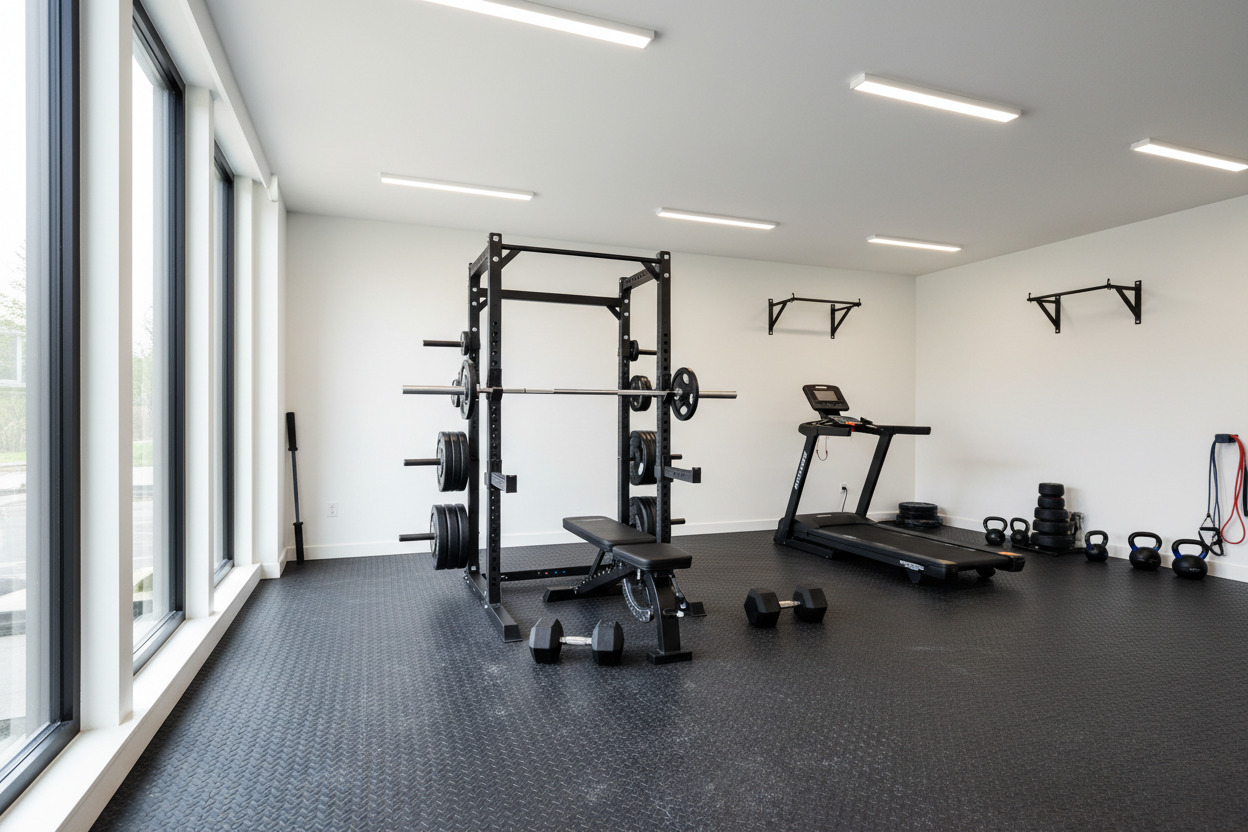
When you hear people talk about different types of weightlifting names, they are usually referring to one of three main disciplines. Powerlifting is the 'Big Three': Squat, Bench, and Deadlift. It is all about moving the absolute maximum amount of weight for a single rep. If you are going this route, you need gear that won't buckle under a heavy load. A cheap rack from a big-box store won't cut it; you want a heavy-duty power rack weight bench package that is rated for serious poundage.
Olympic Weightlifting is the stuff you see on TV—the Snatch and the Clean & Jerk. It is explosive, technical, and requires a lot of mobility. Finally, there is Bodybuilding. This isn't about the weight on the bar as much as the 'pump' in the muscle. You will see higher reps and more isolation movements here.
Translating Those Bizarre Exercise Names
Some exercises have names that sound like they belong in a horror movie. 'Skullcrushers' are just tricep extensions where you lower the bar toward your forehead. 'Good Mornings' are hip hinges that look like you are bowing to someone. And 'RDLs' (Romanian Deadlifts) are just deadlifts where you don't let the plates touch the floor between reps.
If you are doing these movements seated or at an angle, having a versatile adjustable weight bench is a requirement. I prefer benches with a ladder-style adjustment—they are faster to swap between sets of incline rows and seated overhead presses than those annoying pull-pin designs that always seem to jam.
Navigating the Sea of Gym Equipment
Once you step away from the barbells, things get even weirder. You will run into different types of weightlifting names for machines that essentially do the same thing. Is it a 'Lat Pulldown' or a 'Vertical Pull'? It is the same movement. Knowing the names of weight lifting machines helps you navigate a crowded gym without looking like a lost tourist.
For those building a home setup, commercial-grade weight lifting machines like functional trainers are incredible for accessory work. Just keep an eye on the footprint. A standard cable crossover needs about 8 to 10 feet of width, which can swallow a one-car garage pretty quickly, so measure your floor space twice before buying.
Stop Googling and Start Sweating
At the end of the day, your muscles don't have a dictionary. They only understand tension and load. You can call it a 'Bulgarian Split Squat' or 'that miserable one-legged torture move'—the result is the same. Pick a basic program, master the fundamental patterns, and focus on progressive overload. The vocabulary will come with time, but the gains only come with work.
My Personal Experience
Early on, I spent three weeks trying to master the 'Pendlay Row' because an online forum told me it was the only way to grow a thick back. I was so focused on the specific weightlifting name and the 'perfect' floor-to-chest technique that I ended up with a strained lower back and zero actual progress. I should have just done basic rows and focused on the squeeze. Don't let the terminology distract you from the effort.
FAQ
What is the difference between a Power Clean and a Clean?
In a Power Clean, you catch the bar in a partial squat (above parallel). In a full Clean, you catch it in a deep, bottom-out squat. One is about raw power; the other is about technical depth.
Is a 'Military Press' different from an 'Overhead Press'?
Technically, a Military Press is done with your heels touching and no leg drive. Most people use the terms interchangeably for any standing barbell press over your head.
What does 'RPE' mean in a program?
It stands for Rate of Perceived Exertion. RPE 8 means you finish the set feeling like you could have done exactly two more reps if your life depended on it. It is a way to measure intensity without fixed percentages.