How to Choose the Best Outdoor Exercise Mat for Your Fitness Space
Working out in the fresh air can be an invigorating experience, but if you plan to take your fitness routine outside, choosing the right outdoor exercise mat or gym flooring can make all the difference. A good mat not only protects your body from hard surfaces but also ensures stability and durability against different weather conditions. Whether you’re setting up a small corner in your backyard or building a full outdoor gym, investing in quality flooring designed for outdoor use is essential.
Why Outdoor Exercise Mats Matter
Traditional indoor mats are not built to withstand exposure to sunlight, moisture, or fluctuating temperatures. An outdoor fitness mat needs to be weather-resistant, non-slip, and made of materials that can handle rough surfaces like concrete or wooden decking. Beyond comfort, mats can also help prevent injuries by absorbing impact and providing a firm yet cushioned base for exercises such as push-ups, yoga, and weight training.
Types of Mats and Flooring for Outdoor Workouts
Before purchasing, it’s important to understand the variety of options available:
-
Outdoor exercise mats: Portable, lightweight mats are perfect for personal workouts. They’re often made of PVC or high-density foam and feature waterproof properties.
-
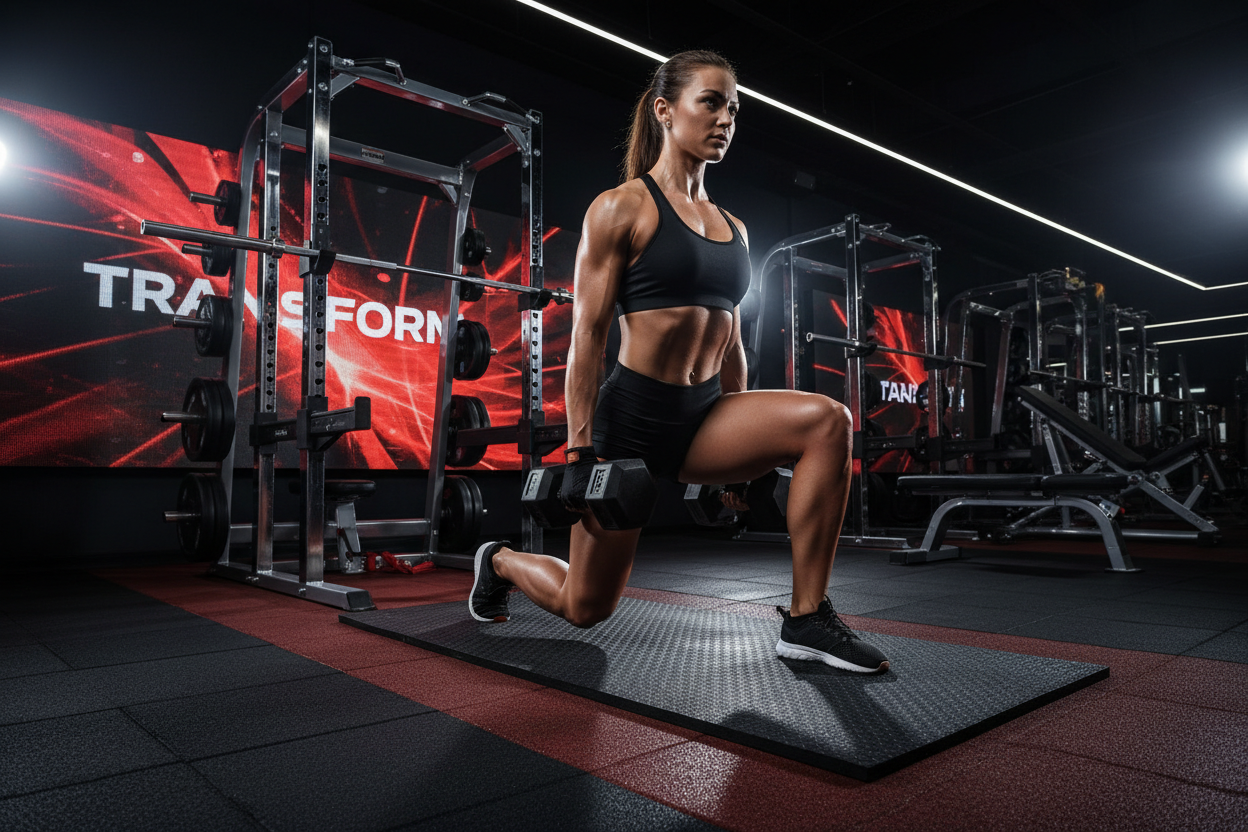
Outdoor gym mat: Thicker and more robust, these mats are ideal for stationary setups and can endure heavy use.
-
Outdoor gym floor tiles: Interlocking rubber tiles are a popular choice for larger areas, offering both shock absorption and a stable base for gym equipment.
-
Outdoor workout mat for concrete: Designed to combat the hardness of concrete, these mats use extra cushioning (and proper mat thickness) to protect joints.
Weather Resistance and Durability
The most important aspect of any outdoor workout flooring is its ability to resist wear from weather exposure. Waterproof outdoor exercise mats prevent moisture damage and can be easily cleaned after rainfall. UV-resistant materials help avoid degradation from extended sunlight exposure, keeping your mat in good condition for longer.
Installation and Maintenance Tips
For larger outdoor gym flooring projects, measuring your space accurately is crucial. Interlocking mats and tiles make installation simple and allow for easy removal if you plan to reconfigure your workout area. Always ensure proper drainage beneath your flooring to prevent water pooling, which can lead to mildew or warping.
Creating an Outdoor Fitness Space
Having the right outdoor workout mat or flooring is a fundamental step when building your personal fitness zone. If you have limited space, a foldable waterproof mat can give you the flexibility to work out anywhere, then store it away when not in use. For those building more permanent outdoor gyms, combining durable flooring with weather-protected equipment will help ensure a longer lifespan.
Personal Experience
When I first began training outside, I underestimated how uncomfortable certain surfaces could be. Exercises on bare concrete left my joints sore, and the mat I used indoors deteriorated quickly under sun exposure. Switching to a waterproof outdoor workout mat designed for concrete made a significant improvement in my comfort and performance. I found that non-slip textures provided better footing during high-intensity movements, and easy clean-up after a rainy morning was a huge bonus.
Outdoor Gym Flooring Ideas
Here are some practical ways to create a functional outdoor gym floor:
-
Use modular interlocking rubber tiles for a stable, cushioned base in larger workout zones.
-
Place a heavy-duty outdoor sports mat under free weights or kettlebells to protect both the weights and the floor.
-
For a multi-use yard space, roll out a waterproof fitness mat only during workouts, allowing the area to serve other purposes when not in use.
-
Consider synthetic turf for agility and conditioning drills, pairing it with portable workout mats for floor exercises.
Safety Considerations
Consistent traction is vital for outdoor workouts, especially in wet conditions. Choose mats with textured surfaces to reduce slipping. If your setup includes heavy equipment, ensure your outdoor gym flooring can support the load without compressing excessively. Regular cleaning and inspection will prolong the life of your mats and prevent hazards.
Final Thoughts
An outdoor workout mat or gym floor is more than just an accessory; it’s a critical piece of your fitness environment. By selecting products with waterproof, UV-resistant, and non-slip features, you can enjoy comfortable workouts year-round while protecting your joints and equipment. Whether you’re a casual exerciser or a dedicated athlete, investing in suitable outdoor exercise flooring will elevate your training experience and enhance your overall well-being.