How to Choose Back Squat Equipment for a Cramped Garage
I remember staring at my garage floor, measuring the distance between the lawnmower and the water heater for the tenth time. I was tired of waiting for the only decent rack at the local mega-gym to open up, only to find it covered in someone else's sweat. Buying your own back squat equipment is the ultimate freedom, but if you choose wrong, you’re just inviting a catastrophic failure into your home.
The market is flooded with cheap workout equipment for squats that looks great in a filtered Instagram ad but wobbles the second you unrack 225 pounds. You need gear that handles the load without turning your garage into an orthopedic surgeon’s retirement fund. Here is how to pick the right squat equipment for home use without wasting your hard-earned cash.
Quick Takeaways
- Prioritize 11-gauge steel for any rack or stand; anything thinner is a gamble.
- Check your ceiling height twice before ordering a full power cage.
- Independent squat stands save the most space but offer the least safety.
- A dedicated squat machine for home gym setups is great for accessory work but rarely replaces a barbell.
The Danger of Buying Flimsy Leg Gear
When you have a heavy barbell across your traps, the last thing you want to feel is the uprights swaying. Most budget equipment for squats you find at big-box retailers uses thin, 14-gauge steel. It’s light, easy to ship, and dangerously unstable for serious lifting. I’ve seen cheap racks literally bow under a 300-pound load.
If you are serious about your squat workout equipment, look for 2x3 inch or 3x3 inch steel tubing. This isn't just about weight capacity; it's about the 'jerk factor.' When you re-rack a heavy set of squats, you aren't always gentle. Heavy-duty gym equipment for squats is designed to take that impact without tipping over or shearing a bolt.
Power Racks vs. Squat Stands: What Actually Matters
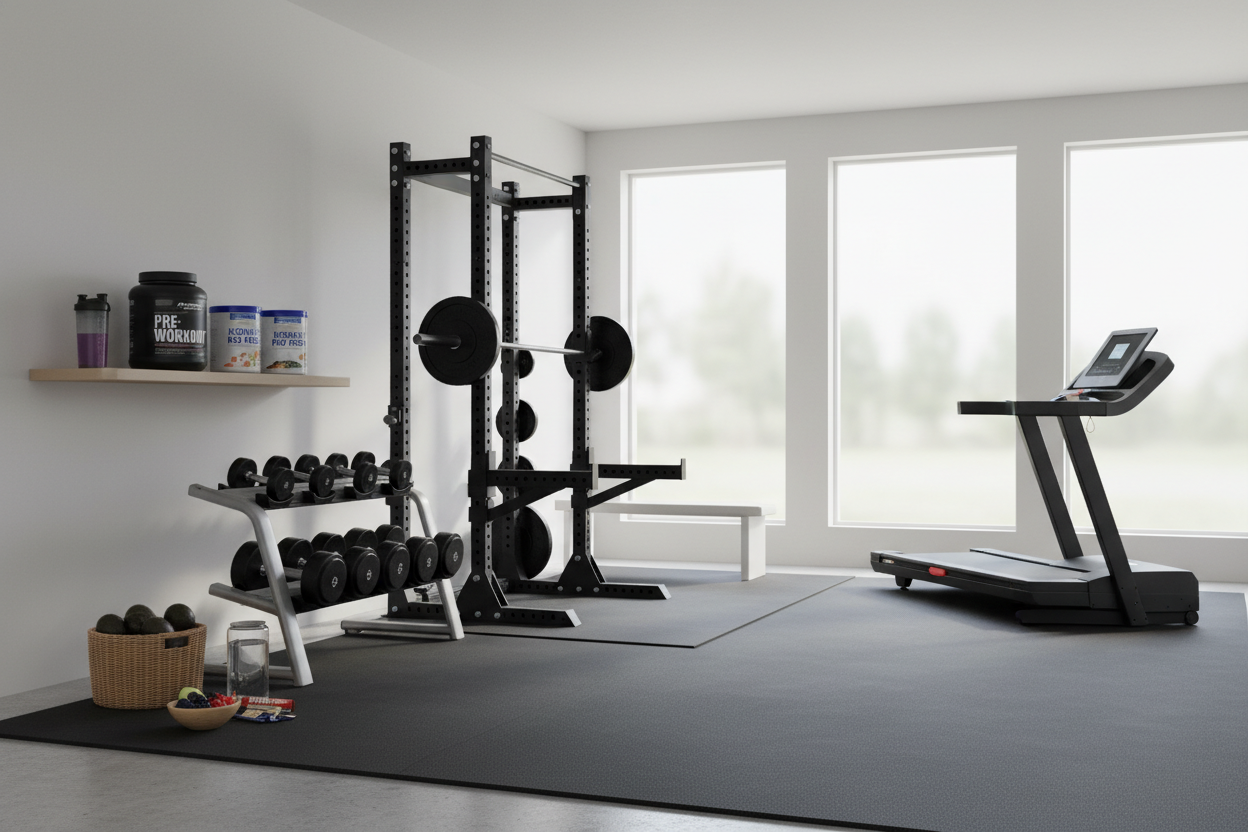
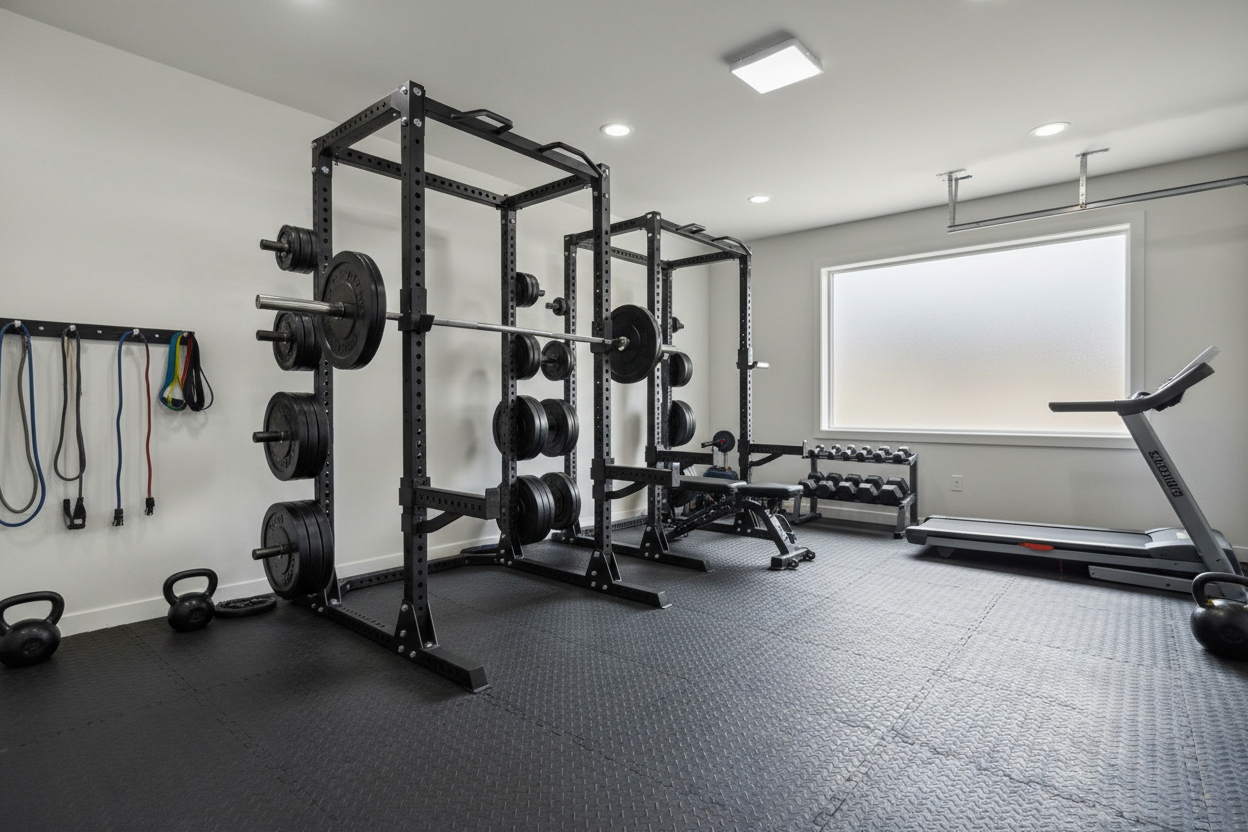
The biggest debate in squat gym equipment is the footprint versus the protection. A full power cage is the gold standard because it has four uprights and safety pins. If you fail a rep, the rack catches the bar, not your spine. However, they take up a massive 4x4 foot chunk of floor space and usually stand 80 to 90 inches tall.
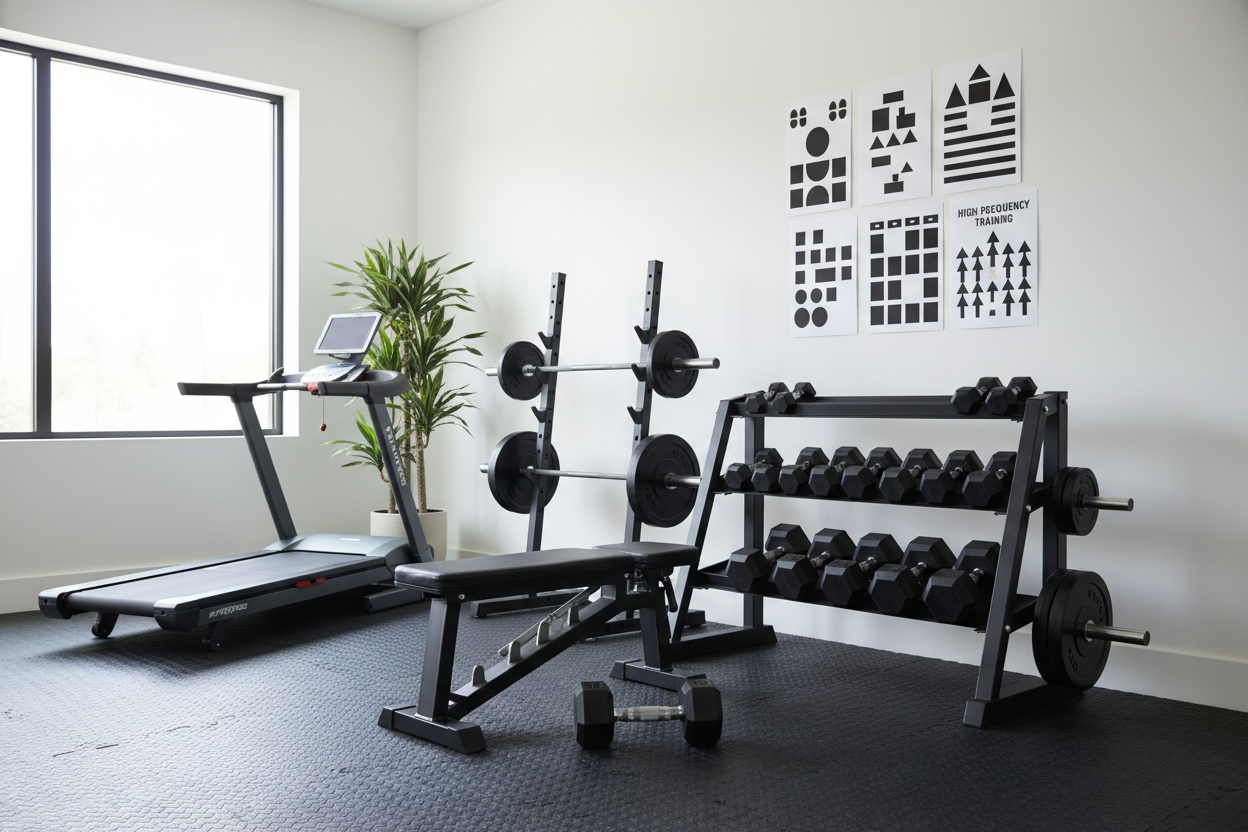
For those in a tight spot, independent squat stands or a half-rack are the go-to barbell back squat equipment. They are easier to move, but you lose that 'safety box' feeling. When deciding between a power cage or squat rack, consider your training style. If you frequently lift to failure alone in your garage, the cage is non-negotiable.
Is a Squat Machine for Home Gyms Worth the Footprint?
Not everyone wants a barbell. Sometimes a squat master machine or a hack squat unit makes more sense, especially if you have lower back issues that make axial loading painful. These machines provide a fixed path of motion, which is great for isolating the quads. The downside? They are huge. A small squat machine usually still requires a 5-foot long footprint.
I usually recommend a hybrid approach. If you have the space, a machine squat rack guide can help you decide if a lever-arm system attached to your rack is better than a standalone unit. This gives you the stability of exercise equipment for squats without the massive footprint of a dedicated leg press or hack squat machine.
Protecting Your Foundation (Because Slipping is Terrifying)
People spend thousands on a squat tool and pennies on what it sits on. Squatting on bare concrete is a recipe for a slip, and those cheap foam puzzle mats from the toy aisle will compress and shift under heavy loads. You need high-density rubber that stays put when you’re driving through your heels.
I personally use 3/4-inch stall mats. They are heavy, smell like a tire shop for a week, and are virtually indestructible. If you want something cleaner, look for dedicated gym flooring for home workout setups. It provides the necessary traction to ensure your squat equipment home station doesn't become a slip-and-slide during a PR attempt.
How to Build Your Setup Without Going Broke
You don't need every squat exercise equipment gimmick on the market. Start with a solid rack, a high-quality 20kg barbell, and some iron or bumper plates. Avoid the 'all-in-one' plastic machines that promise 50 exercises; they usually do all of them poorly. If you search for squats in tools sections of big retailers, you'll find cheap stuff—stay away.
Wait for holiday sales or look for home gym equipment deals to bundle your purchases. Buying your rack, bar, and plates from the same manufacturer can often save you hundreds in shipping costs, which is usually the 'hidden' killer of any home gym budget.
My Personal Experience
Years ago, I bought a used, generic squat stand from a guy on Craigslist. It looked fine until I tried to rack 315 pounds after a grueling set. The stand shifted, one side caught, and the whole thing nearly toppled into my drywall. It was a wake-up call. I sold it the next day and invested in a 3x3 steel rack with 1-inch hardware. The peace of mind alone was worth the extra $400. Don't let a budget-first mindset lead to a safety-last reality.
FAQ
How much ceiling height do I need for a squat rack?
Most standard racks are 80-90 inches tall. Always leave at least 6-12 inches of clearance above the rack so you can perform pull-ups without hitting your head on the ceiling.
Can I squat safely without a power cage?
Yes, but you need high-quality spotter arms on a half-rack or squat stand. Never squat to failure with free weights if you don't have a mechanical way to catch the bar.
Are bumper plates better than iron plates for squats?
Bumper plates are quieter and safer if you need to drop the bar, but they are thicker. If you're squatting over 500 pounds, you might run out of room on the sleeve with bumpers and need iron.