How to Build Total Fitness With a Multifunction Rowing Machine
You have limited floor space, a tight budget, and a desire to get fit without turning your living room into a commercial gym warehouse. The standard advice is usually to buy a treadmill or a set of dumbbells. But neither of those offers a complete solution on its own.
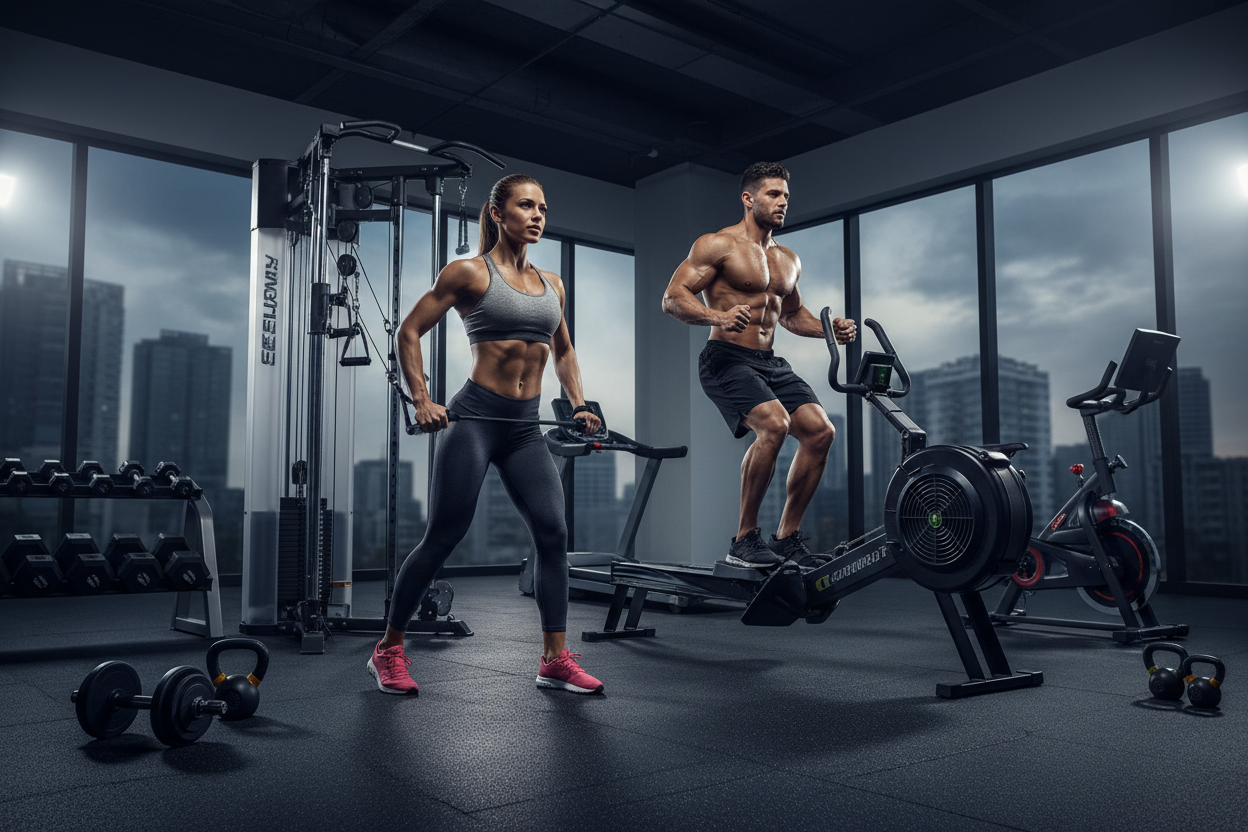
Enter the multifunction rowing machine. This isn't just about sliding back and forth to get your heart rate up. When used correctly, this piece of equipment bridges the gap between aerobic conditioning and resistance training, effectively killing two birds with one stone.
Let’s break down how to use this tool effectively, moving beyond basic cardio into a comprehensive strength strategy.
Key Takeaways
- Hybrid Training: Multifunction rowers combine low-impact cardio with resistance capabilities (like pulleys or bands) for full-body conditioning.
- Space Efficiency: These machines replace the need for separate dumbbells and cardio equipment, often folding up for storage.
- Muscle Engagement: Unlike standard rowers, multifunction models allow for bicep curls, upright rows, and front raises to target specific muscle groups.
- Cost-Effective: Investing in one high-quality hybrid machine is often cheaper than buying a rower and a separate cable tower.
The Mechanics: More Than Just Cardio
Most people look at a rower and see a cardio machine. That is a mistake. A standard rowing stroke already utilizes about 86% of the muscles in your body. However, a multifunction unit takes this further by adding attachment points, often at the front of the rail or via the handle itself.
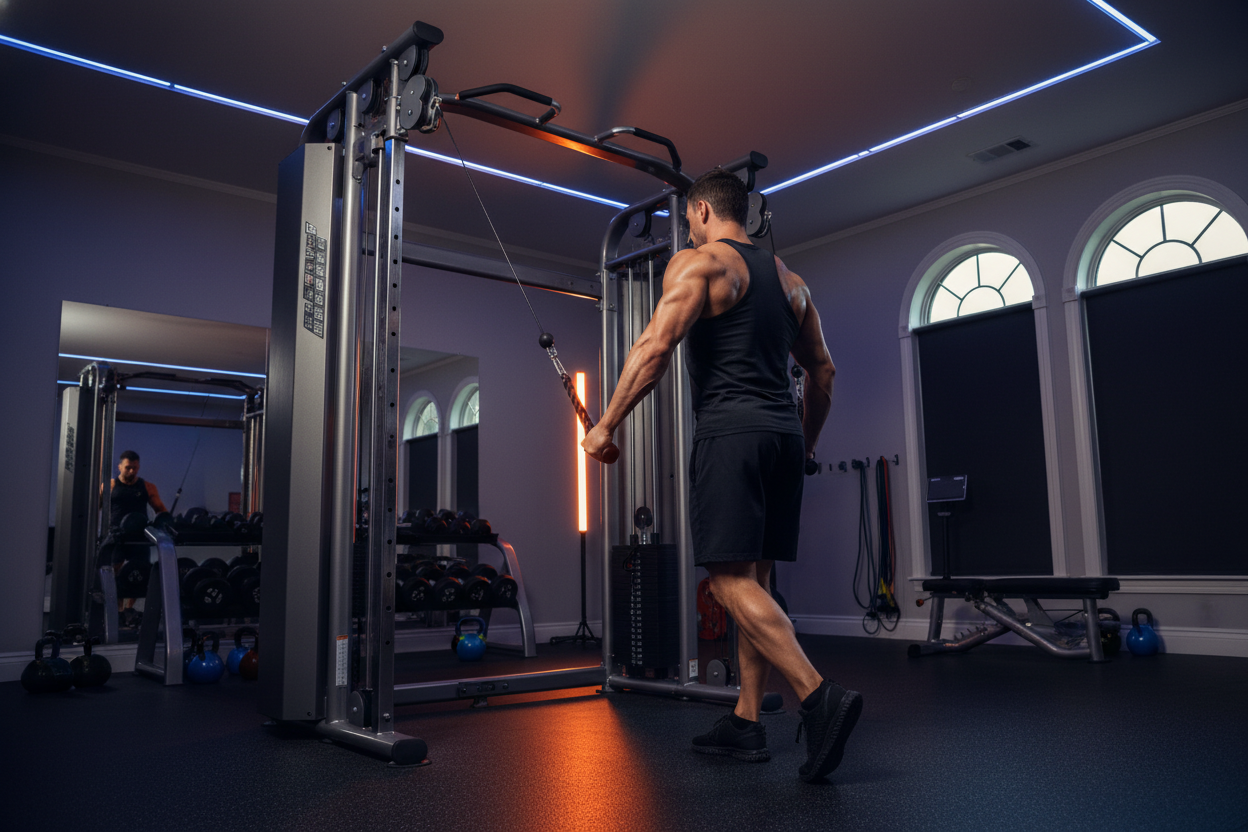
This allows you to perform exercises you would typically do on a cable machine. We are talking about standing bicep curls, upright rows, and even tricep extensions. The resistance mechanism—whether magnetic, air, or hydraulic—doubles as your weight stack.
The Physiology of Concurrent Training
Why does this matter? Because you are engaging in concurrent training. You are taxing your aerobic system (lungs and heart) while simultaneously placing mechanical tension on your muscles.
This is efficient. You aren't resting for three minutes between sets like a powerlifter. You are keeping the heart rate elevated while fatiguing the muscle fibers. This creates a high metabolic demand, meaning you burn calories long after the workout finishes (EPOC effect).
Structuring a Multifunction Workout
Don't just sit down and row for 20 minutes. That is boring and underutilizes the machine. Use a circuit style approach.
The "Row-Resist" Interval
Try this structure to maximize the machine's potential:
- Warm-up: 3 minutes of light rowing.
- The Set: 500 meters of moderate-paced rowing.
- The Switch: Immediately stand up (or sit on the rail depending on the move) and perform 15 reps of upright rows using the handle.
- The Return: Back to rowing for 2 minutes (sprint pace).
- The Switch: Stand up and perform 15 bicep curls.
By alternating the horizontal pull of rowing with the vertical pull of the auxiliary exercises, you ensure balanced muscle development and prevent overuse injuries associated with repetitive rowing motions.
Common Pitfalls to Avoid
Buying the gear is the easy part. Using it without hurting yourself requires attention to detail.
Ignoring the Footplate Stability
When you transition from rowing to standing exercises (like curls), you often have to stand on the footplates or the floor stabilizers to keep the machine grounded. If you stand on the floor and pull up, a lightweight machine might tip forward.
Always check where your center of gravity is relative to the machine's anchor point. If the machine feels light, you may need to weigh down the front stabilizer with a sandbag.
The Resistance Drop-off
If you are using a wind-resistance (air) multifunction rower, be aware that resistance is generated by speed. Doing a slow, controlled bicep curl might feel too easy because the flywheel isn't spinning fast enough. Magnetic resistance models are generally superior for the "strength" portion of the workout because they provide constant tension regardless of speed.
My Personal Experience with Multifunction Rowing Machines
I want to be real with you about what it’s actually like to live with one of these.
I tested a popular mid-range model last year during a month where I couldn't get to the gym. On paper, it sounded perfect. In practice, there were nuances the manual didn't mention.
The biggest thing I noticed was the "dead spot" in the cable when doing standing exercises. When I stood up to do upright rows, the first two inches of the pull had zero resistance because the chain had a bit of slack from the rowing position. I had to learn to pre-tension the handle before starting the rep.
Also, let's talk about the footpads. When rowing, they are fine. But when I tried to do overhead presses using the resistance bands attached to the front base, standing on those angled footrests was awkward. My ankles were supinated (rolled out) the whole time. I eventually just stood on the floor and put a heavy dumbbell on the machine's nose to keep it from flipping up. It wasn't pretty, but it worked.
It’s a great tool, but don't expect it to feel exactly like a commercial cable crossover machine. It has its own unique feel that takes a few sessions to master.
Conclusion
A multifunction rowing machine is one of the smartest investments for a compact home gym. It strips away the excuses regarding time and space. While it won't replace a heavy squat rack for elite powerlifting, it provides more than enough resistance for general fitness, fat loss, and athletic conditioning. Treat it with respect, learn the mechanics, and you will build a capable physique right in your living room.
Frequently Asked Questions
Can you actually build muscle with a multifunction rower?
Yes, but to a limit. It is excellent for lean muscle tone and endurance. However, since the resistance is often limited compared to heavy iron plates, you will eventually hit a ceiling for maximum hypertrophy (muscle growth). For 90% of the population, it is sufficient.
Is a magnetic or air rower better for multifunction use?
Magnetic is generally better for the multifunction aspect. Air rowers require speed to generate resistance, which makes slow, controlled strength movements difficult. Magnetic rowers provide consistent tension even during slow reps.
How much space do I need?
Most multifunction rowers are about 7 to 8 feet long. However, look for models that fold vertically. When not in use, they can occupy a footprint as small as 2x2 feet, making them ideal for apartments.